

 Download PDF
Market Overview
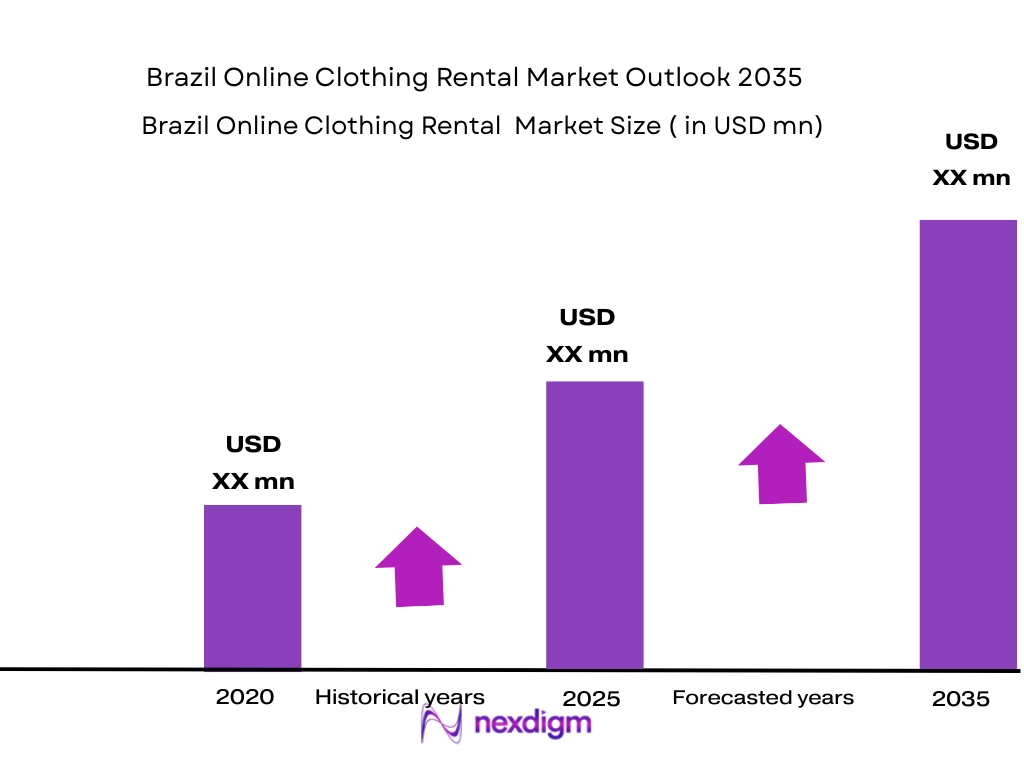
The Brazil Online Clothing Rental Market is valued at approximately USD ~ million, driven by the increasing demand for sustainable fashion and the growing trend of e-commerce adoption. As the Brazilian market becomes more digital-savvy, consumers are opting for cost-effective and environmentally friendly clothing rental services. This shift is largely due to a rising awareness about the environmental impact of fast fashion and a growing preference for renting high-end clothing for short-term needs. The market is further supported by increasing disposable income and the growing popularity of subscription models for clothing rentals.
Brazil’s dominant cities, such as São Paulo, Rio de Janeiro, and Brasília, are the primary drivers of the online clothing rental market. These cities, with their large urban populations and high purchasing power, provide a fertile ground for the growth of digital and on-demand services. São Paulo and Rio de Janeiro, in particular, are fashion hubs where consumers have shown an increasing inclination towards sustainable and flexible fashion choices. The rapid expansion of internet access and e-commerce infrastructure in these urban centers has significantly contributed to the market’s expansion.
Market Segmentation
By Service Category
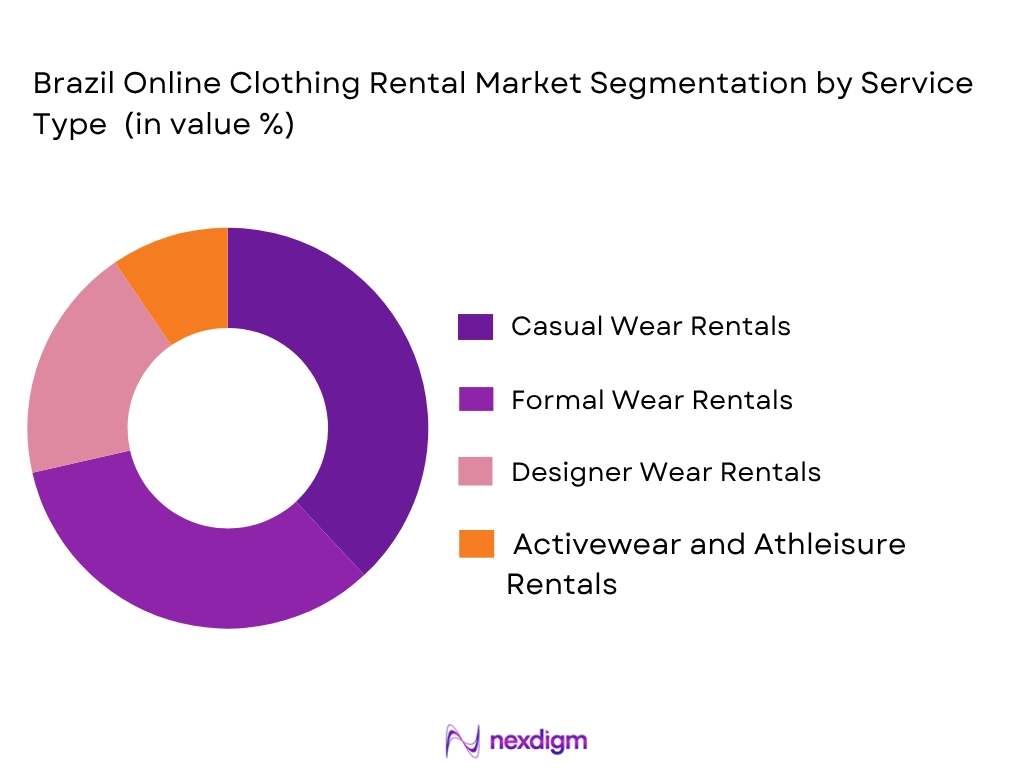
The Brazil Online Clothing Rental Market is segmented by service category into casual wear rentals, formal wear rentals, bridal wear rentals, designer wear rentals, and activewear rentals. Among these, casual wear rentals dominate the market. This is mainly due to the regular and high-frequency nature of renting casual clothing, such as shirts, pants, dresses, and accessories. Consumers in Brazil, especially in urban areas, increasingly prefer renting casual wear for daily use, saving money while staying on trend. Companies offering flexible rental options for casual clothing allow consumers to rent for short periods, making it more appealing for busy professionals or those seeking variety in their wardrobe. The demand for casual wear rentals is expected to grow as more Brazilian consumers move toward renting everyday clothes, driven by the convenience and variety it offers.
By Consumer Demographics
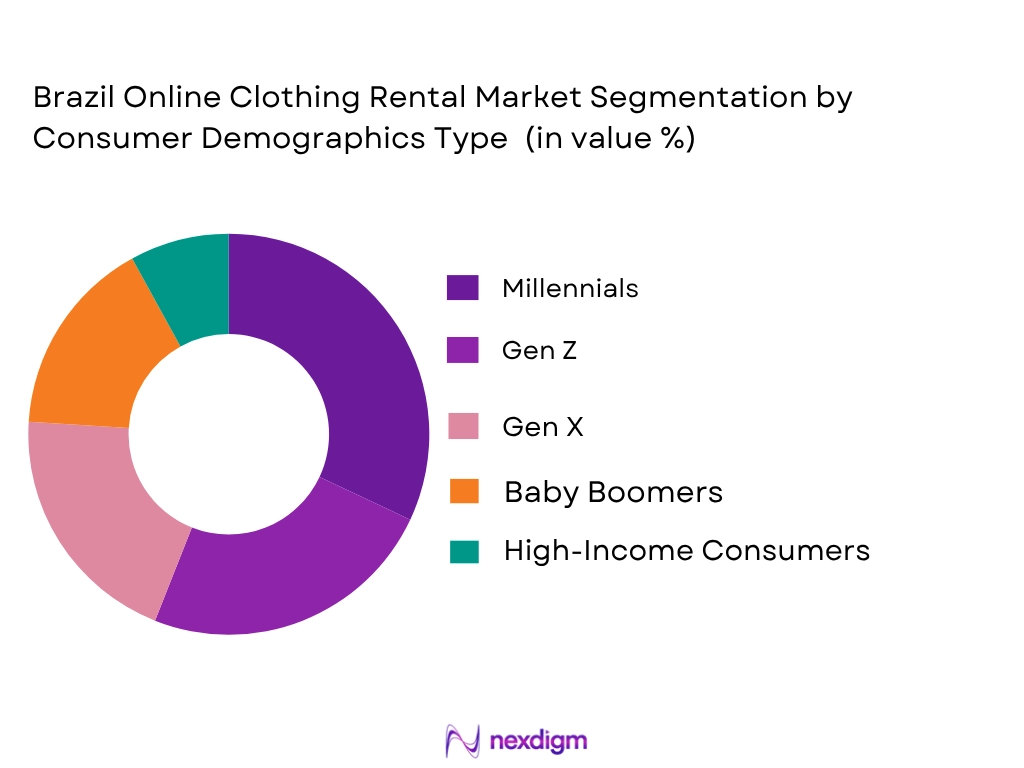
In terms of consumer demographics, millennials dominate the Brazil online clothing rental market. This generation has shown a strong inclination towards sustainability and digital convenience, making them the largest consumer segment for clothing rentals. Millennials are particularly drawn to renting for special occasions, as well as for daily wear, due to the accessibility, cost savings, and environmental benefits of renting versus buying. Their tech-savvy nature and familiarity with e-commerce platforms make them ideal customers for online rental services. The millennial preference for experiences over ownership and their increased focus on sustainable fashion are key drivers of the growth of this segment.
Competitive Landscape
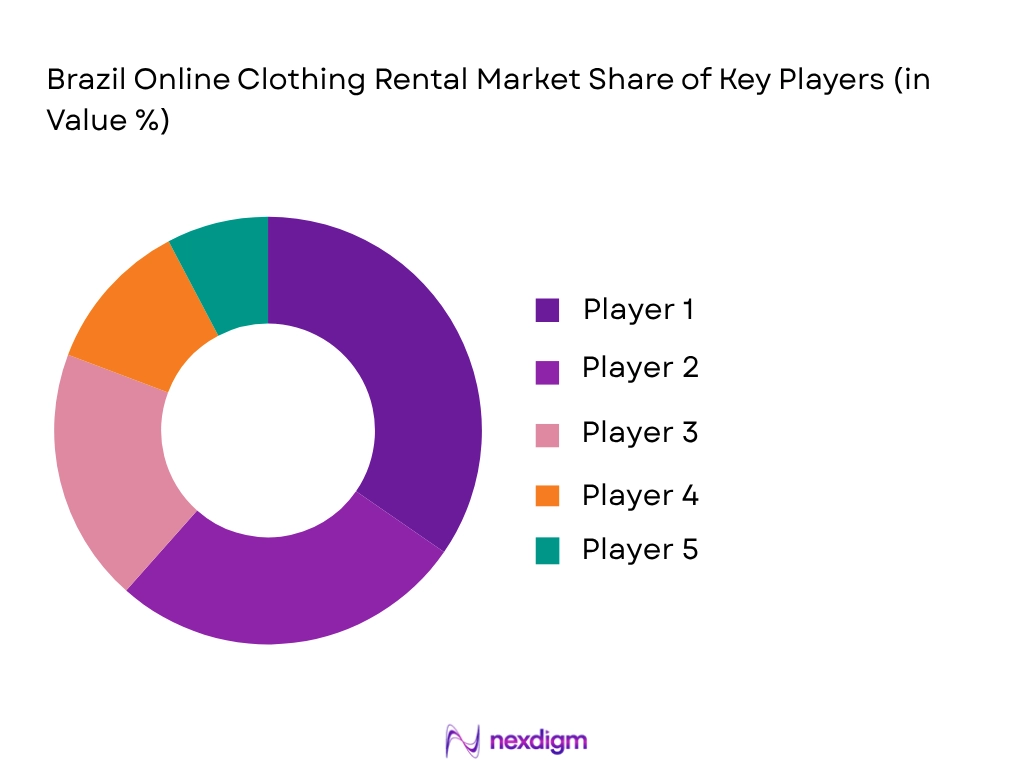
The Brazil Online Clothing Rental Market is currently dominated by a few major players, including local companies like “Glam App,” “GlamBox,” and international brands like “Rent the Runway” that have expanded into the Brazilian market. These companies are leveraging the growing trend of online shopping and are catering to the increasing demand for sustainable and affordable fashion. Local companies have an advantage in terms of understanding Brazilian consumer preferences and offering region-specific options, while global players bring their strong brand recognition and established business models. The market is highly competitive, with companies focusing on diversifying their product offerings, improving user experiences, and integrating advanced technology such as mobile apps and personalized recommendations to stay ahead. The success of these players is also tied to their ability to efficiently manage logistics, provide diverse clothing options, and offer flexible rental models. The rapid development of e-commerce and the growing acceptance of online clothing rentals in Brazil further intensify the competition.
| Company Name | Establishment Year | Headquarters | Service Type | Target Market | Revenue Mix | Technology Adoption |
| Glam App | 2015 | São Paulo, Brazil | ~ | ~ | ~ | ~ |
| GlamBox | 2017 | Rio de Janeiro, Brazil | ~ | ~ | ~ | ~ |
| Rent the Runway Brazil | 2019 | New York, USA (Brazil) | ~ | ~ | ~ | ~ |
| Le Tote Brazil | 2018 | São Paulo, Brazil | ~ | ~ | ~ | ~ |
| MyWardrobeHQ Brazil | 2020 | São Paulo, Brazil | ~ | ~ | ~ | ~ |
Brazil Online Clothing Rental Market Analysis
Growth Drivers
Rising Demand for Sustainable Fashion
The growing concern for environmental sustainability is driving the demand for eco-friendly fashion solutions, with more consumers opting for clothing rental services as a sustainable alternative to fast fashion. Renting clothing allows consumers to enjoy a variety of outfits without contributing to the environmental harm caused by the production of new garments. As global awareness of climate change and textile waste rises, consumers in Brazil are increasingly seeking ways to reduce their carbon footprint. This shift towards sustainability is especially prominent among millennials and Gen Z, who are more likely to prioritize environmental responsibility, making sustainable fashion a key growth driver for the online clothing rental market.
Increasing Acceptance of Rental Models Among Consumers
The increasing acceptance of rental models among consumers is significantly driving the growth of the Brazil online clothing rental market. More Brazilian consumers, especially in urban areas, are embracing the concept of renting clothes for short-term needs, such as special events, daily wear, or occasional use, due to the cost-effectiveness and flexibility offered by rental services. Subscription-based models, in particular, are becoming popular as they offer consumers the opportunity to refresh their wardrobes regularly without the financial burden of purchasing new clothing. As awareness of the benefits of clothing rentals grows, more consumers are willing to incorporate this model into their regular shopping habits, driving market growth.
Challenges
Logistical and Supply Chain Complexity
Logistical and supply chain complexity is a key challenge for the Brazil online clothing rental market. Efficiently managing the flow of garments between the rental service and customers across the country can be difficult, particularly with Brazil’s vast geographical size. Ensuring that clothing items are delivered on time, in good condition, and collected promptly after use requires a robust logistics infrastructure. Delivery delays, damaged goods, and inconsistent service can harm the customer experience, leading to dissatisfaction and increased operational costs. Overcoming these logistical hurdles requires significant investment in transportation networks, inventory tracking systems, and efficient returns processes to maintain high levels of service quality.
Inventory Management and Quality Control Issues
Inventory management and maintaining quality control are persistent challenges in the online clothing rental market. Given the variety of styles, sizes, and types of garments, rental services must ensure that their inventories are well-maintained and reflect current fashion trends. Proper tracking and maintenance of clothing items are crucial, as damaged or worn-out garments can lead to customer dissatisfaction and reduced repeat business. Additionally, managing the logistics of cleaning, repairing, and processing returned items in a timely manner can add complexity to operations. Effective inventory management and stringent quality control measures are necessary to ensure that the service runs smoothly and maintains customer trust and satisfaction.
Opportunities
Expansion of Sustainable Fashion Collections
The expansion of sustainable fashion collections presents a significant opportunity for the Brazil online clothing rental market. As more consumers demand eco-friendly and ethically produced garments, rental services can capitalize on this trend by offering a curated selection of sustainable fashion pieces. Collaborating with brands and designers who focus on sustainable materials, such as organic cotton, recycled fabrics, and eco-friendly dyes, can attract environmentally conscious consumers. This opportunity aligns with the increasing demand for circular fashion, which emphasizes reusing and recycling clothing. By offering sustainable collections, rental services can differentiate themselves in a competitive market, drawing in customers who want stylish clothing with minimal environmental impact.
Increased Penetration in Smaller Cities and Rural Areas
There is a significant opportunity for growth in Brazil’s smaller cities and rural areas, where online clothing rental services have not yet reached their full potential. As internet access improves and e-commerce continues to grow in these regions, more consumers will become open to renting clothing as a convenient and cost-effective solution. Rental services can expand their customer base by tailoring offerings to suit local preferences, providing delivery options that cater to these areas, and forming partnerships with local retailers. Increased penetration in smaller cities and rural regions will open up new growth avenues for online clothing rental businesses, allowing them to tap into an underserved market.
Future Outlook
Over the next five years, the Brazil Online Clothing Rental Market is expected to witness substantial growth driven by increased consumer demand for sustainable fashion, the rise of eco-consciousness, and the growing popularity of rental models. As consumers continue to embrace sustainability, the demand for clothing rental services is projected to rise, with millennials and Gen Z leading the way. Additionally, the expansion of e-commerce platforms and mobile apps will make rental services more accessible, enhancing convenience and driving market growth. Moreover, the integration of artificial intelligence and personalized recommendations will allow for tailored services, further enhancing the rental experience. These trends, combined with the increasing adoption of flexible and subscription-based rental models, will likely lead to a robust market expansion in Brazil through 2035.
Major Players
- Glam App
- GlamBox
- Rent the Runway Brazil
- Le Tote Brazil
- MyWardrobeHQ Brazil
- HURR Collective Brazil
- FashionPass Brazil
- Gwynnie Bee Brazil
- Borrow the Closet Brazil
- Bag Borrow or Steal Brazil
- The Volte Brazil
- FlexiRent Brazil
- 13 Wearlend Brazil
- 14 H&M Rental Service Brazil
- 15 Zara Rental Service Brazil
Key Target Audience
- Investments and Venture Capitalist Firms
- Government and Regulatory Bodies
- Retail Brands and Fashion Labels
- E-commerce Platforms
- Technology Solution Providers
- Fashion Enthusiasts and Early Adopters
- Sustainability Advocates
- Clothing Manufacturers and Designers
Research Methodology
Step 1: Identification of Key Variables
The initial phase will involve identifying key variables that influence the Brazil online clothing rental market, including consumer preferences, sustainability trends, and digital adoption. Secondary research and market reports will be leveraged to create a comprehensive ecosystem of variables that shape the market.
Step 2: Market Analysis and Construction
In this phase, historical data from Brazilian e-commerce platforms and clothing rental services will be analyzed to assess market penetration and consumer behavior patterns. Additionally, data on consumer spending, clothing rental frequency, and digital engagement will be compiled to understand market trends.
Step 3: Hypothesis Validation and Expert Consultation
Market hypotheses will be validated through expert consultations, including interviews with industry leaders in the fashion rental sector. These consultations will provide insights into operational challenges, consumer preferences, and future market opportunities.
Step 4: Research Synthesis and Final Output
The final phase will involve synthesizing all collected data and insights to deliver a comprehensive market report. The research will focus on validating findings and ensuring data accuracy through engagement with stakeholders and refinement of hypotheses. The final output will offer actionable insights on growth opportunities and competitive strategies.

- Executive Summary
- Research Methodology (Market Definitions and Assumptions, Abbreviations and Acronyms, Market Sizing Approach, Primary Research Framework, Consolidated Research Approach, Market Forecasting Techniques, Limitations of Study and Future Conclusions)

- Definition and Service Scope
- Market Genesis and Evolution of Clothing Rental Models
- Macro Fashion Trends and Consumer Preferences
- Integration of Sustainability and Fashion Sharing Economy
- Health and Economic Factors Impacting Service Demand

- Growth Drivers
Rising Demand for Sustainable Fashion
Increasing Acceptance of Rental Models Among Consumers
Growing Digital Adoption and E-Commerce Penetration
Rising Disposable Income and Changing Fashion Consumption Patterns - Market Opportunities
Expansion of Sustainable Fashion Collections
Increased Penetration in Smaller Cities and Rural Areas
Incorporation of AI and Machine Learning for Personalization
Partnerships with Local Designers and Fashion Brands - Challenges
Logistical and Supply Chain Complexity
Inventory Management and Quality Control Issues
Customer Retention and Churn
Competition from Traditional Retail and Fast Fashion - Market Trends
Growing Popularity of Subscription Services
Integration of Technology and Smart Platforms for Clothing Rental
Rise of Peer-to-Peer Clothing Rental Platforms
Increased Focus on Plus-Size and Adaptive Clothing Rentals - Government and Regulatory Environment
Consumer Protection and Privacy Regulations
Fair Use and Intellectual Property in Fashion Rentals
Environmental and Sustainability Regulations for Clothing Rental - SWOT Analysis
- Stakeholder Ecosystem Mapping
- Porter’s Five Forces Analysis
- Service Delivery Cost Structure Dynamics

- By Revenue, 2020-2025
- By Rental Volume, 2020-2025
- By Subscription Plans, 2020-2025
- By Average Revenue Per Customer, 2020-2025
- By Digital Engagement Index, 2020-2025

- By Service Category (In Value %)
Casual Wear Rentals
Formal Wear Rentals
Designer Wear Rentals
Activewear and Athleisure Rentals - By Consumer Demographics (In Value %)
Millennials
Gen Z
Gen X
Baby Boomers
High-Income Consumers - By Rental Type (In Value %)
Subscription-based Rentals
Pay-Per-Rent
Rent-to-Own Options
Special Event Rentals - By Distribution Channel (In Value %)
Direct-to-Consumer Online Platforms
Third-Party Marketplaces & Apps
Retail Partnerships with Clothing Rental Services
B2B Partnerships (e.g., Corporate Uniform Rentals) - By Geography (In Value %)
Southeast Region
South Region
Northeast Region
Midwest Region
North Region

- Market Share Analysis
- Cross Comparison Parameters (Company Overview, Business Strategies & Growth Models, Service Portfolio Breadth, Geographic Footprint, Revenue Mix by Service Category, Membership Economics, Pricing Models and SKU Mapping, Technology Adoption Score, Brand Equity Index, Partnerships & Alliances, Workforce Base & Certification Levels)
- SWOT Analysis of Major Competitors
- Pricing Benchmarking Across Service Formats
- Detailed Profiles of Key Market Players
Rent the Runway Brazil
Le Tote Brazil
HURR Collective Brazil
The Ms. Collection Brazil
Borrow the Closet Brazil
MyWardrobeHQ Brazil
FashionPass Brazil
Gwynnie Bee Brazil
Bag Borrow or Steal Brazil
Rentez-Vous Brazil
The Volte Brazil
FlexiRent Brazil
Wearlend Brazil
H&M Rental Service Brazil
Zara Rental Service Brazil

- Market Demand by User Segment
- Rental Consumption Patterns
- Subscription Retention and Churn Analytics
- Price Sensitivity and Willingness to Rent
- Decision Drivers and Pain Points

- By Revenue, 2026-2035
- By Rental Volume, 2026-2035
- By Subscription Plans, 2026-2035
- By Average Revenue Per Customer, 2026-2035
- By Digital Engagement Index, 2026-2035


 Request a Sample
 Ask for Customization
 Get a Quote
 Enquire Now