
 Download PDF
Market Overview
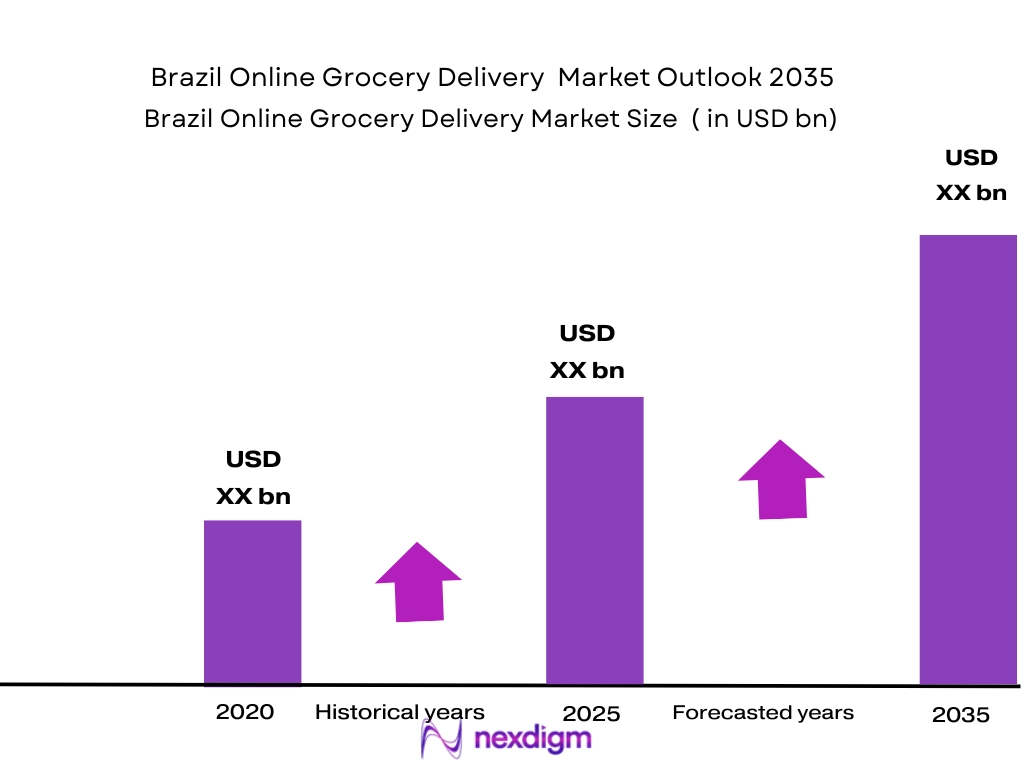
The Brazil Online Grocery Delivery market is valued at approximately USD ~ billion, driven by an increasing inclination toward e-commerce, improving internet penetration, and a growing middle-class population with rising disposable incomes. The convenience of home delivery and a preference for time-saving shopping methods have accelerated demand. The ongoing digital transformation of traditional retail outlets and the adoption of online grocery platforms like Mercado Livre and Rappi have played a pivotal role in driving this market growth. The overall growth is further supported by technological advancements in delivery logistics and e-payment systems.
Brazil’s online grocery delivery market is predominantly driven by cities such as São Paulo, Rio de Janeiro, and Brasília, which are the most urbanized regions with high disposable income and a large tech-savvy population. São Paulo, the country’s economic hub, leads in online grocery consumption due to its high population density, advanced logistics infrastructure, and widespread use of e-commerce platforms. Other urban centers in the Southeast and South regions are also significant contributors to the market, with the growth of e-commerce platforms allowing these areas to become key players in the online grocery delivery space.
Market Segmentation
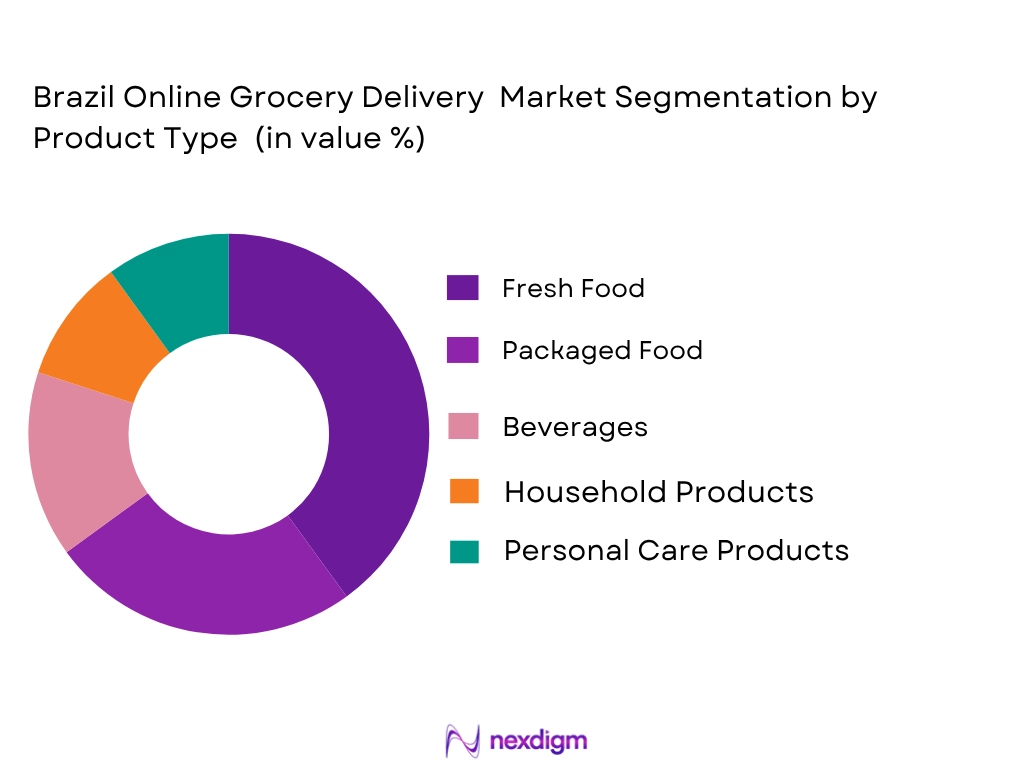
By Product Type
The Brazil Online Grocery Delivery market is segmented by product type into fresh food, packaged food, beverages, household products, and personal care products. Fresh food is currently the dominant segment, driven by the growing preference for organic produce, fresh vegetables, and locally sourced items. With the increasing awareness of health and wellness, consumers are turning to fresh food options delivered directly to their homes. Companies like Carrefour and Magazine Luiza are capitalizing on this trend by offering fresh produce through their online platforms. This has made fresh food the key segment, benefiting from consumer demand for quality, freshness, and health-conscious choices.
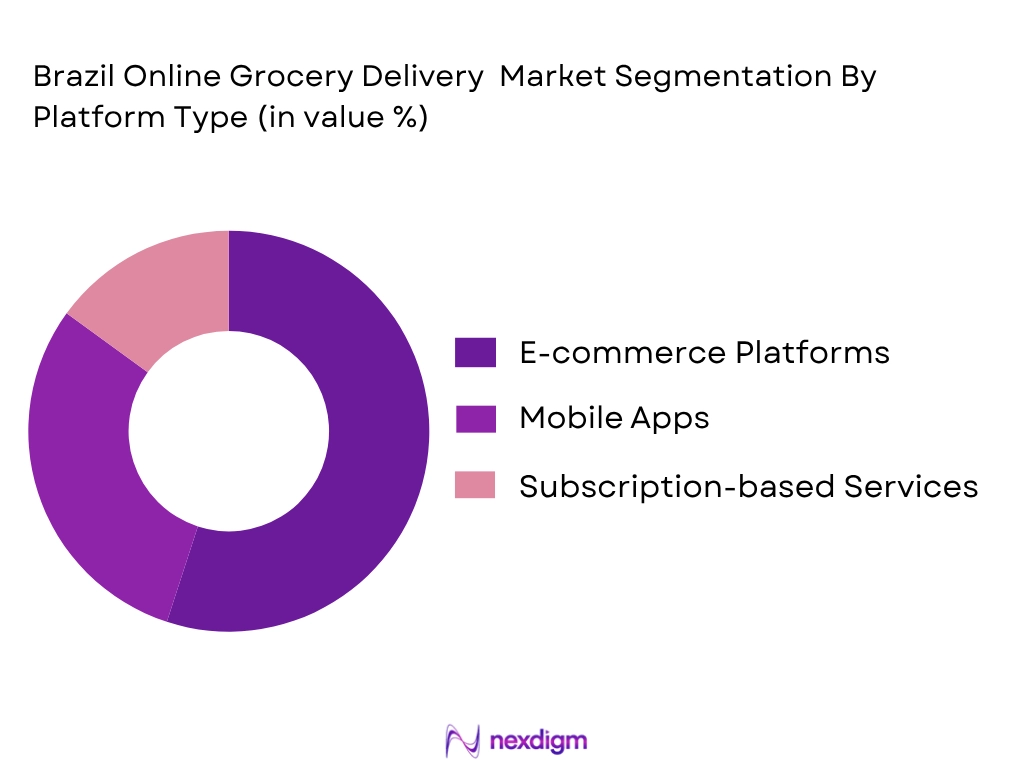
By Platform Type
The market is also segmented by platform type into e-commerce platforms, mobile apps, and subscription-based services. E-commerce platforms dominate the market due to their established infrastructure and wide user base. Retail giants like Mercado Livre and Amazon Brazil have become major players by offering seamless online grocery shopping experiences. These platforms also benefit from integration with larger e-commerce ecosystems, offering convenience and a broad selection of products. Mobile apps are gaining traction but still remain behind e-commerce platforms, while subscription services are emerging as an attractive option for consumers seeking regular, scheduled deliveries.
Competitive Landscape
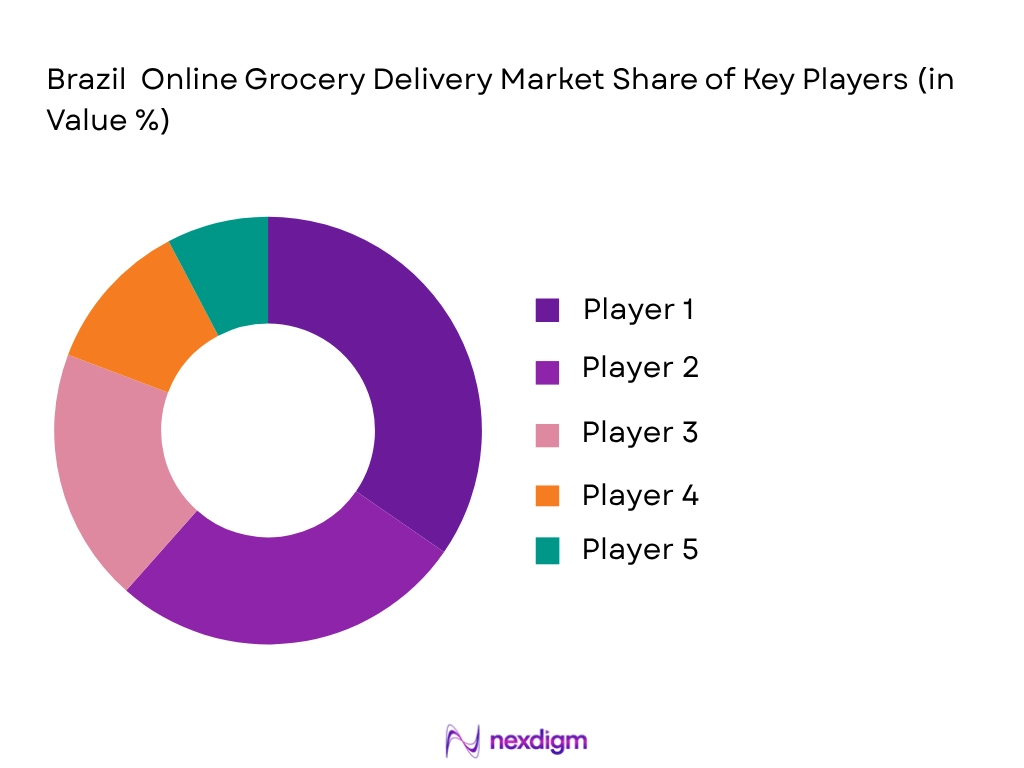
The Brazil Online Grocery Delivery market is led by a few major players, including Mercado Livre, Carrefour, Rappi, Magazine Luiza, and Amazon Brazil. These companies dominate due to their strong brand presence, broad product offerings, and technological innovations in delivery logistics. Mercado Livre, in particular, has become a giant in the online retail space in Brazil, offering grocery delivery alongside other products. Rappi has also gained significant traction through its robust app ecosystem and strong local partnerships. The competition among these players highlights the growing importance of user experience, delivery efficiency, and a vast product range in securing market leadership.
| Company Name | Establishment Year | Headquarters | Product Type Offered | Service Area | Revenue (2023) | Delivery Time | Technology Used | Customer Loyalty Programs |
| Mercado Livre | 1999 | São Paulo, Brazil | ~ | ~ | ~ | ~ | ~ | ~ |
| Carrefour | 1959 | São Paulo, Brazil | ~ | ~ | ~ | ~ | ~ | ~ |
| Rappi | 2015 | São Paulo, Brazil | ~ | ~ | ~ | ~ | ~ | ~ |
| Magazine Luiza | 1957 | São Paulo, Brazil | ~ | ~ | ~ | ~ | ~ | ~ |
| Amazon Brazil | 2012 | São Paulo, Brazil |
Brazil Online Grocery Delivery Market Analysis
Growth Drivers
Increasing Urbanization and Internet Penetration
Brazil’s rapid urbanization has significantly contributed to the growth of the online grocery delivery market. As more people migrate to cities, there is an increasing demand for convenient shopping options, particularly in densely populated areas. Coupled with the rising internet penetration, urban residents now have easier access to digital platforms offering online grocery services. Mobile apps and e-commerce platforms like Mercado Livre and Carrefour have capitalized on this trend, offering seamless shopping experiences. With a larger urban population becoming tech-savvy, the market sees consistent growth. Additionally, internet penetration in rural areas is expanding, further widening the potential consumer base for online grocery platforms, fostering wider adoption across the country.
Growth in E-commerce and Digital Platforms
The ongoing growth in e-commerce and digital platforms has been a key driver for the expansion of Brazil’s online grocery delivery market. The convenience of shopping from home, coupled with the rise of digital payment methods, has driven consumers to prefer online grocery platforms over traditional retail. Companies like Rappi, Mercado Livre, and Amazon Brazil are increasingly adopting e-commerce strategies to enhance user experience and convenience. They are integrating AI and data analytics to personalize shopping experiences, making it easier for consumers to find and purchase products. This digital transformation is enabling these platforms to capture a larger market share, contributing to the growing dominance of online grocery delivery services in Brazil.
Market Challenges
Logistic and Supply Chain Issues
A significant challenge facing Brazil’s online grocery delivery market is the complexity of logistics and supply chain management. The need for efficient inventory management, maintaining the freshness of perishable items, and ensuring timely deliveries is a constant struggle. Brazil’s vast geography further complicates the logistics process, especially when serving remote or less accessible areas. Delays in delivery, especially for perishable goods, can result in customer dissatisfaction and loss of market share. To address these challenges, companies are investing in advanced technologies such as real-time tracking systems and warehouse automation. Despite these efforts, supply chain inefficiencies remain a major hurdle in meeting customer expectations and scaling up operations across the country.
Price Sensitivity and Intense Competition
Price sensitivity among Brazilian consumers poses a major challenge to the growth of the online grocery delivery market. Many consumers are price-conscious, especially in the context of rising living costs. This has led to increased competition among service providers, as consumers often opt for platforms offering the best deals or discounts. Additionally, large e-commerce giants such as Mercado Livre and Carrefour face pressure from local startups like Rappi, which offer competitive pricing and specialized services. The intense competition forces companies to keep their prices low, which puts strain on profit margins. Businesses must find ways to balance competitive pricing while ensuring sustainable operations to thrive in such a competitive environment.
Opportunities
Expansion of Local and Regional Delivery Networks
One of the major opportunities in Brazil’s online grocery delivery market is the expansion of local and regional delivery networks. While large cities such as São Paulo and Rio de Janeiro are well-served by online grocery services, there is a substantial opportunity to reach consumers in smaller towns and rural areas. By establishing more localized distribution centers and collaborating with regional delivery partners, companies can ensure faster delivery times and lower shipping costs. This expansion will help platforms tap into underserved markets, allowing them to grow their customer base and improve profitability. Additionally, focusing on regional needs and preferences will enhance the consumer experience, making the service more appealing to a broader audience.
Technological Innovations in Delivery Logistics
Technological innovations in delivery logistics present a significant opportunity for Brazil’s online grocery delivery market. With advancements in artificial intelligence, machine learning, and automation, companies can streamline delivery operations, reduce costs, and improve efficiency. For example, AI-driven route optimization can minimize delivery times and reduce fuel consumption, ensuring faster and more cost-effective service. Additionally, the use of autonomous vehicles and drones for delivery can address last-mile challenges, particularly in urban areas with high traffic congestion. These technologies can also enhance the tracking and monitoring of inventory, ensuring the freshness of perishable goods and improving overall customer satisfaction. As Brazil’s digital infrastructure continues to grow, these innovations will play a pivotal role in shaping the future of the market.
Future Outlook
Over the next five years, the Brazil Online Grocery Delivery market is expected to grow substantially, driven by the expansion of e-commerce, technological advancements in delivery logistics, and a continuous shift towards consumer convenience. The rise in demand for fresh food, organic products, and healthy living will further fuel growth, as consumers become more health-conscious. Additionally, the increasing adoption of mobile apps and the growing popularity of subscription services for regular grocery deliveries will contribute to market expansion. As local and regional delivery networks are strengthened, the market will see greater accessibility across the country, including underserved areas, driving a more inclusive growth trajectory.
Major Players
- Mercado Livre
- Carrefour
- Rappi
- Magazine Luiza
- Amazon Brazil
- iFood
- Pão de Açúcar
- Supermercado Now
- Uber Eats
- Drogaria São Paulo
- Atacadão
- Walmart Brazil
- Extra
- Giga Atacado
- Maxxi Atacado
Key Target Audience
- Retailers and E-commerce Platforms
- Logistics and Delivery Service Providers
- Investments and Venture Capitalist Firms
- Government and Regulatory Bodies
- Food Producers and Suppliers
- Technology and Software Providers (AI, Robotics, Apps)
- Subscription Service Providers
- Packaging and Sustainability Companies
Research Methodology
Step 1: Identification of Key Variables
The initial phase of research involves identifying and defining the key variables that influence the Brazil Online Grocery Delivery market. This includes factors such as consumer behavior, logistics infrastructure, technological adoption, and regulatory frameworks. A combination of secondary research and expert consultations is used to gather data and establish an ecosystem map for the market.
Step 2: Market Analysis and Construction
In this phase, historical market data is analyzed to understand market dynamics, growth rates, and consumer preferences. An in-depth study of past trends, sales volumes, and consumer behavior is conducted to assess the penetration of online grocery delivery services in various regions across Brazil. The data will help forecast market size and growth potential.
Step 3: Hypothesis Validation and Expert Consultation
Market hypotheses related to growth drivers, barriers, and future trends are validated through expert interviews and surveys. These consultations are conducted with key stakeholders in the market, including retailers, e-commerce platform operators, and logistics service providers, to gather insights and further validate the research findings.
Step 4: Research Synthesis and Final Output
The final phase involves synthesizing all collected data into actionable insights. This includes analyzing the impact of growth drivers, challenges, and emerging trends on the market. Direct engagement with industry players helps refine product segmentations, business strategies, and revenue estimates, ensuring an accurate and comprehensive market analysis.

- Executive Summary
- Research Methodology (Market Definitions and Assumptions, Abbreviations, Market Sizing Approach, Consolidated Research Approach, Understanding Market Potential Through In-Depth Industry Interviews, Primary Research Approach, Limitations and Future Conclusions)

- Definition and Scope
- Market Dynamics Overview
- Market Genesis
- Major Players and Market Timeline
- Business Cycle and Trends
- Supply Chain and Value Chain Analysis

- Growth Drivers
Increasing Urbanization and Internet Penetration
Growth in E-commerce and Digital Platforms
Demand for Convenience and Health-Conscious Products
Rising Adoption of Contactless Delivery - Market Challenges
Logistic and Supply Chain Issues
Price Sensitivity and Intense Competition
Regulatory Barriers and Operational Costs
Limited Coverage in Rural Areas - Opportunities
Expansion of Local and Regional Delivery Networks
Technological Innovations in Delivery Logistics
Rising Consumer Demand for Organic and Fresh Products
Partnerships Between Retailers and Online Platforms - Key Trends
Shift Toward AI and Robotics in Delivery Systems
Rising Demand for Eco-Friendly Packaging
Growth of Subscription-Based Services
Integration of Personalized Shopping Experiences - Government Regulations
- SWOT Analysis
- Porter’s Five Forces

- By Value, 2020–2025
- By Volume, 2020–2025
- By Average Price, 2020–2025

- By Product Type (In Value %)
Fresh Food
Packaged Food
Beverages
Household Products
Personal Care Products - By Platform Type (In Value %)
E-commerce Platforms
Mobile Apps
Subscription-based Services - By Service Type (In Value %)
Same-day Delivery
Scheduled Delivery
Subscription-based Delivery - By Region (In Value %)
Southeast
South
Northeast
Midwest
North

- Market Share of Major Players by Value/Volume
- Market Share of Major Players by Product Type
- Cross Comparison Parameters(Company Overview, Business Strategies, Recent Developments, Strength, Weakness, Organizational Structure, Revenues, Revenues by Product Type, Number of Touchpoints, Distribution Channels, Number of Dealers and Distributors, Margins, Production Plant, Capacity, Unique Value Offering and Others)
- SWOT Analysis of Major Players
- Pricing Analysis Based on Product Categories for Major Players
- Detailed Profiles of Major Companies
Grupo Pão de Açúcar
Carrefour Brasil
Magazine Luiza
Mercado Livre
Cencosud Brasil
Rappi
iFood
Uber Eats
Amazon Fresh
DIA Brasil

- Market Demand and Utilization
- Purchasing Power and Budget Allocations
- Regulatory and Compliance Requirements
- Needs, Desires, and Pain Point Analysis
- Decision-Making Process

- By Value, 2026–2035
- By Volume, 2026–2035
- By Average Price, 2026–2035


 Request a Sample
 Ask for Customization
 Get a Quote
 Enquire Now