

 Download PDF
Market Overview
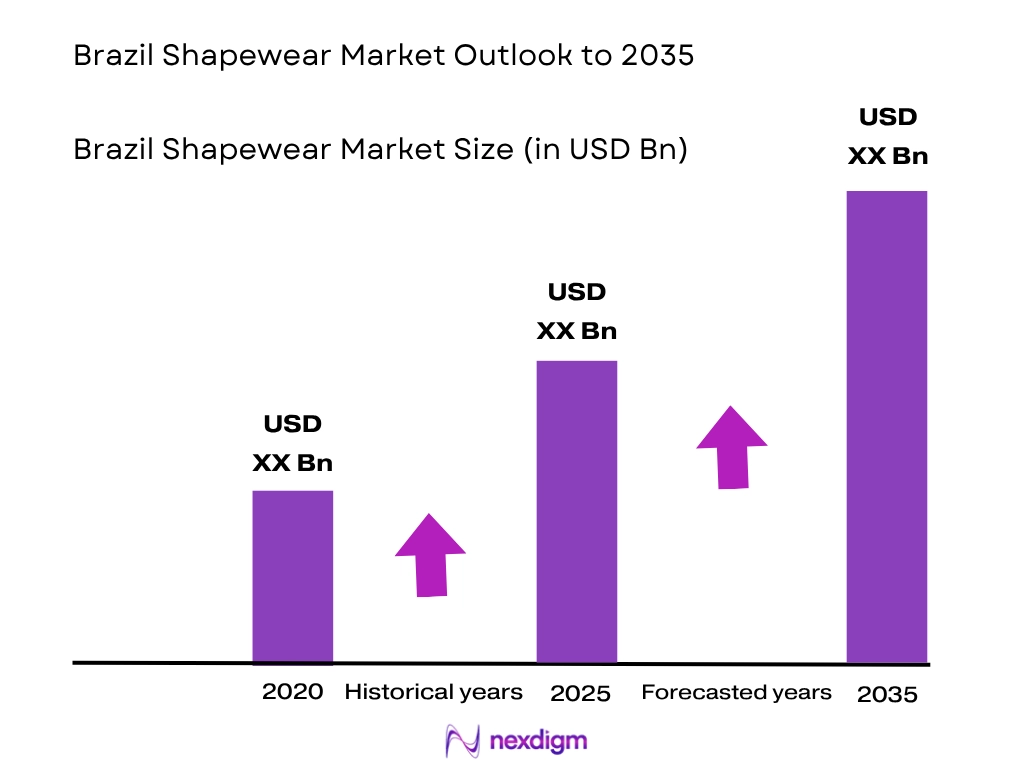
The Brazil shapewear market is valued at approximately USD ~ billion in 2025, driven by the increasing demand for comfortable, stylish, and functional bodywear. Consumer preferences in Brazil are shifting towards products that enhance body shaping while maintaining comfort. Key drivers include growing disposable income, the influence of social media on fashion trends, and the rise in health consciousness among Brazilian consumers. Additionally, the active participation of Brazilian women in the workforce and the increasing popularity of athleisure contribute to the strong market growth. The rise of e-commerce platforms has also played a pivotal role in market expansion by enhancing accessibility to shapewear brands across various income segments.
The Brazilian shapewear market is predominantly led by major cities such as São Paulo, Rio de Janeiro, and Brasília. São Paulo, being the country’s economic hub, boasts a high concentration of fashion-conscious consumers with a robust retail and e-commerce ecosystem. Rio de Janeiro, with its vibrant fashion scene, also significantly contributes to the market’s growth. The rise in disposable income and consumer spending in these regions, combined with local fashion culture, further solidifies their dominance in the market. These cities represent key urban centers that influence national trends in shapewear and contribute to the broader growth of the Brazilian fashion and apparel sectors.
Market Segmentation: Brazil Shapewear Market
By Product Type
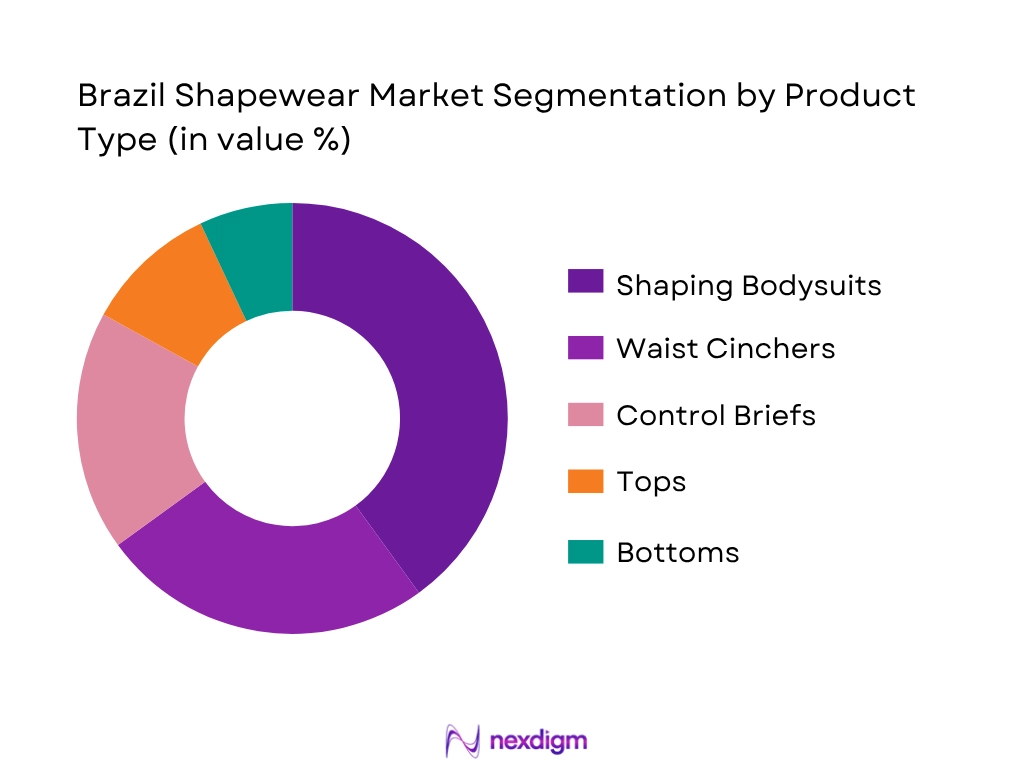
The Brazilian shapewear market is segmented by product type into shaping bodysuits, waist cinchers, control briefs, tops, and bottoms. Among these, shaping bodysuits dominate the market share, as they provide all-encompassing body shaping and have become a staple in Brazilian women’s wardrobes. The increasing demand for all-in-one solutions for both shaping and comfort is one of the driving forces behind the popularity of bodysuits. Additionally, brands have introduced a variety of styles tailored for different body types, making these products versatile and appealing to a wide audience. The continued innovation in fabric technology, including seamless and breathable materials, has further bolstered the popularity of bodysuits in Brazil.
By Fabric Type
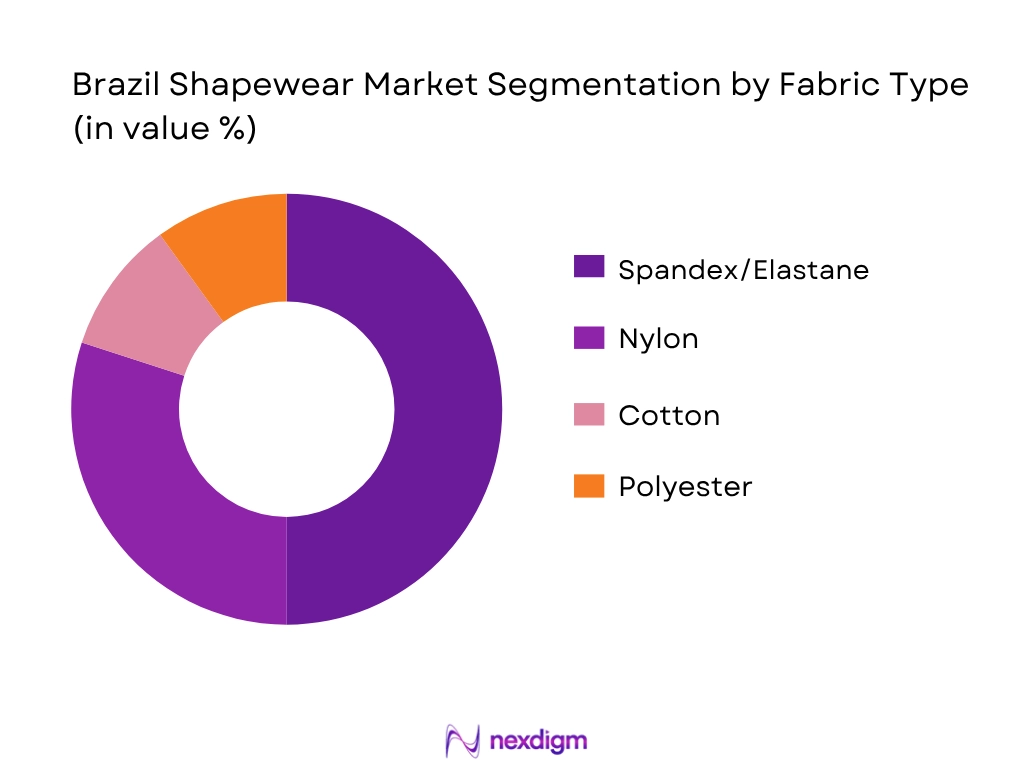
Brazil’s shapewear market is also segmented by fabric type, which includes spandex/elastane, nylon, cotton, and polyester. The spandex/elastane segment is the dominant sub-segment, owing to its superior elasticity, shaping capabilities, and comfort. This fabric provides a perfect balance of compression and stretch, ensuring a snug fit while allowing for mobility. Shapewear made from spandex/elastane is highly popular in Brazil, particularly in warmer regions, as it offers breathability and moisture-wicking properties. Moreover, innovations in sustainable elastane blends have contributed to the increasing preference for this fabric type among eco-conscious consumers.
Competitive Landscape: Brazil Shapewear Market
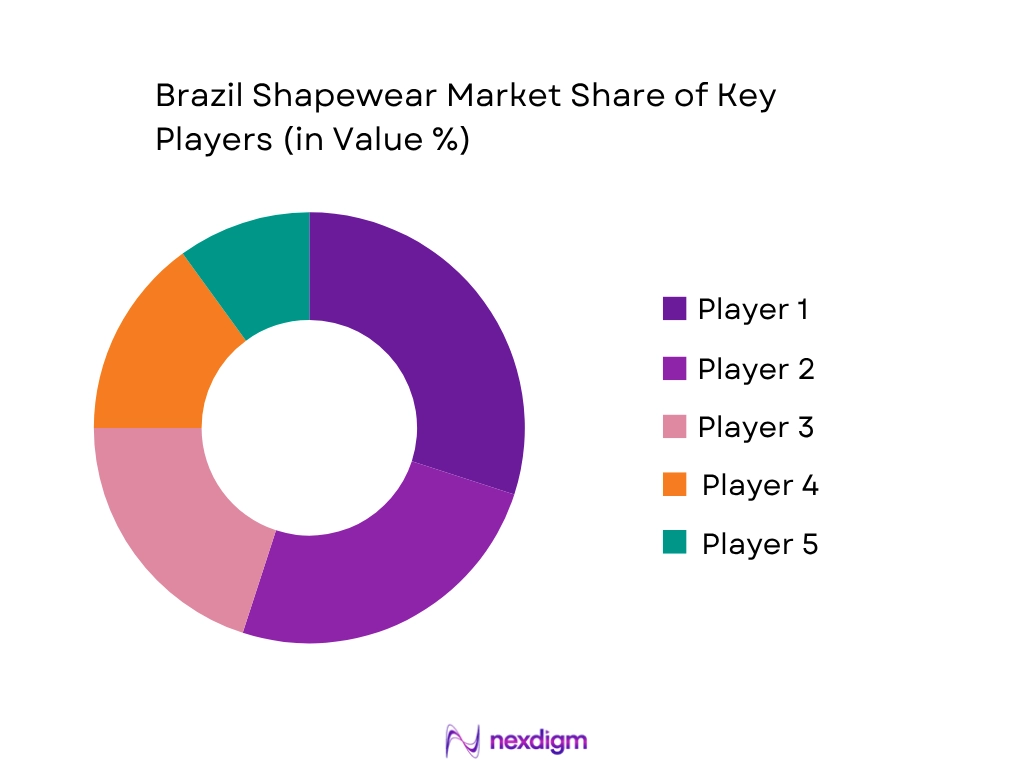
The Brazil shapewear market is characterized by a mix of well-established global players and strong local competitors. Key global brands like Spanx, Triumph, and Victoria’s Secret dominate the premium segments, leveraging their global recognition and established customer base. At the same time, local brands such as Leonisa and Hope Lingerie cater to the middle and mass segments by offering affordable, high-quality shapewear products. The competitive environment is further intensified by the presence of e-commerce giants and local online platforms like Mercado Livre, which offer diverse options for consumers. Additionally, consumer loyalty plays a significant role in shaping brand dominance, with a focus on product comfort, fit, and innovative features.
| Brand | Establishment Year | Headquarters | Product Range | Distribution Channels | Key Feature | Sustainability Efforts |
| Spanx | 2000 | Atlanta, USA | ~ | ~ | ~ | ~ |
| Leonisa | 1950 | Bogotá, Colombia | ~ | ~ | ~ | ~ |
| Triumph | 1886 | Bad Zurzach, Switzerland | ~ | ~ | ~ | ~ |
| Hope Lingerie | 1966 | São Paulo, Brazil | ~ | ~ | ~ | ~ |
| Victoria’s Secret | 1977 | Columbus, USA | ~ | ~ | ~ | ~ |
Brazil Shapewear Market Analysis
Growth Drivers
Rising Body Positivity & Fashion Adoption
Body positivity and fashion adoption are significant drivers of the shapewear market in Brazil. In 2024, Brazil’s fashion industry is estimated to reach a market value of USD 65 billion, showcasing the growing influence of fashion across various consumer segments. The adoption of body-shaping products has risen with a shift towards embracing diverse body types. Approximately 72% of Brazilian women are reportedly concerned about their physical appearance, making them more likely to purchase shapewear as part of their daily attire. The rise in body confidence and the acceptance of various body shapes supports this growth trajectory.
E-commerce Penetration & Digital Influencers
Brazil’s e-commerce market continues to grow exponentially. In 2024, Brazil’s e-commerce industry is expected to exceed USD 45 billion, contributing significantly to the shapewear market as more consumers prefer online shopping for its convenience and variety. Moreover, the influence of digital influencers and social media platforms has grown drastically. Over 90 million people in Brazil are active internet users, and social media usage continues to surge, with Instagram and YouTube being primary platforms for fashion-related content. Influencers drive consumer purchasing behavior, especially among younger, tech-savvy consumers who increasingly turn to e-commerce for shapewear.
Market Challenges
Price Sensitivity & Competitive Discounting
Price sensitivity continues to be a major challenge in the Brazilian shapewear market. The average disposable income per capita in Brazil in 2024 is estimated to be around USD 5,250, which limits the purchasing power of a significant portion of the population. In response to economic pressures and reduced spending, brands in the shapewear market are increasingly engaging in price wars and discounting strategies to attract consumers. However, price sensitivity has resulted in lower margins for brands, affecting their overall profitability. Additionally, in a highly competitive landscape, many consumers opt for lower-cost alternatives or unbranded shapewear, intensifying price-based competition.
Size Inclusivity Challenges
In Brazil, size inclusivity remains a challenge for shapewear brands. In 2024, Brazil’s obesity rate is expected to increase to 23%, with a growing number of consumers looking for shapewear options that cater to plus sizes. However, the supply of shapewear designed for larger body types remains limited, with many brands failing to meet this demand effectively. The lack of diversity in product offerings has prompted dissatisfaction among customers, making it difficult for brands to penetrate all market segments. This issue is exacerbated by Brazil’s relatively slow pace in adopting inclusive fashion policies compared to other global markets.
Market Opportunities
Sustainable & Eco Fabric Lines
Sustainability is a key opportunity in Brazil’s shapewear market, driven by an increasing consumer demand for eco-friendly products. According to recent data from the Brazilian government, nearly 45% of Brazilian consumers are willing to pay more for products made from sustainable materials, highlighting the growing importance of eco-conscious purchasing decisions. Many Brazilian consumers are shifting towards sustainable brands that use organic and eco-friendly fabrics in their shapewear. This trend is fueling market growth, as companies invest in sustainable production processes. As Brazil moves toward stricter environmental regulations in the textile sector, brands adopting eco-fabrics are poised to gain a competitive edge. Source
Custom/Adaptive Sizing Solutions
Custom and adaptive sizing represents a significant opportunity for the shapewear market in Brazil. With increasing awareness about body diversity and varying consumer needs, brands are developing shapewear with more inclusive size ranges. The Brazilian government’s recent push for inclusivity in the fashion industry has led to an increase in the demand for adaptive and custom-sized products. Current data suggests that approximately 60% of Brazilian consumers are now seeking personalized solutions for better fit and comfort, particularly in shapewear. As technology advances, brands are leveraging 3D scanning and data analytics to offer custom-fit shapewear, which is expected to grow the market further.
Future Outlook
Over the next decade, the Brazil shapewear market is projected to continue its strong growth trajectory, driven by innovations in fabric technologies, the growing preference for online shopping, and rising consumer demand for sustainable and inclusive products. Additionally, Brazilian cultural trends, such as a focus on fitness and body positivity, will continue to fuel demand for shapewear products that emphasize comfort and confidence. With the continued expansion of e-commerce platforms, brands will also find new opportunities to reach broader audiences, particularly in underserved regions. The future of the market will likely see the rise of adaptive and custom-fit shapewear, further solidifying Brazil as a key market for global and local brands alike.
Major Players in Brazil Shapewear Market
- Spanx
- Leonisa
- Triumph
- Hope Lingerie
- Victoria’s Secret
- Duloren
- Lupo
- Demillus
- Plié
- Fruit de la Passion
- Sloggi
- Calvin Klein Underwear (Brazil)
- Intimissimi
- Sauvage
- Private Label Brazilian Brands
Key Target Audience
- Investments and Venture Capitalist Firms
- Government and Regulatory Bodies (Ministry of Economy, Brazilian Institute of Environment and Renewable Natural Resources – IBAMA)
- Shapewear Manufacturers and Distributors
- Retail Chains and Department Stores
- E-commerce Platforms (Mercado Livre, Amazon Brazil)
- Apparel and Fashion Designers
- Private Label Brands
- Textile and Fabric Manufacturers
Research Methodology
Step 1: Identification of Key Variables
This step involves defining all market components by analyzing secondary and primary research data. It focuses on understanding the driving factors such as consumer behavior, fabric innovations, and regulatory frameworks. The identification of these critical variables is based on insights from government reports, industry publications, and expert interviews.
Step 2: Market Analysis and Construction
Historical data on the shapewear market in Brazil is gathered to analyze consumer preferences, purchasing trends, and the adoption of new fabric technologies. This includes market penetration and distribution patterns across various channels. We use proprietary tools to triangulate this data with competitor activities and consumer behavior analytics.
Step 3: Hypothesis Validation and Expert Consultation
Market hypotheses regarding growth patterns and regional demand are tested through consultations with industry experts. Experts from leading shapewear brands, as well as textile manufacturers, provide feedback on the emerging market trends, which help to refine market projections.
Step 4: Research Synthesis and Final Output
The final research output synthesizes data from all primary and secondary research phases to provide a comprehensive market analysis. We conduct direct interactions with key stakeholders, including brands, retailers, and suppliers, to validate findings and ensure data accuracy.

- Executive Summary
- Research Methodology (Market Definitions and Assumptions, Abbreviations, Brazil Shapewear Sizing Approach, Data Triangulation, Primary & Secondary Research Protocols, Bias Minimization, Future Research Opportunities)

- Market Definition and Product Taxonomy
- Industry Genesis and Inflection Points
- Cultural & Lifestyle Impact Analysis (Beachwear Culture & Body Image Preferences)
- Value Chain Mapping (Material Sourcing, Manufacturing, Distribution)
- Regulatory Framework and Compliance Standards (e.g., textile labels, quality norms)

- Growth Drivers (Rising Body Positivity & Fashion Adoption, E‑commerce Penetration & Digital Influencers, Textile Innovation (Compression & Comfort))
- Market Challenges (Price Sensitivity & Competitive Discounting, Size Inclusivity Challenges)
- Market Opportunities (Sustainable & Eco‑Fabric Lines, Custom/Adaptive Sizing Solutions)
- Emerging Trends (Integration of AI‑led Size Prediction Tools, Bodywear as Everyday Apparel)
- Brazil Regulatory & Certification Environment ((Labeling Requirements, Textile Import Tariffs)
- SWOT Analysis (Market Strength, Weakness Metrics)
- Porter’s Five Forces (Market Attractiveness)
- Value Chain & Ecosystem Mapping

- By Value (2020-2025)
- By Volume (2020-2025)
- By Price Benchmarking (2020-2025)
- By Brazil Market’s Share in Latin America Shapewear Revenue (2020-2025)

- By Product Type (In Value%)
Shaping Bodysuits
Waist Cinchers
Control Briefs
Tops
Bottoms - By Fabric Type (In Value%)
Spandex/Elastane
Nylon
Cotton
Polyester - By End User (In Value%)
Female
Male
Athletes and Fitness Enthusiasts
Unisex - By Distribution Channel (In Value%)
Offline Specialty Stores
Multi‑brand Apparel Retailers
Online Marketplaces
Direct‑to‑Consumer - By Price Tier (In Value%)
Mass
Medium
Premium - By Region (In Value%)
North Brazil
Northeast Brazil
Southeast Brazil
South Brazil

- Market Share Analysis of Major Players (By Value, By Volume, By Category Mix, By Channel Presence, By Revenue (Top Tier / Mid Tier / Emerging Players)
- Cross Comparison Parameters (Market Position Grade, Product Portfolio Depth, Fabric Innovation Index Brand Equity Score, Distribution Network Strength, E‑Commerce Penetration %, SKU Count by Category, Average Price Point, Advertising Spend Intensity, Production Capacity, Inclusive Sizing Range, , Sustainability Score, Local vs Imported Sourcing)
- Competitive Benchmarking Matrix (Brand vs. Brand Scorecards)
- Price Architecture and SKU Tiering (Retail vs. Online ASP Differential)
- SWOT Analysis of Major Players
- Shelf and Digital Visibility Benchmarking (Search Ranking, Retail Filters, Review Count, Rating Strength, Social Engagement, Creator Partnerships)
- Pricing Strategy & SKU Network Analysis
- Detailed Profiles of Major Companies
Spanx
Leonisa
Triumph International
Cia. Paulista de Lingerie
Hope Lingerie
Valisere
Duloren
Lupo
Plié Intimates
Lupo Performance
Demillus
Intimissimi
Calvin Klein Underwear (Brazil Division)
Fruit de la Passion
Victoria’s Secret (Brazil Operations)

- Demand Drivers by Demographic Cohorts
- Purchasing Behavior (Online vs Store Preference)
- Brand Switching and Loyalty Analysis (Repurchase Rate, Trial-to-Repeat Conversion, Promo Sensitivity, Channel Migration, Review Influence)
- Price Elasticity & Promotion Impact
- Pain Points & Unmet Needs (Fit, Comfort, Sustainability)
- Quality Expectations (Return Drivers, Fit Issues)

- By Product Type (2026-2035)
- By Volume Forecast (2026-2035)
- By Fabric Technology Adoption Rates (2026-2035)
- By Average Selling Price Projections (2026-2035)
- By Distribution Channel Innovation (2026-2035)
- By Region (2026-2035)


 Request a Sample
 Ask for Customization
 Get a Quote
 Enquire Now