
 Download PDF
 Download PDF
Market Overview
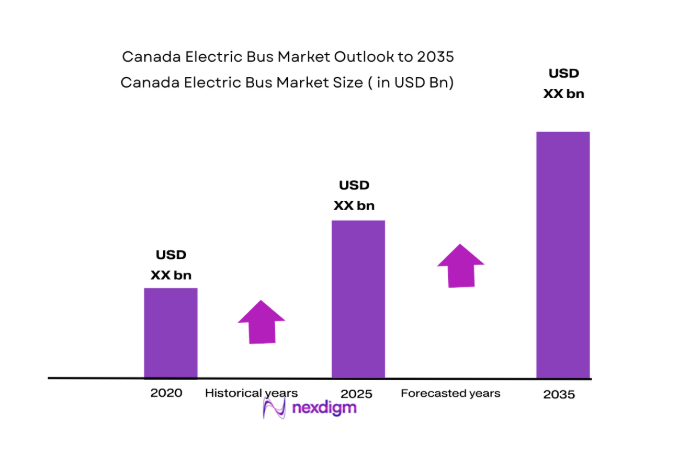
The Canada Electric Bus Market has experienced significant growth, with a market size based on a recent historical assessment reaching USD ~ billion. The growth is primarily driven by the increasing demand for sustainable transportation solutions and government initiatives aimed at reducing carbon emissions. This market is further supported by advancements in battery technology, improving the performance and efficiency of electric buses. With continued investments in electric vehicle infrastructure and rising environmental concerns, the market is projected to expand steadily in the coming years.
Key regions such as Ontario, Quebec, and British Columbia dominate the market due to their progressive policies and commitment to sustainability. These provinces have led the charge in adopting electric buses as part of their urban transportation systems. Furthermore, Vancouver’s extensive public transport fleet and Ontario’s investment in electric vehicle infrastructure have made these areas particularly influential. Government incentives and active involvement in reducing greenhouse gas emissions continue to push these regions to the forefront of the electric bus transition.
Market Segmentation
By Product Type
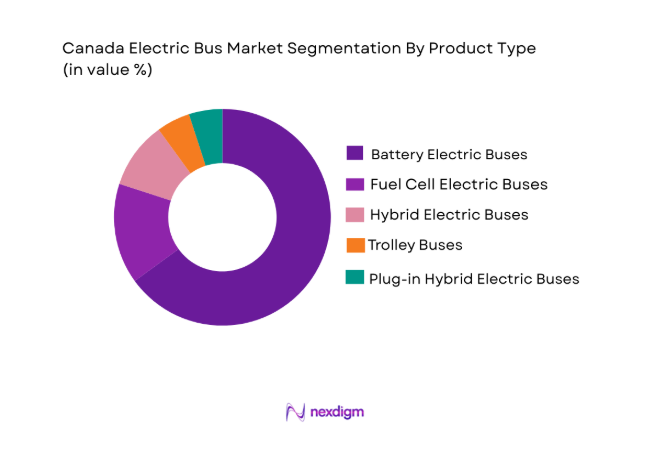
Canada Electric Bus market is segmented by product type into battery electric buses, fuel cell electric buses, hybrid electric buses, trolley buses, and plug-in hybrid buses. Among these, battery electric buses have captured a dominant market share due to their high efficiency, lower operational costs, and the expanding network of charging infrastructure. They offer longer ranges, lower maintenance requirements, and are increasingly favored by municipalities aiming to reduce emissions. Additionally, improvements in battery life and energy density continue to enhance the operational efficiency of these vehicles, which is driving adoption.
By Platform Type
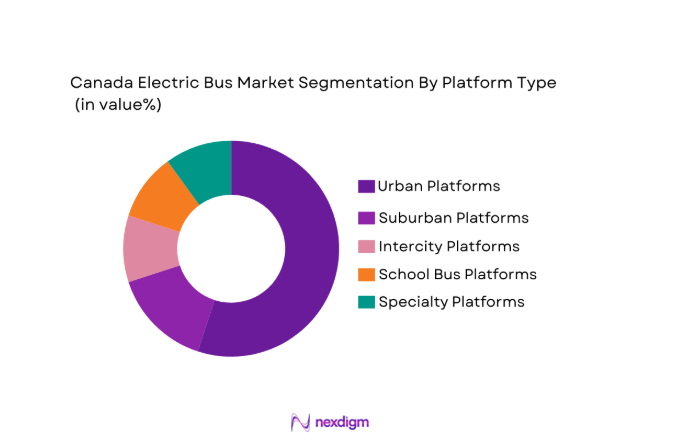
The Canada Electric Bus market is segmented by platform type into urban platforms, suburban platforms, intercity platforms, school bus platforms, and specialty platforms. Urban platforms dominate the market due to the large-scale adoption of electric buses in public transport systems within metropolitan areas. Urban areas benefit from the reduction of air pollution and congestion that electric buses bring. These platforms have substantial backing from governments that are actively working to promote cleaner public transportation options, making them the most attractive segment for fleet operators and municipal authorities.
Competitive Landscape
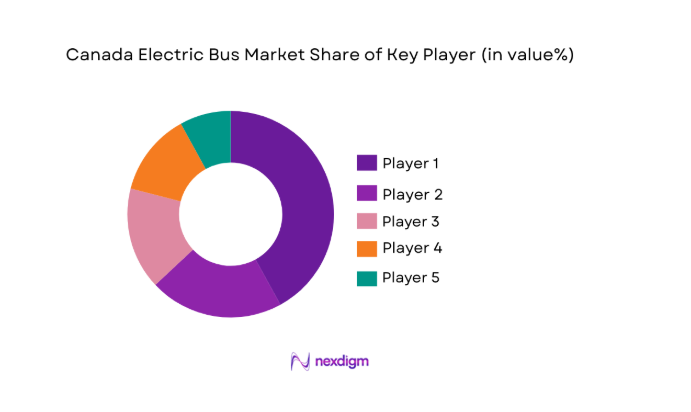
The competitive landscape of the Canada Electric Bus market is evolving with a mix of established global manufacturers and regional players. The market is becoming more consolidated as major companies focus on expanding their electric bus offerings and improving technology. The influence of players like BYD, Proterra, and New Flyer continues to shape market dynamics, while local manufacturers are increasingly entering the fray with innovative solutions and targeted regional strategies. These players are contributing to the rapid growth of the electric bus fleet in Canada and driving the development of complementary infrastructure.
|
Company Name |
Establishment Year | Headquarters | Technology Focus | Market Reach | Key Products | Revenue | Additional Parameter |
| BYD | 1995 | China | ~ | ~ | ~ | ~ | ~ |
| Proterra | 2004 | USA | ~ | ~ | ~ | ~ | ~ |
| New Flyer | 1930 | Canada | ~ | ~ | ~ | ~ | ~ |
| Volvo | 1927 | Sweden | ~ | ~ | ~ | ~ | ~ |
| Daimler | 1890 | Germany | ~ | ~ | ~ | ~ | ~ |
Canada Electric Bus Market Analysis
Growth Drivers
Government Incentives for Clean Transport
Government incentives play a significant role in driving the growth of the Canada Electric Bus market. Subsidies, tax rebates, and funding initiatives have significantly lowered the cost burden for electric buses, making them an attractive choice for municipalities and transport operators. These incentives not only make electric buses more affordable but also encourage fleet operators to transition from diesel-powered vehicles to greener alternatives. Additionally, the commitment of various provinces to reducing greenhouse gas emissions by promoting electric vehicles has created a conducive policy environment for the widespread adoption of electric buses. Several provinces in Canada have set ambitious environmental goals, which align with the demand for clean public transportation solutions. The combination of financial support and strict emissions regulations makes electric buses a preferred option for public transit authorities, further driving market growth.
Technological Advancements in Battery Systems
Another key driver for the growth of the Canada Electric Bus market is the continuous advancements in battery technology. As battery systems become more efficient, with longer lifespans and faster charging times, electric buses are becoming more viable for large-scale adoption. The reduction in battery costs, coupled with improvements in energy density, has helped electric buses achieve longer ranges on a single charge, making them more attractive to fleet operators. In addition, the development of ultra-fast charging infrastructure has alleviated concerns regarding charging time, allowing electric buses to be integrated into busy transit schedules. These technological improvements are expected to continue driving the market forward, as they enhance the operational efficiency and cost-effectiveness of electric buses, making them a more competitive alternative to traditional buses.
Market Challenges
High Initial Capital Investment
One of the primary challenges faced by the Canada Electric Bus market is the high initial capital investment required for electric buses. Although the total cost of ownership of electric buses is lower than traditional diesel buses over time, the upfront costs remain a significant barrier for many municipalities and fleet operators. The high price of electric buses, driven by the costs of advanced battery technology and vehicle components, makes it difficult for many smaller or less financially stable transit authorities to adopt electric fleets. This challenge is further compounded by the lack of sufficient charging infrastructure in some areas, which increases the overall cost of transitioning to electric buses. Without additional financial support or cost-sharing programs, many local governments may delay or limit their investments in electric buses, hindering the market’s growth potential.
Operational and Maintenance Challenges
Another challenge hindering the growth of the Canada Electric Bus market is the operational and maintenance challenges associated with electric buses. Despite the lower maintenance requirements of electric buses compared to diesel buses, the cost and complexity of maintaining the sophisticated battery and electrical systems can be a hurdle for fleet operators. Moreover, the reliance on a specialized workforce for the maintenance of electric buses can strain resources, particularly in areas where skilled technicians are scarce. Additionally, the longevity of batteries is a concern, as batteries may need to be replaced after a certain period, leading to additional operational costs. These challenges require careful planning, investment in training, and infrastructure development to ensure the smooth operation of electric bus fleets across Canada.
Opportunities
Expansion of Electric Bus Fleets in Regional Areas
An emerging opportunity in the Canada Electric Bus market lies in the expansion of electric bus fleets in regional and suburban areas. While large cities like Toronto and Vancouver have already made significant strides in adopting electric buses, many smaller towns and regional areas still rely heavily on traditional diesel-powered buses. There is a growing opportunity for electric bus manufacturers and fleet operators to tap into these underserved markets, as regional areas are increasingly seeking cost-effective and environmentally friendly transportation options. The expansion of electric buses in these areas can help reduce air pollution and operating costs while contributing to the broader goal of decarbonizing Canada’s transportation sector. Additionally, the availability of government incentives aimed at rural and regional fleet electrification further supports this opportunity, enabling smaller regions to join the push for cleaner transportation.
Growth of Electric Bus Infrastructure
Another opportunity for the Canada Electric Bus market is the growth of electric bus charging infrastructure. The development and expansion of a robust charging network are critical to the widespread adoption of electric buses. As more cities and provinces invest in charging infrastructure, the operational efficiency and convenience of using electric buses improve, making them a more attractive option for fleet operators. Charging stations in strategic locations, such as bus depots, public transport hubs, and key city areas, can help ensure that electric buses are always ready for operation, reducing downtime. Moreover, the development of fast-charging technologies and innovative charging solutions, such as wireless or inductive charging, can further accelerate the adoption of electric buses. As these infrastructure investments continue, they will enhance the market’s growth prospects and ensure the long-term viability of electric buses in Canada’s public transport networks.
Future Outlook
Over the next five years, the Canada Electric Bus market is expected to continue its growth trajectory, driven by increasing government support, technological advancements, and the growing need for sustainable public transportation solutions. A rise in demand for cleaner transportation options, especially in urban centers, coupled with investments in charging infrastructure, will support the expansion of electric bus fleets. Additionally, regulatory pressures to reduce emissions, along with improved battery technologies and lower operational costs, will make electric buses even more attractive. These factors are expected to fuel growth in both large cities and regional areas, ensuring continued progress in Canada’s transition to a greener transportation system.
Major Players
- BYD
- Proterra
- New Flyer
- Volvo
- Daimler
- NFI Group
- Alexander Dennis
- Gillig
- Solaris Bus & Coach
- Siemens
- ABB
- Bolloré
- ViriCiti
- Sustainable Bus
- Metro Transit
Key Target Audience
- Investments and venture capitalist firms
- Government and regulatory bodies
- Municipalities
- Public transport authorities
- Electric vehicle manufacturers
- Charging infrastructure companies
- Fleet operators
- Electric bus component suppliers
Research Methodology
Step 1: Identification of Key Variables
Define the core market dynamics, key metrics, and relevant variables for accurate market analysis.
Step 2: Market Analysis and Construction
Analyze historical data, industry reports, and primary research to construct the market model.
Step 3: Hypothesis Validation and Expert Consultation
Validate assumptions through expert interviews, surveys, and consultations with industry leaders.
Step 4: Research Synthesis and Final Output
Synthesize data from various sources to create the final market report and forecast.

- Executive Summary
- Research Methodology (Definitions, Scope, Industry Assumptions, Market Sizing Approach, Primary & Secondary Research Framework, Data Collection & Verification Protocol, Analytic Models & Forecast Methodology, Limitations & Research Validity Checks)

- Market Definition and Scope
- Value Chain & Stakeholder Ecosystem
- Regulatory / Certification Landscape
- Sector Dynamics Affecting Demand
- Strategic Initiatives & Infrastructure Growth

- Growth Drivers
Government Incentives for Clean Transport
Advancements in Battery Technology
Growing Demand for Public Transport Sustainability
Urbanization and Public Transit Investments
Increased Awareness of Air Quality and Environmental Impact - Market Challenges
High Initial Capital Investment
Limited Charging Infrastructure
Energy Efficiency in Cold Climates
Longer Deployment Times for Fleets
Maintenance and Operational Challenges - Market Opportunities
Partnerships Between Public and Private Sectors
Technological Advancements in Charging Solutions
Government Expansion of EV Incentives - Trends
Adoption of Green Hydrogen Fuel Cells
Shift Towards Autonomous Electric Buses
Smart City Integrations with Electric Bus Fleets
Electrification of School and Transit Bus Systems
Innovations in Charging Infrastructure - Government Regulations & Defense Policy
Government Funding for EV Bus Purchases
Emissions Regulations for Commercial Vehicles
Zero Emission Mandates for Public Transport Fleets - SWOT Analysis
- Stakeholder and Ecosystem Analysis
- Porter’s Five Forces Analysis
- Competition Intensity and Ecosystem Mapping

- By Market Value, 2020-2025
- By Installed Units, 2020-2025
- By Average System Price, 2020-2025
- By System Complexity Tier, 2020-2025

- By System Type (In Value%)
Battery Electric Buses
Fuel Cell Electric Buses
Hybrid Electric Buses
Trolley Buses
Plug-in Hybrid Buses - By Platform Type (In Value%)
Urban Platforms
Suburban Platforms
Intercity Platforms
School Bus Platforms
Specialty Platforms - By Fitment Type (In Value%)
New Fleet Integration
Fleet Retrofit
Replacement Units
Customized Fitments
Modular Systems - By End User Segment (In Value%)
Municipal Transport Authorities
Private Transport Operators
Government Fleets
Educational Institutions
Tourism & Leisure Operators - By Procurement Channel (In Value%)
Direct Government Procurement
Private Sector Purchases
Public Tender Bidding
Public-Private Partnerships
Leasing Agreements - By Material / Technology (In Value%)
Lithium-Ion Batteries
Fuel Cell Technology
Supercapacitors
Charging Infrastructure
Advanced Motor Systems

- Market structure and competitive positioning
Market share snapshot of major players - Cross Comparison Parameters (System Type, Platform Type, End User Segment, Procurement Channel, Material/Technology)
- SWOT Analysis of Key Competitors
- Pricing & Procurement Analysis
- Key Players
BYD
Proterra
New Flyer
Volvo
Daimler
NFI Group
Alexander Dennis
Gillig
Solaris Bus & Coach
Siemens
ABB
Bolloré
ViriCiti
Sustainable Bus
Metro Transit

- Municipal Authorities’ Investment in Clean Mobility Solutions
- Private Operators Increasing Fleet Electrification
- School Districts Switching to Electric Buses
- Tourism Operators Seeking Eco-friendly Transport Options

- Forecast Market Value, 2026-2035
- Forecast Installed Units, 2026-2035
- Price Forecast by System Tier, 2026-2035
- Future Demand by Platform, 2026-2035


 Request a Sample
 Ask for Customization
 Get a Quote
 Enquire Now