

 Download PDF
Market Overview
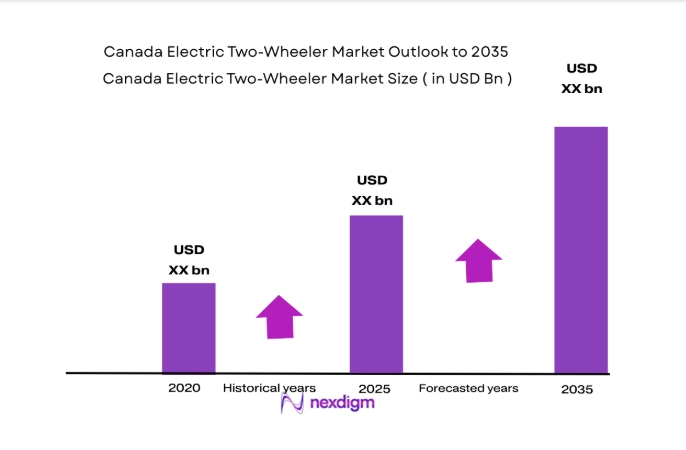
The Canada Electric Two-Wheeler Market is expected to see significant growth driven by increasing adoption due to sustainability concerns and government incentives. Market demand is primarily fueled by the rise of eco-conscious consumers and advancements in electric vehicle technology. In terms of market size, based on a recent historical assessment, the market value is estimated to be over USD ~ billion, reflecting the growing interest in clean energy alternatives and the push towards decarbonization in the transportation sector.
Canada’s major cities, such as Vancouver, Toronto, and Montreal, are leading the adoption of electric two-wheelers due to urban mobility challenges and governmental support. These cities benefit from well-established public transportation infrastructure and a commitment to sustainable energy solutions. Additionally, regions with favorable climates for electric vehicle usage, along with a high concentration of environmentally conscious consumers, have accelerated growth in these areas.
Market Segmentation
By Product Type
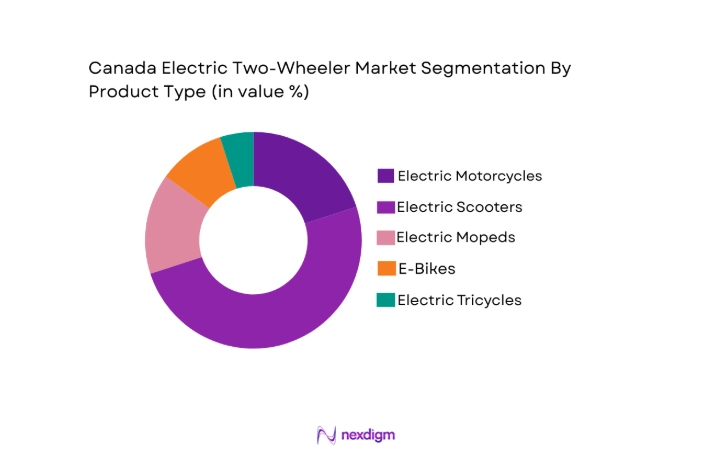
The Canada electric two-wheeler market is segmented by product type into electric motorcycles, electric scooters, electric mopeds, electric bicycles, and electric tricycles. Electric scooters dominate the market due to their affordability, convenience, and ability to maneuver through urban traffic efficiently. These vehicles are ideal for short-distance commutes, particularly in cities, and are gaining popularity among consumers who are increasingly seeking eco-friendly alternatives to traditional gasoline-powered vehicles. The growing availability of charging stations and favorable government incentives have further bolstered the adoption of electric scooters in urban areas.
By Platform Type
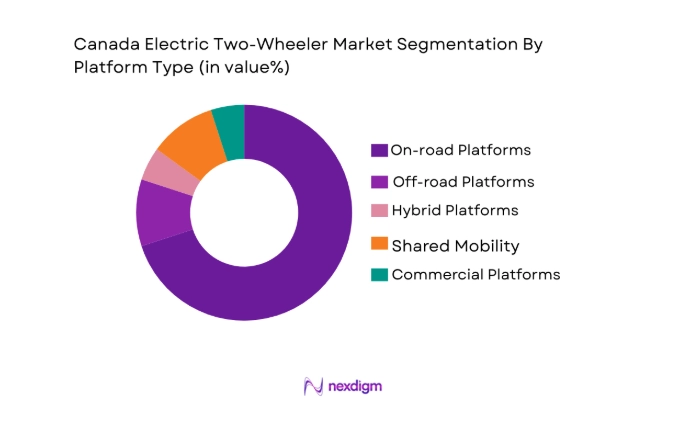
The Canada electric two-wheeler market is further segmented by platform type into on-road, off-road, hybrid, shared mobility, and commercial platforms. The on-road platform holds the largest market share due to its popularity for commuting in urban environments. Electric two-wheelers designed for on-road use offer practical solutions for daily short-distance travel, especially with urban congestion becoming a growing concern. Shared mobility services, such as e-scooter and e-bike rentals, are gaining traction, further driving market growth. These platforms are suitable for people who prefer flexible, short-term use without the need for long-term ownership.
Competitive Landscape
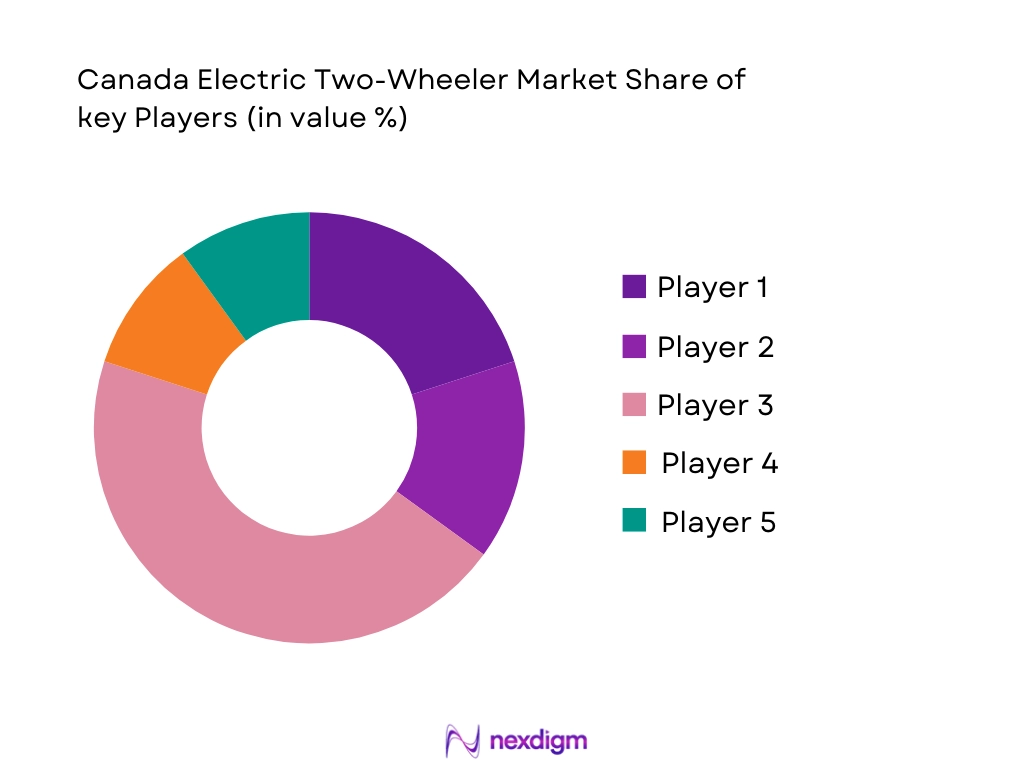
The competitive landscape of the Canada Electric Two-Wheeler Market is shaped by consolidation, with several major players dominating the market. These companies are focusing on innovation, technology integration, and developing long-lasting partnerships with local stakeholders to increase their market presence. As the market continues to evolve, the influence of leading global manufacturers remains significant, helping to drive technological advancements and infrastructure expansion in Canada.
| Company Name | Establishment Year | Headquarters | Technology Focus | Market Reach | Key Products | Revenue (USD) | Additional Market-Specific Parameter |
| Zero Motorcycles | 2006 | California, USA | ~ | ~ | ~ | ~ | ~ |
| Hero Electric | 2007 | India | ~ | ~ | ~ | ~ | ~ |
| TVS Motor Company | 1978 | India | ~ | ~ | ~ | ~ | ~ |
| Energica Motor Company | 2014 | Italy | ~ | ~ | ~ | ~ | ~ |
| NIU Technologies | 2014 | China | ~ | ~ | ~ | ~ | ~ |
Canada Electric Two-Wheeler Market Analysis
Growth Drivers
Government Incentives
Government policies and incentives play a major role in driving the growth of the electric two-wheeler market in Canada. Several provinces have adopted subsidies, rebates, and tax exemptions to encourage the purchase of electric vehicles. These financial incentives lower the cost of ownership for consumers, making electric two-wheelers an attractive option compared to traditional vehicles. Furthermore, provincial governments are introducing regulations and green transportation initiatives that aim to reduce carbon emissions and promote sustainability. The push to meet carbon neutrality targets also boosts the market by making electric vehicles an essential part of the future transport ecosystem. The reduction of greenhouse gas emissions from transportation fuels, especially in urban areas, aligns well with the Canadian government’s environmental goals. Moreover, incentives that include rebates for purchasing electric vehicles are growing, further encouraging adoption. The government has also been actively working on the development of charging infrastructure, which is a critical factor in the overall growth of the market. These incentives will continue to drive the market’s growth as they support consumers’ transition to sustainable modes of transport.
Technological Advancements
Technological advancements in battery efficiency, range, and charging infrastructure have made electric two-wheelers more attractive to consumers. The development of long-range batteries allows electric two-wheelers to cover more kilometers on a single charge, which directly addresses one of the major concerns of potential customers. Additionally, improvements in charging infrastructure have made it easier for consumers to charge their electric two-wheelers at home or at public charging stations. Rapid technological innovations in battery technology also reduce the overall weight of the vehicles while improving their performance, which enhances the appeal of electric two-wheelers. Charging time has also decreased, making the transition to electric vehicles more convenient for users. Furthermore, new smart features such as app integration, GPS tracking, and improved safety systems are being incorporated into electric two-wheelers, offering added value to consumers. These technological advancements are driving the growth of the market by making electric two-wheelers more efficient, convenient, and appealing to a wider audience.
Market Challenges
Charging Infrastructure
One of the major challenges faced by the Canadian electric two-wheeler market is the insufficient charging infrastructure. While electric vehicle adoption is increasing, there remains a lack of widespread and accessible charging stations across Canada, especially in rural and remote areas. This challenge creates a barrier to the widespread use of electric two-wheelers, as potential consumers worry about running out of battery power in areas without adequate charging options. Many consumers in rural areas may feel hesitant to switch to electric vehicles because of the fear of limited charging access, which restricts the market’s expansion. This issue is more prominent in provinces outside the major urban centers, where the availability of charging stations is relatively scarce. Although the government is working on expanding charging infrastructure, it will take time before sufficient charging stations are available across the country. The lack of standardization in charging infrastructure further complicates matters for consumers, as various charging networks may not be compatible with all types of electric vehicles. Addressing this challenge requires significant investments from both private and public sectors to expand charging infrastructure and provide a seamless charging experience for electric two-wheeler users.
Battery Cost
High battery cost remains another major challenge that hinders the growth of the electric two-wheeler market in Canada. The cost of batteries accounts for a significant portion of the overall price of electric two-wheelers, making them more expensive than their traditional counterparts. Although the cost of batteries has decreased over the years, it still remains a major concern for consumers, especially in price-sensitive markets. The high cost of batteries translates to higher retail prices for electric two-wheelers, which may discourage potential customers from making the switch from gasoline-powered vehicles. While government incentives help reduce the initial cost of electric vehicles, the overall price difference between electric two-wheelers and traditional vehicles may still be a deterrent for many consumers. Furthermore, the performance and lifespan of batteries also play a key role in determining the total cost of ownership of electric vehicles. The need for frequent battery replacements or repairs due to performance degradation is another factor that could discourage potential buyers. Manufacturers must focus on developing cheaper, more efficient, and longer-lasting batteries to make electric two-wheelers more affordable and appealing to a larger customer base.
Opportunities
Expansion of Urban Mobility
The urban mobility trend presents a significant opportunity for the growth of the electric two-wheeler market in Canada. With rising urbanization, there is an increasing demand for more efficient, affordable, and sustainable transportation options. Electric two-wheelers offer an excellent solution for short-distance commuting within cities, where traffic congestion and pollution are major concerns. The growing adoption of shared mobility services, including e-scooters and e-bikes, also presents an opportunity to expand the market further, especially in densely populated urban centers. These services are gaining popularity as consumers look for convenient alternatives to traditional forms of transport like cars and public transit. The flexibility and affordability of electric two-wheelers make them an ideal mode of transportation for short trips, reducing the need for cars in urban areas. With increasing government support for green transportation and the rise in the number of electric vehicle charging stations, electric two-wheelers are well-positioned to meet the demands of modern urban commuters. This shift towards electric vehicles in urban areas is expected to drive market growth in the coming years.
Focus on Sustainable Transportation
Another key opportunity for the Canada electric two-wheeler market is the growing focus on sustainable transportation. With climate change concerns becoming more pressing, both consumers and businesses are looking for more eco-friendly alternatives to traditional gasoline-powered vehicles. Electric two-wheelers are seen as an ideal solution to reduce carbon emissions and contribute to the sustainability goals set by governments and corporations. The increasing popularity of electric vehicles is part of a larger movement towards cleaner, greener transportation options. Consumers are becoming more conscious of their environmental impact and are actively seeking out sustainable modes of transport. The availability of electric two-wheelers that are both affordable and efficient makes them an attractive alternative to traditional vehicles. As environmental regulations become stricter and more incentives are offered to promote green vehicles, the demand for electric two-wheelers is expected to rise. Manufacturers that focus on producing environmentally friendly and energy-efficient vehicles are well-positioned to capitalize on the growing demand for sustainable transportation options.
Future Outlook
The future outlook for the Canada Electric Two-Wheeler Market is positive, driven by increasing urbanization, technological advancements, and continued regulatory support. The market is expected to witness robust growth as more cities adopt sustainable transport solutions, offering opportunities for new product innovations and infrastructure development. Technological improvements in battery performance and charging speed will make electric two-wheelers even more practical and attractive to consumers. As the demand for environmentally friendly transportation solutions continues to rise, the Canadian government’s commitment to clean energy initiatives and carbon emission reductions will support the expansion of the market. Additionally, the rise of shared mobility models and partnerships between manufacturers and tech firms will further drive adoption, ensuring the market’s continued success in the years ahead.
Major Players
- Zero Motorcycles
- Hero Electric
- TVS Motor Company
- Energica Motor Company
- NIU Technologies
- Bajaj Auto
- Ampere Vehicles
- Okinawa Autotech
- Revvi Electric
- Yadea Group
- KTM AG
- BMW Motorrad
- Honda Motor Co.
- Piaggio Group
- Super Soco
Key Target Audience
- Investments and venture capitalist firms
- Government and regulatory bodies
- Electric vehicle infrastructure providers
- Urban commuters seeking green transportation
- Delivery & logistics companies
- Shared mobility platform operators
- Private vehicle owners
- Retailers and distributors of electric two-wheelers
Research Methodology
Step 1: Identification of Key Variables
This step involves identifying the key variables impacting the electric two-wheeler market, including technological advancements, government policies, and consumer behavior trends.
Step 2: Market Analysis and Construction
In this step, the market size, growth drivers, and challenges are analyzed, and a comprehensive market model is constructed based on primary and secondary research.
Step 3: Hypothesis Validation and Expert Consultation
This step involves validating hypotheses through consultations with industry experts and stakeholders to refine the market models and ensure accuracy.
Step 4: Research Synthesis and Final Output
The final step synthesizes the research findings, generating the comprehensive market report with actionable insights for stakeholders.

- Executive Summary
- Research Methodology (Definitions, Scope, Industry Assumptions, Market Sizing Approach, Primary & Secondary Research Framework, Data Collection & Verification Protocol, Analytic Models & Forecast Methodology, Limitations & Research Validity Checks)

- Market Definition and Scope
- Value Chain & Stakeholder Ecosystem
- Regulatory / Certification Landscape
- Sector Dynamics Affecting Demand
- Strategic Initiatives & Infrastructure Growth

- Growth Drivers
Government Incentives and Subsidies for EV Adoption
Technological Advancements in Battery and Charging Infrastructure
Rising Fuel Prices Driving Demand for Electric Mobility
Urbanization and the Need for Sustainable Transportation
Growing Awareness of Environmental Impact and Carbon Footprint Reduction - Market Challenges
High Initial Cost of Electric Two-Wheelers
Limited Charging Infrastructure, Especially in Rural Areas
Battery Life and Charging Time Concerns
Regulatory Barriers and Import Tariffs on Electric Vehicles
Limited Consumer Awareness and Education on Electric Two-Wheelers - Market Opportunities
Integration of Solar Charging Stations for Electric Two-Wheelers
Increase in Shared Mobility and Micro-mobility Platforms - Trends
Growing Popularity of E-scooters and E-motorcycles
Adoption of Subscription Models for Electric Two-Wheelers
Integration of IoT for Smart Electric Two-Wheelers
Shift Towards Eco-friendly Last-mile Delivery Solutions
Increased Focus on Sustainable Battery Recycling Practices - Government Regulations & Defense Policy
Zero-Emission Vehicle Mandates in Urban Areas
Government Support for Charging Infrastructure Development
Incentives for Electric Two-Wheeler Manufacturers and Consumers - SWOT Analysis
- Stakeholder and Ecosystem Analysis
- Porter’s Five Forces Analysis
- Competition Intensity and Ecosystem Mapping

- By Market Value, 2020-2025
- By Installed Units, 2020-2025
- By Average System Price, 2020-2025
- By System Complexity Tier, 2020-2025

- By System Type (In Value%)
Battery Electric Two-Wheelers
Hybrid Electric Two-Wheelers
Plug-in Hybrid Electric Two-Wheelers
Electric Scooters
Electric Motorcycles - By Platform Type (In Value%)
Urban Mobility Platforms
Long-Distance Commuting Platforms
Shared Mobility Platforms
Commercial Fleet Platforms
Private Ownership Platforms - By Fitment Type (In Value%)
On-road Electric Two-Wheelers
Off-road Electric Two-Wheelers
Foldable Electric Two-Wheelers
Customizable Electric Two-Wheelers
High-Performance Electric Two-Wheelers - By End User Segment (In Value%)
Urban Commuters
Delivery & Logistics Companies
Shared Mobility Providers
Private Vehicle Owners
Government & Public Sector - By Procurement Channel (In Value%)
Direct Procurement
Dealerships
Online Platforms
Government Tenders
Third-party Distributors - By Material / Technology (in Value%)
Lithium-ion Batteries
Solid-state Batteries
Swappable Batteries
Electric Motors (Hub Motors)
Regenerative Braking Systems

- Market structure and competitive positioning
Market share snapshot of major players - Cross Comparison Parameters (Battery Technology, Range, Price, Charging Time, Durability, Brand Reputation, Market Reach, Design, User Experience)
- SWOT Analysis of Key Competitors
- Pricing & Procurement Analysis
- Key Players
Zero Motorcycles
Harley-Davidson
Energica Motor Company
Alta Motors
Bajaj Auto
Hero Electric
TVS Motor Company
Ampere Vehicles
Okinawa Autotech
NIU Technologies
Revvi Electric
Yadea Group
KTM AG
BMW Motorrad
Honda Motor Co.

- Urban Commuters Seeking Cost-effective, Eco-friendly Transport
- Delivery & Logistics Companies Looking for Efficient Fleet Solutions
- Shared Mobility Providers Capitalizing on Rising EV Adoption
- Private Vehicle Owners Focusing on Long-term Cost Savings

- Forecast Market Value, 2026-2035
- Forecast Installed Units, 2026-2035
- Price Forecast by System Tier, 2026-2035
- Future Demand by Platform, 2026-2035


 Request a Sample
 Ask for Customization
 Get a Quote
 Enquire Now