
 Download PDF
Market Overview
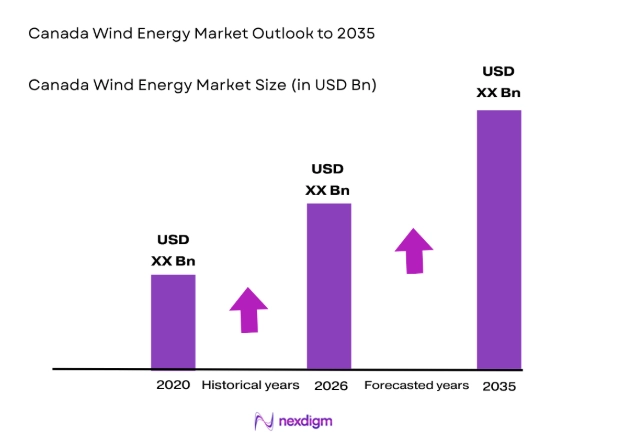
The Canada Wind Energy market is projected to reach approximately USD ~ billion based on a recent historical assessment. This market is driven by strong governmental support for renewable energy projects, especially through incentives such as the Clean Energy Investment Fund and other provincial policies promoting wind energy installations. Technological advancements in wind turbine efficiency, cost reductions, and the rising demand for clean energy solutions are key contributors to the market’s growth. The wind energy sector is also encouraged by the Canadian government’s ambitious emissions reduction targets.
Ontario, Quebec, and Alberta are the leading regions driving the growth of the Canada Wind Energy market. Ontario, with its large open landscapes and favorable policies, has become the hub for wind energy projects. Quebec benefits from significant hydroelectric and wind resources, while Alberta, with its vast land area and strong wind energy potential, is increasingly investing in renewable energy, making these provinces key players in the wind energy sector. These regions have been pivotal in advancing wind energy adoption across Canada due to strong infrastructure and local government support.
Market Segmentation
By Wind Type
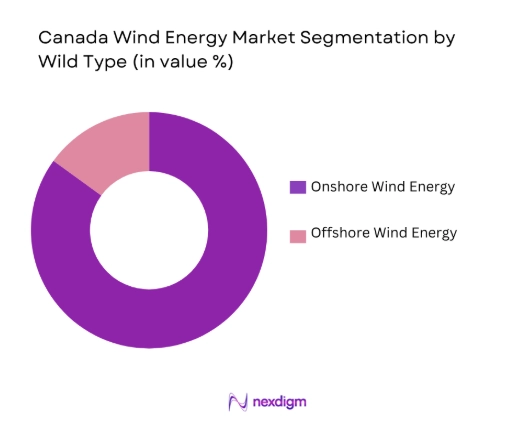
The Canada Wind Energy market is segmented by wind type into onshore wind energy and offshore wind energy. Recently, onshore wind energy has dominated the market due to its cost-effectiveness and the availability of suitable land for large-scale installations. Onshore projects are more financially feasible, with shorter permitting processes compared to offshore projects. While offshore wind energy is an emerging segment with substantial growth potential, it currently represents a smaller portion of the market, with the focus primarily on onshore wind energy installations driven by demand for large-scale renewable energy solutions.
By End-User
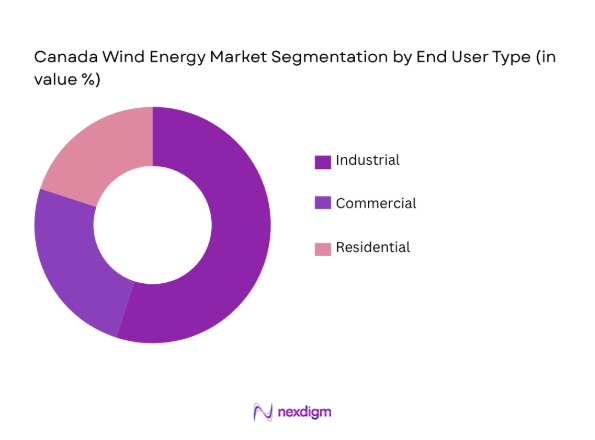
The Canada Wind Energy market is segmented by end-user into residential, commercial, and industrial sectors. The industrial sector has seen the largest growth in recent years, driven by increased demand for renewable energy and the need to reduce carbon footprints across large-scale manufacturing and energy-intensive industries. Many companies in the industrial sector are investing in renewable energy systems, including wind energy, to meet sustainability goals and comply with governmental emissions regulations. The growing availability of renewable energy certificates and tax incentives has made industrial wind energy projects more viable.
Competitive Landscape
The competitive landscape of the Canada Wind Energy market is characterized by a mix of established global players and emerging local companies. There is a focus on technological advancements in turbine design, grid integration solutions, and energy storage. The market is becoming increasingly competitive, with major players investing in wind energy projects, partnerships, and acquisitions to strengthen their market positions. Government policies and incentives are further accelerating the growth of the wind energy sector, encouraging companies to innovate and adopt sustainable practices in line with Canada’s renewable energy targets.
| Company Name | Establishment Year | Headquarters | Technology Focus | Market Reach | Key Products | Revenue (USD Billion) | Market-Specific Parameter |
| Siemens Gamesa | 1976 | Zamudio, Spain | ~ | ~ | ~ | ~ | ~ |
| Vestas | 1945 | Aarhus, Denmark | ~ | ~ | ~ | ~ | ~ |
| GE Renewable Energy | 2002 | Schenectady, USA | ~ | ~ | ~ | ~ | ~ |
| Northland Power | 1987 | Toronto, Canada | ~ | ~ | ~ | ~ | ~ |
| TransAlta | 1909 | Calgary, Canada | ~ | ~ | ~ | ~ | ~ |
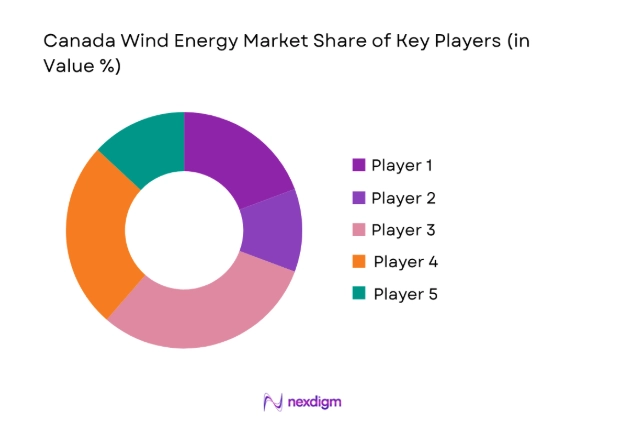 Canada Wind Energy Market Analysis
Growth Drivers
Government Policies and Incentives
Government policies and incentives are the primary drivers of the Canada Wind Energy market. The Canadian government has committed to reducing greenhouse gas emissions and increasing the share of renewable energy in its overall energy mix. To support this transition, the government provides several programs, including financial incentives, tax credits, and renewable energy certificates. These incentives make wind energy projects financially viable and attractive to investors. Additionally, provincial governments in regions like Ontario and Quebec have set ambitious renewable energy targets, driving demand for wind energy projects. These government-driven policies not only create favorable market conditions but also help reduce the financial risks associated with large-scale wind energy investments. As Canada’s climate action goals become more stringent, the demand for wind energy is expected to grow, driving further investments in the market.
Technological Advancements in Wind Energy
Technological advancements in wind turbine efficiency and grid integration are critical growth drivers for the Canada Wind Energy market. Wind turbines have become more efficient, with advancements in blade design, materials, and aerodynamics leading to higher energy yields. Additionally, innovations in digital technology, including predictive maintenance and monitoring systems, have improved the performance and reliability of wind farms. These advancements reduce operational costs and increase the overall efficiency of wind energy generation. Furthermore, the development of energy storage systems and grid integration solutions is enabling wind energy to be more reliably incorporated into Canada’s power grid, ensuring a stable energy supply. As the technology continues to evolve, wind energy becomes a more competitive and attractive option for both large-scale utilities and smaller projects, driving further adoption in Canada.
Market Challenges
High Initial Capital Costs
One of the primary challenges in the Canada Wind Energy market is the high initial capital costs for wind farm development. While the operational costs of wind energy are relatively low, the initial investment required to build wind farms—especially in remote areas where wind resources are optimal—can be significant. The costs associated with land acquisition, permitting, infrastructure development, and the installation of turbines can deter potential investors. Additionally, while wind energy technology has become more cost-effective over time, financial constraints can still be a barrier for smaller developers or projects in regions with limited government incentives. To address this challenge, it is crucial to attract private sector investments and implement financing mechanisms that reduce the upfront financial burden, making wind energy projects more accessible.
Grid Integration and Energy Storage
The integration of wind energy into the existing power grid presents significant challenges for the Canada Wind Energy market. Wind energy is intermittent, meaning its production varies based on wind conditions, which can cause fluctuations in energy generation. This intermittency makes it difficult to maintain grid stability, as conventional power plants cannot always compensate for sudden drops in wind energy production. The lack of sufficient energy storage systems to store excess wind power further exacerbates this issue. Expanding and modernizing Canada’s electrical grid to better integrate renewable energy, along with investing in advanced energy storage technologies, is essential for overcoming this challenge and ensuring that wind energy can contribute reliably to the power mix.
Opportunities
Offshore Wind Energy Development
Offshore wind energy presents a significant opportunity for the growth of the Canada Wind Energy market. Canada’s coastline along the Atlantic Ocean, Pacific Ocean, and the Great Lakes offers vast potential for offshore wind energy development. Offshore wind farms benefit from higher and more consistent wind speeds, which can increase the efficiency of energy production compared to onshore projects. The Canadian government has committed to expanding offshore wind energy as part of its clean energy goals, providing opportunities for investment in new technologies and infrastructure. While offshore wind energy development in Canada is still in its early stages, it is expected to become a major component of the country’s renewable energy future as technological advancements and regulatory support continue to evolve.
Wind-Hydrogen Integration
The integration of wind energy with hydrogen production presents a promising opportunity for Canada’s energy transition. Wind energy can be used to power electrolyzers, which split water into hydrogen and oxygen, creating green hydrogen. Hydrogen can then be used as a clean energy carrier in industries that are hard to decarbonize, such as steel, cement, and heavy transport. This approach is particularly attractive for Canada, which has an abundant supply of renewable energy resources and is seeking to reduce its industrial emissions. As global demand for hydrogen grows, Canada has the potential to become a leading producer and exporter of green hydrogen, creating new opportunities for wind energy projects and boosting the adoption of clean energy technologies.
Future Outlook
The future of the Canada Wind Energy market is positive, with significant growth expected due to technological advancements and favorable government policies. The continued expansion of wind energy, especially offshore wind, will play a crucial role in achieving Canada’s climate action targets. With a focus on grid integration, energy storage, and the development of wind-powered hydrogen solutions, Canada is poised to become a leader in the global renewable energy market. The next five years will see an increase in investments in both onshore and offshore wind projects, driven by market demand, technological advancements, and supportive governmental initiatives.
Major Players
- Siemens Gamesa
- Vestas
- GE Renewable Energy
- Nordex
- Ørsted
- TransAlta
- Brookfield Renewable Partners
- NextEra Energy
- Northland Power
- Pattern Energy
- Innergex Renewable Energy
- Enbridge
- EDF Renewables
- Boralex
- Capital Power
Key Target Audience
- Investment and venture capitalist firms
- Government and regulatory bodies
- Energy producers and developers
- Independent power producers
- Renewable energy equipment manufacturers
- Wind turbine technology providers
- Large-scale energy consumers
Research Methodology
Step 1: Identification of Key Variables
Identification of key drivers, challenges, and regulatory factors affecting the Canada Wind Energy market, including technological trends and market dynamics.
Step 2: Market Analysis and Construction
Comprehensive analysis of the market, including segmentation by wind type, end-user sectors, and technological advancements, with a focus on both onshore and offshore wind energy.
Step 3: Hypothesis Validation and Expert Consultation
Consultation with industry experts, wind developers, and governmental bodies to validate market assumptions and ensure accurate market forecasting.
Step 4: Research Synthesis and Final Output
Synthesis of the data gathered from primary and secondary research into a comprehensive market report, providing actionable insights and strategic recommendations for stakeholders.

- Executive Summary
- Research Methodology (Definitions, Scope, Industry Assumptions, Market Sizing Approach, Primary & Secondary Research Framework, Data Collection & Verification Protocol, Analytic Models & Forecast Methodology, Limitations & Research Validity Checks)

- Market Definition and Scope
- Value Chain & Stakeholder Ecosystem
- Regulatory / Certification Landscape
- Sector Dynamics Affecting Demand

- Growth Drivers
Rising Demand for Renewable Energy
Government Incentives for Wind Energy
Technological Advancements in Wind Turbines - Market Challenges
High Capital Investment for Offshore Wind
Regulatory Barriers and Permitting Issues
Intermittency of Wind Energy - Market Opportunities
Expansion in Offshore Wind Projects
Development of Floating Wind Farms
Integration with Energy Storage Solutions - Trends
Increasing Investment in Offshore Wind
Adoption of Advanced Turbine Technologies - Government Regulations
- SWOT Analysis
- Porter’s Five Forces

- By Market Value, 2020-2025
- By Installed Units, 2020-2025
- By Average System Price, 2020-2025
- By System Complexity Tier, 2020-2025

- By System Type (In Value%)
Onshore Wind Systems
Offshore Wind Systems
Hybrid Wind Systems
Small-scale Wind Systems
Utility-scale Wind Systems - By Platform Type (In Value%)
Onshore Platforms
Offshore Platforms
Floating Platforms
Integrated Platforms - By Fitment Type (In Value%)
Fixed Solutions
Floating Solutions
Modular Solutions
Hybrid Solutions - By End User Segment (In Value%)
Private Sector
Government Agencies
Energy Utilities

- Market structure and competitive positioning
- Market share snapshot of major players
- Cross Comparison Parameters (System Type, Platform Type, Procurement Channel, End User Segment, Fitment Type, Technological Integration, Installation Scale, Installed Capacity & Global Position, Growth Rate & Forecasts, Market Penetration & Energy Mix Impact, Technology & Market Structure)
- SWOT Analysis of Key Competitors
- Pricing & Procurement Analysis
- Key Players
Siemens Gamesa
Vestas
GE Renewable Energy
Nordex
Suzlon
MHI Vestas Offshore Wind
NextEra Energy
Orsted
Enel Green Power
EDF Renewables
Iberdrola
Boralex
Brookfield Renewable Partners
Ørsted
Invenergy

- Private Sector’s Role in Wind Energy Adoption
- Energy Utilities Increasing Investments
- Government’s Active Role in Project Approvals
- Rise of Distributed Wind Energy Systems

- Forecast Market Value, 2026-2035
- Forecast Installed Units, 2026-2035
- Price Forecast by System Tier, 2026-2035
- Future Demand by Platform, 2026-2035


 Request a Sample
 Ask for Customization
 Get a Quote
 Enquire Now