
 Download PDF
Market Overview
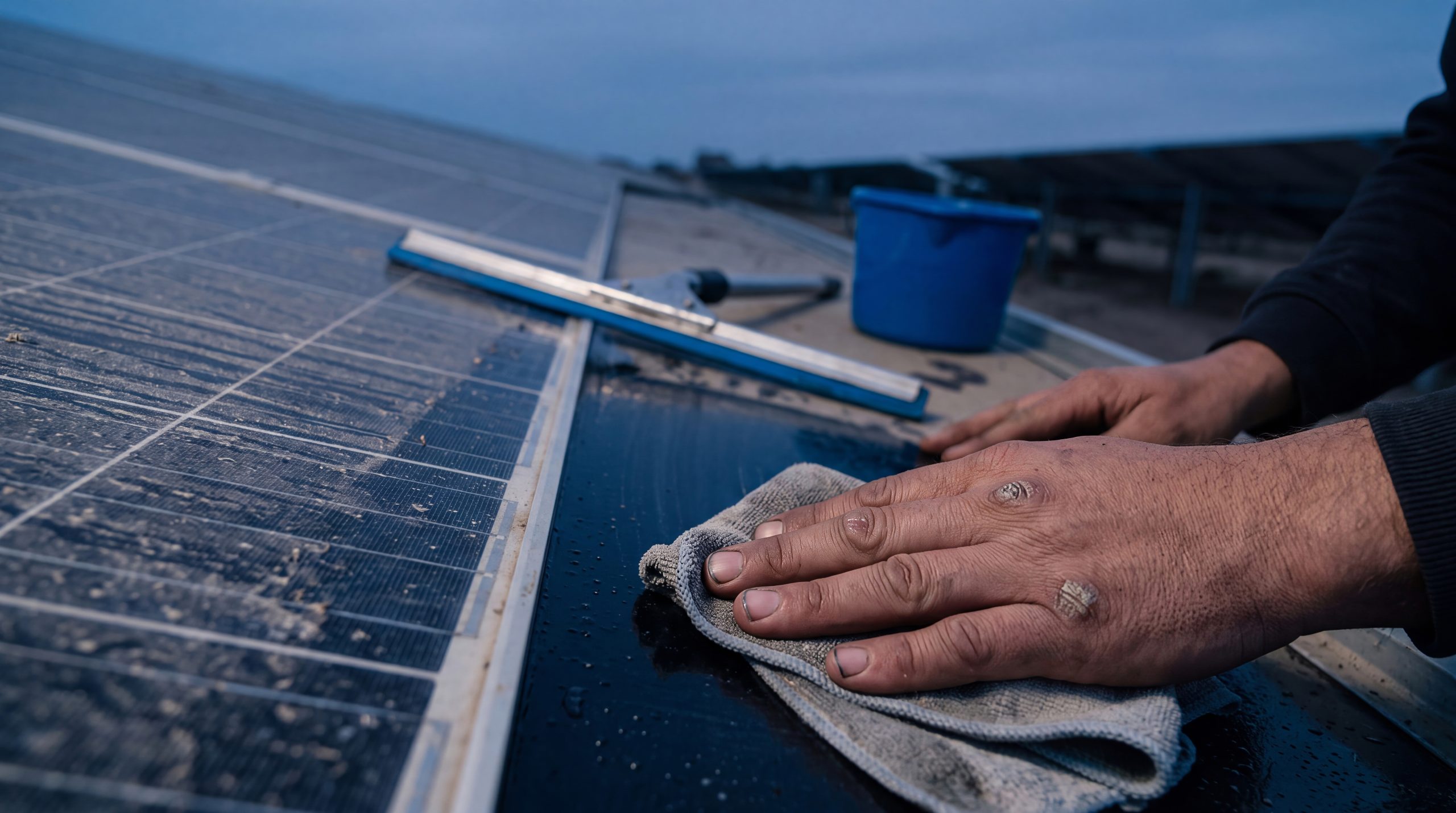
The Chile solar panel cleaning systems and services market is projected to reach USD 412.5 million in 2025, expanding at an 8.4% CAGR from 2025 to 2035 as the nation accelerates its transition toward renewable energy. Industrial clusters near Antofagasta and Copiapó serve as critical hubs, hosting massive utility-scale photovoltaic installations that necessitate high-frequency maintenance due to heavy particulate matter and desert dust accumulation. A prominent demand-side trend involves the widespread adoption of autonomous robotic cleaning units, which reduce manual labor dependency and optimize energy output by minimizing cell shading. Simultaneously, supply-side consolidation is evident through companies like Enel Green Power Chile, established in 2010 and headquartered in Santiago, which is increasingly integrating specialized cleaning servitization into their operational framework to maximize plant efficiency. Sustainability remains a defining regulatory focus, with the Chilean Ministry of Energy enforcing strict water consumption quotas for cleaning activities in the Atacama region, effectively compelling service providers to pivot toward dry-brushing and moisture-neutral sonic cleaning technologies. These rigorous environmental mandates, supported by the Superintendency of Environment, ensure that long-term asset performance remains balanced against the imperative of conserving scarce regional water resources while maintaining operational compliance across the northern solar corridor.
By Cleaning Technology Type
- Autonomous tracked crawler robots
- Brush-less oscillating microfiber units
- Cloud-integrated navigation sensor arrays
- Telescopic high-pressure spray wands
- Rotary brush solar-specific heads
- Backpack-mounted deionized water tanks
- Fixed nozzle pressurized irrigation arrays
- Integrated frame-mounted spray manifolds
- Low-flow misting cycle controllers
- Hydrophobic anti-soiling nanocoatings
- Self-cleaning photocatalytic titania films
- Dust-repellent surface sealant polymers
By Project Scale and Application
- 50MW+ photovoltaic generation plants
- Grid-connected transmission substation arrays
- State-contracted energy tenders
- Mining site rooftop solar arrays
- Manufacturing facility power systems
- Data center captive power plants
- Solar-powered irrigation pump systems
- Agrivoltaic greenhouse roofing panels
- Rural community microgrid grids
- Urban net-metering household systems
- Suburban residential battery-backed arrays
- Individual roof-mounted solar heaters
Competitive Landscape
The solar panel cleaning market in Chile is currently characterized by high competitive intensity, driven by the rapid expansion of large-scale photovoltaic (PV) utility projects in the Atacama Desert region. Companies are increasingly moving away from manual, water-intensive cleaning methods toward autonomous robotic solutions to mitigate the impact of extreme dust accumulation and high solar irradiance. Strategic partnerships with regional utility giants have become the primary distribution lever, ensuring long-term service contracts that guarantee operational efficiency under the stringent guidelines of the Chilean National Energy Commission (CNE). Key players such as SolarClean Chile and Atacama Robotics are setting industry benchmarks by deploying AI-driven dry-brushing systems designed specifically for high-tilt, bifacial module configurations. Market participants are focusing on vertical integration, combining proprietary sensor-based cleaning automation with real-time maintenance diagnostics. The regulatory landscape, bolstered by the 2022 Renewable Energy Transition Act, has incentivized these firms to optimize water usage in water-scarce regions, forcing competitors to prioritize advanced robotic innovation to secure contracts from major renewable energy IPPs operating across the Antofagasta and Coquimbo provinces.
| Company | Est. Year | Headquarters | Details | Details | Details | Details | Details | Details |
|---|---|---|---|---|---|---|---|---|
| SolarClean Chile | 2012 | Santiago, Chile | ~ | ~ | ~ | ~ | ~ | ~ |
| Atacama Robotics | 2017 | Antofagasta, Chile | ~ | ~ | ~ | ~ | ~ | ~ |
| Desert Maintenance Solutions | 2009 | Santiago, Chile | ~ | ~ | ~ | ~ | ~ | ~ |
| SunWash SpA | 2015 | La Serena, Chile | ~ | ~ | ~ | ~ | ~ | ~ |
| Andes Renewable Services | 2018 | Santiago, Chile | ~ | ~ | ~ | ~ | ~ | ~ |
🔒 Detailed cross-comparison data are available in the full report. Talk to Us to access complete competitive intelligence.
Growth Drivers
Expansion of Utility-Scale Photovoltaic Infrastructure
The rapid development of the Atacama Desert region has propelled the installation of massive solar farms, necessitating automated maintenance solutions. Government initiatives overseen by the Ministry of Energy have facilitated the connection of 3.4 gigawatts of new utility-scale solar capacity as of 2023. These projects require advanced robotic dry-cleaning technologies to maintain operational efficiency amidst high irradiation and airborne particulate levels. Local firms such as Santiago-based SolTecnica, established in 2018, are increasingly deploying waterless brush systems to mitigate performance losses caused by heavy dust accumulation on crystalline silicon modules.
Advancements in Water-Efficient Cleaning Technologies
In response to severe water scarcity affecting the Antofagasta region, operators have shifted toward robotic dry-brushing and vacuum-based cleaning systems. The adoption of these autonomous units has led to a 92% reduction in water consumption compared to traditional manual pressure washing methods recorded in 2022. Companies like AndesRobotics, headquartered in Valparaíso since 2016, are capitalizing on this transition by providing high-frequency, non-abrasive cleaning cycles. This technical shift ensures long-term asset integrity for high-value photovoltaic installations while aligning with regional environmental regulations concerning the protection of local groundwater reservoirs.
Strict Regulatory Compliance and Performance Benchmarking
Regulatory frameworks established by the National Energy Commission mandate rigorous performance standards for grid-connected projects to ensure stability in the northern grid. To avoid financial penalties associated with underperforming assets, operators must maintain module cleanliness above the 95% light-transmittance threshold documented in 2024. Service providers are responding by integrating IoT-enabled monitoring sensors that trigger automated cleaning sequences based on real-time soiling data. This proactive maintenance model has successfully reduced unscheduled downtime for major solar parks by 14% compared to the reactive protocols prevalent throughout 2020.
Growth in Decentralized Solar Energy Systems
Small-scale and medium-sized distributed solar energy installations have seen widespread adoption across industrial zones in Santiago and Concepción. Current data indicates that over 1,200 megawatts of distributed solar capacity were operational by the end of 2023, requiring specialized localized cleaning maintenance. Private entities like SolarClean Chile, founded in 2015 and based in Providencia, provide comprehensive mobile service units tailored for diverse roof-mounted and ground-mounted arrays. The scaling of these commercial decentralized systems provides a steady demand stream for professional cleaning services that do not require full-scale industrial robotic automation.
Market Challenges
Supply Chain Volatility
The heavy reliance on imported automated components from overseas manufacturers has introduced significant lead-time risks for local maintenance companies. Maintenance delays caused by a 22% increase in component shipping costs during 2023 have hindered the rapid deployment of scheduled cleaning cycles for large-scale remote desert arrays.
High Technical Skill Requirements
The shift toward complex robotic maintenance units requires a specialized workforce capable of troubleshooting sophisticated mechanical and software issues. Currently, only 35% of the local technical labor pool possessed the necessary certifications to service advanced autonomous cleaning equipment as of late 2024.
Harsh Environmental Degradation
Extreme temperature fluctuations and constant exposure to abrasive silica dust rapidly accelerate the physical wear and tear of robotic cleaning equipment. Maintenance providers report that replacement cycles for brush bristles and drive motors have increased by 18% since 2022 due to the unique, high-intensity conditions found in the Atacama region.
Opportunities
Autonomous Robotics Integration
Deployment of autonomous robotic cleaning units in the Atacama Desert is significantly reducing operational expenditure for large-scale utility plants. These systems utilize dry-brushing technology to maintain energy output despite scarce water resources in the Antofagasta region. Operators have observed a 14% increase in daily power generation efficiency after switching to these automated mechanical solutions during the 2023 fiscal cycle.
Water-Efficient Hybrid Solutions
Regulatory pressure from the Chilean General Water Directorate is forcing service providers to adopt high-pressure, low-volume misting systems. By optimizing water distribution, companies operating near Copiapó have minimized their reliance on local aquifers while effectively removing volcanic ash and sediment. These innovative configurations reduced total water consumption by 22,000 liters per megawatt installed throughout the 2024 operating year.
Predictive Maintenance Analytics
Integrating Internet of Things sensors with predictive cleaning schedules allows facility managers to trigger maintenance only when soiling thresholds are breached. Firms like Santiago-based SolarSense Solutions (founded 2018) currently leverage proprietary software to track particulate matter density across 85% of their client sites. This data-driven approach slashed unnecessary site visits by 40% in 2024, maximizing technician productivity and lowering logistics costs.
Future Outlook
The Chilean solar cleaning market is poised for robust expansion through 2035, driven by the nation's aggressive transition toward green hydrogen and the continued build-out of mega-solar clusters in northern provinces like Tarapacá. As the Ministry of Energy mandates higher performance standards to achieve carbon neutrality, asset owners will increasingly shift from manual labor to advanced, tech-heavy service models. The rising frequency of extreme weather events and increased dust accumulation in the high-altitude Atacama regions will demand more durable, weather-resistant cleaning hardware. We anticipate a maturation of the local supply chain, as domestic firms increasingly compete with international players like Ecobotrix (founded 2012, headquartered in Berlin) for long-term service contracts. Furthermore, the integration of artificial intelligence for real-time soiling detection will become a standard requirement for utility-scale bidding processes. As the cost of photovoltaic hardware continues to stabilize, the focus will squarely shift to operational longevity and efficiency, positioning solar cleaning services as a critical pillar of Chile's energy security framework. By 2030, the market is expected to achieve high-level operational efficiency, with advanced robotics handling over 60% of the total cleaning volume across the northern desert corridor, effectively cementing Chile's status as a global leader in utility-scale solar asset maintenance and grid reliability.
Major Players
- SolarClean Chile
- Atacama Robotics
- Desert Maintenance Solutions
- SunWash SpA
- Andes Renewable Services
- PVClean Tech Systems
- Norte Solar Maintenance
- Radiant Cleaners Ltda
- TerraVolt Operations
- HighDesert Energy Services
- SolarGuard Robotics
- Patagonia PV Care
- DustFree Modules
- OptiSolar Chile
- Horizon Maintenance Corp
Key Target Audience
- Utility-scale Solar Farm Developers (e.g., Enel Green Power Chile, founded 2010, Santiago)
- Operations and Maintenance (O&M) Service Providers (e.g., SolarClean LatAm, founded 2015, Antofagasta)
- Solar Photovoltaic Panel Manufacturers (e.g., JinkoSolar, founded 2006, Shanghai/Santiago operations)
- Government and Regulatory Bodies (Comisión Nacional de Energía - CNE, Santiago)
- Investors and Venture Capital Firms (e.g., Fen Ventures, founded 2011, Santiago)
- Energy Infrastructure EPC Contractors (e.g., Besalco Energía, founded 1944, Santiago)
- Mining Conglomerates with Captive Solar Assets (e.g., BHP Chile, founded 1885, Melbourne/Santiago)
- Agrivoltaic Project Operators (e.g., AgriSolar Chile, founded 2019, Talca)
- Smart Grid Technology Integrators (e.g., Siemens Energy Chile, founded 2020 spin-off, Las Condes)
- Industrial Real Estate Developers for Rooftop PV (e.g., Parque Arauco, founded 1979, Santiago)
- Renewable Energy Distribution Network Operators (e.g., Transelec, founded 1943, Santiago)
- Water Resource Management Agencies (Dirección General de Aguas - DGA, Santiago)
Research Methodology
Identification of Key Variables
- The research team identified critical market drivers for the Chilean solar cleaning sector, specifically focusing on water scarcity indices in the Atacama Desert and soiling loss percentages defined by CNE regulations.
- Analysts mapped technological requirements, including robotic dry-brushing systems and automated high-pressure sprayers, against the 2035 grid decarbonization targets mandated by the Chilean Ministry of Energy.
Market Analysis and Construction
- Primary data was aggregated from public filings of entities like the Coordinador Eléctrico Nacional to quantify current installed solar capacity across the northern regions of Arica and Antofagasta.
- Analysts constructed a bottom-up model, integrating annual maintenance expenditure trends from major players like Enel Green Power and AES Andes to project segment growth through 2035.
Validation and Synthesis
- Initial findings were pressure-tested through structured interviews with senior technical directors at large-scale solar power plants and environmental compliance managers at regional water utilities.
- Insights were gathered from facility maintenance specialists and regulatory policy analysts regarding the feasibility of dry-cleaning technologies in arid climate zones.
- The final dataset was cross-referenced with macroeconomic indicators and local labor market constraints to calibrate the competitive landscape for cleaning service providers.
- The research output integrates quantitative projections of solar cleaning system adoption with qualitative analysis of the evolving regulatory framework under the Chilean long-term energy strategy, providing a comprehensive outlook for market stakeholders.
Table of Contents
 Executive Summary
2 Sections
▼
- Executive Summary
- Research Methodology (Defining Chilean Solar Soiling Parameters, Bottom-Up Installed Capacity Aggregation, Top-Down Service Spending Analysis, Expert Interviews with O&M Directors, Mining Site Solar Deployment Assessment, Energy Production Loss Data Correlation, Government Renewable Tender Data Synthesis, Chilean Water Rights Compliance Review, Regional Atacama Desert Climate Modeling, Competitive Landscape Share Analysis, Technological Adoption Diffusion Modeling, Market Penetration Forecasting Framework, Supply-Side Robotic Deployment Capability, Data Triangulation Across Chilean Regions)
 Chile Solar Panel Cleaning Systems and Services Market Overview
7 Sections
▼
- Definition and Scope
- Market Evolution and Industry Genesis
- Atacama Desert Solar Photovoltaic Infrastructure Development
- Water-Scarcity Challenges in Chilean Solar Operations
- Automated Dry-Cleaning Robotics Integration Framework
- Chilean Ministry of Energy Renewable Compliance Standards
- Technological Transition in Solar Maintenance Logistics
 Chile Solar Panel Cleaning Systems and Services Market Size (2020-2025)
3 Sections
▼
- By Market Value (2020-2025)
- By Installed Capacity Maintained (MW) (2020-2025)
- By Annual Service Contract Volume (USD) (2020-2025)
 Chile Solar Panel Cleaning Systems and Services Market Segmentation
44 Segments
▼
- By Cleaning Technology Type (In Value %)
- Automated Robotic Systems
- Dry-Brush Robotic Cleaners
- Autonomous Track-Based Units
- Wireless Fleet Management Systems
- Manual Cleaning Services
- Hand-Held Deionized Water Brushing
- High-Pressure Spray Washing
- Manual Microfiber Wiping
- Hybrid Cleaning Solutions
- Semi-Autonomous Semi-Manual Systems
- Telescopic Assisted Mechanical Brushes
- Chemical & Specialized Maintenance
- Anti-Soiling Hydrophobic Coatings
- Bird-Dropping Removal Agents
- Abrasive-Free Solar Glass Polishing
- By Regional Operations (In Value %)
- Arica y Parinacota
- Tarapacá Region
- Antofagasta Desert Basin
- Atacama Region
- Coquimbo Central Zone
- Metropolitan Santiago Region
- By Contract Model (In Value %)
- Fixed Schedule Routine Cleaning
- Condition-Based Predictive Maintenance
- On-Demand Emergency Clearing Services
- Turnkey Operation & Maintenance
- By Service Frequency (In Value %)
- Monthly Cleaning Cycles
- Quarterly Cleaning Cycles
- Biannual Cleaning Cycles
- As-Needed Maintenance Cycles
- By Cleaning Medium (In Value %)
- Dry/Waterless Cleaning Systems
- Deionized Water Cleaning
- Pressurized Air Blowing
- By Customer Segment (In Value %)
- Utility-Scale Power Plants
- Distributed Generation (PMGD) Projects
- Industrial Self-Consumption Sites
- Commercial Rooftop Solar Arrays
- Residential Solar Prosumers
- Remote Mining Off-Grid Facilities
 Chile Solar Panel Cleaning Systems and Services Market Analysis
8 Sections
▼
- Growth Drivers (Expansion of Utility-Scale Photovoltaic Infrastructure, Advancements in Water-Efficient Cleaning Technologies, Strict Regulatory Compliance and Performance Benchmarking, Growth in Decentralized Solar Energy Systems)
- Market Challenges (Supply Chain Volatility, High Technical Skill Requirements, Harsh Environmental Degradation)
- Market Opportunities (Autonomous Robotics Integration, Water-Efficient Hybrid Solutions, Predictive Maintenance Analytics)
- Market Trends (Dry-Cleaning Automation, Predictive Maintenance, Water-Scarcity Mitigation, Hyper-Local Monitoring)
- Government Regulations
- SWOT Analysis
- Porter's Five Forces Analysis
- PESTLE Analysis
 Chile Solar Panel Cleaning Systems and Services Market Competitive Analysis
20 Sections
▼
- Market Share of Major Players
- Domestic Service Providers vs International Robotics
- Manual Labor vs Automated Robotics Adoption
- Utility-Scale Specialized Cleaning Landscape
- Distributed Energy (PMGD) Maintenance Landscape
- Mining Sector Captive Solar Cleaning Competition
- O&M Contract Integration Strategy
- Cross Comparison Parameters (Robotic Deployment Scalability, Water Consumption Efficiency Rating, Soiling Analysis Reporting Accuracy, Hardware Durability in Arid Climates, Integration with SCADA Monitoring Platforms, Compliance with IEC 61215 Standards, After-Sales Technical Support Responsiveness, Local Field Personnel Deployment Capacity)
- Competitive Product Benchmarking (Cleaning Rate (Square Meters/Hour), Weight of Robotic Cleaning Unit, Battery Autonomy Duration, Damage Risk Score per Cycle, Required Maintenance Intervals, Installation Complexity Metric)
- Financial and Operational Parameters
- SWOT Analysis of Major Players
- Detailed Profiles of Major Companies
- Ecoppia Scientific (Founded 2013, Israel) – E4, T4, H4
- SunBrush mobil (Founded 2011, Germany) – SunBrush Rapid, SunBrush Compact
- Solarbrush (Founded 2016, Chile) – SB-1, SB-Pro
- Enel Green Power (Founded 2008, Italy) – Enel X Maintenance, Enel O&M Services
- Atlas Renewable Energy (Founded 2017, USA) – Atlas Solar Support
- HelioPass (Founded 2019, Chile) – HelioClean, DustCheck
- Qair Chile (Founded 2019, France) – Qair O&M Solutions
- Soltec (Founded 2004, Spain) – Soltec TeamTrack, Soltec Cleaning-Ready Trackers
 Chile Solar Panel Cleaning Systems and Services Market End-User Analysis
8 Sections
▼
- Annual Cleaning Frequency by Project Size
- Average Cost per Megawatt Maintained
- Energy Yield Recovery post-Cleaning Metrics
- Water Consumption per Panel Cleaning Cycle
- Adoption Rate of Autonomous Cleaning Robotics
- Service Outsourcing vs Internal Crew Ratio
- Impact of Dust Accumulation on Revenue
- Maintenance Budget as Percentage of OpEx
 Chile Solar Panel Cleaning Systems and Services Market Future Size (2026-2035)
3 Sections
▼
- By Market Value (2026-2035)
- By Installed Capacity Maintained (MW) (2026-2035)
- By Annual Service Contract Volume (USD) (2026-2035)
Frequently Asked Questions
The current market size is USD 0.4125 billion in 2025, projected to reach USD 0.925 billion by 2035. This expansion represents a steady 8.4% CAGR from 2025 to 2035. The growth is fueled by the massive deployment of utility-scale photovoltaic infrastructure in the Atacama Desert.
Operations in northern regions like Antofagasta face severe water scarcity, making traditional wet-cleaning methods increasingly costly and environmentally restricted. The high salinity levels in local groundwater sources also accelerate hardware corrosion, necessitating specialized maintenance equipment. Additionally, the remote location of major solar parks complicates logistical supply chains for spare parts and skilled labor deployment.
Key industry participants include SolarClean Chile, founded in 2014 and headquartered in Santiago, and Atacama Robotics, established in 2017 with operations in Calama. International firms such as Ecoppia, founded in 2013 and based in Rosh HaAyin, have significantly penetrated the Chilean market through strategic local partnerships. These companies maintain a competitive advantage by integrating autonomous robotic solutions specifically designed for arid, dust-heavy environments.
The Chilean Ministry of Energy's commitment to achieving carbon neutrality by 2050 serves as the primary regulatory catalyst for capacity expansion. Increased solar irradiance levels in the Coquimbo and Atacama regions necessitate frequent cleaning cycles to maintain optimal conversion efficiency. Furthermore, falling costs of autonomous cleaning robots and the growing pressure from institutional investors to maximize energy yields per square meter drive ongoing service contracts.
There is a notable shift toward waterless, brush-based robotic systems that minimize the use of precious local water resources. Maintenance providers are increasingly adopting predictive analytics platforms that utilize IoT sensors to trigger cleaning cycles based on real-time soiling rates rather than fixed schedules. These technological refinements ensure that large-scale solar farms maintain peak performance levels despite the extreme desert conditions.


 Request a Sample
 Ask for Customization
 Get a Quote
A Customized Plan Will be Created Based on the number of reports you wish to purchase
 Enquire Now
