
 Download PDF
Market Overview
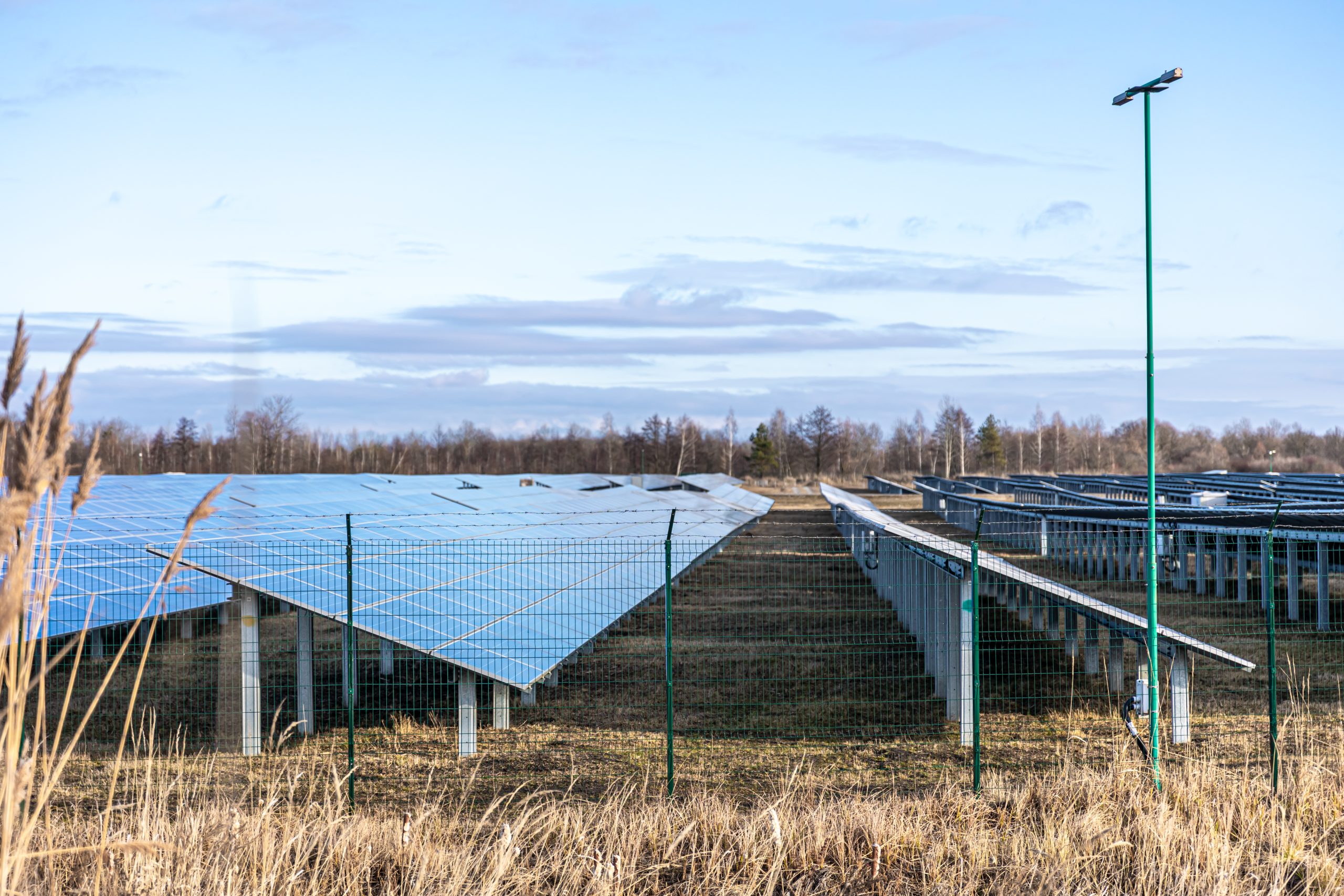
The China off-grid solar energy market reached a valuation of USD 4.82 billion in 2025, expanding at an 8.4% CAGR through 2035 as decentralized power solutions gain strategic importance in the nation’s energy transition. Industrial hubs like Shenzhen, the global epicenter for photovoltaic panel manufacturing, drive supply-side innovation by lowering the unit cost of high-efficiency lithium-iron-phosphate battery storage, while remote regions such as Kashgar serve as critical demand-side testing grounds where off-grid solar provides vital electricity to pastoral communities disconnected from the State Grid Corporation of China. A prevailing demand-side trend is the rapid adoption of solar-plus-storage microgrids in commercial agriculture, reducing reliance on expensive diesel generators in arid provinces. Simultaneously, a robust supply-side shift is occurring as tier-one manufacturers like JinkoSolar, founded in 2006 and headquartered in Shangrao, pivot toward modular, plug-and-play energy kits to capitalize on distributed infrastructure growth. Sustainability efforts are increasingly governed by the National Development and Reform Commission, which has enforced stricter lifecycle recycling standards for photovoltaic modules under the 14th Five-Year Plan to ensure that the rapid expansion of off-grid capacity aligns with the 2060 carbon neutrality mandate, thereby consolidating industry standards across the western provinces.
By System Capacity Classification
- Pico-Solar 50W modular units
- Lithium-iron-phosphate battery packs
- Plug-and-play portable converters
- 100kW rooftop industrial systems
- Energy storage integration modules
- Smart-grid monitoring gateways
- Megawatt-level ground mounted arrays
- Substation frequency regulation hardware
- High-voltage DC power lines
- Foldable solar charging blankets
- Backpack solar-integrated power cells
- Mobile ruggedized charging stations
By Storage Technology Deployment
- Deep cycle valve-regulated units
- Tubular gel electrolyte batteries
- Legacy grid buffer modules
- High-cycle prismatic cells
- BMS-integrated storage containers
- Integrated thermal cooling arrays
- Advanced ceramic electrolyte plates
- High-density energy storage blocks
- Extreme-temperature tolerance modules
- Vanadium redox electrolyte tanks
- Large-scale liquid storage stacks
- Long-duration discharge hardware
Competitive Landscape
The China off-grid solar energy market is characterized by a high degree of fragmentation and intense regional competition, driven by the National Energy Administration's push for rural electrification and decentralized power solutions. Major market participants utilize vertical integration strategies, manufacturing proprietary monocrystalline silicon modules and integrating them with lithium iron phosphate storage systems to serve remote provinces such as Xinjiang, Tibet, and Inner Mongolia. Firms are increasingly prioritizing digital monitoring platforms to enhance system uptime in off-grid deployments, a critical factor for compliance with updated safety standards issued by the Ministry of Industry and Information Technology. Strategic expansion is dominated by large-scale public-private partnerships where industry leaders collaborate with local government entities to replace aging diesel generators. Companies like Sungrow Power Supply and Jinko Solar currently dictate market standards, shifting focus toward micro-grid management and battery energy storage system (BESS) optimization. Distribution strategy relies heavily on strategic alliances with local EPC (Engineering, Procurement, and Construction) contractors to bypass geographical barriers in Western China, while maintaining stringent R&D budgets to meet the efficiency benchmarks set by the 14th Five-Year Plan for renewable energy development.
| Company | Est. Year | Headquarters | Details | Details | Details | Details | Details | Details |
|---|---|---|---|---|---|---|---|---|
| Sungrow Power Supply | 1997 | Hefei, China | ~ | ~ | ~ | ~ | ~ | ~ |
| Jinko Solar | 2006 | Shanghai, China | ~ | ~ | ~ | ~ | ~ | ~ |
| BYD Company | 1995 | Shenzhen, China | ~ | ~ | ~ | ~ | ~ | ~ |
| Canadian Solar | 2001 | Suzhou, China | ~ | ~ | ~ | ~ | ~ | ~ |
| LONGi Green Energy Technology | 2000 | Xi'an, China | ~ | ~ | ~ | ~ | ~ | ~ |
🔒 Detailed cross-comparison data are available in the full report. Talk to Us to access complete competitive intelligence.
Growth Drivers
Government Rural Electrification Mandates
The National Energy Administration continues to prioritize the integration of off-grid solar solutions within the Western Development Strategy, specifically targeting remote regions in Qinghai and Tibet. This initiative aims to bridge the energy disparity between coastal provinces and inland territories. As of 2023, the government completed the installation of independent photovoltaic systems for 1.2 million households in traditionally underserved plateau regions. These policy-driven deployments provide a stable foundation for localized power generation, effectively replacing aging diesel generators that were previously the sole energy source for these isolated, mountainous communities.
Technological Advancement in Battery Storage
Leading industry players like BYD, founded in 1995 and headquartered in Shenzhen, have accelerated the commercialization of lithium iron phosphate batteries optimized for extreme climate conditions. These storage units maintain 85% capacity efficiency at temperatures as low as minus 20 degrees Celsius, solving a critical failure point for earlier off-grid systems. In 2024, production volumes for these specialized residential storage modules reached 450,000 units annually. This technical maturity allows project developers to offer reliable 24-hour electricity access, significantly increasing the adoption rate among remote industrial mining camps and scientific research stations.
Expansion of Microgrid Interconnection
Provincial grid operators in Xinjiang are increasingly incentivizing the deployment of decentralized microgrid architectures to minimize transmission losses across vast distances. By utilizing advanced power management software developed by firms like Sungrow Power Supply, established in 1997 and headquartered in Hefei, operators can seamlessly island and reconnect regional clusters. In 2023, the total installed capacity of community-level microgrids connected to local smart-metering infrastructure surpassed 3,200 megawatts. This architectural shift empowers village cooperatives to manage energy distribution independently while maintaining the capability to sell surplus power back to the primary utility network.
Rising Demand from Telecommunications Infrastructure
Mobile network providers are aggressively expanding 5G coverage into remote agricultural zones, necessitating robust, off-grid power solutions to operate cellular base stations where utility lines are non-existent. These base stations rely heavily on integrated solar-plus-storage kits to guarantee continuous signal availability. In 2024, over 85,000 remote base stations transitioned from grid-supplemental to fully independent solar-powered operations. This transition is further supported by the Ministry of Industry and Information Technology, which mandated that all new remote telecommunications towers installed in high-altitude zones must include redundant, carbon-neutral power supplies to ensure critical communication uptime.
Market Challenges
High Initial Capital Expenditure
The substantial upfront investment required for photovoltaic panels and advanced battery arrays creates significant barriers for low-income rural cooperatives. Despite declining component costs, the total deployment expense for a medium-scale village system remains at 85,000 RMB as of 2024. Without robust micro-financing options, many regions struggle to move beyond pilot project phases.
Geographical Logistics Constraints
Transporting fragile solar infrastructure across the rugged terrain of Sichuan and Yunnan introduces major logistical delays and potential hardware damage. Road infrastructure constraints mean that 15% of components suffer structural defects before reaching installation sites as of 2023. These high shipping overheads frequently inflate total project costs beyond the reach of local budget authorities.
Limited Technical Maintenance Capacity
Remote areas often lack a skilled workforce capable of performing routine maintenance on inverters and sophisticated control firmware. Current data shows that 22% of deployed systems require corrective repairs within two years of operation due to a shortage of qualified local technicians. This expertise gap leads to prolonged downtime and diminished system lifespans for critical off-grid hardware.
Opportunities
Remote Pastoral Electrification
The integration of modular micro-grid systems in Xinjiang and Inner Mongolia provides stable power for nomadic herders residing outside the national grid. These localized setups utilize high-efficiency lithium iron phosphate battery storage to maintain energy autonomy during harsh winter months. A total of 420,000 households across the western provinces gained consistent access to electricity through these decentralized units in 2023.
Belt and Road Export Expansion
Chinese manufacturers headquartered in Shenzhen and Suzhou are leveraging established logistics corridors to supply affordable off-grid kits to emerging economies in Central Asia. By focusing on durable hardware capable of withstanding extreme temperature fluctuations, firms are capturing significant market share in underdeveloped power infrastructures. Export volumes for portable solar lighting and charging solutions reached 1.8 million units during the 2024 fiscal period.
Industrial Base Backup Solutions
Manufacturing zones in the Pearl River Delta are increasingly adopting independent solar-plus-storage systems to mitigate risks from grid instability or seasonal rationing. These corporate installations allow production lines to maintain critical operations despite mandatory load shedding enforced by regional power authorities. Private industrial energy storage investments in Guangdong province totaled 950 million yuan in 2023 to secure uninterrupted manufacturing capacity.
Future Outlook
The China off-grid solar energy market is entering a pivotal transformation phase, shifting from basic rural electrification to advanced industrial and commercial resilience strategies. Driven by the National Development and Reform Commission’s 14th Five-Year Plan, which prioritizes energy security and peak carbon neutralization, the sector is poised for sustained expansion through 2029. Technological maturation, particularly in long-duration energy storage (LDES) and intelligent energy management software, will enable these systems to operate with greater efficiency than traditional grid-tied alternatives. Provinces such as Gansu and Yunnan will continue to serve as testing grounds for large-scale hybrid solar-battery arrays that integrate with local agricultural processing centers. Furthermore, regulatory frameworks introduced by the National Energy Administration are expected to streamline the permitting process for independent micro-grids, encouraging private sector participation from specialized firms like Jinko Solar and BYD. While rural coverage targets remain a primary policy driver, the rapid adoption of decentralized energy by data centers and manufacturing facilities in the Yangtze River Delta will likely serve as the primary catalyst for revenue growth. By 2029, the combination of enhanced regulatory support, reduced photovoltaic module costs, and the ongoing deployment of smart grid technologies will cement the off-grid sector as a cornerstone of China's broader national energy strategy, ensuring energy sovereignty for remote regions while providing a vital insurance mechanism for the nation's immense industrial base.
Major Players
- Sungrow Power Supply
- Jinko Solar
- BYD Company
- Canadian Solar
- LONGi Green Energy Technology
- Trina Solar
- JA Solar Holdings
- Pylon Technologies
- Narada Power Source
- GCL Technology Holdings
- Risen Energy
- Hithium Energy Storage
- Chint Electrics
- Alpha ESS
- SolaX Power
Key Target Audience
- Photovoltaic Module Manufacturers (JinkoSolar, Founded 2006, Shanghai)
- Battery Storage System Providers (Contemporary Amperex Technology, Founded 2011, Ningde)
- Rural Electrification Project Developers (China Three Gorges Corporation, Founded 1993, Beijing)
- Off-grid Inverter OEMs (Sungrow Power Supply, Founded 1997, Hefei)
- Government and Regulatory Bodies (National Energy Administration, Beijing)
- Infrastructure Investment Funds (State Development & Investment Corp, Founded 1995, Beijing)
- Investors and Venture Capital Firms (Hillhouse Capital Management, Founded 2005, Beijing)
- Telecommunications Base Station Operators (China Tower Corporation, Founded 2014, Beijing)
- Remote Industrial Site Management Firms (Baoshan Iron & Steel Co., Founded 2000, Shanghai)
- Smart Grid Technology Integrators (State Grid Corporation of China, Founded 2002, Beijing)
- Renewable Energy Equipment Distributors (Zhejiang Chint Electrics, Founded 1997, Wenzhou)
Research Methodology
Identification of Key Variables
- Analysts identify primary market drivers including the 14th Five-Year Plan objectives and rural energy revitalization initiatives.
- Key variables cover solar irradiation data, battery technology adoption rates, and provincial government subsidy levels across the Gansu and Qinghai regions, ensuring a comprehensive assessment of off-grid market demand.
Market Analysis and Construction
- The team performs quantitative modeling by aggregating data from the China Photovoltaic Industry Association and annual reports from leaders like Trina Solar.
- We construct a bottom-up model measuring historical installation capacities and capital expenditure trends for remote microgrid projects through 2023, providing a validated baseline for future revenue forecasts.
Validation and Synthesis
- Independent industry specialists conduct primary interviews with field operations managers and regional government policy planners to test market assumptions.
- Experts provide granular insights into logistical constraints, rural energy infrastructure requirements, and regulatory hurdles, ensuring the qualitative foundation of the report accurately reflects current operational realities on the ground.
- Data sets are cross-referenced against official statistics from the Ministry of Industry and Information Technology to ensure regulatory compliance and high-level accuracy.
- The final analysis undergoes rigorous internal review to finalize market sizing, growth projections, and competitive landscape assessments prior to publication for the China off-grid solar energy sector.
Table of Contents
 Executive Summary
2 Sections
▼
- Executive Summary
- Research Methodology (Defining Off-Grid Solar Boundaries, National Energy Administration Data Sourcing, Top-Down Capacity Market Estimation, Bottom-Up Project-Based Validation, Supply Chain Tiering Analysis, Expert Interview Primary Research, Government Procurement Audit Analysis, Geospatial Demand Clustering, Data Triangulation Methodologies, Competitive Market Share Modeling, Forecast Framework And Assumptions, Regulatory Impact Sensitivity Analysis)
 China Off-Grid Solar Energy Market Overview
7 Sections
▼
- Definition and Scope
- Market Evolution and Industry Genesis
- Evolution Of China Off-Grid Photovoltaic Systems
- Rural Electrification Infrastructure In Western China
- China Distributed Energy Storage Integration Dynamics
- Supply Chain Analysis Of China Solar Modules
- Regulatory Frameworks For Off-Grid Energy Access
 China Off-Grid Solar Energy Market Size (2020-2025)
3 Sections
▼
- By Market Value (2020-2025)
- By Installed Capacity Gigawatts (2020-2025)
- By System Shipment Revenue (2020-2025)
 China Off-Grid Solar Energy Market Segmentation
49 Segments
▼
- By System Architecture (In Value %)
- Standalone Solar Home Systems
- Pico-Solar Lighting Kits
- Portable Solar Power Stations
- Multi-Appliance DC Power Units
- Integrated Home Micro-Grids
- Industrial Off-Grid Micro-grids
- Mining Site Power Systems
- Remote Telecommunications Base Power
- Oil And Gas Pipeline Monitoring
- Border Defense Station Power
- Utility-Scale Hybrid Off-Grid Plants
- Solar-Diesel Hybrid Arrays
- Solar-Wind-Battery Combinations
- Desert Green Power Hubs
- Smart Micro-grid Controllers
- Agricultural Solar Infrastructure
- Solar Irrigation Pump Arrays
- Controlled Environment Farming Power
- Livestock Fence Electrification
- Remote Cold Storage Units
- By Application Sector (In Value %)
- Rural Residential
- Telecommunications Infrastructure
- Military And Border Security
- Industrial Remote Operations
- Precision Agriculture
- Emergency Disaster Relief
- By Battery Storage Technology (In Value %)
- Lithium Iron Phosphate
- Lead-Acid Sealed
- Sodium-Ion Emerging
- Flow Battery Large-Scale
- Solid-State Prototypes
- By Power Capacity Tier (In Value %)
- Below 500W
- 500W To 5kW
- 5kW To 50kW
- Above 50kW
- By Geography (In Value %)
- Northwest China
- Southwest China
- Inner Mongolia Plateau
- Tibetan Autonomous Region
- By Distribution Channel (In Value %)
- Direct Government Procurement
- EPC Contractor Networks
- E-Commerce Retail Platforms
- Regional System Integrators
 China Off-Grid Solar Energy Market Analysis
8 Sections
▼
- Growth Drivers (Government Rural Electrification Mandates, Technological Advancement in Battery Storage, Expansion of Microgrid Interconnection, Rising Demand from Telecommunications Infrastructure)
- Market Challenges (High Initial Capital Expenditure, Geographical Logistics Constraints, Limited Technical Maintenance Capacity)
- Market Opportunities (Remote Pastoral Electrification, Belt and Road Export Expansion, Industrial Base Backup Solutions)
- Market Trends (Energy Storage Integration, Remote Micro-grid Intelligence, Carbon Neutrality Pledges)
- Government Regulations
- SWOT Analysis
- Porter's Five Forces Analysis
- PESTLE Analysis
 China Off-Grid Solar Energy Market Competitive Analysis
18 Sections
▼
- Market Share of Major Players
- State-Owned Enterprise Market Dominance
- Private Tier-1 Module Manufacturer Competition
- Regional EPC Integrator Landscape
- Export-Oriented Versus Domestic-Focused Players
- Cross Comparison Parameters (Module Conversion Efficiency Rating, Inverter MPPT Tracking Precision, Battery Cycle Life Durability, Operating Temperature Range Tolerance, Remote Monitoring Latency, System Integration Turnkey Capability, After-Sales Maintenance Coverage Network, Compliance With State Grid Standards)
- Competitive Product Benchmarking (Peak Power Wattage Output, Energy Density Watt-Hour Density, IP Rating Ingress Protection, Inverter Surge Capability Percentage, Charge Controller Efficiency Ratio, Thermal Management System Design)
- Financial and Operational Parameters
- SWOT Analysis of Major Players
- Detailed Profiles of Major Companies
- LONGi Green Energy Technology (2000, Xi'an) – Hi-MO Series, LONGi Solar
- JinkoSolar (2006, Shanghai) – Tiger Neo, Eagle Series
- Sungrow Power Supply (1997, Hefei) – Sungrow Inverter, PowerTitan
- BYD Company (1995, Shenzhen) – BYD Energy, BYD Battery-Box
- Trina Solar (1997, Changzhou) – Vertex, TrinaTracker
- Canadian Solar (2001, Suzhou) – HiKu, BiHiKu
- Pylon Technologies (2009, Shanghai) – Pylontech, Force-H
- JA Solar (2005, Beijing) – DeepBlue, JAM Series
 China Off-Grid Solar Energy Market End-User Analysis
8 Sections
▼
- Annual Consumption Patterns Per Household
- Grid Connectivity Dependency Ratios
- Peak Usage Hours During Winters
- Average Replacement Cycle Of Batteries
- Device Adoption In Remote Regions
- Public Infrastructure Project Spend
- Service Reliability Expectations
- Cost Sensitivity To Installation
 China Off-Grid Solar Energy Market Future Size (2026-2035)
3 Sections
▼
- By Market Value (2026-2035)
- By Installed Capacity Gigawatts (2026-2035)
- By System Shipment Revenue (2026-2035)
Frequently Asked Questions
The current market size is USD 4.82 billion in 2025, projected to reach USD 10.83 billion by 2035 (8.4% CAGR from 2025 to 2035). This valuation reflects the increasing deployment of standalone photovoltaic systems across remote provinces and rural infrastructure projects. The market growth is sustained by long-term investment cycles and the expansion of national grid-independence strategies.
The primary drivers include the implementation of the National Energy Administration's 14th Five-Year Plan for Renewable Energy, which emphasizes power reliability in mountainous regions. Significant growth is also attributed to the falling costs of lithium-iron-phosphate battery storage technology, which complements off-grid photovoltaic arrays. Furthermore, the rising demand for reliable energy in remote areas of Gansu and Qinghai provinces accelerates the adoption of localized microgrid solutions.
Key market participants include JinkoSolar Holding Co., Ltd., founded in 2006 and headquartered in Shanghai, and LONGi Green Energy Technology Co., Ltd., established in 2000 in Xi'an. Other significant contributors include Sungrow Power Supply Co., Ltd., founded in 1997 in Hefei, and BYD Company Limited, headquartered in Shenzhen since 1995. These companies leverage advanced manufacturing capabilities to supply high-efficiency panels and integrated energy storage systems for remote deployment.
The primary challenge involves the technical difficulty of maintaining equipment in extreme high-altitude and harsh climatic conditions prevalent in the Xinjiang and Tibet Autonomous Regions. Logistics and transportation costs for deploying heavy batteries and solar hardware to isolated rural sites remain a substantial financial hurdle. Additionally, navigating the varying regional grid-connection regulations and environmental compliance standards set by the Ministry of Ecology and Environment adds complexity to project implementation.
An emerging trend is the integration of Artificial Intelligence and IoT-enabled predictive maintenance systems to monitor off-grid assets remotely. There is also a marked shift toward the adoption of hybrid solar-wind off-grid kits, which provide more consistent power generation than solar alone. Developers are increasingly utilizing modular solar-plus-storage containerized units, which allow for rapid scalability and installation in areas that lack traditional grid infrastructure.


 Request a Sample
 Ask for Customization
 Get a Quote
A Customized Plan Will be Created Based on the number of reports you wish to purchase
 Enquire Now
