

 Download PDF
 Download PDF
Market Overview
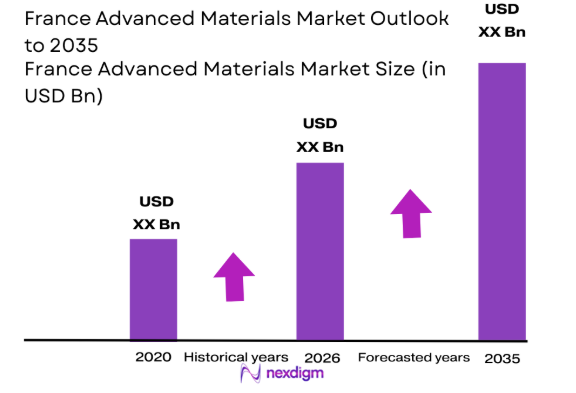
The France Advanced Materials market is experiencing substantial growth, driven by increasing demand for high-performance materials across industries such as aerospace, automotive, and electronics. Market size is based on recent assessments, where the value is projected to reach USD ~ billion. This growth is supported by technological innovations in nanomaterials, composites, and biodegradable materials, with France’s strong infrastructure, research initiatives, and industrial capabilities facilitating expansion. Moreover, favorable government policies and global demand for sustainable materials further fuel market growth.
France stands out as a dominant player in the advanced materials market, driven by its robust industrial base and significant investments in R&D. The country’s aerospace and automotive sectors, particularly in cities like Toulouse and Paris, lead demand for advanced materials. France benefits from its strategic location in Europe and strong collaboration with research institutions, contributing to its dominance in materials innovation. The country also capitalizes on EU regulations promoting sustainability and the development of advanced manufacturing technologies.
Market Segmentation
By Product Type
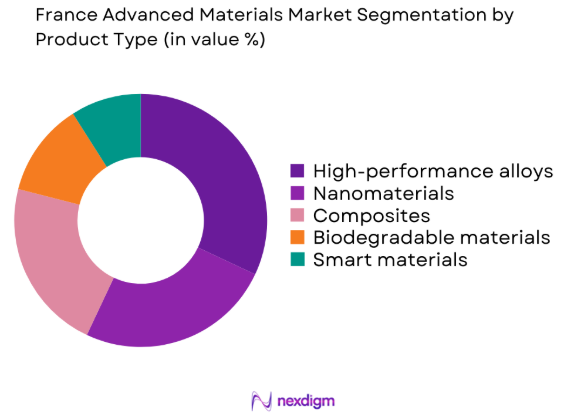
The France Advanced Materials market is segmented by product type into high-performance alloys, nanomaterials, composites, biodegradable materials, and smart materials. Recently, high-performance alloys have dominated the market due to increasing demand from the aerospace and automotive sectors, driven by their ability to withstand extreme conditions. This sub-segment’s growth is also fueled by advancements in material science, which make these alloys more versatile, durable, and cost-effective, further propelling their adoption in critical industries such as defense and transportation.
By Platform Type
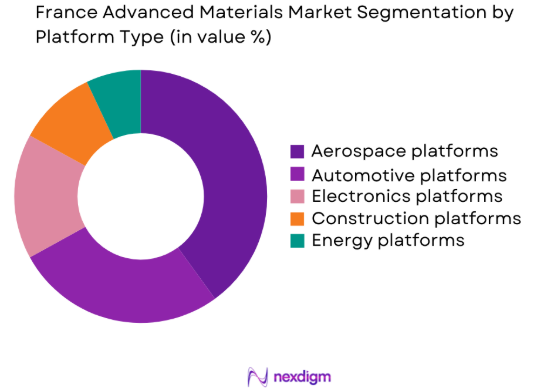
The France Advanced Materials market is segmented by platform type into aerospace platforms, automotive platforms, electronics platforms, construction platforms, and energy platforms. Recently, aerospace platforms have dominated the market share due to the growing demand for lightweight and durable materials used in aircraft and space technologies. This is driven by the aerospace industry’s focus on improving fuel efficiency and performance, as well as adopting new technologies for commercial and military applications, such as aircraft manufacturing and satellite systems.
Competitive Landscape
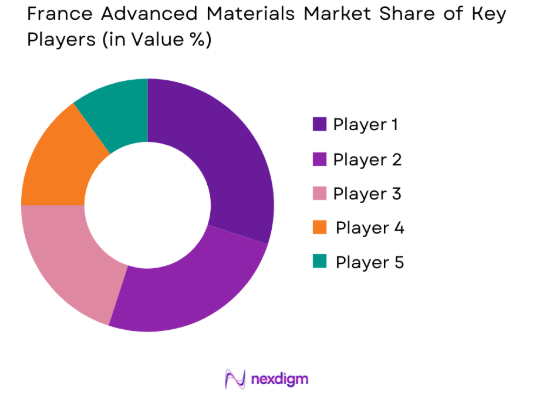
The competitive landscape of the France Advanced Materials market is characterized by a mix of large multinational companies and specialized firms that focus on innovation and high-quality product offerings. The market is highly dynamic, with major players focusing on strategic partnerships, acquisitions, and investments in R&D to stay competitive. As the demand for sustainable and high-performance materials continues to grow, companies are increasingly consolidating their positions through technological advancements and expanding their product portfolios to cater to diverse industry needs.
| Company Name | Establishment Year | Headquarters | Technology Focus | Market Reach | Key Products | Revenue (USD) | Innovation Focus |
| Saint-Gobain | 1665 | Paris, France | ~ | ~ | ~ | ~ | ~ |
| ArcelorMittal | 2006 | Luxembourg | ~ | ~ | ~ | ~ | ~ |
| Solvay | 1863 | Brussels, Belgium | ~ | ~ | ~ | ~ | ~ |
| BASF | 1865 | Ludwigshafen, DE | ~ | ~ | ~ | ~ | ~ |
| Toray Industries | 1926 | Tokyo, Japan | ~ | ~ | ~ | ~ | ~ |
France Advanced Materials Market Analysis
Growth Drivers
Technological Advancements in Nanotechnology
Nanotechnology is a major driver of growth in the France Advanced Materials market. Ongoing advancements in nanomaterials are enabling the creation of lighter, stronger, and more functional materials, improving product performance in sectors like electronics, healthcare, and automotive. The ability to manipulate materials at the atomic level allows for more precise and efficient designs, driving the adoption of nanotechnology across various industries. Government-funded research and collaborations with private companies are accelerating innovation in nanotechnology, facilitating its broader application. As these technologies evolve, they offer new opportunities for enhancing material properties and meeting the growing demand for high-performance, sustainable solutions, fueling market expansion in France.
Government Regulations Supporting Sustainability
France has prioritized sustainability, driving demand for advanced materials that align with environmental goals. Government initiatives, like the EU Green Deal, have created a favorable environment for eco-friendly and recyclable materials. Policies promoting low-carbon technologies and energy-efficient solutions are encouraging manufacturers to adopt advanced materials that comply with stringent environmental standards. This push has led to a gradual shift toward sustainable materials, including biodegradable plastics and green composites. As these materials become more widely used across industries, they not only help meet regulatory requirements but also align with growing consumer preferences for sustainability, ultimately fueling market growth in the France Advanced Materials sector.
Market Challenges
High R&D Costs and Investment Risks
The France Advanced Materials market faces considerable challenges due to the high costs involved in R&D and the commercialization of innovative materials. Developing advanced materials requires long research phases and rigorous testing to ensure their performance and safety in real-world applications, which can be costly. Small- and medium-sized enterprises often struggle to secure the funding needed for these expensive endeavors. The high risks associated with investing in new materials, along with uncertainties about their adoption, create barriers to growth. These challenges are particularly prominent in emerging sectors like nanotechnology and biodegradable materials, where financial constraints and market uncertainties hinder progress and widespread commercialization.
Supply Chain Disruptions and Raw Material Shortages
Another challenge for the France Advanced Materials market is the vulnerability of supply chains, especially for essential raw materials used in manufacturing advanced materials. The COVID-19 pandemic and ongoing geopolitical tensions have highlighted the risks associated with relying on a limited number of global suppliers. Supply chain disruptions can cause production delays, higher costs, and challenges in scaling manufacturing processes. Additionally, the scarcity of certain raw materials, such as rare earth metals, presents a significant obstacle to the continued growth of the market. These supply chain and resource limitations hinder the ability of manufacturers to meet rising demand, ultimately affecting the market’s overall expansion.
Opportunities
Emerging Demand for Smart Materials
The growing interest in smart materials is fueling substantial growth in the France Advanced Materials market. These materials, which react to external stimuli like temperature, pressure, and light, are being increasingly adopted in industries such as healthcare, automotive, and aerospace. Their ability to enhance functionality and performance makes them ideal for applications like sensors, actuators, and self-healing materials. As industries focus more on automation, sustainability, and efficiency, the demand for smart materials is expected to rise. This trend not only supports innovation but also drives market expansion, as industries seek to leverage the advanced capabilities of these materials to improve product performance and reduce operational costs.
Expanding Use of Biodegradable Materials
The rising consumer and industrial demand for sustainable solutions is creating significant opportunities for biodegradable materials in the France Advanced Materials market. Efforts to reduce plastic waste and minimize environmental impact are driving the adoption of biodegradable alternatives, particularly in packaging, automotive, and consumer goods industries. As governments introduce stricter regulations on plastic use and waste management, the market for biodegradable materials is expected to grow further. This shift toward eco-friendly materials aligns with sustainability goals and provides a strong growth avenue for manufacturers and innovators focused on developing alternative solutions, positioning them well for the expanding market driven by both regulatory changes and consumer demand.
Future Outlook
The future outlook for the France Advanced Materials market is promising, with continued advancements in technology and increased demand for sustainable solutions driving growth. Key developments in nanotechnology, smart materials, and biodegradable alternatives are expected to transform industries, including aerospace, automotive, and construction. Regulatory support for sustainable practices and ongoing investment in R&D will further fuel market expansion. The next five years will see a shift toward more integrated and eco-friendly material solutions, helping to solidify France’s position as a leader in advanced materials innovation.
Major Players
- Saint-Gobain
- ArcelorMittal
- Solvay
- BASF
- Toray Industries
- Hexcel Corporation
- 3M
- DuPont
- Mitsubishi Chemical
- Owens Corning
- Dow Chemical
- Huntsman Corporation
- SGL Carbon
- Covestro
- LyondellBasell
Key Target Audience
- Investments and venture capitalist firms
- Government and regulatory bodies
- Manufacturers of advanced materials
- Aerospace and automotive industries
- Electronics and consumer goods manufacturers
- Energy and utilities sectors
- Construction and infrastructure developers
- Research and development institutions
Research Methodology
Step 1: Identification of Key Variables
Identify the market variables that impact growth, challenges, and opportunities in the advanced materials sector.
Step 2: Market Analysis and Construction
Analyze the market structure and construct the segmentation based on product type, platform, end-users, and procurement channels.
Step 3: Hypothesis Validation and Expert Consultation
Validate the hypothesis through consultations with industry experts and key stakeholders to ensure accurate market representation.
Step 4: Research Synthesis and Final Output
Synthesize the research data and present the final output with actionable insights for stakeholders.

- Executive Summary
- Research Methodology (Definitions, Scope, Industry Assumptions, Market Sizing Approach, Primary & Secondary Research Framework, Data Collection & Verification Protocol, Analytic Models & Forecast Methodology, Limitations & Research Validity Checks)

- Market Definition and Scope
- Value Chain & Stakeholder Ecosystem
- Regulatory / Certification Landscape
- Sector Dynamics Affecting Demand
- Strategic Initiatives & Infrastructure Growth

- Growth Drivers
Increasing Demand for Lightweight Materials
Technological Advancements in Nanotechnology
Government Support for Sustainable Materials - Market Challenges
High R&D Costs in Advanced Materials
Supply Chain Disruptions in Raw Materials
Regulatory Barriers in Material Standardization - Market Opportunities
Expanding Use of Biodegradable Materials
Partnerships with Aerospace & Automotive Sectors
Emerging Markets for Smart Materials - Trends
Growth in Electric Vehicle Battery Materials
Advancements in 3D Printing Materials
Sustainability Focus Driving Biodegradable Material Development - Government Regulations
- SWOT Analysis of Key Competitors
- Porter’s Five Forces

- By Market Value, 2020-2025
- By Installed Units, 2020-2025
- By Average System Price, 2020-2025
- By System Complexity Tier, 2020-2025

- By System Type (In Value%)
High-Performance Alloys
Nanomaterials
Composites
Biodegradable Materials
Smart Materials - By Platform Type (In Value%)
Aerospace Platforms
Automotive Platforms
Electronics Platforms
Construction Platforms
Energy Platforms - By Fitment Type (In Value%)
On-premise Solutions
Cloud-based Solutions
Hybrid Solutions
Modular Solutions
Integrated Solutions - By End User Segment (In Value%)
Aerospace & Defense
Automotive
Electronics & Consumer Goods
Energy & Utilities
Construction & Infrastructure - By Procurement Channel (In Value%)
Direct Procurement
Third-party Distributors
OEM Partnerships
Online Platforms
Private Sector Procurement

- Market Share Analysis
- Cross Comparison Parameters(System Type, Platform Type, Procurement Channel, End User Segment, Fitment Type, Material Type, Technology Type, Production Process, Market Reach, Application Sector)
- SWOT Analysis of Key Competitors
- Pricing & Procurement Analysis
- Key Players
Saint-Gobain
ArcelorMittal
Solvay
BASF
Airbus
Hexcel Corporation
3M
Toray Industries
SABIC
Mitsubishi Chemical
DuPont
Owosso Chemical
General Electric
Thales Group
Renren Technology

- Aerospace Industry’s Need for High-Performance Alloys
- Automotive Demand for Lightweight Composites
- Electronics Market’s Focus on Nano-materials
- Construction Industry’s Shift to Sustainable Materials

- Forecast Market Value, 2026-2035
- Forecast Installed Units, 2026-2035
- Price Forecast by System Tier, 2026-2035
- Future Demand by Platform, 2026-2035


 Request a Sample
 Ask for Customization
 Get a Quote
 Enquire Now