
 Download PDF
Market Overview
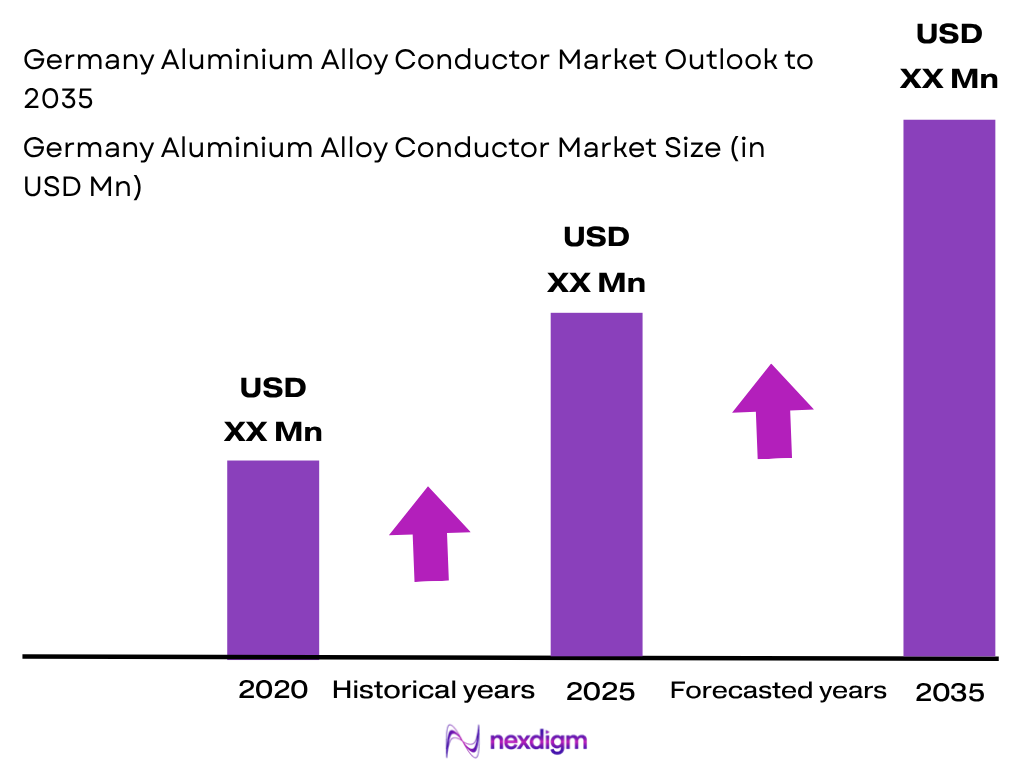
The Germany Aluminium Alloy Conductor Market is estimated at ~USD XX million in 2024 and is projected to expand at a CAGR of ~XX% during 2026-2035. The market growth is supported by Germany’s transition toward renewable energy integration, expansion of high-voltage transmission networks, and replacement of aging grid infrastructure. Demand is increasing for lightweight, high-capacity, and temperature-resistant conductors used in transmission upgrades, offshore wind connections, and industrial electrification projects. Germany’s electricity infrastructure modernization and renewable power expansion remain key demand contributors.
Germany represents one of Europe’s most advanced electricity infrastructure markets, supported by strong industrial electricity consumption and renewable energy development. Regions including Bavaria, North Rhine-Westphalia, Lower Saxony, and Baden-Württemberg dominate demand due to their concentration of industrial manufacturing, renewable energy projects, and transmission infrastructure requirements. Northern Germany benefits from offshore wind transmission projects, while southern industrial regions require upgraded transmission capacity. European suppliers also influence the market due to Germany’s integration with the EU electricity network and standardized transmission equipment requirements.
Market Segmentation
By Conductor Type
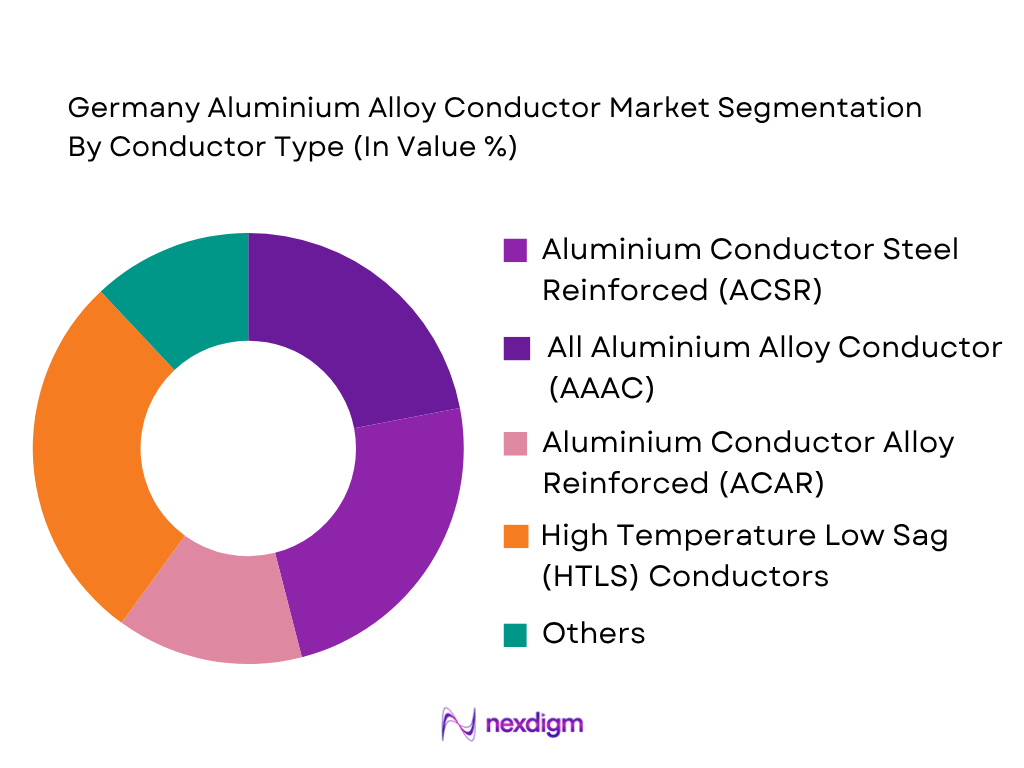
Germany Aluminium Alloy Conductor Market is segmented by conductor type into All Aluminium Alloy Conductors (AAAC), Aluminium Conductor Steel Reinforced (ACSR), Aluminium Conductor Alloy Reinforced (ACAR), High Temperature Low Sag (HTLS) Conductors, Aluminium Conductor Composite Core (ACCC), and thermal-resistant aluminium alloy conductors. HTLS conductors represent the dominant segment with a market share of ~28% in 2024 due to their ability to increase transmission capacity without requiring complete replacement of existing towers and corridors. These conductors are increasingly preferred for grid modernization projects because they provide higher operating temperatures, reduced sag performance, and improved efficiency. Germany’s renewable energy transition requires upgrading existing transmission infrastructure, particularly for transporting wind-generated electricity from northern regions. The adoption of HTLS technology is supported by utilities seeking higher capacity from existing networks while reducing infrastructure expansion challenges.
By Application
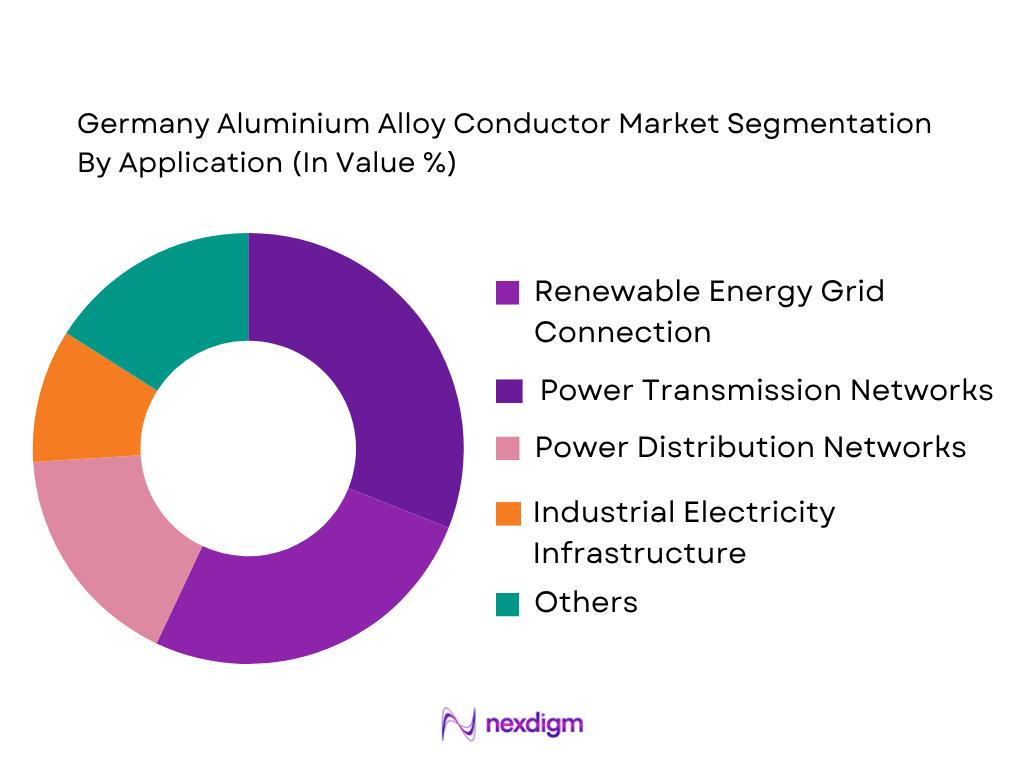
Germany Aluminium Alloy Conductor Market is segmented by application into power transmission networks, power distribution networks, renewable energy grid connections, offshore wind transmission, industrial electricity infrastructure, railway electrification systems, smart grid infrastructure, and utility modernization projects. Renewable energy grid connection applications represent the leading segment with a market share of ~31% in 2024 due to Germany’s accelerated renewable energy deployment and requirement for efficient electricity transmission. Aluminium alloy conductors are widely used in renewable energy infrastructure because they provide high conductivity, reduced structural loading, and improved performance over long distances. Offshore wind expansion in the North Sea and Baltic Sea has increased demand for advanced transmission solutions connecting generation sites with consumption centers. Additionally, Germany’s industrial electrification initiatives require reliable transmission networks capable of handling increasing electricity flows.
Competitive Landscape
The Germany Aluminium Alloy Conductor Market is characterized by the presence of global cable manufacturers, specialized conductor producers, and electrical infrastructure suppliers. Competition is influenced by conductor technology capability, manufacturing capacity, renewable energy project experience, and compliance with European transmission standards. Leading companies focus on advanced conductor development, including HTLS solutions, composite core conductors, and high-performance aluminium alloys.
| Company | Establishment Year | Headquarters | Key Products | Technology Capability | Major Applications | Geographic Presence | Manufacturing Strength | Strategic Focus |
| Prysmian Group | 1879 | Milan, Italy | ~ | ~ | ~ | ~ | ~ | ~ |
| Nexans | 1897 | Paris, France | ~ | ~ | ~ | ~ | ~ | ~ |
| NKT A/S | 1891 | Brøndby, Denmark | ~ | ~ | ~ | ~ | ~ | ~ |
| LS Cable & System | 1962 | Anyang, South Korea | ~ | ~ | ~ | ~ | ~ | ~ |
| Apar Industries | 1958 | Mumbai, India | ~ | ~ | ~ | ~ | ~ | ~ |
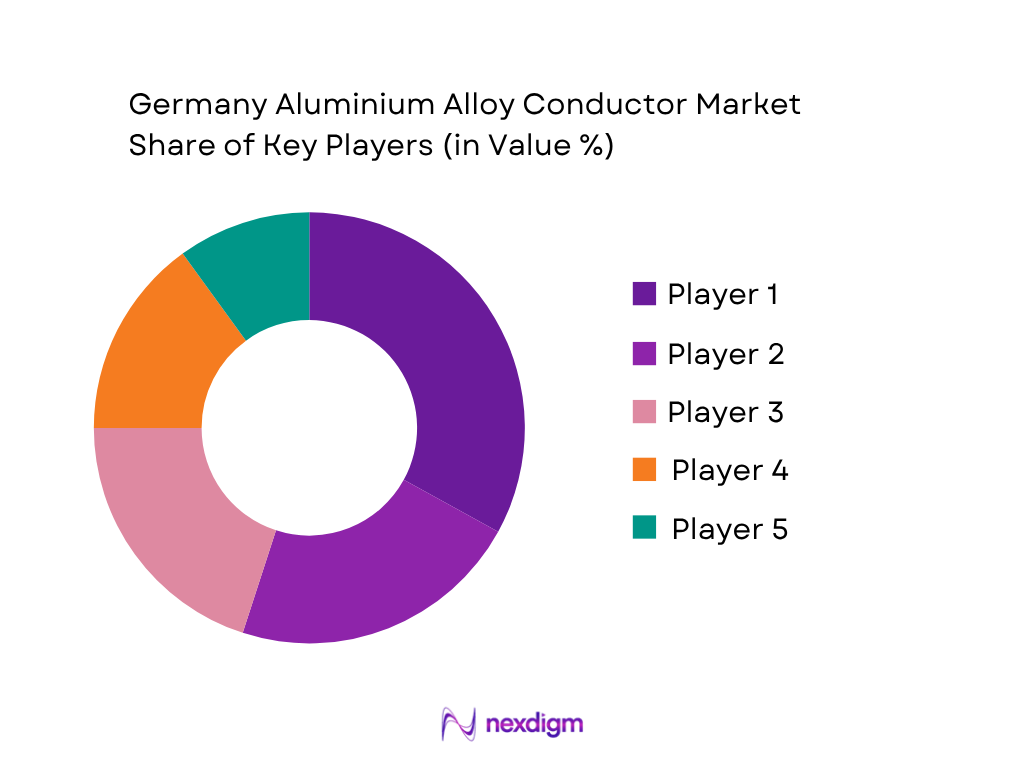
Germany Aluminium Alloy Conductor Market Analysis
Growth Drivers
Grid Expansion & Energy Transition
Germany’s energy transition is increasing the requirement for advanced aluminium alloy conductors as renewable electricity generation becomes geographically separated from consumption centers. Germany generated around 254 billion kWh of renewable electricity in 2024, according to the Federal Statistical Office of Germany (Destatis), increasing the need for high-capacity transmission infrastructure. Offshore wind development in the North Sea and Baltic Sea requires efficient transmission corridors to transfer electricity toward industrial regions. Germany’s electricity transmission system operators are expanding high-voltage networks through projects under the Federal Requirements Plan. The country had approximately 40,000 km of high-voltage transmission lines operating across four major transmission operators, creating significant demand for conductor upgrades. Aluminium alloy conductors support these requirements through higher conductivity, reduced weight, and improved mechanical performance compared with traditional conductors. Germany’s industrial base also contributes to demand, with the World Bank reporting that the country’s GDP remained above USD 4 trillion in 2024, reflecting continued industrial electricity requirements. Increasing renewable integration, reinforcement of aging infrastructure, and replacement of conventional conductors are supporting the adoption of advanced aluminium alloy solutions for transmission applications.
Industrial Electrification Growth, Electricity Demand Growth from Data Centres, Smart Grid Deployment, Replacement of Aging Conductors
Germany’s increasing electrification of industrial processes and digital infrastructure is strengthening demand for reliable electricity transmission systems supported by aluminium alloy conductors. Industrial sectors including automotive manufacturing, chemicals, machinery, and semiconductor production require stable high-capacity electricity networks. Germany’s industrial sector accounted for approximately 26% of final energy consumption in 2024, according to the International Energy Agency (IEA), highlighting the importance of electricity infrastructure modernization. Data centre expansion is also contributing to electricity network requirements, with Germany remaining one of Europe’s largest data centre markets. The country had more than 500 operational data centres in 2024, increasing pressure on regional electricity networks and requiring stronger grid connections. Smart grid investments are accelerating as Germany integrates distributed renewable generation, electric mobility, and decentralized energy systems. According to Eurostat, Germany consumed more than 500 billion kWh of electricity in 2024, creating continuous demand for efficient transmission capacity. Aluminium alloy conductors enable utilities to increase network performance without extensive infrastructure replacement, supporting grid modernization programs and improving transmission efficiency.
Market Challenges
Grid Development Complexity & Regulatory Delays
The Germany Aluminium Alloy Conductor Market faces challenges due to the complexity of expanding national electricity infrastructure and lengthy approval procedures for transmission projects. Germany’s transmission expansion requires coordination among federal authorities, state governments, municipalities, environmental organizations, and landowners. The Federal Network Agency (Bundesnetzagentur) identified thousands of kilometres of required grid expansion projects under national electricity planning frameworks, but implementation timelines remain affected by permitting procedures. The country’s transmission infrastructure must comply with strict European and German standards related to electrical safety, material performance, and environmental protection. Aluminium alloy conductors used in high-voltage applications require compliance with technical specifications related to conductivity, mechanical strength, temperature resistance, and operational reliability. Germany’s environmental regulations also require extensive impact assessments before infrastructure construction. According to the European Commission, Germany invested significantly in energy infrastructure modernization during the current energy transition period, but regulatory complexity continues influencing project execution speed. These factors can delay conductor procurement cycles, increase project coordination requirements, and create uncertainty for manufacturers supplying advanced aluminium alloy conductor solutions.
Aluminium Supply Chain & Production Constraints
Germany’s aluminium alloy conductor industry faces supply chain challenges due to dependence on international aluminium raw material sources and specialized alloy production capabilities. Aluminium production requires significant energy input, making raw material availability and energy costs important factors for manufacturers. Germany produced approximately 3.1 million tonnes of aluminium products in 2024, according to industry statistics from the German Federal Statistical Office, but primary aluminium production remains limited compared with domestic industrial consumption requirements. The country imports substantial quantities of aluminium-related materials from international suppliers, exposing manufacturers to global supply fluctuations. Advanced aluminium alloy conductors require specialized processing technologies, including alloy composition control, heat treatment, and precision manufacturing capabilities. Environmental regulations related to carbon emissions and industrial production standards further influence manufacturing processes. The European Union’s Carbon Border Adjustment Mechanism (CBAM), implemented during the transition period, affects aluminium supply chains by increasing focus on low-carbon materials. These factors create challenges for maintaining consistent raw material availability, managing supply risks, and developing competitive domestic production capabilities for advanced aluminium alloy conductor technologies.
Market Opportunities
Renewable Transmission & HTLS Conductor Adoption
Germany’s renewable energy expansion creates significant opportunities for aluminium alloy conductors through increased requirements for efficient electricity transmission from renewable generation zones to consumption centres. Germany installed approximately 90 GW of wind power capacity and more than 80 GW of solar photovoltaic capacity by 2024, according to renewable energy statistics from German authorities, increasing the requirement for grid reinforcement. Offshore wind projects in the North Sea require advanced transmission infrastructure capable of transferring large electricity volumes over long distances. High Temperature Low Sag (HTLS) conductors provide opportunities because they allow utilities to increase transmission capacity using existing corridors. Germany’s energy transition strategy requires modernization of transmission networks to integrate variable renewable electricity generation. The country’s renewable electricity share exceeded 50% of gross electricity consumption in 2024, according to energy sector data, creating additional pressure on grid flexibility and capacity. Aluminium alloy conductor manufacturers can benefit from demand for lightweight, high-strength, and temperature-resistant solutions used in renewable energy transmission projects. Expansion of offshore wind connections, renewable power evacuation networks, and grid reinforcement initiatives provides long-term opportunities for advanced conductor technologies.
Smart Grid & Advanced Conductor Development
Germany’s modernization of electricity infrastructure creates opportunities for aluminium alloy conductor suppliers through smart grid deployment, industrial electrification, and advanced transmission solutions. Increasing adoption of electric vehicles, renewable generation, heat pumps, and digital infrastructure requires more flexible electricity networks. Germany registered more than 1 million newly registered electric vehicles in operation by 2024, according to the Federal Motor Transport Authority (KBA), increasing future electricity system requirements. Industrial electrification is also expanding as manufacturers transition toward lower-carbon production methods. Advanced aluminium alloy conductors can support these developments by improving transmission efficiency while reducing structural loading requirements. Underground and hybrid transmission solutions provide additional opportunities in densely populated regions where overhead transmission expansion faces land availability challenges. Germany’s electricity infrastructure modernization initiatives require materials capable of meeting strict performance and sustainability standards. Development of low-carbon aluminium processing technologies also creates opportunities for domestic manufacturing enhancement. Companies investing in advanced alloy production, smart grid-compatible conductor solutions, and high-capacity transmission technologies can benefit from Germany’s long-term infrastructure transformation and energy transition requirements.
Future Outlook
The Germany Aluminium Alloy Conductor Market is expected to witness sustained growth over the next decade, driven by renewable energy expansion, electricity grid reinforcement, and increasing demand for efficient transmission solutions. The transition toward renewable power generation requires advanced conductors capable of supporting higher electricity flows across long distances. HTLS conductors, lightweight aluminium alloys, and advanced composite technologies are expected to gain importance as Germany upgrades its electricity infrastructure. Grid modernization initiatives and industrial electrification will continue creating opportunities for aluminium alloy conductor manufacturers.
Major Players
- Prysmian Group
- Nexans
- NKT A/S
- LS Cable & System
- Apar Industries
- Southwire Company
- Furukawa Electric
- Sumitomo Electric Industries
- ZTT Group
- Elsewedy Electric
- Hellenic Cables
- General Cable Technologies
- Lapp Group
- Sarkuysan
- Hitachi Energy
Key Target Audience
- Power transmission utilities and grid operators
- Renewable energy developers and offshore wind companies
- Aluminium alloy conductor manufacturers
- Electrical equipment manufacturers
- Industrial infrastructure developers
- Investments and venture capitalist firms
- Government and regulatory bodies (Federal Network Agency – Bundesnetzagentur, Federal Ministry for Economic Affairs and Climate Action – BMWK)
- Transmission system operators and electricity infrastructure investors
Research Methodology
Step 1: Identification of Key Variables
The initial phase involves developing an ecosystem map covering aluminium suppliers, conductor manufacturers, transmission operators, renewable energy developers, and industrial users. Secondary research is conducted to identify critical market variables including conductor technologies, application areas, grid investment trends, and regulatory factors influencing market development.
Step 2: Market Analysis and Construction
Historical market information is analyzed through supply-side and demand-side assessments. The analysis evaluates conductor consumption patterns, transmission infrastructure requirements, renewable energy integration demand, and technology adoption trends to construct the market framework.
Step 3: Hypothesis Validation and Expert Consultation
Market assumptions are validated through discussions with industry participants including conductor manufacturers, utility representatives, and infrastructure stakeholders. These interactions provide operational insights regarding technology preferences, procurement processes, and application requirements.
Step 4: Research Synthesis and Final Output
The final stage integrates collected information from manufacturers, utilities, and infrastructure stakeholders. Data triangulation is performed to validate market estimates, competitive positioning, segmentation analysis, and future growth factors for the Germany Aluminium Alloy Conductor Market.

- Executive Summary
- Research Methodology(Market Definitions and Assumptions, Aluminium Alloy Conductor Classification, Aluminium Conductor Steel Reinforced (ACSR) Assessment, All Aluminium Alloy Conductor (AAAC) Evaluation, High Temperature Low Sag (HTLS) Conductor Analysis, Aluminium Conductor Composite Core (ACCC) Assessment, Aluminium Alloy Composition Analysis, Electrical Conductivity Assessment, Tensile Strength Evaluation, Thermal Performance Assessment, Sag Performance Analysis, Corrosion Resistance Assessment, Transmission Application Mapping, Distribution Network Assessment, Renewable Energy Grid Assessment, Offshore Wind Transmission Assessment, Manufacturing Capability Assessment, Domestic Production Assessment, Import Dependency Assessment, Supply-Side Assessment, Demand-Side Assessment, Top-Down Market Sizing, Bottom-Up Market Sizing, Primary Industry Interviews, Data Triangulation, Forecasting Framework, Limitations and Future Conclusions)

- Definition and Scope
- Germany Aluminium Alloy Conductor Industry Evolution
- Aluminium Alloy Conductor Value Chain Analysis
- Aluminium Alloy Conductor Supply Chain Analysis

- Growth Drivers (Energy Transition Grid Expansion, Offshore Wind Transmission Development, Renewable Energy Integration, High Voltage Grid Reinforcement, Grid Modernization Initiatives, Industrial Electrification Growth, Replacement of Aging Conductors, Electricity Demand Growth from Data Centres, Smart Grid Deployment)
- Market Challenges (High Infrastructure Development Complexity, Dependence on Imported Aluminium Raw Materials, High Transmission Project Approval Periods, Technical Standard Compliance Requirements, Limited Domestic Advanced Alloy Production, Grid Expansion Delays, Environmental Regulation Requirements, High Installation Complexity, Supply Chain Dependency)
- Market Opportunities (Renewable Energy Transmission Expansion, Offshore Wind Grid Connection Development, High Temperature Low Sag Conductor Adoption, German Energy Transition Infrastructure Development, Smart Grid Modernization, Underground and Hybrid Transmission Solutions, Industrial Electrification Projects, Advanced Aluminium Alloy Manufacturing Development, Grid Capacity Enhancement)
- Market Trends (High Capacity Transmission Networks, HTLS Conductor Deployment, Renewable Energy Grid Integration, Lightweight Transmission Infrastructure, Advanced Aluminium Alloy Development, Digital Grid Management, Sustainable Material Adoption, Offshore Wind Transmission Growth)
- Government Regulations and Standards (German Energy Transition Policies, Federal Network Agency Grid Regulations, European Union Electricity Infrastructure Standards, VDE Electrical Standards, EN Aluminium Conductor Standards, Grid Expansion Regulations, Renewable Energy Integration Requirements, Transmission Safety Regulations)
- SWOT Analysis
- Porter’s Five Forces Analysis
- PESTLE Analysis
- Stakeholder Ecosystem
- Competition Ecosystem

- By Market Value (2020-2025)
- By Aluminium Alloy Conductor Production Volume (2020-2025)
- By Installed Conductor Length (2020-2025)
- By Aluminium Alloy Conductor Consumption Volume (2020-2025)
- By Transmission Network Application Volume (2020-2025)
- By Distribution Network Application Volume (2020-2025)

- By Conductor Type (In Value %)
All Aluminium Alloy Conductors (AAAC)
Aluminium Conductor Steel Reinforced (ACSR)
Aluminium Conductor Alloy Reinforced (ACAR)
High Temperature Low Sag (HTLS) Conductors
Aluminium Conductor Composite Core (ACCC)
Thermal Resistant Aluminium Alloy Conductors - By Voltage Level (In Value %)
Low Voltage Conductors
Medium Voltage Conductors
High Voltage Conductors
Extra High Voltage Conductors
Ultra High Voltage Transmission Conductors - By Application (In Value %)
Power Transmission Networks
Power Distribution Networks
Renewable Energy Grid Connection
Offshore Wind Power Transmission
Industrial Electricity Infrastructure
Railway Electrification Systems
Smart Grid Infrastructure
Utility Modernization Projects - By End-Use Sector (In Value %)
Electric Utilities
Renewable Energy Companies
Transmission System Operators
Industrial Manufacturing Facilities
Railway Infrastructure Operators
Data Centre Infrastructure Developers
Government Grid Infrastructure Projects - By Manufacturing Process (In Value %)
Continuous Casting and Rolling Process
Wire Drawing Process
Stranding Process
Advanced Alloy Processing - By Region (In Value %)
North Rhine-Westphalia
Bavaria
Baden-Württemberg
Lower Saxony
Hesse
Berlin-Brandenburg
Hamburg
Rest of Germany

- Market Share of Major Players (By Revenue, Aluminium Alloy Conductor Portfolio, Production Capacity, Voltage Application Coverage, Transmission Project Experience, Manufacturing Capability, Alloy Technology Capability, Customer Base, Distribution Network, Technical Support Capability)
- Cross Comparison Parameters (Aluminium Alloy Technology Capability, High Voltage Conductor Manufacturing Expertise, HTLS Conductor Development Capability, Maximum Operating Temperature Capability, Electrical Conductivity Performance, Mechanical Strength Performance, Corrosion Resistance Capability, Renewable Energy Grid Application Experience)
- SWOT Analysis of Major Players
- Detailed Profiles of Major Companies
Prysmian Group
Nexans
NKT A/S
LS Cable & System
Apar Industries
General Cable Technologies
Hellenic Cables
Lapp Group
Sarkuysan
Sumitomo Electric Industries
Southwire Company
Furukawa Electric
ZTT Group
Elsewedy Electric
Hindalco Industries

- Transmission System Operator Requirement Assessment
- Renewable Energy Grid Connection Requirement Analysis
- Offshore Wind Transmission Infrastructure Assessment
- Industrial Power Infrastructure Requirement Assessment
- Utility Procurement Assessment
- Grid Modernization Requirement Analysis
- High Voltage Network Expansion Assessment

- By Market Value (2026-2035)
- By Aluminium Alloy Conductor Production Volume (2026-2035)
- By Installed Conductor Length (2026-2035)
- By Aluminium Alloy Conductor Consumption Volume (2026-2035)
- By Transmission Network Application Volume (2026-2035)
- By Distribution Network Application Volume (2026-2035)


 Request a Sample
 Ask for Customization
 Get a Quote
 Enquire Now