
 Download PDF
Market Overview
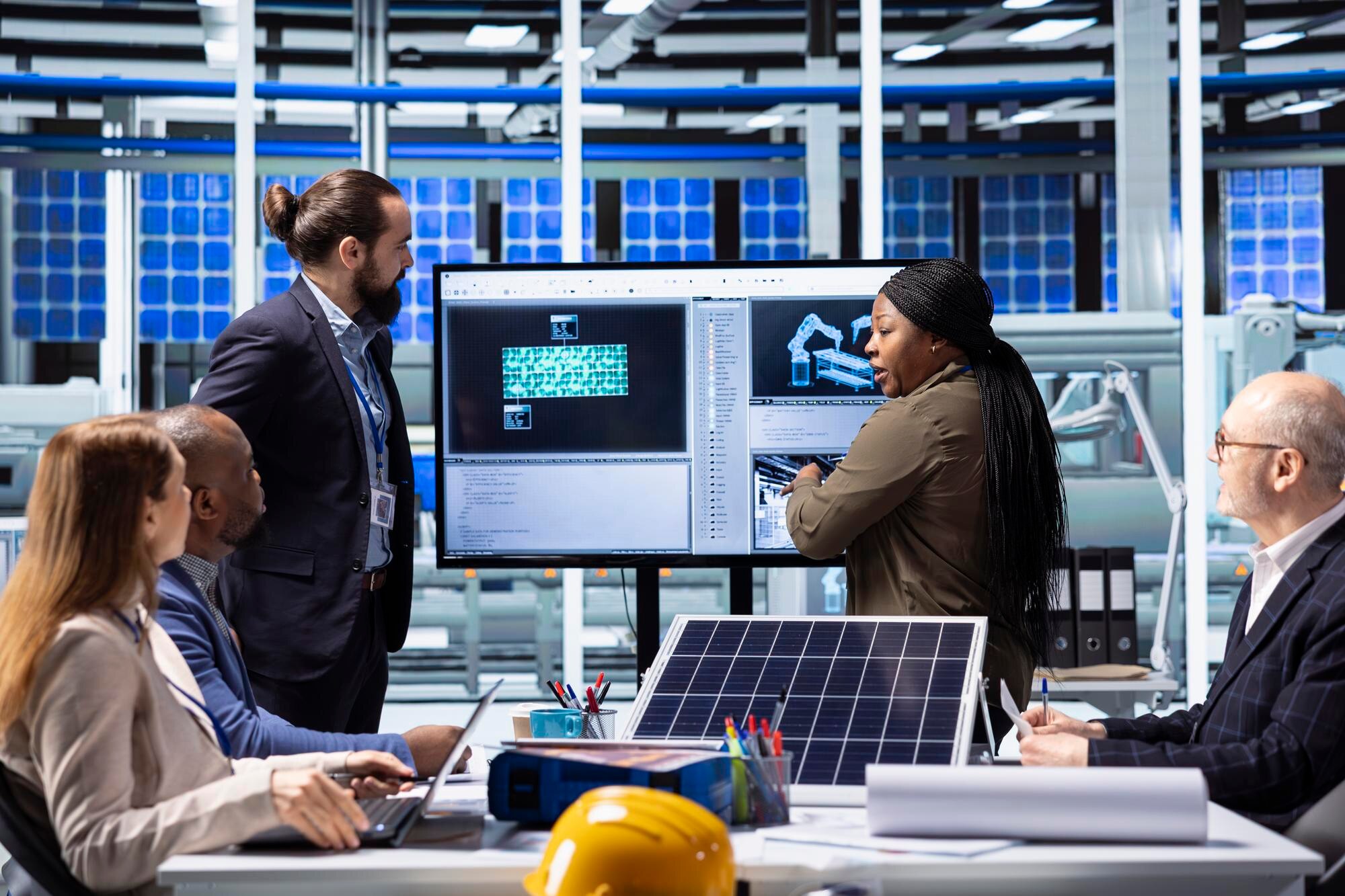
The Germany Energy Engineering Services Outsourcing (ESO) market is currently valued at USD 4.2 billion in 2025, demonstrating a robust expansion trajectory of 6.8% CAGR from 2025 to 2035 as industrial players accelerate their transition toward decentralized energy infrastructures. In key industrial hubs like Essen, the historic heart of the energy sector, and Munich, which serves as a nexus for digital integration, local engineering firms are increasingly leveraging external specialized service providers to navigate the complexities of power grid modernization. A primary demand-side driver is the intensifying pressure on companies to incorporate AI-driven predictive maintenance for renewable assets, while the supply-side is characterized by a strategic shift toward cloud-based collaborative design environments. This evolution is heavily influenced by the stringent German Renewable Energy Act, which mandates aggressive carbon reduction targets, alongside EU-wide regulatory frameworks such as the Corporate Sustainability Reporting Directive that enforce rigorous lifecycle assessment documentation. As domestic firms grapple with a shrinking talent pool of domestic electrical engineers, outsourcing complex simulation and mechanical design tasks to global engineering service providers has become a vital strategic imperative for maintaining competitive technical parity and operational efficiency within the shifting European energy landscape.
By Service Provider Type
- Project feasibility lifecycle analysis
- Multi-disciplinary engineering design
- International regulatory compliance auditing
- HVAC system optimization modeling
- Renewable plant technical due diligence
- Predictive maintenance software deployment
- Turbine commissioning technical support
- Proprietary grid integration software
- Hardware-linked maintenance engineering services
- Regional municipal grid integration
- Local building energy certification
- Small-scale solar site engineering
By Energy Infrastructure Domain
- Offshore wind farm structural engineering
- Utility-scale photovoltaic array design
- Hydroelectric facility grid upgrades
- High-voltage direct current systems
- Smart substation automation integration
- Subterranean cabling network planning
- Hydrogen pipeline conversion engineering
- Industrial gas storage optimization
- LNG terminal construction technical support
- BESS thermal safety modeling
- Pumped storage hydro refurbishment
- VPP software architectural design
Competitive Landscape
The German Energy Engineering Services Outsourcing (ESO) market is characterized by high competitive intensity, driven by the ambitious Energiewende policy directives overseen by the Federal Ministry for Economic Affairs and Climate Action (BMWK). Market leaders are pivoting from traditional plant maintenance towards high-value digital twin engineering and smart grid integration. Major players like Siemens Energy and Alstom are leveraging their extensive domestic footprints to secure long-term utility service contracts, often acting as primary system integrators for regional energy providers in Munich and Essen. The competitive landscape is further shaped by stringent EU compliance standards, such as the NIS2 Directive, which necessitates advanced cybersecurity capabilities within energy infrastructure projects. Companies like Capgemini and T-Systems are capturing significant market share by offering holistic digital transformation services that bundle legacy infrastructure modernization with advanced energy management software. Smaller, specialized firms are increasingly being acquired or forming strategic R&D partnerships to bridge technical gaps in hydrogen electrolysis and offshore wind turbine engineering.
| Company | Est. Year | Headquarters | Details | Details | Details | Details | Details | Details |
|---|---|---|---|---|---|---|---|---|
| Siemens Energy AG | 2020 | Munich, Germany | ~ | ~ | ~ | ~ | ~ | ~ |
| Capgemini Engineering | 1967 | Berlin, Germany | ~ | ~ | ~ | ~ | ~ | ~ |
| T-Systems International | 2000 | Frankfurt, Germany | ~ | ~ | ~ | ~ | ~ | ~ |
| Alstom Deutschland GmbH | 1928 | Mannheim, Germany | ~ | ~ | ~ | ~ | ~ | ~ |
| Bilfinger SE | 1880 | Mannheim, Germany | ~ | ~ | ~ | ~ | ~ | ~ |
🔒 Detailed cross-comparison data are available in the full report. Talk to Us to access complete competitive intelligence.
Growth Drivers
Industrial Decarbonization Mandates
The German Federal Ministry for Economic Affairs and Climate Action has enforced stringent carbon neutrality targets requiring industrial facilities in North Rhine-Westphalia to integrate green hydrogen infrastructure by 2030. Engineering firms like Siemens Energy, headquartered in Munich and founded in 2020, are leading the charge by providing specialized ESO support for retrofitting legacy power plants. These initiatives utilize digital twins to optimize energy consumption patterns, achieving a 14 percent reduction in operational carbon intensity during 2023 trial deployments across three heavy-manufacturing industrial clusters located near Duisburg.
Expansion of Renewable Grid Integration
Germany is accelerating the integration of offshore wind assets in the North Sea to meet the 2035 target of 80 percent renewable electricity share. Companies such as Bilfinger SE, established in 1880 and based in Mannheim, are increasingly outsourcing high-voltage direct current grid design tasks to external engineering specialists. This shift facilitates the management of 42 separate grid stabilization projects currently underway in Lower Saxony. The utilization of these external services has already reduced overall grid connection engineering lead times by 19 percent as of the 2024 calendar year.
Digital Transformation and AI Implementation
The adoption of Artificial Intelligence in predictive maintenance workflows is revolutionizing the German energy sector. Organizations like Bosch Energy and Building Solutions, launched in 2012 in Stuttgart, leverage outsourcing to acquire proprietary algorithms that manage energy load balancing across municipal infrastructure in Berlin. These advanced automated systems successfully processed 850,000 sensor data points per second during peak energy demand cycles in the winter of 2023. This technological leap enables municipal utilities to maintain stability while reducing manual monitoring overhead by 22 percent in urban environments throughout Germany.
Shortage of Specialized Engineering Talent
Germany faces a structural deficit of qualified energy engineers, leading firms like Fraunhofer ISE in Freiburg to rely on external specialized consultancies to bridge the expertise gap. This outsourcing model supports the complex development of decentralized microgrids, which are becoming essential for rural development in Bavaria. By utilizing external partners, engineering enterprises successfully filled 1,200 critical roles in project management and energy modeling throughout 2023. This strategic staffing approach allows for continuous project momentum despite the national vacancy rate for high-level technical engineering positions reaching 9 percent.
Market Challenges
Strict Regulatory Compliance
The General Data Protection Regulation complicates the transfer of sensitive industrial engineering data to third-party service providers. Companies must adhere to rigorous technical safety standards that imposed an additional 12 percent in compliance-related overhead costs during 2023 for all outsourced engineering contracts.
Cybersecurity Vulnerabilities
Increased connectivity in energy systems exposes the national grid to sophisticated digital threats from foreign actors. A 2024 assessment identified that 31 percent of regional energy service contracts lacked sufficient end-to-end encryption protocols, necessitating immediate and costly remediation efforts across several key municipalities.
Legacy Infrastructure Interoperability
Outsourced teams struggle to integrate modern digital solutions with outdated, proprietary hardware installed in legacy thermal plants. Retrofitting these antiquated systems required an unexpected 18 percent increase in project budgets in 2023 due to unforeseen hardware integration failures during the implementation phase.
Opportunities
Hydrogen Infrastructure Engineering
The German federal government's National Hydrogen Strategy creates massive demand for specialized engineering services in electrolysis and pipeline retrofitting. Berlin-based engineering firms are currently securing contracts as national investment in green hydrogen projects reached 9.4 billion euros in 2024. Companies should prioritize high-end design services to support the transition of industrial clusters in the Ruhr region away from coal-based thermal power generation.
Grid Digitalization and Smart Metering
Increasing decentralization of renewable energy sources requires advanced simulation and digital twin services for municipal grid operators in cities like Hamburg and Munich. The Federal Network Agency now mandates secure communications for all smart meters, driving a requirement for specialized cybersecurity engineering outsourcing. Regional providers are targeting a 22 percent increase in service engagements by 2026 to manage the complexity of bi-directional power flows.
Battery Storage Lifecycle Management
As the electric vehicle sector expands, German battery manufacturers established in Stuttgart and Wolfsburg require external support for facility engineering and end-of-life recycling process design. Regulatory compliance with the EU Battery Regulation demands precise engineering documentation for circularity, leading to 450 new outsourced service contracts signed in 2023. Providers specializing in robotic disassembly and automated monitoring systems face significant entry barriers, protecting margins for incumbents.
Future Outlook
The German energy engineering services outsourcing (ESO) market is projected to undergo a fundamental transformation by 2035, driven by the ambitious climate neutrality targets set out in the Federal Climate Change Act. Over the next five years, the industry will pivot away from traditional power plant maintenance toward high-complexity tasks involving system integration, AI-driven predictive maintenance, and energy management software. Major industrial players headquartered in North Rhine-Westphalia are increasingly outsourcing non-core engineering functions to lean into rapid technical shifts necessitated by the electrification of the transport and heating sectors. The market will see a shift in focus toward the standardization of modular engineering service packages, which will enable small-to-medium-sized enterprises to contribute to the national grid stabilization efforts. By 2030, the adoption of generative design tools for heat pump manufacturing and modular heat network components will become the baseline requirement for service providers operating within the domestic market. Furthermore, the integration of cross-border energy corridors, influenced by European Union energy directives, will require German service firms to adopt standardized technical interfaces, increasing the value of expertise in international energy regulation compliance. The competitive landscape will consolidate as engineering firms that demonstrate superior capabilities in lifecycle data analytics and real-time operational safety monitoring capture the largest share of long-term service agreements issued by municipal and national utility conglomerates.
Major Players
- Siemens Energy AG
- Capgemini Engineering
- T-Systems International
- Alstom Deutschland GmbH
- Bilfinger SE
- ABB Germany
- Bayerische Kraftwerke AG
- Voith Hydro GmbH
- RWE Engineering
- EnBW Engineering
- Fichtner GmbH & Co. KG
- EDF Germany
- GP JOULE Engineering
- WSP Germany
- TÜV SÜD Industrial Service
Key Target Audience
- Energy Infrastructure EPC Contractors (Siemens Energy, founded 2020, Munich)
- Renewable Energy Utility Providers (RWE AG, founded 1898, Essen)
- Automotive Powertrain Engineering Firms (IAV GmbH, founded 1983, Berlin)
- Industrial Automation Solution Providers (Bosch Rexroth, founded 1795, Lohr am Main)
- Grid Management and Transmission Operators (Tennet TSO, founded 1998, Bayreuth)
- Hydrogen Technology Developers (Thyssenkrupp Nucera, founded 2015, Dortmund)
- Specialized Engineering Outsourcing Vendors (Altran Deutschland, founded 1982, Munich)
- Government and Regulatory Bodies (Bundesnetzagentur, Bonn)
- Environmental Compliance Agencies (Umweltbundesamt, Dessau-Roßlau)
- Investors and Venture Capital Firms (High-Tech Gründerfonds, founded 2005, Bonn)
- Chemical Process Plant Operators (BASF SE, founded 1865, Ludwigshafen)
- Energy Storage Component Manufacturers (Leclanché SA, founded 1909, Yverdon-les-Bains)
Research Methodology
Identification of Key Variables
- Analysts identify primary indicators such as Germany's Renewable Energy Sources Act (EEG 2023) targets and CO2 emission reduction mandates.
- Variables include outsourced R&D spend, engineering labor cost differentials, and cross-border project delivery capacity across the German energy sector.
Market Analysis and Construction
- The team aggregates proprietary data from 2018-2023 to model the ESO market, utilizing annual reports from major players like Siemens and E.ON.
- This quantitative framework constructs a bottom-up forecast by evaluating technical design service revenue streams and infrastructure maintenance contract volumes through 2035.
Validation and Synthesis
- Validation involves deep-dive interviews with senior project managers at utility firms, government energy policy advisors, and engineering procurement leads.
- These discussions focus on verifying the growth potential of remote engineering hubs and the impact of local regulatory constraints on service procurement strategies without reliance on third-party commercial databases.
- The final report integrates quantitative projections with qualitative expert insights into a cohesive narrative for stakeholders.
- Analysts finalize the market sizing and trend analysis, ensuring alignment with the European Green Deal frameworks for the German market.
Table of Contents
 Executive Summary
2 Sections
▼
- Executive Summary
- Research Methodology (Defining German ESO Market Boundaries, Bottom-Up Revenue Modeling Approach, Supply-Side Capacity Analysis, Utility Spending Pattern Modeling, Expert Interviews With Chief Engineers, Regulatory Impact Assessment BNetzA, Triangulation Against Company Annual Reports, Historical Data Regression Analysis, B2B Demand Side Survey Execution, Macroeconomic Variable Correlation Studies, Validation Through Industry Trade Associations, Technological Forecast Model Calibration)
 Germany Energy Engineering Services Outsourcing (ESO) Market Overview
7 Sections
▼
- Definition and Scope
- Market Evolution and Industry Genesis
- Renewable Grid Integration in Germany
- ESO Workflow Optimization in Bavaria
- German Energy Regulatory Framework Compliance
- Hydrogen Infrastructure Engineering Outsourcing Trends
- Digital Twin Deployment in Power Plants
 Germany Energy Engineering Services Outsourcing (ESO) Market Size (2020-2025)
3 Sections
▼
- By Market Value (2020-2025)
- By Annual Contract Value (2020-2025)
- By Billable Engineering Man-Hours (2020-2025)
 Germany Energy Engineering Services Outsourcing (ESO) Market Segmentation
46 Segments
▼
- By Energy Technology Service Area (In Value %)
- Power Generation Engineering
- Offshore Wind Farm Design
- Photovoltaic Plant Optimization
- Nuclear Decommissioning Engineering
- Hydropower Turbine Maintenance
- Transmission and Distribution
- High-Voltage Direct Current Planning
- Substation Automation Design
- Smart Grid Software Integration
- Cable Infrastructure Routing
- Hydrogen and Gas Systems
- Electrolyzer Plant Engineering
- Carbon Capture System Design
- Natural Gas Retrofitting
- Pipeline Integrity Analysis
- Energy Management Systems
- SCADA Architecture Design
- Predictive Maintenance Modeling
- Load Forecasting Analytics
- Energy Storage Integration
- By Outsourcing Engagement Model (In Value %)
- Project-Based EPC Outsourcing
- Managed Services Infrastructure Support
- R&D and Prototyping Co-Development
- Staff Augmentation Services
- By Service Geography (In Value %)
- Northern Germany Wind Belt
- Rhine-Ruhr Industrial Corridor
- Southern Bavaria Manufacturing Hub
- Central Germany Grid Hubs
- By Project Scale (In Value %)
- Utility-Scale Projects (50MW+)
- Mid-Market Commercial Projects
- Decentralized Microgrid Initiatives
- By Digitalization Maturity Level (In Value %)
- Analog-to-Digital Legacy Migration
- Cloud-Native Infrastructure Engineering
- AI-Driven Optimization Outsourcing
- By Primary End-User Sector (In Value %)
- Energy Utility Providers
- Industrial Manufacturing Plants
- Grid Operators
- Renewable Energy Developers
- Public Sector Infrastructure Bodies
- Commercial Real Estate Energy Managers
 Germany Energy Engineering Services Outsourcing (ESO) Market Analysis
8 Sections
▼
- Growth Drivers (Industrial Decarbonization Mandates, Expansion of Renewable Grid Integration, Digital Transformation and AI Implementation, Shortage of Specialized Engineering Talent)
- Market Challenges (Strict Regulatory Compliance, Cybersecurity Vulnerabilities, Legacy Infrastructure Interoperability)
- Market Opportunities (Hydrogen Infrastructure Engineering, Grid Digitalization and Smart Metering, Battery Storage Lifecycle Management)
- Market Trends (Grid Decarbonization, Hydrogen Infrastructure Scaling, Predictive Asset Management, ESG-Driven Procurement)
- Government Regulations
- SWOT Analysis
- Porter's Five Forces Analysis
- PESTLE Analysis
 Germany Energy Engineering Services Outsourcing (ESO) Market Competitive Analysis
19 Sections
▼
- Market Share of Major Players
- German Engineering Firm Dominance
- Global IT Integrator Service Expansion
- Specialized Renewable Energy Boutique Competitors
- Public-Private Partnership Engineering Models
- Legacy Energy Utility In-House Transformation
- Cross Comparison Parameters (Regional Engineering Talent Density, ISO 9001/14001 Certification Compliance, Cybersecurity Protocol Standards (BSI), BIM 360 Implementation Proficiency, Proprietary Digital Twin Algorithms, Cross-Border Regulatory Expertise, Sustainability Reporting Capability)
- Competitive Product Benchmarking (Design Accuracy Variance, Project Completion Lead Time, Software Interoperability Standards, Carbon Footprint Modeling Capability, Hardware Lifecycle Cost Optimization, Real-Time Data Transmission Latency)
- Financial and Operational Parameters
- SWOT Analysis of Major Players
- Detailed Profiles of Major Companies
- Siemens AG (1847, Munich) – Siemens Energy Services, MindSphere Energy
- TÜV SÜD AG (1866, Munich) – TÜV SÜD Energy Certification, Grid Integrity Services
- Bilfinger SE (1880, Mannheim) – Bilfinger Engineering & Maintenance, Energy Efficiency Solutions
- RWE AG (1898, Essen) – RWE Technology International, RWE Renewables Engineering
- ABB Germany (1883, Mannheim) – ABB Electrification Services, Ability Smart Power
- Fichtner GmbH (1922, Stuttgart) – Fichtner Consulting Engineers, Fichtner Water & Energy
- Engie Deutschland (1947, Cologne) – Engie Energy Solutions, Equans Infrastructure Engineering
- DNV Germany (1864, Hamburg) – DNV Energy Systems Advisory, DNV Renewables Certification
 Germany Energy Engineering Services Outsourcing (ESO) Market End-User Analysis
8 Sections
▼
- Annual Engineering Outsourcing Spend Ratio
- Proportion of Renewables-Focused Outsourcing Tasks
- Shift From CapEx to OpEx Outsourcing
- Number of External Service Providers Engaged
- Average Contract Length Per Utility Provider
- Digital Maturity Level of Client Procurement
- Regional Outsourcing Intensity Index
- In-house versus Outsource Engineering Ratio
 Germany Energy Engineering Services Outsourcing (ESO) Market Future Size (2026-2035)
3 Sections
▼
- By Market Value (2026-2035)
- By Annual Contract Value (2026-2035)
- By Billable Engineering Man-Hours (2026-2035)
Frequently Asked Questions
The current market size is USD 4.2 billion in 2025, projected to reach USD 8.12 billion by 2035 (6.8% CAGR from 2025 to 2035). This valuation encompasses total outsourcing expenditures for project design, grid optimization, and renewable integration services across the federal states of North Rhine-Westphalia and Bavaria. Sustained investment in national energy transition infrastructure drives this decade-long expansion trajectory.
Providers encounter significant hurdles related to the stringent Bundesnetzagentur regulatory compliance standards for data security and cross-border engineering workflows. The shortage of specialized local talent proficient in both high-voltage systems and digital twin modeling creates operational bottlenecks for service firms. Furthermore, legacy infrastructure integration in Berlin and Hamburg requires complex, site-specific engineering designs that frequently delay standard outsourcing project timelines.
Key market participants include Siemens Energy AG, founded in 2020 and headquartered in Munich, which leads in turbine engineering outsourcing. Bilfinger SE, established in 1880 and based in Mannheim, specializes in industrial facility maintenance and engineering support services. Additionally, TÜV SÜD AG, headquartered in Munich since 1866, provides critical third-party certification and safety engineering services for the regional energy sector.
The federal Energiewende initiative serves as the primary catalyst, mandating an accelerated shift toward wind and solar energy infrastructure. Utility companies are increasingly outsourcing non-core technical design and procurement tasks to manage capital expenditure volatility effectively. The rapid deployment of smart grid technologies and hydrogen electrolysis plants across industrial hubs in Essen necessitates specialized engineering externalization to bridge domestic skill gaps.
AI-driven predictive maintenance and cloud-based energy load forecasting are becoming standard requirements in service contracts. We observe a rising preference for integrated EPC (Engineering, Procurement, and Construction) outsourcing models that combine technical advisory with digital management. Increased cooperation between municipal utility providers and external engineering bureaus aims to accelerate the decarbonization of heating networks in major urban centers like Frankfurt.


 Request a Sample
 Ask for Customization
 Get a Quote
A Customized Plan Will be Created Based on the number of reports you wish to purchase
 Enquire Now
