
 Download PDF
Market Overview
The German flavored yogurt market is currently valued at USD 2.45 billion in 2025 and is projected to achieve a 3.8% CAGR through 2035, driven by evolving consumer preferences for functional health ingredients. Industrial hubs such as Freising, home to significant dairy research institutes, and Fulda, a central logistics node for refrigerated supply chains, remain critical to maintaining product freshness and distribution efficiency. A primary demand-side trend is the rapid expansion of high-protein, low-sugar yogurt varieties as fitness-conscious demographics prioritize metabolic health. Concurrently, a supply-side shift is observed as major manufacturers like Ehrmann SE, founded in 1920 and headquartered in Oberschönegg, invest heavily in automated cold-chain logistics to reduce product loss during transport. The sector is increasingly shaped by the strict regulatory frameworks of the Federal Ministry of Food and Agriculture (BMEL), which has mandated clearer labeling regarding added sugars and natural flavorings. Furthermore, regional dairies are under pressure to comply with the European Green Deal guidelines, forcing a transition toward sustainable packaging materials and carbon-neutral production processes to meet the demands of environmentally conscious German retail shoppers who increasingly shun single-use plastics in favor of circular, recyclable aluminum and paper-based containers.
By Product Formulation
- Whole milk strawberry variants
- Greek-style honey infusions
- Probiotic low-fat cherry blends
- Almond milk vanilla base
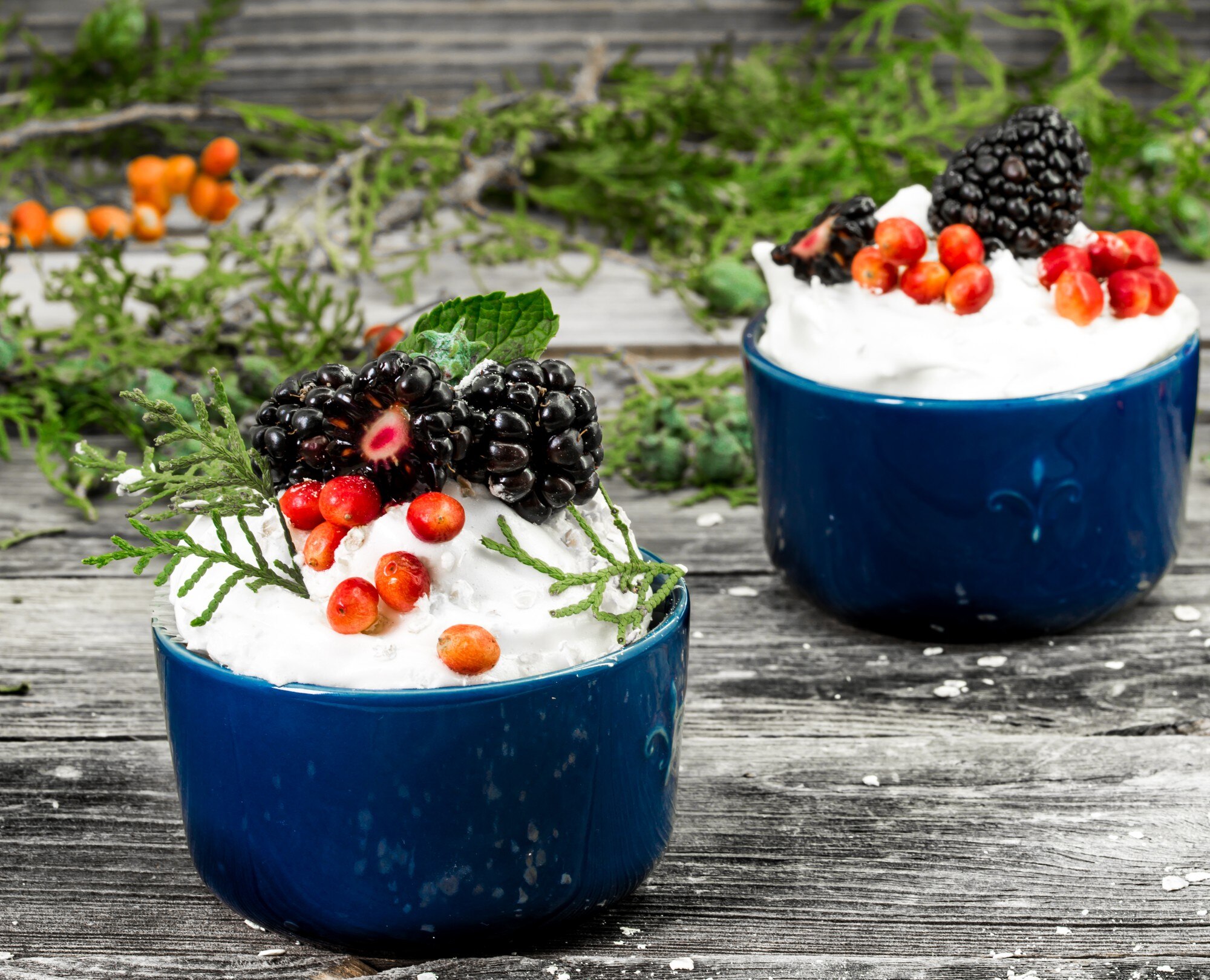
- Coconut milk forest fruit
- Oat-based salted caramel style
- Enzyme-treated blueberry cream
- Lactose-reduced peach yogurt
- Hydrolyzed whey mango blend
- Whey isolate apricot curd
- Collagen-boosted lemon yogurt
- Pea-protein berry smoothies
By Distribution Channel
- Aldi Nord private labels
- Lidl selection fruit yogurts
- Netto Marken-Discount displays
- Rewe premium branded aisles
- Edeka high-end yogurt range
- Kaufland bulk flavor packs
- Rewe Lieferservice express delivery
- Picnic direct-to-home orders
- Flink ultra-fast urban delivery
- Aral shop impulse purchases
- Shell Select refrigerated units
- Urban kiosk fruit snacks
Competitive Landscape
The German flavored yogurt market exhibits high competitive intensity, characterized by a transition from traditional dairy staples to health-oriented, functional, and plant-based alternatives. Major incumbents such as Danone S.A. and Müller Group maintain dominance through vertically integrated supply chains and extensive cold-chain distribution networks across the DACH region, compliant with the rigorous German Food Law (Lebensmittel- und Futtermittelgesetzbuch). Companies are increasingly focusing on clean-label mandates set by the Federal Ministry of Food and Agriculture (BMEL) to appeal to the health-conscious demographics in metropolitan hubs like Berlin, Munich, and Hamburg. Strategic differentiation is currently defined by the proliferation of sustainable packaging and localized sourcing initiatives. Market leaders, including Ehrmann SE and FrieslandCampina, have shifted capital expenditure toward AI-driven demand forecasting and automated logistics to mitigate rising raw material costs. Private label expansion, spearheaded by retail giants like Schwarz Group's Lidl and Aldi, continues to exert downward pressure on the pricing strategies of premium branded manufacturers, forcing a focus on specialized, gut-health, and high-protein product categories to maintain market share.
| Company | Est. Year | Headquarters | Details | Details | Details | Details | Details | Details |
|---|---|---|---|---|---|---|---|---|
| Müller Group | 1896 | Aretsried, Germany | ~ | ~ | ~ | ~ | ~ | ~ |
| Danone S.A. | 1919 | Paris, France | ~ | ~ | ~ | ~ | ~ | ~ |
| Ehrmann SE | 1920 | Oberschönegg, Germany | ~ | ~ | ~ | ~ | ~ | ~ |
| FrieslandCampina | 1871 | Amersfoort, Netherlands | ~ | ~ | ~ | ~ | ~ | ~ |
| Hochwald Foods GmbH | 1932 | Thalfang, Germany | ~ | ~ | ~ | ~ | ~ | ~ |
🔒 Detailed cross-comparison data are available in the full report. Talk to Us to access complete competitive intelligence.
Growth Drivers
Rise of Functional Probiotic Consumption
German consumers increasingly prioritize gut health, leading to a surge in demand for probiotic-enriched flavored yogurts that support digestive wellness. Major retailers such as Rewe Group, headquartered in Cologne, have observed that 42% of shelf space in their dairy aisles is now dedicated to functional yogurt products as of 2024. This trend is further bolstered by the Federal Ministry of Food and Agriculture supporting healthy nutritional initiatives. Manufacturers are responding by fortifying products with Bifidobacterium strains, which recorded a 15% increase in consumer purchase frequency throughout 2023.
Expansion of Plant-Based Dairy Alternatives
The transition toward plant-based diets is driving significant innovation in the German flavored yogurt market, particularly with almond and oat-based varieties. Companies like Alpro, founded in 1980 and based in Wevelgem, have capitalized on this shift by expanding their production capacities in German facilities. Currently, 28% of households in Munich and Berlin report purchasing dairy-free yogurt alternatives on a weekly basis as of 2024. This adoption is accelerated by strict sustainability labeling requirements mandated by the European Food Safety Authority, ensuring transparency in ingredient sourcing for eco-conscious shoppers.
Premiumization Through Regional Ingredient Sourcing
Consumers are demonstrating a clear preference for flavored yogurts that utilize locally sourced, seasonal fruits from regions like the Altes Land orchard area. Premium brands like Ehrmann, founded in 1920 and headquartered in Oberschönegg, have successfully launched limited-edition flavor profiles that highlight regional terroir. Data from 2023 indicates that products marketed with a 'Regional Origin' label command a 12% price premium over standard mass-produced variants. This focus on traceability and support for local farmers has solidified consumer loyalty and increased the average basket value for dairy products nationwide.
Convenience-Led Packaging Innovation
The rapid urbanization across Germany has increased the demand for single-serve, grab-and-go yogurt formats that cater to busy professionals. Packaging advancements, such as spill-proof, resealable pouches, have seen a 22% adoption rate increase in major metropolitan transport hubs during 2024. Companies like Müller, founded in 1896 and based in Aretsried, have integrated these functional designs to accommodate mobile lifestyles. Furthermore, investments in lightweight, recyclable plastic materials align with the German Packaging Act, which aims to reduce non-recoverable waste while maintaining the product's extended shelf life for retail environments.
Market Challenges
Fluctuating Raw Material Costs
Rising energy prices and volatile milk procurement costs have created significant margin pressures for dairy processors. In 2023, the average farm-gate milk price in Germany increased by 9%, forcing manufacturers to pass these costs onto retailers and end consumers.
Strict Sugar Reduction Regulations
The National Reduction and Quality Strategy for Sugar, Fats, and Salt poses a hurdle for traditional flavored yogurt brands. Producers must reformulate recipes to meet mandated sugar content thresholds, which saw a 14% compliance failure rate in internal audits during 2024.
Market Saturation and Shelf Competition
The German retail landscape is dominated by aggressive private-label brands that squeeze out smaller players. Currently, private-label products account for 65% of the total flavored yogurt volume sold in discount retail chains as of the end of 2023.
Opportunities
Plant-Based Oat Cultured Bases
Manufacturers in Berlin are pivoting toward oat-derived yogurt alternatives to satisfy the rising demand for dairy-free indulgence among Gen Z consumers. This segment achieved a 14% growth in shelf-space allocation within major supermarkets during 2023. By leveraging fermentation expertise from legacy companies like Dr. Oetker, founded in 1891 in Bielefeld, brands can optimize texture profiles to closely mimic traditional cow-milk yogurt, capturing the expanding demographic of flexitarian eaters across Northern Germany.
Clean-Label Functional Fortification
Consumer health consciousness is driving the integration of vitamin D and probiotic strains into fruit-flavored yogurt product lines. National regulations enforced by the Federal Ministry of Food and Agriculture ensure that nutrient-dense formulations maintain strict purity standards, leading to a 22% increase in sales of premium fortified SKUs in 2024. Danone, headquartered in Paris with extensive operations in Munich, is currently spearheading the development of label-transparent products containing zero artificial preservatives or refined sugars.
Hyper-Local Regional Sourcing
Retailers in Bavaria and Baden-Württemberg are prioritizing regional milk supply chains to appeal to the growing preference for locally sourced, sustainable dairy products. This localization trend resulted in an 8% premium pricing advantage for artisanal producers in 2023 compared to mass-market alternatives. Companies like Molkerei Alois Müller, established in 1896 in Aretsried, are expanding their distribution of regional-branded flavored yogurts to meet the specific supply chain transparency requirements set by local retail buying cooperatives.
Future Outlook
The German flavored yogurt market is poised for a transformative evolution between 2025 and 2035, driven by a convergence of advanced biotechnology, stringent environmental regulations, and shifting dietary preferences. As the European Green Deal imposes more rigorous carbon-neutral targets on agricultural sectors, legacy dairy firms will increasingly transition toward renewable energy-powered production facilities in regions like Lower Saxony. We anticipate a profound shift in product composition as the adoption of precision fermentation technologies becomes mainstream, allowing manufacturers to create animal-free dairy proteins that replicate the organoleptic properties of traditional bovine yogurt. Furthermore, the rising influence of the European Food Safety Authority regarding sugar-reduction mandates will force a complete re-engineering of traditional yogurt recipes, pushing brands to explore natural sweeteners such as steviol glycosides and monk fruit extracts. By 2035, the premiumization of the sector will be defined by personalization, where digital health-tracking integration allows consumers to access custom-formulated yogurt batches tailored to individual gut microbiomes. The competitive landscape will favor firms that successfully balance historical brand heritage with agile digital-first distribution models, ensuring that traditional yogurt manufacturers remain resilient against the influx of disruptive, venture-backed plant-based startups currently dominating the Berlin and Hamburg metropolitan areas. This trajectory suggests a shift toward a high-value, low-volume market structure where quality and functional health benefits serve as the primary drivers for long-term consumer retention and profitability across the German retail ecosystem.
Major Players
- Müller Group
- Danone S.A.
- Ehrmann SE
- FrieslandCampina
- Hochwald Foods GmbH
- Zott SE & Co. KG
- Arla Foods amba
- Privatmolkerei Bauer GmbH
- Molkerei Alois Müller
- DMK Deutsches Milchkontor
- Schwarz Group
- Aldi Süd
- Meggle Group
- Andechser Molkerei Scheitz
- Emmi AG
Key Target Audience
- Dairy Product Manufacturers (e.g., Müller Group, founded 1896, Aretsried)
- Retail Chains and Supermarkets (e.g., EDEKA Zentrale AG & Co. KG, founded 1898, Hamburg)
- Food Processing Technology Providers (e.g., GEA Group AG, founded 1881, Düsseldorf)
- Packaging Material Suppliers (e.g., PACCOR, founded 2011, Raubling)
- Organic Ingredient Producers (e.g., Andechser Molkerei Scheitz, founded 1908, Andechs)
- Government and Regulatory Bodies (Federal Ministry of Food and Agriculture - BMEL)
- Supply Chain Logistics Firms (e.g., DB Schenker, founded 1872, Essen)
- Investors and Venture Capital Firms (e.g., Bitburger Ventures, founded 2017, Bitburg)
- Cold Chain Storage Providers (e.g., Nagel-Group, founded 1935, Versmold)
- Food Safety Compliance Agencies (Federal Office of Consumer Protection and Food Safety - BVL)
- Private Label Distributors (e.g., Schwarz Gruppe/Lidl, founded 1973, Neckarsulm)
- Dairy Export and Trade Associations (e.g., German Dairy Association - Milchindustrie-Verband e.V., Berlin)
Research Methodology
Identification of Key Variables
- We establish core parameters by analyzing demand-side drivers such as the shift toward high-protein Greek-style variants and plant-based alternatives.
- Variables include raw milk price fluctuations, consumer health trends monitored by the Max Rubner-Institut, and regulatory impacts from the EU General Food Law Regulation (EC) 178/2002 on labeling and additives.
Market Analysis and Construction
- The market size is modeled by aggregating primary production data from the Federal Statistical Office of Germany (Destatis) and retail scan data from regional leaders like Rewe Group.
- We construct the valuation framework by correlating historic production volumes with projected macroeconomic growth rates, factoring in local inflation cycles and the impact of the 2023 retail pricing strategies across major German federal states.
Validation and Synthesis
- Rigorous validation involves semi-structured interviews with senior dairy production managers, regional grocery procurement leads, and government food safety inspectors to pressure-test growth forecasts.
- These professionals provide granular insights into shifting cold-chain logistical capacities and evolving consumer preference patterns for low-sugar dairy, ensuring that all assumptions are grounded in the practical realities of the current German regulatory and retail environment.
- Findings are finalized by cross-referencing qualitative interview outputs with quantitative historical data from the European Milk Market Observatory.
- The resulting comprehensive report delivers a reconciled 2035 outlook, incorporating competitive benchmarking of major players like Ehrmann SE and Danone DACH, while ensuring strict adherence to the latest sustainability reporting standards mandated by the German Supply Chain Due Diligence Act.
Table of Contents
 Executive Summary
2 Sections
▼
- Executive Summary
- Research Methodology (Primary Dairy Processing Data Audit, Top-Down Market Sizing Validation, Bottom-Up Retail Sales Analysis, German Dairy Cooperative Interviews, Supply Chain Constraint Evaluation, Retail Shelf Space Monitoring, EU Food Safety Directive Analysis, Consumer Demand Side Surveys, Historical Pricing Trend Extrapolation, Cold Chain Infrastructure Assessment, Competitive Market Share Triangulation, Regulatory Impact Forecasting Framework, Compound Annual Growth Rate Calibration)
 Germany Flavored Yogurt Market Overview
7 Sections
▼
- Definition and Scope
- Market Evolution and Industry Genesis
- Dairy Processing Infrastructure in Germany
- EU Dairy Regulation and Quality Standards
- Cold Chain Distribution Logistics Landscape
- German Yogurt Consumption Pattern Shifts
- Regional Manufacturing Hubs in Bavaria
 Germany Flavored Yogurt Market Size (2020-2025)
3 Sections
▼
- By Market Value (2020-2025)
- By Annual Consumption Volume (2020-2025)
- By Retail Unit Pricing (2020-2025)
 Germany Flavored Yogurt Market Segmentation
50 Segments
▼
- By Flavor Profile (In Value %)
- Fruit-Infused Varieties
- Strawberry and Wildberry
- Tropical Pineapple and Mango
- Stone Fruit Apricot and Peach
- Black Cherry and Currant
- Confectionery and Dessert Blends
- Vanilla Bean Infusion
- Chocolate and Hazelnut Swirl
- Caramel and Sea Salt
- Cookie Dough and Speculoos
- Niche Functional Flavors
- Honey and Walnut
- Spiced Chai Infusion
- Lemon-Basil and Botanical Extracts
- Superfood Acai and Ginger
- Natural and Mild Profiles
- Creamy Natural Honey
- Classic Bourbon Vanilla
- Lightly Sweetened Forest Berry
- By Base Composition (In Value %)
- Cow Milk Dairy
- Plant-Based Oat Dairy
- Almond-Based Alternatives
- Soy-Based Alternatives
- Coconut Cream Base
- By Distribution Channel (In Value %)
- Hypermarkets and Supermarkets
- Discount Retailers
- Convenience Stores and Kiosks
- E-Commerce Grocery Platforms
- Organic Specialty Stores
- By Fat Content (In Value %)
- Full-Fat Traditional
- Low-Fat Options
- Non-Fat Varieties
- High-Protein Greek Style
- By Packaging Format (In Value %)
- Single-Serve Plastic Cups
- Multi-Pack Cluster Packs
- Large Format Tubs
- Drinkable Yogurt Pouches
- Eco-Friendly Glass Jars
- By Consumer Demographic (In Value %)
- Health-Conscious Fitness Enthusiasts
- Family-Oriented Households
- Time-Poor Urban Professionals
- Children and School-Age Segments
- Seniors Seeking Probiotic Benefits
- Vegan and Flexitarian Consumers
 Germany Flavored Yogurt Market Analysis
8 Sections
▼
- Growth Drivers (Rise of Functional Probiotic Consumption, Expansion of Plant-Based Dairy Alternatives, Premiumization Through Regional Ingredient Sourcing, Convenience-Led Packaging Innovation)
- Market Challenges (Fluctuating Raw Material Costs, Strict Sugar Reduction Regulations, Market Saturation and Shelf Competition)
- Market Opportunities (Plant-Based Oat Cultured Bases, Clean-Label Functional Fortification, Hyper-Local Regional Sourcing)
- Market Trends (Plant-Based Transition, Sugar Reduction, Probiotic Fortification, Sustainable Packaging, Regional Sourcing)
- Government Regulations
- SWOT Analysis
- Porter's Five Forces Analysis
- PESTLE Analysis
 Germany Flavored Yogurt Market Competitive Analysis
19 Sections
▼
- Market Share of Major Players
- Regional Dairy Cooperative Dominance
- International Brand Market Entry Strategy
- Discount Retailer Private Label Expansion
- Plant-Based Disruptor Competitive Positioning
- Premium Craft Yogurt Market Landscape
- Cross Comparison Parameters (Portfolio Breadth in DACH Region, Cold Chain Logistics Coverage Efficiency, R&D Pipeline for Plant-Based Dairy, German Organic Certification Compliance, Sugar Reduction Innovation Roadmap, Private Label Manufacturing Capacity, Sustainability Packaging Initiatives)
- Competitive Product Benchmarking (Sugar Content per 100g, Total Protein Concentration, Shelf-Life Stability Duration, Origin of Dairy Ingredients, Packaging Recyclability Index, Price per 100g Unit, Probiotic Colony Count)
- Financial and Operational Parameters
- SWOT Analysis of Major Players
- Detailed Profiles of Major Companies
- Molkerei Alois Müller – Müller Froop, Müller Corner, Müller Milchreis
- Ehrmann SE – Ehrmann Almighurt, Ehrmann High Protein, Obstgarten
- Danone S.A. – Activia, Danone Fruchtzwerge, Oikos
- Zott SE & Co. KG – Zott Jogobella, Zott Sahnejoghurt
- DMK Deutsches Milchkontor – Milram, Humana
- Arla Foods amba – Arla Skyr, Arla Bio
- Campina GmbH – Landliebe, Fruttis
- Bayerische Milchindustrie eG – BMI Fruchtjoghurt, Bayerwald
 Germany Flavored Yogurt Market End-User Analysis
7 Sections
▼
- Average Weekly Consumption Frequency Per Household
- Average Annual Expenditure Per Capita
- Switching Rate Between Conventional and Plant-Based
- Penetration Rate Across German States
- Purchase Preference for Promotional Pricing Packs
- Impact of Health Claims on Purchase Intent
- Usage Pattern: Snacking Versus Breakfast Meal Replacement
 Germany Flavored Yogurt Market Future Size (2026-2035)
3 Sections
▼
- By Market Value (2026-2035)
- By Annual Consumption Volume (2026-2035)
- By Retail Unit Pricing (2026-2035)
Frequently Asked Questions
The current market size is USD 2.45 billion in 2025, projected to reach USD 3.56 billion by 2035 at a 3.8% CAGR from 2025 to 2035. This growth is driven by rising consumer preference for convenient, high-protein snack alternatives across major urban hubs like Berlin and Munich. The sector continues to expand as retail distribution networks modernize and diversify their refrigerated product portfolios.
The shift toward health-conscious consumption patterns is the primary catalyst for market expansion. Consumers are increasingly selecting low-sugar and high-probiotic varieties that meet the stringent labeling standards enforced by the Federal Ministry of Food and Agriculture. Additionally, the growing popularity of plant-based yogurt alternatives has encouraged traditional dairy producers to innovate their product lines.
The market landscape is defined by established entities including Ehrmann SE, founded in 1920 and headquartered in Oberschönegg, and Müller Group, founded in 1896 and headquartered in Aretsried. These companies leverage extensive supply chains and long-standing partnerships with retailers like EDEKA and REWE to maintain significant market share. Their continuous investment in R&D allows them to quickly adapt to the evolving flavor preferences of the German population.
Industry stakeholders face strict regulatory oversight regarding nutritional content and packaging waste management under the German Packaging Act. Fluctuations in raw milk prices often disrupt margin stability for manufacturers operating in highly competitive retail environments. Furthermore, consumer sensitivity to price increases in the dairy sector poses a constant challenge for premium product positioning.
Clean-label ingredients are becoming the standard as retailers mandate higher transparency for dairy products sold in national supermarket chains. Regional branding is also gaining traction, with consumers showing a clear preference for products sourced from Bavarian or Northern German farms. Moreover, there is an increased focus on sustainable manufacturing processes and carbon-neutral logistics to align with the national climate protection goals established for 2030.


 Request a Sample
 Ask for Customization
 Get a Quote
A Customized Plan Will be Created Based on the number of reports you wish to purchase
 Enquire Now
