
 Download PDF
 Download PDF
Market Overview
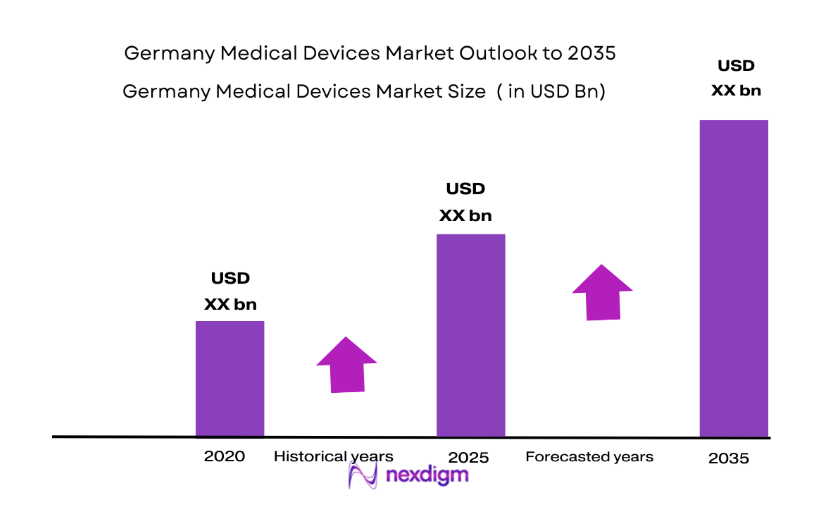
The Germany Medical Devices Market is estimated to be valued at USD ~ billion, driven by advancements in healthcare technology, increasing demand for diagnostic and therapeutic devices, and the rise in aging populations. The market growth is fueled by consistent investments in medical infrastructure, innovation in medical device technologies, and the need for more efficient healthcare solutions. Government initiatives and regulatory frameworks also support the growth of this market.
Germany, being one of the largest medical device markets in Europe, is characterized by a robust healthcare infrastructure and high demand for advanced medical devices. Major cities such as Berlin, Munich, and Frankfurt are key players in the market due to their developed healthcare systems and research capabilities. These cities benefit from strong healthcare policies, access to cutting-edge technologies, and the presence of global players in the medical devices sector.
Market Segmentation
By Product Type
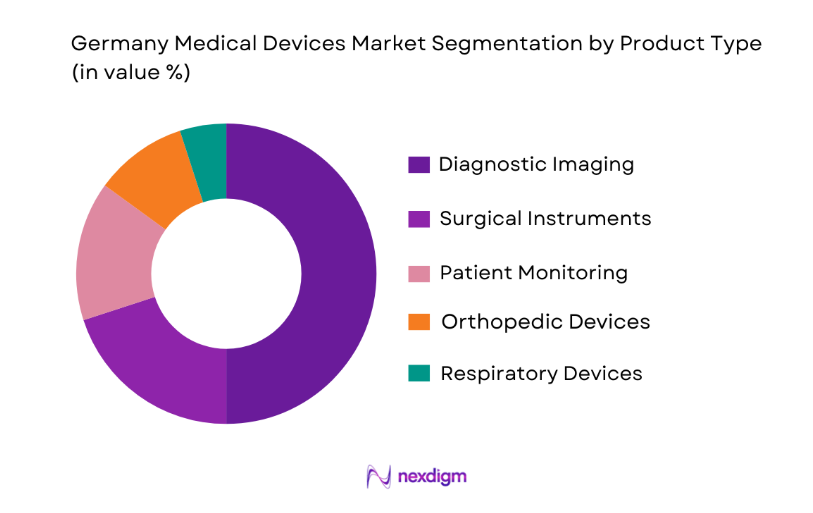
The Germany Medical Devices Market is segmented by product type into diagnostic devices, therapeutic devices, monitoring devices, surgical devices, and orthopedic devices. Recently, diagnostic devices have dominated the market due to the increasing prevalence of chronic diseases, the need for early detection, and advancements in imaging technologies. The high demand for non-invasive diagnostic methods and the growing focus on preventive healthcare have boosted this segment’s share.
By End User Segment
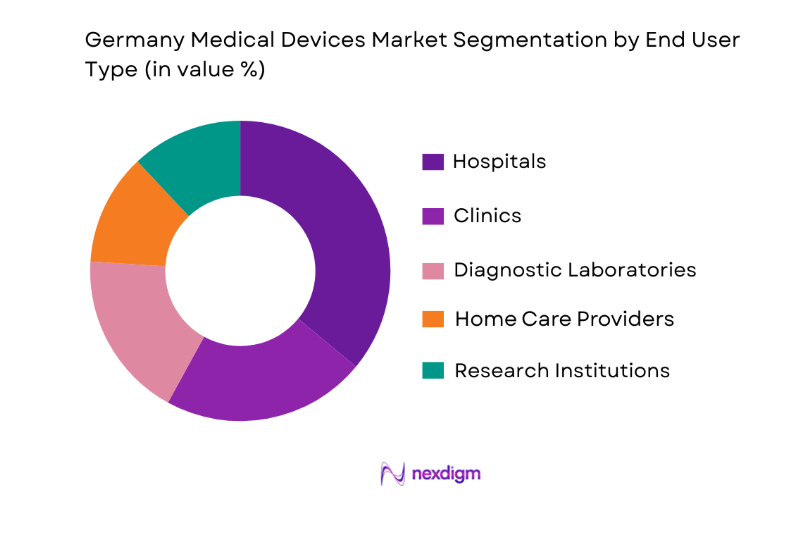
The Germany Medical Devices Market is segmented by end user into hospitals, clinics, diagnostic laboratories, home care providers, and research institutions. Hospitals are the dominant sub-segment due to the increasing demand for sophisticated medical treatments and advanced healthcare facilities. The growing number of patients requiring both inpatient and outpatient services contributes significantly to the demand for medical devices in hospitals.
Competitive Landscape
The Germany Medical Devices Market is highly competitive with consolidation among key players and the influence of global companies in shaping the market dynamics. Major players are involved in continuous research and development to meet the rising demand for advanced medical technologies. Innovation, regulatory compliance, and strategic partnerships play a key role in maintaining competitiveness in the market.
| Company Name | Establishment Year | Headquarters | Technology Focus | Market Reach | Key Products | Revenue | Additional Parameter |
| Siemens Healthineers | 1847 | Erlangen, Germany | ~ | ~
|
~
|
~
|
~
|
| Philips Healthcare | 1891 | Amsterdam, Netherlands | ~
|
~
|
~
|
~
|
~
|
| Medtronic | 1949 | Dublin, Ireland | ~
|
~
|
~
|
~
|
~
|
| GE Healthcare | 1892 | Chicago, USA | ~
|
~
|
~
|
~
|
~
|
| B. Braun Melsungen AG | 1839 | Melsungen, Germany | ~
|
~
|
~
|
~
|
~
|
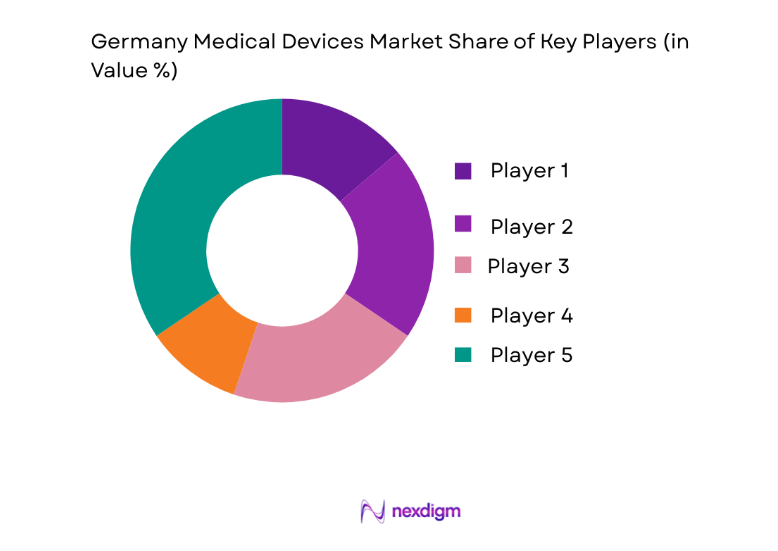
Germany Medical Devices Market Analysis
Growth Drivers
Technological Advancements
The German medical devices market is significantly driven by technological innovations in medical devices, such as AI integration in diagnostics and improvements in imaging technologies. These advancements allow for faster, more accurate diagnoses and treatments, improving patient outcomes. The increasing adoption of minimally invasive devices, along with advancements in robotic surgeries and telemedicine, has further strengthened the market’s growth trajectory. Additionally, Germany’s well-established healthcare infrastructure and the demand for sophisticated medical technologies continue to drive innovation and investment in the sector.
Rising Chronic Disease Prevalence
The increasing prevalence of chronic diseases in Germany, such as diabetes, cardiovascular disorders, and cancer, has led to a surge in demand for medical devices, particularly in diagnostics and monitoring. The aging population in Germany exacerbates the situation, as older individuals are more likely to suffer from chronic health conditions. The growing need for early diagnosis and continuous monitoring, combined with Germany’s advanced healthcare system, has significantly contributed to the growth of the medical devices market.
Market Challenges
High Regulatory Compliance Costs
The German medical devices market faces significant challenges in meeting stringent regulatory compliance standards set by European and national authorities. Companies must adhere to complex regulatory frameworks that govern product approval, safety, and quality standards. This increases the cost of manufacturing and slows down the time to market for new products. Regulatory delays and additional expenses associated with maintaining compliance with these evolving regulations create hurdles for companies looking to enter or expand in the market.
Technological Integration and Compatibility
The rapid pace of technological advancements in medical devices has posed challenges for the integration and compatibility of new technologies with existing systems. Healthcare providers and institutions in Germany face challenges in adopting cutting-edge devices due to concerns about the interoperability of new devices with existing infrastructure. The need for seamless integration with electronic health records, diagnostic systems, and other digital healthcare platforms remains a significant challenge for the sector.
Opportunities
Expansion of Home Healthcare Device
The growing preference for home healthcare solutions in Germany presents an opportunity for medical device companies to expand their product offerings. The demand for home-based monitoring devices, remote diagnostics, and telehealth platforms has surged in recent years, particularly driven by the aging population and the COVID-19 pandemic. Medical device manufacturers can leverage this trend by focusing on developing more affordable and user-friendly home healthcare devices that cater to the needs of elderly patients and individuals with chronic conditions.
Technological Integration in Medical Devices
As Germany continues to push for digital healthcare solutions, the integration of emerging technologies such as artificial intelligence (AI) and machine learning (ML) in medical devices presents significant opportunities for innovation. These technologies can enhance the precision and efficiency of diagnostic tools and patient monitoring systems, creating demand for more advanced medical devices. Companies that incorporate AI and ML into their products will have a competitive edge, especially as hospitals and healthcare providers seek to improve patient care through advanced technological solutions.
Future Outlook
The Germany Medical Devices Market is poised for steady growth over the next five years. The continued demand for advanced diagnostic tools, surgical devices, and home healthcare solutions will drive market expansion. Technological innovations, coupled with government support for healthcare infrastructure, will play a pivotal role in shaping the future of the market. Furthermore, increased focus on personalized medicine and digital health technologies is expected to revolutionize the industry, opening up new opportunities for growth.
Major Players
- Siemens Healthineers
- Philips Healthcare
- Medtronic
- GE Healthcare
- B. Braun Melsungen AG
- Johnson & Johnson
- Stryker Corporation
- Fresenius Medical Care
- Abbott Laboratories
- Roche Diagnostics
- Zimmer Biomet
- Boston Scientific
- Thermo Fisher Scientific
- Carl Zeiss AG
- Elekta
Key Target Audience
- Investments and venture capitalist firms
- Government and regulatory bodies
- Hospitals and healthcare providers
- Medical device manufacturers
- Healthcare technology developers
- Distributors of medical devices
- Health insurance companies
- Research institutions
Research Methodology
Step 1: Identification of Key Variables
The first step involves identifying the key market variables such as product types, end-users, and technologies that affect market growth.
Step 2: Market Analysis and Construction
This step involves constructing a detailed market analysis by examining historical data, current trends, and market demand.
Step 3: Hypothesis Validation and Expert Consultation
Experts in the medical device sector are consulted to validate hypotheses and refine market assumptions.
Step 4: Research Synthesis and Final Output
Finally, all the collected data is synthesized into a comprehensive market report with actionable insights.

- Executive Summary
- Research Methodology (Definitions, Scope, Industry Assumptions, Market Sizing Approach, Primary & Secondary Research Framework, Data Collection & Verification Protocol, Analytic Models & Forecast Methodology, Limitations & Research Validity Checks)

- Market Definition and Scope
- Value Chain & Stakeholder Ecosystem
- Regulatory / Certification Landscape
- Sector Dynamics Affecting Demand

- Growth Drivers
Increase in Aging Population
Technological Advancements in Medical Devices
Rise in Chronic Diseases - Market Challenges
High Regulatory Compliance Costs
Reimbursement Issues
Intense Competition - Market Opportunities
Expansion of Home Healthcare Devices
Technological Integration in Medical Devices
Emerging Markets and Global Expansion - Trends
Minimally Invasive Surgery Technologies
Integration of Artificial Intelligence in Diagnostics
Telemedicine and Remote Monitoring Growth - Government Regulations

- By Market Value, 2020-2025
- By Installed Units, 2020-2025
- By Average System Price, 2020-2025
- By System Complexity Tier, 2020-2025

- By System Type (In Value%)
Diagnostic Devices
Therapeutic Devices
Monitoring Devices
Surgical Devices
Orthopedic Devices - By Platform Type (In Value%)
Hospital-based Platforms
Homecare Platforms
Mobile Platforms
Point-of-care Platforms
Telemedicine Platforms - By Fitment Type (In Value%)
Invasive Devices
Non-invasive Devices
Implantable Devices
Wearable Devices
Smart Devices - By End User Segment (In Value%)
Hospitals
Clinics
Diagnostic Laboratories
Home Care
Providers
Research Institutions - By Procurement Channel (In Value%)
Direct Procurement
Distributors
Online Procurement

- Market Share Analysis
- Cross Comparison Parameters (System Type, Platform Type, Procurement Channel, End User Segment, Fitment Type)
- SWOT Analysis of Key Competitors
- Pricing & Procurement Analysis
- Porter’s Five Forces
- Key Players
- Siemens Healthineers
Philips Healthcare
Medtronic
B. Braun Melsungen AG
GE Healthcare
Johnson & Johnson
Stryker Corporation
Fresenius Medical Care
Abbott Laboratories
Roche Diagnostics Zimmer Biomet
Boston Scientific
Thermo Fisher Scientific
Carl Zeiss AG
Elekta

- Increased Demand from Hospitals
- Rising Popularity of Homecare Devices
- Expansion of Diagnostic Centers
- Government Support for Healthcare Infrastructure

- Forecast Market Value, 2026-2035
- Forecast Installed Units, 2026-2035
- Price Forecast by System Tier, 2026-2035
- Future Demand by Platform, 2026-2035


 Request a Sample
 Ask for Customization
 Get a Quote
 Enquire Now