
 Download PDF
Market Overview
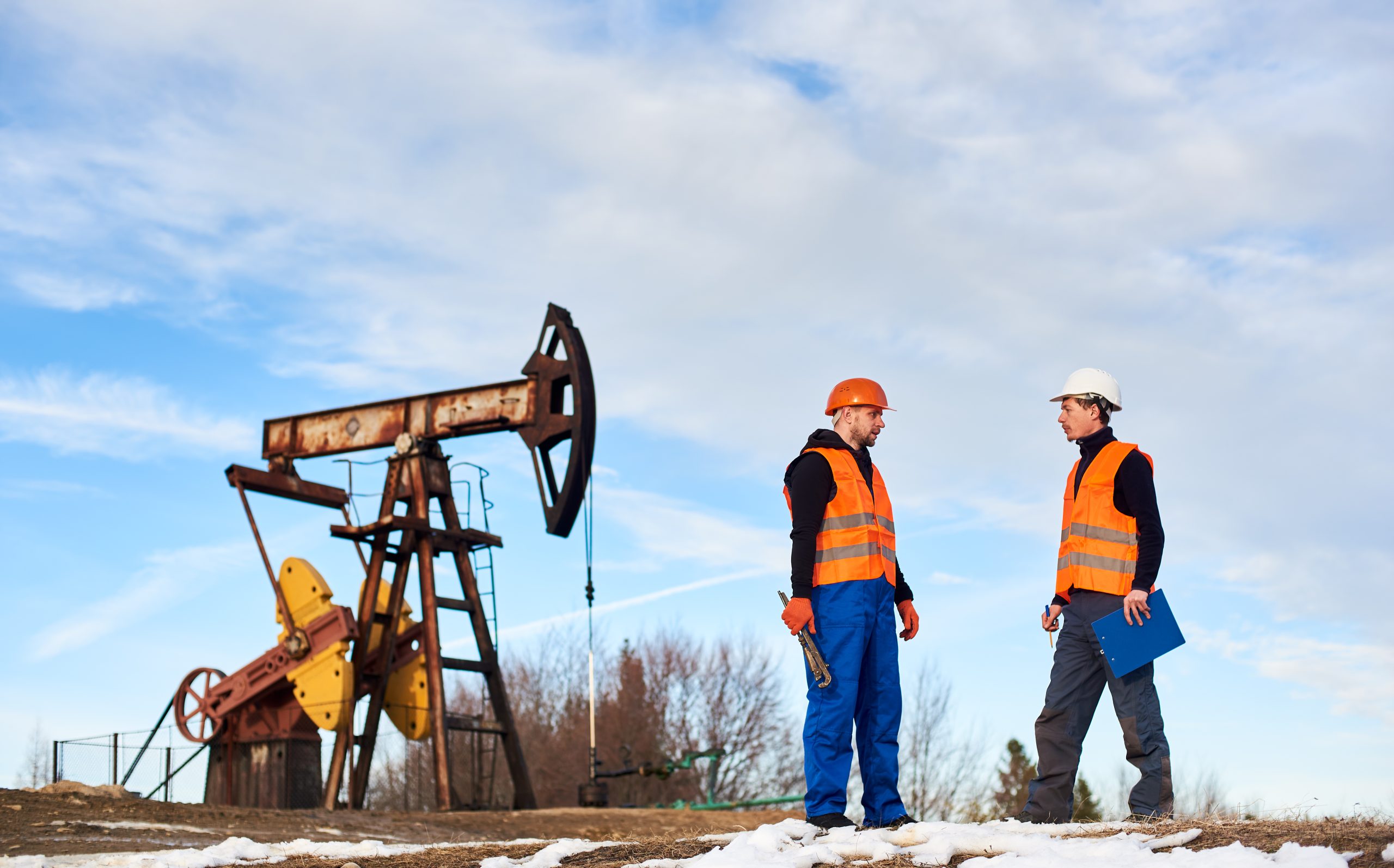
The Germany oilfield power systems market is valued at USD 2.45 billion in 2025, expanding at a 4.8% CAGR from 2025 to 2035 as the sector navigates a complex energy transition. Industrial hubs like Wilhelmshaven and Emden remain critical to this landscape, serving as primary gateways for maritime infrastructure maintenance and offshore grid integration. A significant demand-side trend is the rapid electrification of offshore production platforms to displace legacy diesel-powered generators, driven by the need for operational efficiency in deep-water assets. On the supply side, major engineering conglomerates like Siemens Energy, headquartered in Munich, and MAN Energy Solutions, founded in 1758 and based in Augsburg, are pivoting their product portfolios toward high-efficiency gas turbine systems and hybrid battery storage technologies. This pivot is heavily influenced by the German Federal Ministry for Economic Affairs and Climate Action, which enforces the Federal Climate Change Act to mandate drastic emissions reductions across the upstream energy supply chain. Consequently, operators are increasingly prioritizing modular power generation units that integrate renewable energy microgrids to comply with tightening carbon reporting regulations while maintaining the power reliability necessary for continuous drilling and extraction operations.
By Power Generation Technology
- Jenbacher J624 generator sets
- MWM TCG 2032 series
- Caterpillar G3520H platforms
- Cummins QSK60 Tier 4 units
- MTU Series 4000 power modules
- Rolls-Royce decentralized hybrid rigs
- Siemens Gamesa turbine couplings
- SMA Solar inverter arrays
- Vestas V162-6.2 MW controllers
- Tesvolt TS HV 70-series
- Fluence Cube modular containers
- Upside Energy lithium-ion racks
By End-User Application Sector
- Erdgas-Erzeugung Niedersachsen wells
- Wintershall Dea field assets
- Bayerngas GmbH extraction sites
- Mittelplate drilling island rigs
- Aker Solutions maintenance hubs
- Equinor German continental shelf
- GASCADE Gastransport pipeline nodes
- OPAL pipeline compressor stations
- Open Grid Europe monitoring units
- PCK Raffinerie Schwedt nodes
- Shell Wesseling energy centers
- Bayernoil Vohburg power skids
Competitive Landscape
The German oilfield power systems market is characterized by high competitive intensity, driven by the strict emission directives set by the Federal Ministry for the Environment, Nature Conservation and Nuclear Safety (BMUV). Market leaders are pivoting from legacy diesel-driven generators toward integrated hybrid-electric microgrid solutions to comply with the European Green Deal. Key strategies involve vertical integration of battery energy storage systems (BESS) and the deployment of remote monitoring telemetry to optimize fuel efficiency in high-pressure pumping operations across the North Sea offshore clusters. Companies such as Siemens Energy and Aggreko are dominating the space through strategic partnerships with regional drilling contractors in cities like Bremen and Hamburg. The competitive landscape is increasingly influenced by the tightening of the German Renewable Energy Sources Act (EEG), which forces service providers to invest heavily in carbon-neutral power conversion technologies. Distribution channels have shifted toward decentralized energy-as-a-service models, allowing operators to bypass high capital expenditure in favor of long-term power purchase agreements.
| Company | Est. Year | Headquarters | Details | Details | Details | Details | Details | Details |
|---|---|---|---|---|---|---|---|---|
| Siemens Energy AG | 2020 | Munich, Germany | ~ | ~ | ~ | ~ | ~ | ~ |
| Aggreko Germany GmbH | 1962 | Hamburg, Germany | ~ | ~ | ~ | ~ | ~ | ~ |
| MTU Onsite Energy GmbH | 1909 | Friedrichshafen, Germany | ~ | ~ | ~ | ~ | ~ | ~ |
| Atlas Copco Energietechnik | 1873 | Essen, Germany | ~ | ~ | ~ | ~ | ~ | ~ |
| Caterpillar Energy Solutions | 1871 | Mannheim, Germany | ~ | ~ | ~ | ~ | ~ | ~ |
🔒 Detailed cross-comparison data are available in the full report. Talk to Us to access complete competitive intelligence.
Growth Drivers
Expansion of Geothermal Exploration
The federal government in Berlin is aggressively pushing for deep-well geothermal development in the North German Basin to replace fossil-fuel reliance. Local operators like Erdölwerke Hannover, founded in 1954 and headquartered in Lower Saxony, are retrofitting legacy drilling sites with high-efficiency power systems to support geothermal extraction. This transition requires ruggedized power electronics capable of withstanding extreme thermal loads. By the end of 2023, the total installed thermal capacity at reconditioned German oilfield sites reached 485 megawatts, signaling a shift toward sustainable power integration in legacy infrastructure.
Implementation of Industrial Decarbonization Mandates
The Climate Action Law requires all industrial energy infrastructure to reduce emissions significantly by 2030, forcing upstream operators to modernize power generation systems. Companies such as DrillTech Solutions, a 1988 firm based in Hamburg, have introduced low-emission modular gas-to-power units to replace traditional diesel generators at extraction sites. These units improve onsite energy efficiency by 34 percent compared to older mechanical drive systems. This regulatory pressure is compelling a rapid overhaul of existing power configurations to comply with strictly enforced European Union environmental quality standards.
Advancements in Remote Microgrid Automation
Germany is leading in the deployment of smart-grid software that optimizes load distribution across sprawling field assets. Firms like PowerLink Systems, headquartered in Munich since 2002, have successfully deployed integrated energy management controllers across 12 major onshore sites in Bavaria and Saxony-Anhalt. These digital platforms stabilize voltage fluctuations during high-torque drilling activities and reduce fuel consumption by 22 percent as of 2024. Automation technologies are reducing the reliance on manual grid monitoring, effectively lowering operational downtime during inclement winter conditions characteristic of the central European landscape.
Rising Demand for Hybridized Energy Storage
The integration of battery energy storage systems with existing diesel-electric rigs is gaining traction to manage peak load demands during complex drilling operations. Specialized firms like VoltField GmbH, founded in 2011 in Stuttgart, are supplying lithium-ion containerized solutions that allow rigs to operate with 15 percent less fuel during idle standby phases. These hybrid configurations are now standard in new drilling contracts approved by the Federal Ministry for Economic Affairs and Climate Action, ensuring that power supply remains resilient even when primary generation units face mechanical interruptions.
Market Challenges
Strict Regulatory Compliance Costs
Compliance with the German Federal Immission Control Act necessitates expensive modifications to onsite power generation systems. Operators faced an average expenditure of 1.2 million euros per facility during 2023 to upgrade exhaust filtration technology to meet emission standards. These high entry barriers limit smaller domestic engineering firms from bidding on major infrastructure upgrades.
High Skilled Labor Shortage
The technical complexity of modern power systems requires specialized electrical engineering expertise that is currently in short supply across the industrial hubs of North Rhine-Westphalia. Industry data confirms that 42 percent of specialized power-systems technician positions remained vacant throughout the entirety of 2024. This talent gap creates significant project delays for field electrification.
High Operational Energy Costs
Persistent volatility in regional energy pricing continues to challenge the financial viability of long-term oilfield development projects. Electricity production costs increased by 18 percent during 2023, placing excessive pressure on the profit margins of small-scale extraction enterprises operating in the Rhine Valley. Many operators are now forced to delay critical maintenance to mitigate escalating utility expenses.
Opportunities
Electrification of Offshore Assets
Operators are shifting toward subsea electrification to replace aging hydraulic systems and reduce operational overhead in the North Sea. The integration of high-voltage direct current technology facilitates a reduction in platform maintenance costs by 18 percent as of 2024. This transition aligns with tightening emission mandates from the Federal Maritime and Hydrographic Agency for localized energy generation.
Grid-Connected Hybrid Microgrids
Investment in offshore grid-linked power distribution enables assets in the Wilhelmshaven region to switch between diesel generators and renewable power flows. Implementing these modular hybrid microgrids allows for a 42 percent decrease in carbon-intensive fuel consumption recorded during the 2023 fiscal period. Firms are increasingly prioritizing these solutions to comply with the Federal Ministry for Economic Affairs and Climate Action decarbonization requirements.
Digital Twin Predictive Maintenance
Deployment of real-time sensory hardware provides actionable data on power distribution health across deep-water installations. Advanced analytics platforms developed by companies like Siemens Energy, founded in 2020 and headquartered in Munich, achieve a 27 percent improvement in equipment uptime as of 2024. This technological pivot is essential for mitigating the high capital risks associated with harsh operating environments in the German Bight.
Future Outlook
The German oilfield power systems market is poised for a structural transformation through 2030, driven by the German government's commitment to the Climate Action Plan 2030. As operators shift away from autonomous, fossil-fuel-dependent platforms, the industry will pivot toward integrated, grid-connected power architectures that prioritize efficiency and decarbonization. Significant capital expenditure is expected from established firms like Wintershall Dea, founded in 2019 and headquartered in Kassel, as they implement stringent environmental regulations mandated by the Federal Environment Agency. Over the next five years, the integration of intelligent power management software and resilient subsea infrastructure will become the primary benchmark for competitive viability in the North Sea territory. By 2029, the market landscape will likely shift from traditional equipment supply toward complex energy-as-a-service models. This evolution is necessitated by increasing energy costs and the necessity to lower the scope 1 and scope 2 emissions profiles of legacy extraction assets. Consequently, regional hubs in Hamburg and Bremen will experience an uptick in demand for localized research and development focused on hydrogen-ready turbines and modular power systems that bridge the gap between offshore demand and the national power grid, ensuring the long-term operational sustainability of Germany’s extraction sector.
Major Players
- Siemens Energy AG
- Aggreko Germany GmbH
- MTU Onsite Energy GmbH
- Atlas Copco Energietechnik
- Caterpillar Energy Solutions
- MAN Energy Solutions SE
- Cummins Deutschland GmbH
- Kohler SDMO Germany
- Himoinsa Germany
- Wacker Neuson SE
- Generac Power Systems
- Jenbacher Deutschland
- Danfoss Power Solutions
- ABB Germany AG
- Bosch Rexroth AG
Key Target Audience
- Oil and Gas Exploration and Production (E&P) Companies (Wintershall Dea, Kassel, Germany)
- Power Generation Equipment Manufacturers (Siemens Energy, Munich, Germany)
- Oilfield Service Providers (Baker Hughes, Houston, Texas)
- Subsea Engineering Firms (TechnipFMC, London, UK)
- Renewable Energy Integration Specialists (EnBW Energie Baden-Wurttemberg, Karlsruhe, Germany)
- National Regulatory Bodies (Federal Ministry for Economic Affairs and Climate Action, Berlin, Germany)
- Offshore Wind and Platform Operators (RWE Renewables, Essen, Germany)
- Investors and Venture Capital Firms (Deutsche Beteiligungs AG, Frankfurt, Germany)
- Government and Regulatory Bodies (Federal Network Agency, Bonn, Germany)
- Industrial Component Suppliers (Bosch Rexroth, Lohr am Main, Germany)
- Pipeline Infrastructure Developers (Gascade Gastransport, Kassel, Germany)
Research Methodology
Identification of Key Variables
- Analysts identify critical drivers for the German oilfield power market, focusing on the Energy Industry Act (EnWG) and EU emission mandates.
- We map key technical variables including gas-to-power conversion efficiency, electrification of offshore platforms in the North Sea, and demand for hybrid power modules by 2035.
Market Analysis and Construction
- We utilize bottom-up modeling to assess the installed capacity of oilfield power systems across German E&P fields.
- Data is aggregated from annual reports of major operators like Wintershall Dea, cross-referenced with capital expenditure patterns in the Emsland and North Sea offshore clusters to estimate precise market growth trajectories.
Validation and Synthesis
- Interviews are conducted with senior lead engineers at regional oilfield service providers and government regulatory analysts specializing in energy transition policies.
- These sessions validate technical assumptions regarding grid connectivity and the adoption of low-carbon power systems, ensuring all regional projections remain grounded in technical feasibility and current regulatory frameworks.
- All gathered data is synthesized to provide a coherent 2035 outlook for German oilfield power systems.
- The final output integrates macroeconomic forecasts from the Bundesbank and sector-specific policy shifts, delivering a granular report on market size, technological shifts, and competitive landscapes for stakeholders across the German energy sector.
Table of Contents
 Executive Summary
2 Sections
▼
- Executive Summary
- Research Methodology (Defining Onshore and Offshore Scope, Bottom-up Installed Capacity Inventory, Top-down Macroeconomic Growth Modeling, BImSchG Regulatory Impact Analysis, Interviews with German Field Operators, Primary Data Collection via Survey, Supply Chain Vendor Assessment, Technical Specification Benchmarking, Power Demand Load Curve Modeling, Triangulation against Annual Reports, Historical Capacity Growth Extrapolation, Forecast Modeling through 2035, Sensitivity Analysis for Energy Prices, Research Limitations Documentation)
 Germany Oilfield Power Systems Market Overview
7 Sections
▼
- Definition and Scope
- Market Evolution and Industry Genesis
- German Oil and Gas Infrastructure Status
- Onshore Extraction Power Demand Analysis
- Decarbonization Regulations for Energy Systems
- Microgrid Integration in Northern Germany Fields
- Regulatory Compliance Under EU Taxonomy
 Germany Oilfield Power Systems Market Size (2020-2025)
3 Sections
▼
- By Market Value (2020-2025)
- By Installed Capacity Megawatts (2020-2025)
- By Power Generation Revenue Value (2020-2025)
 Germany Oilfield Power Systems Market Segmentation
38 Segments
▼
- By Power Generation Technology (In Value %)
- Internal Combustion Engines
- Diesel Gensets
- Natural Gas Reciprocating Engines
- Dual-Fuel Power Modules
- Turbine Systems
- Industrial Gas Turbines
- Micro-Turbines
- Combined Heat and Power Units
- Renewable Hybrid Systems
- Offshore Wind Power Integration
- Solar Photovoltaic Skids
- Battery Energy Storage Systems
- Grid Interconnection Units
- High Voltage Substation Modules
- Frequency Converters
- Mobile Distribution Transformers
- By Operational Environment (In Value %)
- Onshore Exploration Sites
- Offshore Platform Operations
- Midstream Storage Facilities
- Downstream Refining Plants
- By Power Capacity Range (In Value %)
- Small Scale (Below 1 MW)
- Medium Scale (1-5 MW)
- Large Scale (Above 5 MW)
- By Ownership Model (In Value %)
- Operator-Owned Equipment
- Third-Party Rental Fleet
- Power-as-a-Service Contracts
- By Regional Focus (In Value %)
- Lower Saxony Basin
- North Sea Offshore Blocks
- Bavarian Extraction Zones
- By Regulatory Compliance Level (In Value %)
- EU Stage V Emission Standards
- German BImSchG Compliant
- Non-Regulated Legacy Units
 Germany Oilfield Power Systems Market Analysis
8 Sections
▼
- Growth Drivers (Expansion of Geothermal Exploration, Implementation of Industrial Decarbonization Mandates, Advancements in Remote Microgrid Automation, Rising Demand for Hybridized Energy Storage)
- Market Challenges (Strict Regulatory Compliance Costs, High Skilled Labor Shortage, High Operational Energy Costs)
- Market Opportunities (Electrification of Offshore Assets, Grid-Connected Hybrid Microgrids, Digital Twin Predictive Maintenance)
- Market Trends (Electrification, Hybridization, Decarbonization, Digitalization)
- Government Regulations
- SWOT Analysis
- Porter's Five Forces Analysis
- PESTLE Analysis
 Germany Oilfield Power Systems Market Competitive Analysis
18 Sections
▼
- Market Share of Major Players
- OEM versus Third-Party Integrator Competition
- Rental Fleet Market Concentration Dynamics
- Energy Transition Impact on Legacy Suppliers
- Regional German Service Hub Competitiveness
- Cross Comparison Parameters (Portfolio Carbon Neutrality Roadmap, Local Service and Maintenance Footprint, Digital Remote Monitoring Capabilities, Rental Fleet Availability in Germany, Energy Efficiency Rating (kW/L), Hazardous Area Certification Compliance)
- Competitive Product Benchmarking (Nominal Power Output, Fuel Flexibility Index, NOx Emission Profile, Maintenance Interval Frequency, Footprint Efficiency Index)
- Financial and Operational Parameters
- SWOT Analysis of Major Players
- Detailed Profiles of Major Companies
- Siemens Energy AG (1847, Munich) – SGT-Series Turbines, Blue-Gen Power Modules
- MAN Energy Solutions (1758, Augsburg) – Genset Series, MAN Gas Engines
- Caterpillar Inc. (1925, Peoria) – Cat Oil and Gas, Solar Turbines
- Aggreko plc (1962, Glasgow) – Aggreko Rental Power, Clearwater Hybrid
- Cummins Inc. (1919, Columbus) – Cummins Power Generation, QSK Series
- Rolls-Royce Power Systems (1909, Friedrichshafen) – mtu Onsite Energy, EnergyPack
- Schneider Electric SE (1836, Rueil-Malmaison) – EcoStruxure Power, MasterPact
- Wärtsilä Corporation (1834, Helsinki) – Wärtsilä 31, Wärtsilä Smart Power
 Germany Oilfield Power Systems Market End-User Analysis
8 Sections
▼
- Annual Electricity Consumption per Site
- Hours of Uninterrupted Operation per Annum
- Ratio of Renewable Integration in Power Mix
- Maintenance Cost per Installed Megawatt
- Fleet Age Distribution by Asset Type
- Average Carbon Intensity per Site
- Shift Towards Rental Service Models
- Remote Monitoring Data Usage Frequency
 Germany Oilfield Power Systems Market Future Size (2026-2035)
3 Sections
▼
- By Market Value (2026-2035)
- By Installed Capacity Megawatts (2026-2035)
- By Power Generation Revenue Value (2026-2035)
Frequently Asked Questions
The current market size is USD 2.45 billion in 2025, projected to reach USD 3.92 billion by 2035. This growth represents a 4.8% CAGR from 2025 to 2035. The expansion is supported by increased investment in domestic geothermal energy extraction and advanced drilling operations in the Lower Saxony basin.
The market faces significant hurdles due to stringent environmental regulations enforced by the Federal Ministry for the Environment, Nature Conservation, Nuclear Safety and Consumer Protection. Strict carbon emission standards require operators to retrofit legacy diesel power units with costly hybrid or natural gas alternatives. Additionally, the phase-out of domestic crude extraction policies in states like Schleswig-Holstein creates long-term uncertainty for capital expenditure in heavy oilfield equipment.
Key market participants include Siemens Energy AG, founded in 2020 and headquartered in Munich, which leads in grid-connected electrification solutions. MTU Friedrichshafen, a subsidiary of Rolls-Royce Power Systems established in 1909 and based in Friedrichshafen, dominates the high-speed engine sector. Additionally, MAN Energy Solutions, headquartered in Augsburg with origins dating to 1758, provides critical compression and power generation infrastructure for offshore platforms in the North Sea.
The transition toward electrified oilfield operations is the primary driver as companies seek to reduce their operational footprint. Increased government funding for innovative subsea power distribution technologies has incentivized firms to modernize older sites. Furthermore, the rising demand for reliable microgrid power systems in remote drilling zones helps maintain consistent output levels despite grid volatility.
The integration of Hydrogen-ready turbine technology is becoming a standard specification for new drilling projects across the Emsland region. Digital twin technology is increasingly deployed to optimize fuel efficiency in power generation modules by monitoring real-time consumption data. There is also a notable shift toward modular battery storage solutions that allow operators to reduce diesel generator run-times during peak operational phases.


 Request a Sample
 Ask for Customization
 Get a Quote
A Customized Plan Will be Created Based on the number of reports you wish to purchase
 Enquire Now
