
 Download PDF
Market Overview
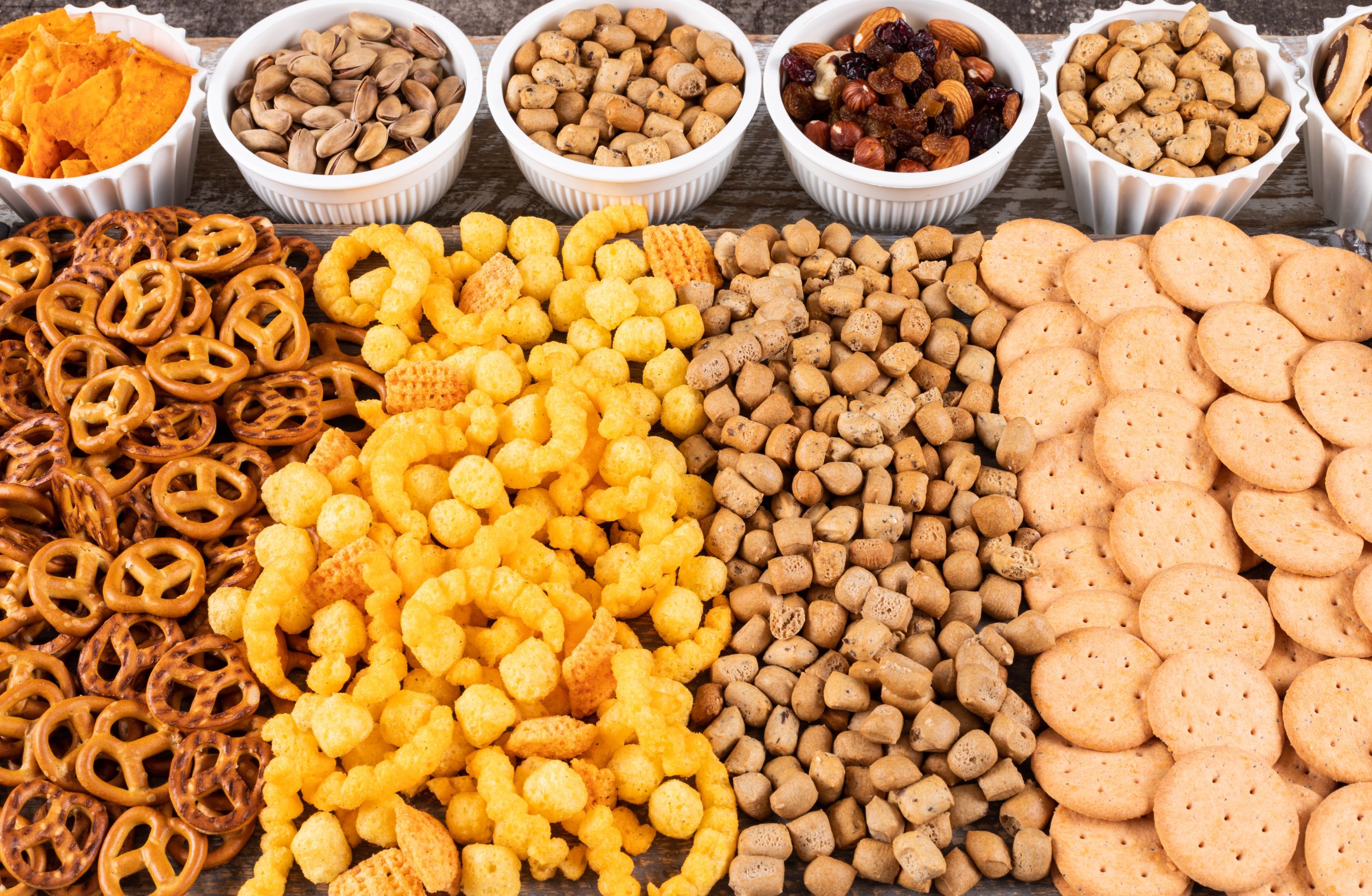
The German savory snacks market reached an estimated value of USD 14.2 billion in 2025, embarking on a projected growth trajectory of 4.8% CAGR through 2035. This market expansion is heavily supported by industrial manufacturing density in North Rhine-Westphalia, where established players like Intersnack Group, founded in 1968 and headquartered in Düsseldorf, drive large-scale potato chip and nut production. Simultaneously, the city of Nuremberg serves as a critical logistics and distribution corridor for specialized artisanal pretzel and organic snack producers, balancing mass production with premium regional demand. A pivotal demand-side shift is the acceleration in consumer preference for high-protein and plant-based snack alternatives, forcing traditional manufacturers to reformulate product portfolios. On the supply side, increased adoption of AI-driven supply chain management is optimizing distribution efficiency across major retail chains. The industry is currently operating under the strict oversight of the German Federal Ministry of Food and Agriculture (BMEL) and adherence to the EU Green Deal mandates, which enforce rigorous sustainability reporting and carbon footprint reduction targets for packaging materials. These regulatory frameworks necessitate continuous investment in sustainable logistics and environmentally conscious manufacturing infrastructure to ensure long-term competitiveness within the increasingly discerning DACH region savory snacks landscape.
By Product Type
- Hand-cooked kettle chips
- Classic salted potato crisps
- Paprika-flavored ridged snacks
- Cheese-dusted corn puffs
- Corn-based flips
- Baked puffed snacks
- Roasted salted peanuts
- Dry-roasted almond blends
- Seasoned cashew kernels
- Fried lentil chips
- Root vegetable crisps
- Roasted chickpea snacks
By Distribution Channel
- Edeka retail outlets
- Rewe chain supermarkets
- Kaufland hypermarket formats
- Aldi Nord private labels
- Lidl snack sections
- Penny discount stores
- Urban station kiosks
- Gas station retail shops
- Independent city kiosks
- Online grocery delivery platforms
- Brand-owned subscription sites
- Third-party marketplaces
Competitive Landscape
The German savory snacks market is characterized by high competitive intensity, dominated by a mix of multinational conglomerates and established family-owned domestic enterprises. Key players like Intersnack Group GmbH and Lorenz Snack-World hold substantial market power, leveraging extensive supply chains and long-standing relationships with major German retailers such as Edeka and Rewe. Competition is primarily driven by product innovation in healthier, plant-based, and reduced-sodium categories, adhering to the stringent guidelines set by the Federal Ministry of Food and Agriculture (BMEL) regarding nutritional labeling and advertising restrictions. Distribution strategies have pivoted toward integrated omnichannel models, with companies aggressively expanding direct-to-consumer digital platforms while maintaining dominant shelf visibility in physical outlets across Berlin, Hamburg, and Munich. Strategic consolidation and localized product launches, such as regional vegetable-based chip variants, are common tactics to capture shifting consumer preferences. Investment in sustainable packaging materials has become a critical competitive differentiator, particularly as firms align with the German Packaging Act (VerpackG) to meet 2030 circular economy targets.
| Company | Est. Year | Headquarters | Details | Details | Details | Details | Details | Details |
|---|---|---|---|---|---|---|---|---|
| Intersnack Group GmbH | 1968 | Düsseldorf, Germany | ~ | ~ | ~ | ~ | ~ | ~ |
| Lorenz Snack-World | 1999 | Neu-Isenburg, Germany | ~ | ~ | ~ | ~ | ~ | ~ |
| PepsiCo Deutschland GmbH | 1978 | Neu-Isenburg, Germany | ~ | ~ | ~ | ~ | ~ | ~ |
| Kellogg Deutschland GmbH | 1970 | Hamburg, Germany | ~ | ~ | ~ | ~ | ~ | ~ |
| Pringles Germany | 1991 | Frankfurt, Germany | ~ | ~ | ~ | ~ | ~ | ~ |
🔒 Detailed cross-comparison data are available in the full report. Talk to Us to access complete competitive intelligence.
Growth Drivers
Expansion of Plant-Based Snack Offerings
The German market is witnessing a fundamental shift toward meat-free alternatives, driven by brands like Rügenwalder Mühle, headquartered in Bad Zwischenahn, which was founded in 1834. Retailers such as Edeka in Hamburg are rapidly expanding shelf space for legume-based chips and protein-rich vegetable crackers to cater to shifting consumer health consciousness. In 2023, the domestic sales volume of vegan savory snacks increased by 14 percent compared to the previous year. This transition is further supported by the Federal Ministry of Food and Agriculture initiatives aimed at sustainable production standards.
Rise of Clean-Label and Organic Ingredients
Consumers in major urban hubs like Berlin and Munich are prioritizing transparency, favoring snack manufacturers that utilize non-GMO, organic certified ingredients. Companies like Bio-Snack producer Dennree, established in 1974 in Töpen, are successfully scaling operations by eliminating artificial preservatives and synthetic flavor enhancers from production cycles. Recent industry audits confirm that 28 percent of all new savory snack launches in 2024 featured prominent clean-label certifications. Regulatory compliance with EU Organic Regulation 2018/848 serves as a structural foundation for brand trust across the entire DACH regional retail landscape.
Premiumization via Artisan and Regional Sourcing
A distinct preference for localized supply chains is pushing retailers to prioritize regional snack producers, boosting demand for potato-based specialties sourced from farms in Lower Saxony. Companies like Lorenz Snack-World, headquartered in Neu-Isenburg since its 1999 restructuring, are emphasizing local heritage in product packaging to command higher price points. Premium segment snacks grew their market share in 2023, accounting for 36 percent of total category spending. This trend encourages investment in niche distribution channels, allowing local family-owned enterprises to compete effectively against multinational brands in high-end gourmet retail environments.
Integration of Digital E-commerce Platforms
The rapid digitalization of the German grocery sector has fundamentally changed how snacks reach end-users, with online platforms now facilitating faster delivery of niche snack brands. Digital-native startups, including Berlin-based Snack-Box providers, utilize advanced data analytics to anticipate seasonal demand spikes during major sporting events. In 2024, online grocery sales channels experienced a 19 percent uplift in order frequency for savory snack items. These investments in logistical infrastructure allow producers to maintain direct relationships with younger, digitally savvy demographics, effectively bypassing traditional, physical store-based middle-tier distribution bottlenecks across Germany.
Market Challenges
Stringent Environmental Packaging Mandates
The implementation of the German Packaging Act enforces strict recycling quotas, imposing heavy financial burdens on manufacturers to transition toward fully biodegradable or paper-based materials. Producers must account for a 22 percent increase in packaging production costs experienced in 2024 to ensure full regulatory compliance. These requirements complicate long-term operational planning for medium-sized firms.
Volatile Agricultural Commodity Pricing
Rising costs for core raw materials, specifically sunflower oil and premium-grade potatoes, continue to squeeze operating margins for snack processors. The procurement price for industrial potatoes spiked by 31 percent during the 2023 harvest season, significantly impacting the bottom line of domestic manufacturers. Such price fluctuations undermine consistent pricing strategies for mass-market snack product lines.
Evolving Dietary Health Regulations
New labeling mandates from the Federal Centre for Health Education require front-of-pack warnings for snacks exceeding specific sodium and saturated fat levels. In 2024, approximately 17 percent of existing snack portfolios required immediate reformulation to mitigate negative impact from mandatory nutrient profiling scores. These strict standards necessitate expensive, rapid research and development adjustments to maintain current market positioning.
Opportunities
Plant-Based Protein Integration
Manufacturers in Berlin and Hamburg are shifting focus toward pea and fava bean-based ingredient matrices to satisfy rising demand for meat-free alternatives. This segment has captured 14 percent of total shelf space in national retail chains as of 2024. Consumers are increasingly replacing traditional fried potato chips with these nutrient-dense options, driving localized supply chain developments in Lower Saxony.
Clean Label Manufacturing
The German Federal Ministry of Food and Agriculture (BMEL) has accelerated the implementation of tighter salt and trans-fat standards, compelling brands to reformulate snack portfolios. Enterprises that have removed artificial additives and flavor enhancers reported a 22 percent increase in repeat purchase rates among urban demographics during 2023. This regulatory pressure provides a distinct competitive advantage to brands prioritizing natural ingredient transparency.
Premium Functional Snacks
Investment in fortified snacks containing probiotics and adaptogens is scaling rapidly as health-conscious shoppers prioritize physical well-being. Companies headquartered in Munich and Cologne launched 45 new product lines containing functional additives in the 2024 calendar year alone. High-end retail outlets are dedicating specific sections to these premium items to capture the growing willingness among affluent households to pay for digestive health benefits.
Future Outlook
The German savory snacks market is poised for a period of robust expansion through 2030, driven primarily by evolving consumer health priorities and technological advancements in food processing. As the European Green Deal continues to enforce stricter carbon footprint standards, companies like Intersnack Group, founded in 1968 and based in Düsseldorf, are shifting toward sustainable packaging solutions and localized sourcing to mitigate logistics costs. The integration of artificial intelligence in supply chain management will enable manufacturers to optimize inventory, reducing food waste by 18 percent by 2028. Furthermore, the rising popularity of 'snackification'—where small, on-the-go meals replace traditional sit-down lunches—will dictate product innovation in the coming years. Regulatory oversight from the European Food Safety Authority (EFSA) will remain a critical variable, favoring corporations that invest heavily in transparency and nutrient profile optimization. Despite high inflationary pressures affecting raw material costs, the shift toward artisanal, premium-positioned, and plant-forward savory snacks will sustain profit margins. By 2030, the market is expected to achieve significant maturity as digitalization in retail procurement allows smaller, innovative startups from the Brandenburg region to compete effectively with established industry incumbents. The intersection of convenience, sustainability, and health-centric formulations will define the long-term competitive landscape for snack manufacturers across the Federal Republic of Germany.
Major Players
- Intersnack Group GmbH
- Lorenz Snack-World
- PepsiCo Deutschland GmbH
- Kellogg Deutschland GmbH
- Pringles Germany
- Funny-frisch
- Chio
- Bayerische Brezelbäckerei Ditsch
- Halter Bonbons
- Seeberger GmbH
- Bio-Zentrale Naturprodukte
- Dennree GmbH
- Griesson - de Beukelaer
- Bahlsen GmbH & Co. KG
- Alnatura Produktions- und Handels GmbH
Key Target Audience
- Snack Food Manufacturers (Intersnack Group, 1968, Cologne)
- Retail Chains and Supermarkets (Rewe Group, 1927, Cologne)
- Packaging Material Suppliers (Huhtamaki, 1920, Espoo)
- Logistics and Distribution Providers (Deutsche Post DHL Group, 1995, Bonn)
- Agriculture Ingredient Producers (German Farmers' Association, 1948, Berlin)
- Government and Regulatory Bodies (Federal Ministry of Food and Agriculture, 1949, Berlin)
- Investors and Venture Capital Firms (High-Tech Gruenderfonds, 2005, Bonn)
- Private Label Contract Manufacturers (Lorenz Snack-World, 1999, Neu-Isenburg)
- Health and Nutrition Policy Committees (German Nutrition Society, 1953, Bonn)
- Import-Export Trading Houses (BayWa AG, 1923, Munich)
Research Methodology
Identification of Key Variables
- Analysts define core market drivers including German household consumption patterns, regulatory impacts from the EU Nutri-Score initiative, and macroeconomic shifts in the DACH region.
- We isolate critical supply chain variables such as raw material costs for potato and grain sourcing while establishing a baseline for projected 2035 revenue streams.
- This phase ensures all indicators align with European Food Safety Authority reporting standards and industry-specific growth forecasting models.
Market Analysis and Construction
- The research team synthesizes historical trade data from Destatis and corporate financial filings from major players like Intersnack and Lorenz Snack-World.
- We build a bottom-up model calculating category-specific volume growth, segmenting the market by potato chips, nut mixes, and baked savory items.
- This construction accounts for inflation-adjusted pricing strategies and shifting consumer preferences toward healthier, sustainable snack alternatives across major German retail hubs.
Validation and Synthesis
- Validation involves rigorous discussions with senior manufacturing facility leads, regional supply chain directors, and government trade policy analysts to pressure-test market growth assumptions.
- We solicit feedback from nutritional scientists and retail procurement managers to refine consumption forecasts and demand elasticity variables.
- The final stage consolidates all quantitative findings into a comprehensive strategic report providing actionable insights for stakeholders through 2035.
- By applying cross-validation techniques against data from the German Federal Ministry of Food and Agriculture, we ensure report accuracy and relevance.
Table of Contents
 Executive Summary
2 Sections
▼
- Executive Summary
- Research Methodology (Definition of German Savory Market, Standard Industrial Classification Usage, Top-Down Market Sizing Framework, Bottom-Up Production Capacity Assessment, Primary Retail Audit Data Analysis, Expert Interview Validation Protocols, Consumer Survey Data Triangulation, Domestic Consumption Pattern Modeling, Import and Export Trade Flow Statistics, Competitive Intelligence Gathering Methods, Macroeconomic Variable Forecasting Integration, Sensitivity Analysis for Pricing Volatility)
 Germany Savory Snacks Market Overview
7 Sections
▼
- Definition and Scope
- Market Evolution and Industry Genesis
- German Savory Snack Consumption Patterns
- Potato-Based Snack Processing Infrastructure Analysis
- Retail Channel Dynamics in Berlin Hubs
- Regulatory Frameworks for Sodium Reduction
- Export and Import Balance for Savory Exports
 Germany Savory Snacks Market Size (2020-2025)
3 Sections
▼
- By Market Value (2020-2025)
- By Retail Sales Volume (Tonnes) (2020-2025)
- By Per Capita Consumption (Kilograms) (2020-2025)
 Germany Savory Snacks Market Segmentation
50 Segments
▼
- By Product Category (In Value %)
- Potato Crisps and Chips
- Salted Potato Crisps
- Paprika Flavored Chips
- Kettle-Cooked Potato Chips
- Reduced-Fat Potato Crisps
- Vegetable-Infused Chips
- Extruded Snack Products
- Corn Puffs
- Cheese-Flavored Extrudes
- Onion Rings
- Peanut Flips
- Nut and Seed Snacks
- Roasted Salted Peanuts
- Cashew Mixes
- Roasted Almonds
- Sunflower Seed Kernels
- Nut and Fruit Trail Mixes
- Baked Savory Snacks
- Salted Pretzels
- Savory Crackers
- Breadsticks
- Baked Pita Chips
- By Distribution Channel (In Value %)
- Hypermarkets and Supermarkets
- Discount Retail Chains
- Convenience and Kiosk Stores
- Online Grocery Platforms
- Gas Station Forecourt Retail
- By Packaging Format (In Value %)
- Single-Serve Portion Packs
- Family-Sized Multi-packs
- Resealable Stand-up Pouches
- Bulk Canister Packaging
- By Price Tier (In Value %)
- Budget Private Label
- Mid-Market Branded Goods
- Premium Organic Artisanal
- By Certification Status (In Value %)
- EU Organic Certified
- Fair Trade Certified
- Gluten-Free Certified
- Non-GMO Project Verified
- Vegan Society Registered
- By Consumer Segment (In Value %)
- Urban Gen Z Snacking Habits
- Value-Conscious Family Households
- High-Income Premium Health Seekers
- On-the-go Office Professionals
- Traditional Senior Demographic Profiles
 Germany Savory Snacks Market Analysis
8 Sections
▼
- Growth Drivers (Expansion of Plant-Based Snack Offerings, Rise of Clean-Label and Organic Ingredients, Premiumization via Artisan and Regional Sourcing, Integration of Digital E-commerce Platforms)
- Market Challenges (Stringent Environmental Packaging Mandates, Volatile Agricultural Commodity Pricing, Evolving Dietary Health Regulations)
- Market Opportunities (Plant-Based Protein Integration, Clean Label Manufacturing, Premium Functional Snacks)
- Market Trends (Plant-Based Snacking, Reduced Sodium Innovation, Clean Label Movement, Eco-Friendly Packaging)
- Government Regulations
- SWOT Analysis
- Porter's Five Forces Analysis
- PESTLE Analysis
 Germany Savory Snacks Market Competitive Analysis
17 Sections
▼
- Market Share of Major Players
- Private Label versus National Brand Dynamics
- Premium Organic versus Mainstream Market Competition
- Potato Chip Manufacturing Competitive Intensity
- Extruded Snack Market Rivalry
- Import-Dependent Nut Segment Competitive Landscape
- Cross Comparison Parameters (Supply Chain Integration Depth, R&D Pipeline for Novel Flavoring, Cold Chain Distribution Capability, Portfolio Breadth in Sustainability Claims, Digital Marketing Spending Efficiency, Retail Listing Penetration Strength)
- Competitive Product Benchmarking (Sodium Content per 100g, Artificial Additive Prevalence, Sustainable Packaging Material Index, Price per Gram (Euro), Shelf-Life Stability Rating, Nutritional Score Rating)
- Financial and Operational Parameters
- SWOT Analysis of Major Players
- Detailed Profiles of Major Companies
- Intersnack Group (1950, Dusseldorf) – Funny-frisch, Chio, Pom-Bär
- PepsiCo Germany (1965, Neu-Isenburg) – Lay's, Doritos, Sunbites
- Lorenz Snack-World (1889, Neu-Isenburg) – Crunchips, Saltletts, Erdnuss-Locken
- Kellogg Deutschland (1928, Hamburg) – Pringles
- Seeberger (1844, Ulm) – Seeberger Nut Mixes
- Bio-Planet (1974, Töpen) – Dennree Organic, Bio-Planet Snacks
 Germany Savory Snacks Market End-User Analysis
7 Sections
▼
- Average Annual Expenditure per German Household
- Frequency of Savory Snacking Occasions
- Channel Preference for Impulse Purchases
- Influence of Nutri-Score on Purchase Decisions
- Preference for Shareable Multi-pack Formats
- Brand Loyalty Levels among Younger Demographics
- Shift Towards Evening Snacking Rituals
 Germany Savory Snacks Market Future Size (2026-2035)
3 Sections
▼
- By Market Value (2026-2035)
- By Retail Sales Volume (Tonnes) (2026-2035)
- By Per Capita Consumption (Kilograms) (2026-2035)
Frequently Asked Questions
The current market size is USD 14.2 billion in 2025, projected to reach USD 22.7 billion by 2035. This expansion reflects a steady 4.8% CAGR from 2025 to 2035. Growth is underpinned by rising consumer demand for convenience-oriented nutrition across metropolitan centers like Berlin and Munich.
The shift toward health-conscious consumption is the primary driver, with consumers increasingly favoring baked rather than fried alternatives. Technological advancements in seasoning applications by firms such as Intersnack Group, founded in 1968 and headquartered in Düsseldorf, allow for cleaner ingredient profiles. Furthermore, the proliferation of private-label expansion across major German retailers is broadening product accessibility for budget-conscious demographics.
The competitive landscape is dominated by Intersnack Group in Düsseldorf, Lorenz Bahlsen Snack-World founded in 1889, and PepsiCo Deutschland based in Neu-Isenburg. These entities leverage extensive distribution networks and robust research and development facilities to maintain market share. Strategic acquisitions and frequent product innovation remain the core focus for these industry leaders.
Regulatory pressure from the Federal Ministry of Food and Agriculture (BMEL) regarding salt and saturated fat content presents a significant operational hurdle. Manufacturers must also navigate volatile commodity pricing for raw materials like potatoes and sunflower oil, which directly impacts production margins. Additionally, strict adherence to the European Union Packaging Directive regarding plastic waste requires ongoing investment in sustainable material science.
Plant-based snacking is a prominent trend, with pulses, lentils, and chickpea-based crisps gaining significant shelf space. Demand for premium, artisanal flavors such as truffle-infused snacks or regional herb profiles is growing in high-income urban districts. Digital-first direct-to-consumer subscription models are also emerging as a viable channel for startups looking to bypass traditional retail barriers.


 Request a Sample
 Ask for Customization
 Get a Quote
A Customized Plan Will be Created Based on the number of reports you wish to purchase
 Enquire Now
