
 Download PDF
Market Overview
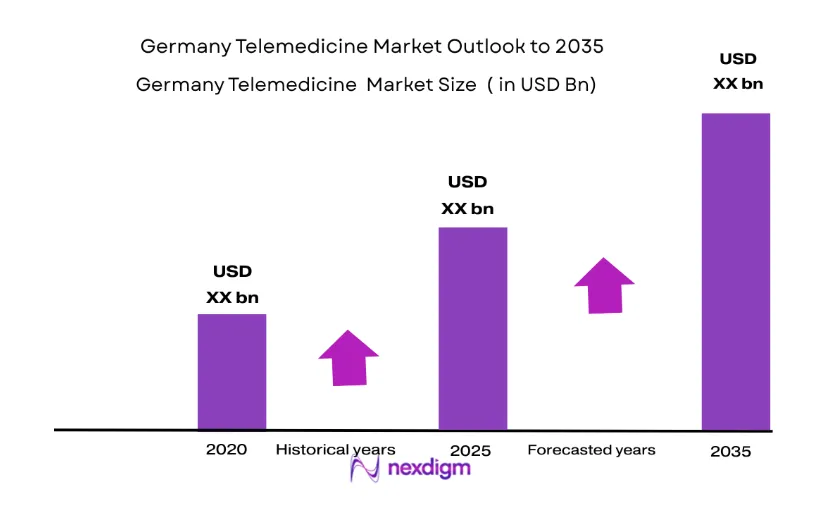
The Germany telemedicine market is expected to reach USD ~ billion by the end of the current period, driven by increasing adoption of digital health solutions and government initiatives. This market growth is largely fueled by the integration of telehealth platforms with artificial intelligence (AI) and machine learning (ML) technologies. The continuous rise in demand for remote healthcare services due to growing health concerns and the global pandemic has accelerated the market’s development. These factors are complemented by increasing healthcare investments and the country’s regulatory framework that supports telemedicine applications across hospitals, private clinics, and remote care facilities.
Germany’s dominance in the telemedicine sector is driven by the robust healthcare infrastructure, tech adoption, and government backing. Major cities like Berlin, Munich, and Frankfurt lead in market activities due to their advanced medical facilities and tech hubs. These cities benefit from high healthcare demand, supported by the availability of qualified professionals and cutting-edge technology. The focus on digitizing health services has further strengthened Germany’s position, making it an attractive destination for investments in telemedicine innovations and startups.
Market Segmentation
By System Type
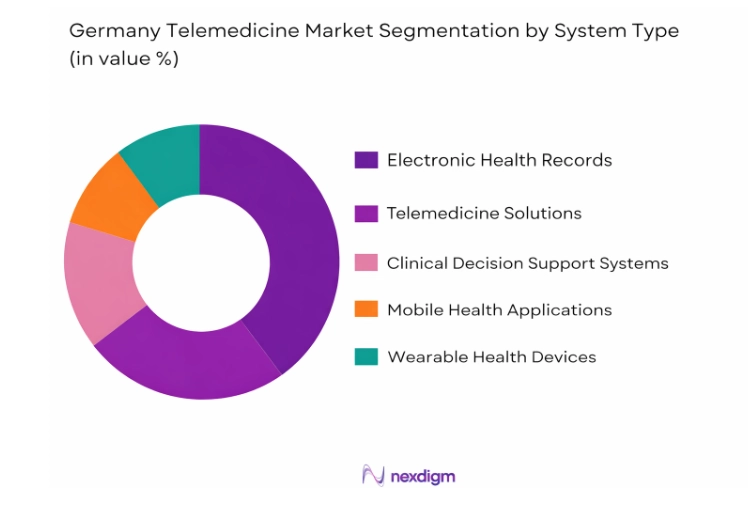
Germany’s telemedicine market is segmented by system type into teleconsultation platforms, remote patient monitoring systems, telehealth infrastructure solutions, mobile health solutions, and telemedicine software solutions. Teleconsultation platforms have the largest share due to the rising preference for digital consultations driven by convenience, reduced waiting times, and the need for quick access to medical care, especially during the COVID-19 pandemic. The convenience of offering consultations remotely, combined with low operational costs, makes this segment highly popular. Government initiatives and telemedicine reimbursement policies further support this dominant position, ensuring teleconsultation platforms continue to lead the market as digital health solutions are widely accepted across Germany.
By Platform Type
The Germany telemedicine market is segmented by platform type into cloud-based platforms, web-based platforms, mobile platforms, hybrid platforms, and integrated platforms. Cloud-based platforms currently dominate this segment due to their scalability, cost-effectiveness, and ease of implementation in healthcare systems. The increasing adoption of cloud infrastructure in Germany has led to greater availability of telemedicine services across urban and rural areas. The flexibility and efficiency that cloud solutions provide in terms of real-time data management and remote monitoring of patients is driving their widespread adoption. The shift toward integrated systems is also gaining momentum, allowing for seamless integration between telehealth services and electronic health records.

Competitive Landscape
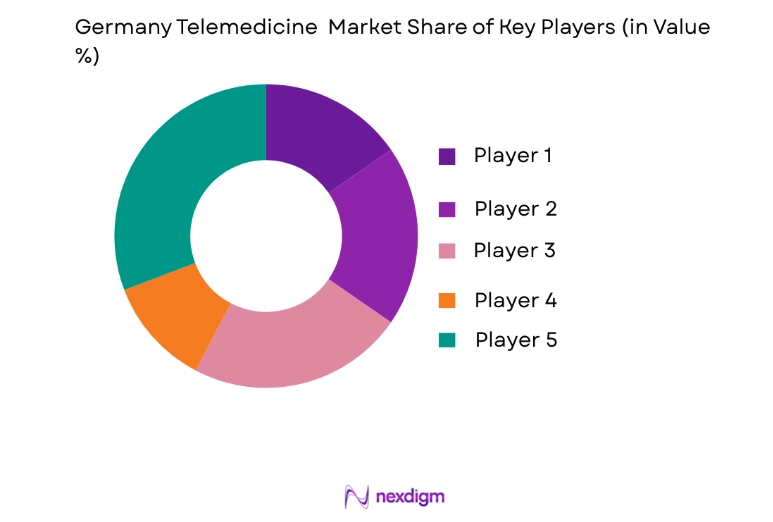
The competitive landscape of Germany’s telemedicine market reflects the presence of global healthcare technology companies and local startups. The market is highly competitive with numerous players vying for a share in both hardware and software development for telemedicine services. Key players are consolidating resources to lead the market by offering innovative solutions that integrate advanced technology like AI and data analytics. Additionally, companies are forming strategic partnerships with healthcare providers to expand their reach and improve their service offerings. Market entry remains challenging due to stringent regulatory requirements and competition from both local and international players.
| Company Name | Establishment Year | Headquarters | Technology Focus | Market Reach | Key Products | Revenue (USD) | Market-Specific Parameter |
| Siemens Healthineers | 1847 | Erlangen, Germany | ~ | ~ | ~ | ~ | ~ |
| Philips Healthcare | 1891 | Amsterdam, | ~ | ~ | ~ | ~ | ~ |
| Medtronic | 1949 | Dublin, Ireland | ~ | ~ | ~ | ~ | ~
|
| Cerner Corporation | 1979 | Kansas City, USA | ~ | ~ | ~ | ~ | ~ |
| Allscripts | 1986 | Chicago, USA | ~ | ~ | ~ | ~ | ~ |
Germany Telemedicine Market Analysis
Growth Drivers
Government Support for Digital Health Initiatives
Government support plays a significant role in driving the growth of the telemedicine market in Germany. As healthcare services shift toward digital solutions, the German government has introduced several initiatives to foster the development and adoption of telemedicine services. Policies like the Digital Healthcare Act aim to create a more connected healthcare system, supporting the reimbursement of telemedicine services for both providers and patients. These initiatives not only ease the financial burden on healthcare providers but also ensure that telemedicine becomes a permanent part of the healthcare system. The German healthcare system’s focus on digitalization, coupled with strong governmental financial incentives, has provided a foundation for market growth, expanding telemedicine services across the country.
Rising Healthcare Demand in Rural Areas
Germany has seen a rise in the demand for healthcare services, particularly in rural areas where access to specialized care is limited. Telemedicine has emerged as a vital solution to address these healthcare challenges by providing remote consultations and treatment options. The ability to access healthcare services without the need to travel long distances has gained significant popularity in rural Germany, where medical facilities may be sparse. This demand for convenient healthcare services in rural settings has resulted in an increasing number of partnerships between telemedicine providers and healthcare institutions. With telemedicine services reducing geographic barriers, the sector’s growth has been further catalyzed by the increase in healthcare accessibility across underserved areas.
Market Challenges
Regulatory Barriers
Regulatory barriers continue to pose significant challenges to the telemedicine market in Germany. Despite strong government backing, telemedicine services face complex regulatory hurdles, particularly when it comes to data security and patient privacy. The country’s strict data protection laws, such as the General Data Protection Regulation (GDPR), make it challenging for telemedicine companies to handle patient information while ensuring compliance. Additionally, variations in reimbursement policies across different states can create disparities in how telemedicine services are funded, limiting their growth potential. These regulatory challenges must be overcome to ensure that telemedicine continues to expand in Germany and gains broader acceptance among patients and healthcare providers.
Integration with Existing Healthcare Systems
Another major challenge is the integration of telemedicine systems with existing healthcare infrastructures. While telemedicine platforms offer advanced technologies, integrating these systems with traditional medical practices can be difficult due to compatibility issues with electronic health records (EHR) and hospital management systems. Healthcare providers need to ensure that telemedicine systems align with their existing workflows to optimize efficiency and improve patient care. Additionally, there is a shortage of trained personnel who are equipped to handle the integration of new technologies. As healthcare systems across Germany strive for interoperability, overcoming these challenges is essential for the widespread implementation of telemedicine.
Opportunities
Expansion of AI-based Telemedicine Solutions
The telemedicine market in Germany presents a significant opportunity for companies specializing in AI-based telemedicine solutions. The increasing use of artificial intelligence in healthcare to assist with diagnostics, patient monitoring, and treatment planning is revolutionizing telemedicine. With AI improving diagnostic accuracy and providing personalized care recommendations, healthcare providers can enhance patient outcomes, lower operational costs, and streamline care delivery. The demand for AI-powered telemedicine solutions is expected to increase as more hospitals and clinics seek ways to enhance their remote healthcare offerings. This growth opportunity is particularly attractive to tech companies developing AI algorithms capable of analyzing medical data in real-time, facilitating faster decision-making and more accurate diagnoses.
Telemedicine for Elderly Care
Another key opportunity lies in the growing demand for telemedicine services for elderly care. With the aging population in Germany, there is an increasing need for healthcare services that cater to the elderly, particularly for chronic condition management and preventive care. Telemedicine offers a viable solution by enabling remote consultations and monitoring, ensuring that elderly patients receive timely healthcare without the need for frequent hospital visits. The integration of wearable devices and health apps with telemedicine platforms allows for continuous monitoring of vital signs, helping healthcare providers track the health of elderly patients more effectively. This opportunity is further strengthened by the German government’s focus on improving elderly healthcare, making telemedicine a crucial tool for long-term care.
Future Outlook
The future outlook for Germany’s telemedicine market is promising, with continued growth expected in the next five years. Technological advancements, such as the integration of AI, machine learning, and remote monitoring solutions, will further enhance the quality and accessibility of healthcare services. Government initiatives and regulatory support will continue to encourage telemedicine adoption, especially in rural areas where healthcare access remains a challenge. As more patients and providers embrace digital health solutions, the market is likely to experience steady expansion, positioning Germany as a leader in telemedicine innovation.
Major Players
- Siemens Healthineers
- Philips Healthcare
- Medtronic
- Cerner Corporation
- Allscripts
- GE Healthcare
- IBM Watson Health
- Oracle
- Tunstall Healthcare
- MyTelemedicine
- Telemedico
- Biotronik
- Babylon Health
- Freenome
- Teladoc Health
Key Target Audience
- Investments and venture capitalist firms
- Government and regulatory bodies
- Healthcare providers
- Private healthcare companies
- Insurance providers
- Technology and software developers
- Hospitals and healthcare facilities
- Medical equipment manufacturers
Research Methodology
Step 1: Identification of Key Variables
The first step involves identifying key market variables such as technological trends, regulatory requirements, and demand drivers, which are essential to understanding the telemedicine market.
Step 2: Market Analysis and Construction
This step includes analyzing data from primary and secondary sources, ensuring the creation of a comprehensive market model based on valid insights and trends.
Step 3: Hypothesis Validation and Expert Consultation
This step involves validating hypotheses by consulting industry experts, healthcare providers, and telemedicine vendors to obtain insights and opinions on market dynamics.
Step 4: Research Synthesis and Final Output
The final step synthesizes all research findings into a cohesive report, summarizing the market outlook, opportunities, and trends.

- Executive Summary
- Research Methodology (Definitions, Scope, Industry Assumptions, Market Sizing Approach, Primary & Secondary Research Framework, Data Collection & Verification Protocol, Analytic Models & Forecast Methodology, Limitations & Research Validity Checks)

- Market Definition and Scope
- Value Chain & Stakeholder Ecosystem
- Regulatory / Certification Landscape
- Sector Dynamics Affecting Demand

- Growth Drivers
Government Support for Digital Health Initiatives
Increasing Adoption of Remote Healthcare Services
Technological Advancements in AI and Telemedicine Platforms - Market Challenges
Data Security and Privacy Concerns
High Capital Investment Requirements
Regulatory Compliance and Standards - Market Opportunities
Expansion of AI-based Telemedicine Solutions
Growing Demand for Home Healthcare Services
Collaborations with Insurance Providers - Trends
Rising Use of Wearable Health Devices
Integration of AI and Machine Learning in Telemedicine
Growth of Telemedicine Services in Rural Areas - Government Regulations

- By Market Value, 2020-2025
- By Installed Units, 2020-2025
- By Average System Price, 2020-2025
- By System Complexity Tier, 2020-2025

- By System Type (In Value%)
Remote Patient Monitoring Systems
Teleconsultation Platforms
Telemedicine Software Solutions
Telehealth Infrastructure Solutions
Mobile Health Solutions - By Platform Type (In Value%)
Cloud-based Platforms
Web-based Platforms
Mobile Platforms
Hybrid Platforms
Integrated Platforms - By Fitment Type (In Value%)
On-premise Solutions
Cloud-based Solutions
Hybrid Solutions
Modular Solutions
Integrated Solutions - By EndUser Segment (In Value%)
Healthcare Providers
Patients
Insurance Companies
Telemedicine Service Providers - By Procurement Channel (In Value%)
Direct Procurement
Private Sector Procurement
Online Platforms

- Market Share Analysis
- Cross Comparison Parameters(System Type, Platform Type, Procurement Channel, EndUser Segment, Fitment Type)
- SWOT Analysis of Key Competitors
- Pricing & Procurement Analysis
- Porter’s Five Forces
- Key Players
Siemens Healthineers
Telemedico
Philips Healthcare
DocMorris
Medtronic
Cerner Corporation
GE Healthcare
Allscripts
IBM Watson Health
Sana Kliniken
MyTelemedicine
Freenome
Tunstall Healthcare
Biotronik
Babylon Health

- Increasing Demand from Rural Patients
- Healthcare Providers Enhancing Telemedicine Services
- Insurance Providers Integrating Telemedicine Solutions
- Government Bodies Fostering Digital Health Adoption

- Forecast Market Value, 2026-2035
- Forecast Installed Units, 2026-2035
- Price Forecast by System Tier, 2026-2035
- Future Demand by Platform, 2026-2035


 Request a Sample
 Ask for Customization
 Get a Quote
 Enquire Now