
 Download PDF
Market Overview
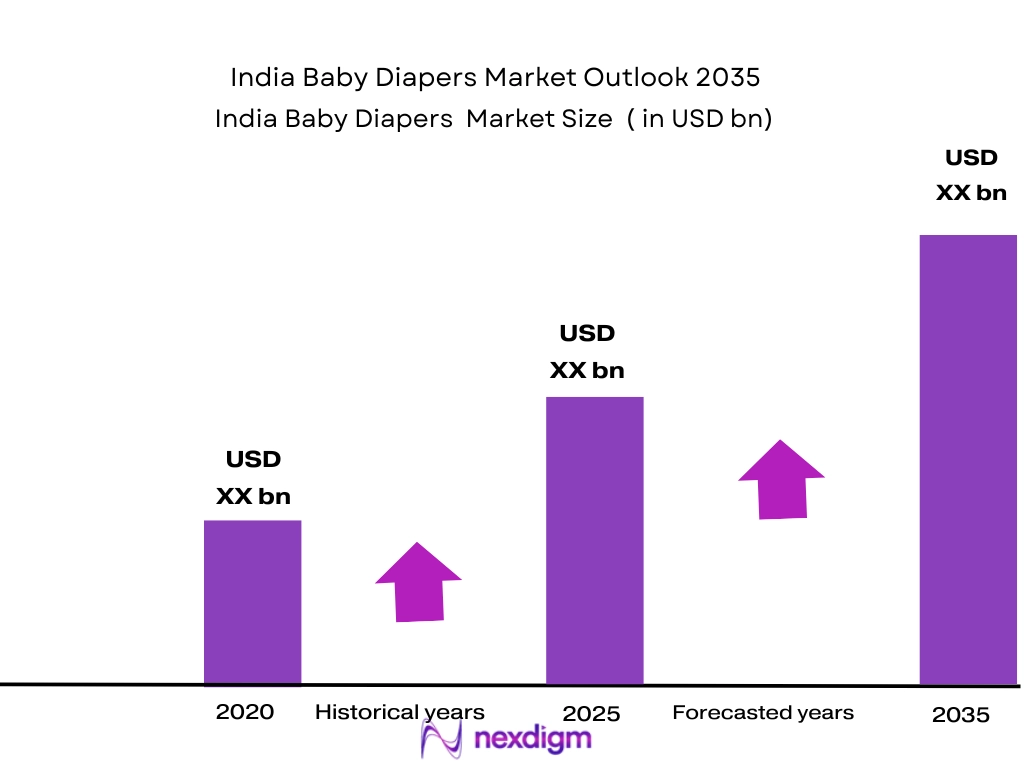
The India baby diapers market is valued at approximately USD ~ billion, based on a five-year historical analysis. This market is driven by various factors including an increasing population, higher disposable incomes, and changing lifestyles. The expanding middle-class population, rising awareness about hygiene, and the growing number of working women who prefer convenient solutions for baby care are major drivers. With the rise of e-commerce platforms, easy access to a wide range of products has further contributed to the market’s expansion.
The cities dominating the Indian baby diapers market are primarily metropolitan regions such as Delhi, Mumbai, Bengaluru, and Chennai. These cities have a higher concentration of working professionals and urban families that prefer disposable diapers for convenience. The presence of major retail chains, online distribution channels, and a growing awareness of hygiene products significantly influences the market in these urban areas. Additionally, the rapid urbanization in these cities is contributing to the increased demand for baby care products.
Market Segmentation
By Product Type
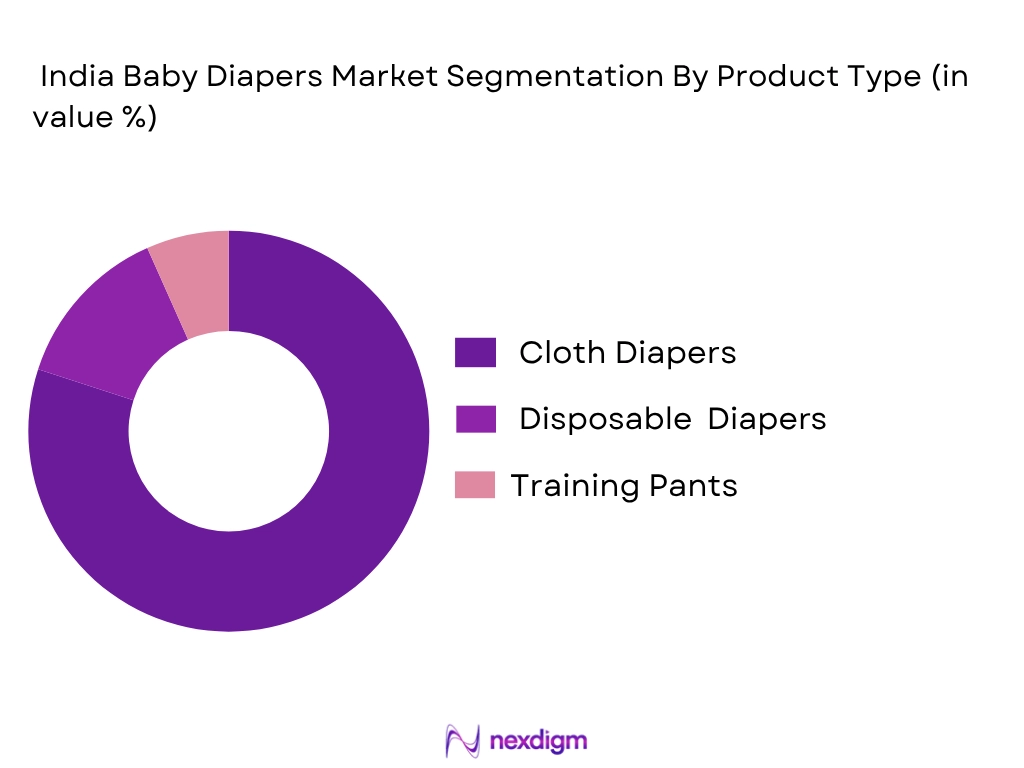
India’s baby diapers market is segmented by product type into disposable diapers, cloth diapers, and hybrid diapers. Disposable diapers have the dominant market share under the product type segmentation, primarily due to their convenience, wide availability, and increasing preference among urban families. The disposable diapers segment is largely driven by high disposable incomes, the growing number of nuclear families, and the increasing awareness of hygiene among parents. Major brands like Pampers, MamyPoko, and Huggies continue to dominate this segment by focusing on offering a range of sizes, absorbency features, and skin-friendly materials that appeal to both middle and upper-class consumers.
By Distribution Channel
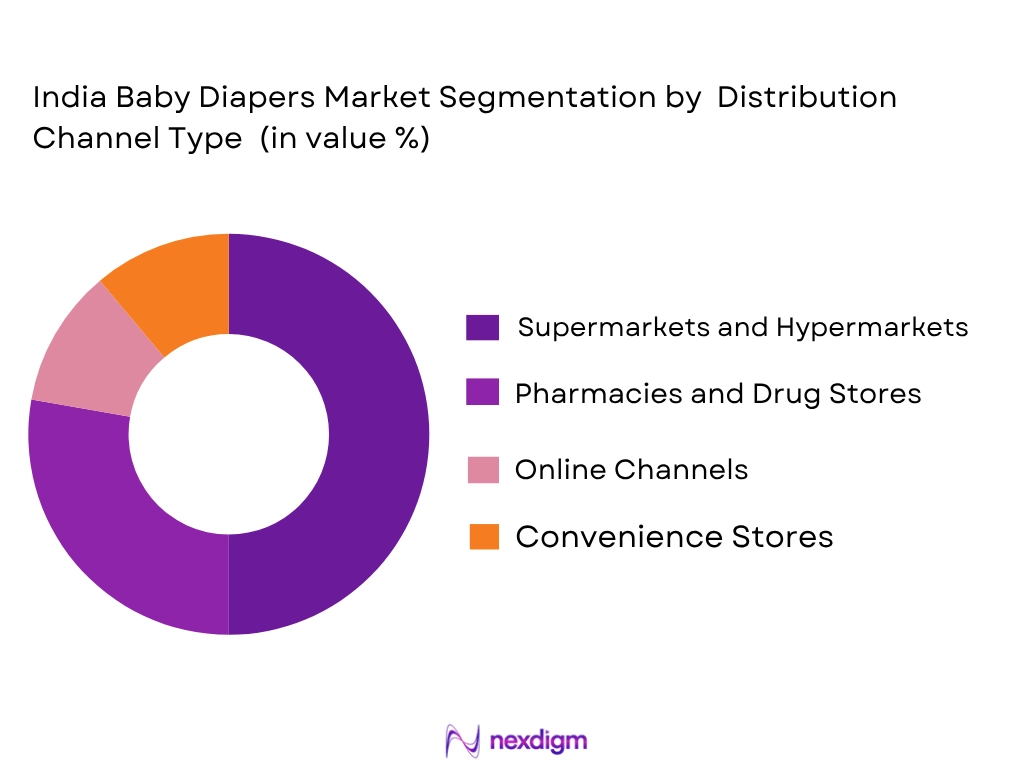
The market for baby diapers in India is segmented by distribution channels into supermarkets and hypermarkets, pharmacies and drug stores, online channels, and convenience stores. Among these, supermarkets and hypermarkets hold a dominant share due to the presence of large retail chains that cater to a significant portion of urban consumers. The convenience of one-stop shopping, where diapers can be bought alongside other baby care products, has made these channels a preferred choice for many parents. With the rise of online shopping, however, e-commerce channels are also rapidly growing in popularity, particularly among tech-savvy and urban customers.
Competitive Landscape
The India baby diapers market is dominated by a few major players, with key companies such as Procter & Gamble (Pampers), Unicharm (MamyPoko), and Kimberly-Clark (Huggies) leading the competition. These companies leverage strong brand recognition, extensive distribution networks, and continuous product innovation to maintain their market positions. Local manufacturers like Parasol also have a growing presence in the market, offering affordable alternatives. This competitive landscape highlights the importance of brand loyalty, distribution efficiency, and continuous product differentiation in sustaining market dominance.
| Company | Establishment Year | Headquarters | Revenue (USD) | Market Position | Product Range | Distribution Channels |
| Procter & Gamble (Pampers) | 1837 | Cincinnati, USA | ~ | ~ | ~ | ~ |
| Unicharm (MamyPoko) | 1961 | Tokyo, Japan | ~ | ~ | ~ | ~ |
| Kimberly-Clark (Huggies) | 1872 | Irving, USA | ~ | ~ | ~ | ~ |
| Hindustan Unilever | 1933 | Mumbai, India | ~ | ~ | ~ | ~ |
| Parasol | 1999 | Delhi, India | ~ | ~ | ~ | ~ |
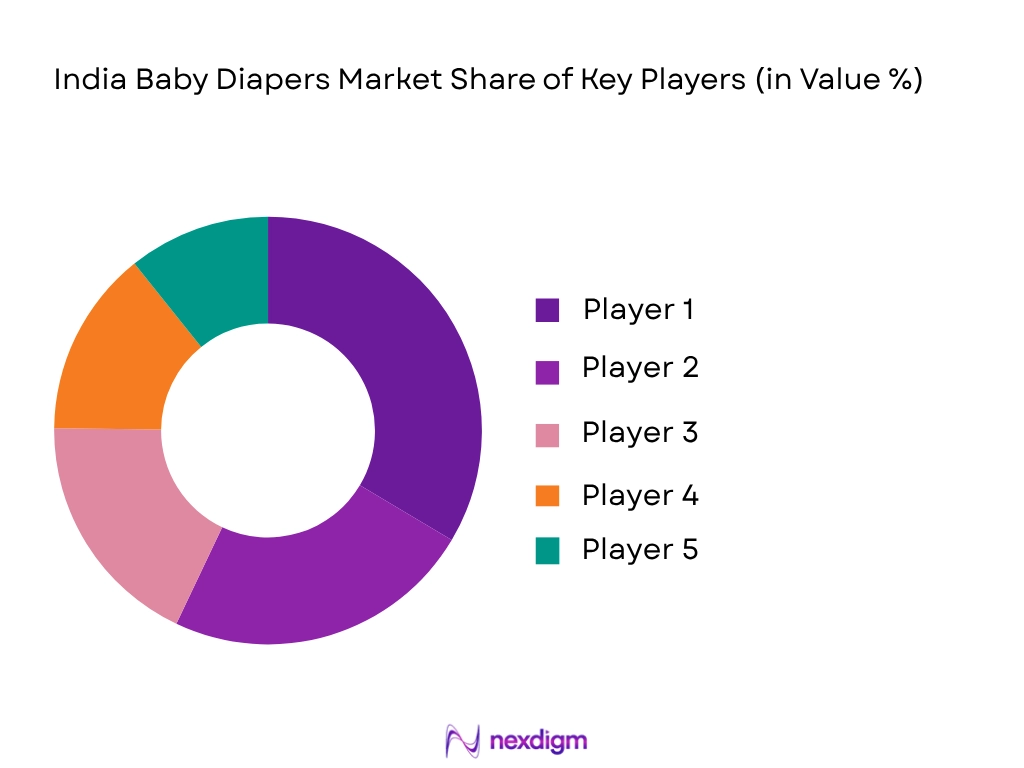
India Baby Diapers Market Analysis
Growth Drivers
Increase in Birth Rate and Population
India’s large and growing population significantly drives the demand for baby diapers. With a population of over 1.4 billion, and a steadily high birth rate, India continues to see an increasing number of newborns every year, expanding the consumer base for baby care products. The number of babies in urban areas has led to more families opting for convenient solutions like disposable diapers. Urban parents, especially in metropolitan cities, are more inclined to spend on products that provide ease of use and hygiene for their babies. The growing number of working parents in these areas further supports the rising demand, as disposable diapers provide a convenient solution for parents balancing work and home life. This trend, alongside India’s ongoing population growth, fuels continued market expansion.
Growing Disposable Income and Rising Urbanization
With India’s middle class expanding rapidly, an increase in disposable income is creating a larger market for premium products such as diapers. As economic conditions improve, more families can afford high-quality diapers, which were previously considered a luxury. Rising urbanization further accelerates this trend, as urban areas typically have a higher percentage of working parents who prefer the convenience of disposable diapers. Urbanization also contributes to better retail infrastructure, making it easier for consumers to access a variety of diaper brands. The increasing focus on hygiene and health in urban environments, coupled with higher purchasing power, is a key driver for the diaper market. More families in urban settings are choosing disposable diapers over cloth alternatives, contributing significantly to market growth.
Market Challenges
High Cost of Diapers
One of the primary challenges in the India baby diapers market is the relatively high cost of disposable diapers, particularly premium brands. Despite increasing disposable incomes, many families—especially in rural and semi-urban areas—still find diapers unaffordable. Price sensitivity is prevalent among budget-conscious consumers, who may opt for cheaper alternatives such as cloth diapers or local brands, which are less expensive than well-known international diaper brands. For many families, the regular purchase of disposable diapers can be an economic strain, limiting the adoption of such products. Furthermore, branded diapers often come at a premium due to higher quality standards and advanced features, which can alienate lower-income households, thus slowing market penetration in these demographics.
Fluctuations in Raw Material Prices
The baby diapers market in India faces challenges related to fluctuating raw material costs, especially for components such as pulp, plastics, and super-absorbent polymers. These materials are essential for diaper production, and price volatility directly impacts production costs. Manufacturers often face difficulties in passing on these increased costs to consumers without risking reduced demand. As the cost of raw materials fluctuates, diaper prices tend to rise, making the product less affordable for certain segments of the population, particularly in price-sensitive rural areas. Additionally, variations in raw material prices can create challenges in maintaining consistent profit margins for manufacturers, thereby affecting their ability to offer competitive pricing in a highly fragmented market.
Opportunities
Expansion of Diaper Manufacturing in India
The increasing demand for baby diapers in India presents an excellent opportunity for the expansion of local diaper manufacturing. Establishing more production facilities within India can help reduce the reliance on imports, which will lower manufacturing costs and improve supply chain efficiency. By increasing local production capacity, manufacturers can better meet growing demand, ensure quicker deliveries, and offer more affordable pricing for consumers. Moreover, local manufacturing allows companies to adapt to specific Indian consumer preferences, such as the demand for eco-friendly diapers or those suited for India’s tropical climate. This expansion is not only beneficial for large multinational companies but also for local manufacturers who can tap into regional markets with lower operational costs.
Increasing Adoption of Eco-friendly Diapers
There is a growing shift towards sustainability and eco-consciousness among Indian consumers, creating a significant opportunity for the adoption of eco-friendly diapers. As awareness increases about the environmental impact of disposable diapers, consumers are seeking alternatives made from biodegradable or organic materials. Diapers that use natural fibers and sustainable materials are gaining popularity, particularly among environmentally aware urban parents. Manufacturers have an opportunity to cater to this emerging demand by introducing products that are not only functional but also eco-friendly. This trend aligns with global shifts toward more sustainable consumption, and companies that can deliver on these consumer preferences while maintaining quality will be well-positioned for future growth in the Indian market.
Future Outlook
Over the next 5 years, the India baby diapers market is expected to show substantial growth, driven by increased disposable income, the rise in urbanization, and evolving consumer preferences towards convenience and hygiene. The demand for eco-friendly diapers is likely to increase as parents become more environmentally conscious, while e-commerce platforms will continue to be a crucial distribution channel. Additionally, the ongoing product innovations focusing on skin-sensitive and hypoallergenic materials will propel further market growth.
Major Players
- Procter & Gamble (Pampers)
- Unicharm (MamyPoko)
- Kimberly-Clark (Huggies)
- Hindustan Unilever
- Parasol
- Johnson & Johnson
- Abena India
- Pigeon India
- SCA Hygiene India
- Vinda Group
- Kao Corporation
- Medline Industries
- First Quality Enterprises
- Ontex
- Attends Healthcare Products
Key Target Audience
- Investments and Venture Capitalist Firms
- Government and Regulatory Bodies (Ministry of Health & Family Welfare, Government of India)
- Baby Care Product Manufacturers
- Retail Chains and Distributors
- E-commerce Platforms
- Importers and Exporters of Baby Care Products
- Private Label Brands
- Raw Material Suppliers
Research Methodology
Step 1: Identification of Key Variables
The research begins by identifying the critical variables that influence the Indian baby diapers market, including demographic factors, product types, consumer preferences, and distribution channels. This step involves collecting data from a combination of secondary sources and industry reports, followed by primary research through industry interviews to define these key factors.
Step 2: Market Analysis and Construction
In this phase, historical market data is gathered and analyzed, focusing on product segmentation, the role of various distribution channels, and shifts in consumer preferences. This step aims to create a clear picture of how market dynamics have evolved and identify potential growth drivers in the coming years.
Step 3: Hypothesis Validation and Expert Consultation
To validate initial hypotheses regarding market trends, consultations are conducted with experts and industry stakeholders. These interviews help refine data and provide valuable insights into emerging consumer needs and industry developments.
Step 4: Research Synthesis and Final Output
The final step involves synthesizing all the information gathered and validating it with industry players and experts. This stage ensures the accuracy and completeness of the report, leading to a comprehensive market outlook for the Indian baby diapers industry.

- Executive Summary
- Research Methodology (Market Definitions and Assumptions, Abbreviations, Market Sizing Approach, Consolidated Research Approach, Understanding Market Potential Through In-Depth Industry Interviews, Primary Research Approach, Limitations and Future Conclusions)

- Definition and Scope
- Market Dynamics Overview
- Market Genesis
- Major Players and Market Timeline
- Business Cycle and Trends
- Supply Chain and Value Chain Analysis

- Growth Drivers
Increase in Birth Rate and Population
Growing Disposable Income and Rising Urbanization
Rising Awareness of Hygiene and Baby Care Products
Increase in Working Women Population
Rising Number of Nuclear Families - Market Challenges
High Cost of Diapers
Fluctuations in Raw Material Prices
Environmental Concerns Regarding Disposable Diapers
Low Awareness in Rural Areas
Lack of Proper Waste Disposal Infrastructure - Opportunities
Expansion of Diaper Manufacturing in India
Increasing Adoption of Eco-friendly Diapers
Growth in E-commerce for Baby Care Products
Technological Innovations in Diaper Design
Improvement in Distribution Networks - Key Trends
Rising Demand for Premium and Eco-friendly Diapers
Growth in Online Shopping for Baby Care Products
Shift Towards Biodegradable and Sustainable Diapers
Increasing Focus on Skin-friendly and Hypoallergenic Materials
Growing Popularity of Hybrid Diapers - Government Regulations
- SWOT Analysis
- Porter’s Five Forces

- By Value, 2020–2025
- By Volume, 2020–2025
- By Average Price, 2020–2025

- By Product Type (In Value %)
Cloth Diapers
Disposable Diapers
Training pants - By Distribution Channel (In Value %)
Supermarkets and Hypermarkets
Pharmacies and Drug Stores
Online Channels
Convenience Stores - By Diaper Size (In Value %)
Newborn Diapers
Small Diapers
Medium Diapers
Large Diapers
Extra Large Diapers - By Region (In Value %)
North India
South India
West India
East India
Rest of India

- Market Share of Major Players by Value/Volume
- Market Share of Major Players by Product Type
- Cross Comparison Parameters(Company Overview, Business Strategies, Recent Developments, Strength, Weakness, Organizational Structure, Revenues, Revenues by Product Type, Number of Touchpoints, Distribution Channels, Number of Dealers and Distributors, Margins, Production Plant, Capacity, Unique Value Offering and Others)
- SWOT Analysis of Major Players
- Pricing Analysis Based on Product Categories for Major Players
- Detailed Profiles of Major Companies
Procter & Gamble (P&G)
Unicharm Corporation
Kimberly-Clark Corporation
Hindustan Unilever Limited
MamyPoko (Unicharm)
Johnson & Johnson
Abena India
Pampers (Procter & Gamble)
Sofy (Unicharm)
Parasol (India)
Kao Corporation
Vinda Group

- Market Demand and Utilization
- Purchasing Power and Budget Allocations
- Regulatory and Compliance Requirements
- Needs, Desires, and Pain Point Analysis
- Decision-Making Process

- By Value, 2026–2035
- By Volume, 2026–2035
- By Average Price, 2026–2035


 Request a Sample
 Ask for Customization
 Get a Quote
 Enquire Now