
 Download PDF
Market Overview
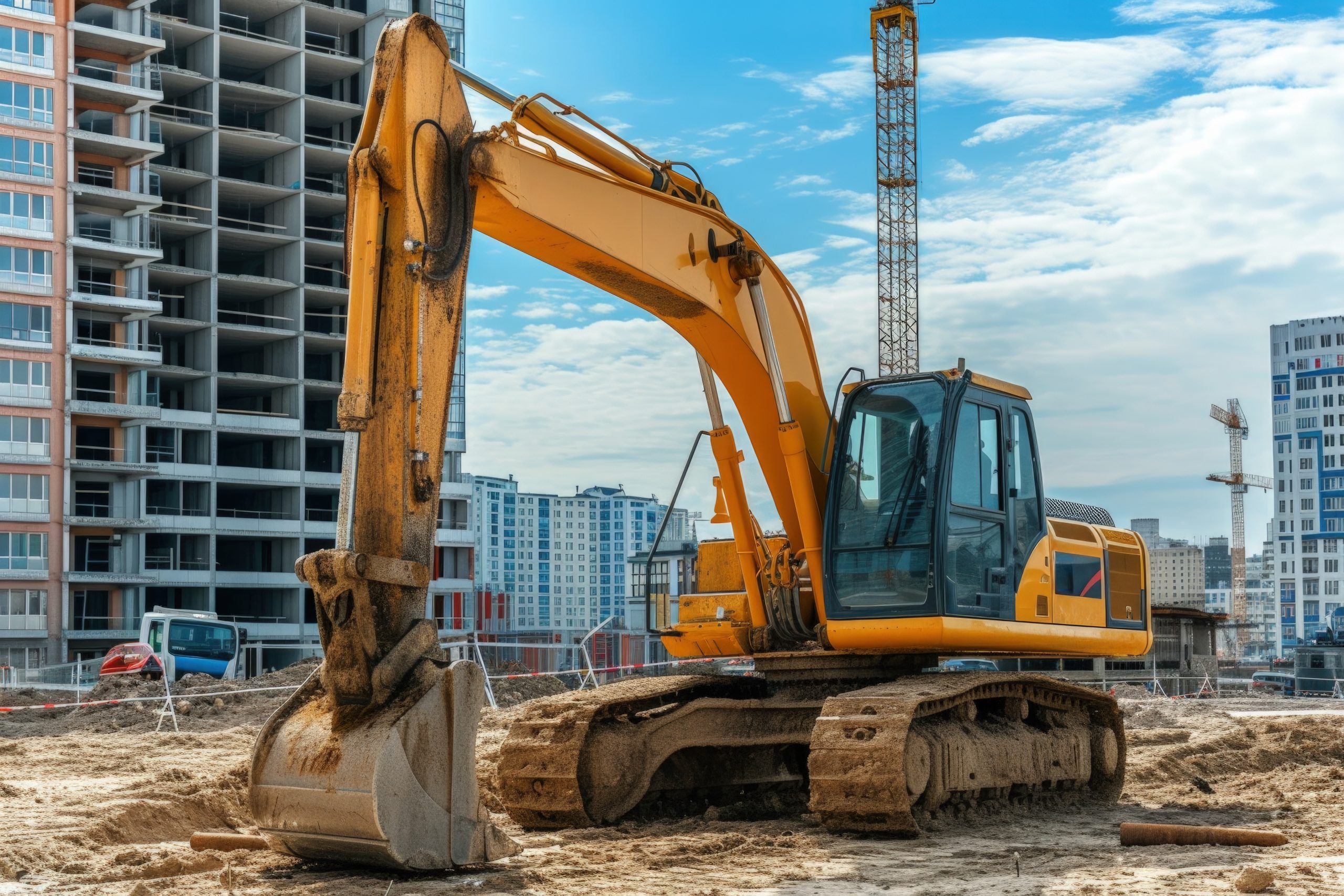
The India construction equipment market is valued at USD 12.4 billion in 2025 and is projected to expand at an 8.4% CAGR from 2025 to 2035, driven by aggressive infrastructure expansion and rapid urbanization. Key manufacturing hubs such as Pune, Maharashtra, and Chennai, Tamil Nadu, serve as the epicenters of this growth, housing critical production facilities for global and domestic giants like JCB India, established in 1979 in Ballabgarh, and Tata Hitachi Construction Machinery, headquartered in Bangalore since 1984. A dominant demand-side trend involves the increasing adoption of telematics and IoT-enabled excavators to optimize fleet utilization, while the supply-side is characterized by the strategic localization of engine components to mitigate global logistics volatility. Concurrently, the sector is navigating the stringent implementation of the Bharat Stage IV (CEV) emission norms enforced by the Ministry of Road Transport and Highways, which mandates lower particulate matter output across diesel-powered equipment portfolios. This regulatory shift is accelerating the industry transition toward electrification and alternative fuel systems, ensuring that manufacturers align with the broader national objective of achieving net-zero emissions while maintaining productivity levels essential for the successful completion of mega-projects such as the Bharatmala Pariyojana corridor.
By Equipment Type
- Hydraulic Excavators
- Backhoe Loaders
- Wheeled Loaders
- Truck Mounted Cranes
- Telehandlers
- Industrial Forklifts
- Transit Mixers
- Stationary Pumps
- Batching Plants
- Motor Graders
- Vibratory Compactors
- Asphalt Pavers
By Ownership Model
- Tier-1 Fleet Acquisition
- Direct Factory Support
- Long-term Warranty Contracts
- Short-term Project Hire
- Operated Rental Services
- Fleet Management Leasing
- Multi-brand Franchise Sales
- Used Equipment Brokering
- Standard Maintenance Packages
- Refurbished Legacy Machinery
- Peer-to-peer Trading
- Outdated Fleet Liquidation
Competitive Landscape
The India construction equipment market exhibits a highly consolidated structure, with the top five manufacturers commanding over 68% of the total revenue share in 2023. Competitive intensity is driven by aggressive localization strategies under the 'Make in India' initiative, heavily influenced by the Ministry of Road Transport and Highways (MoRTH) infrastructure mandates. Key players such as JCB India and L&T Construction & Mining Machinery lead through massive distribution networks, while international incumbents like Caterpillar and Komatsu focus on high-capacity mining excavators to sustain growth across the industrial corridors of Jharkhand and Odisha. Market distribution strategies have pivoted toward digital fleet management systems and predictive maintenance technologies to gain a competitive edge. Since 2021, major companies have invested approximately $450 million in regional R&D centers located in Pune and Chennai to comply with stringent Bharat Stage (CEV) V emission norms. Consolidation and strategic partnerships with local supply chains remain the primary defensive move for OEMs to mitigate the volatility of raw material prices and logistics costs across the Pan-India territory.
| Company | Est. Year | Headquarters | Details | Details | Details | Details | Details | Details |
|---|---|---|---|---|---|---|---|---|
| JCB India | 1979 | Ballabgarh, India | ~ | ~ | ~ | ~ | ~ | ~ |
| L&T Construction & Mining Machinery | 1944 | Mumbai, India | ~ | ~ | ~ | ~ | ~ | ~ |
| Caterpillar India | 1970 | Thiruvallur, India | ~ | ~ | ~ | ~ | ~ | ~ |
| Tata Hitachi Construction Machinery | 1961 | Bangalore, India | ~ | ~ | ~ | ~ | ~ | ~ |
| BEML Limited | 1964 | Bangalore, India | ~ | ~ | ~ | ~ | ~ | ~ |
🔒 Detailed cross-comparison data are available in the full report. Talk to Us to access complete competitive intelligence.
Growth Drivers
Government Infrastructure Expenditure
The Union Budget 2024-25 has allocated a capital expenditure of 11.11 trillion Indian rupees to accelerate nationwide infrastructure development. This fiscal injection prioritizes the completion of major arterial road networks, including the Bharatmala Pariyojana phase two. Increased budgetary support directly fuels demand for heavy earthmoving equipment such as hydraulic excavators and motor graders. Municipal corporations in metropolitan hubs like Bengaluru and Pune have fast-tracked urban transit projects, further stimulating procurement cycles for Tier-1 original equipment manufacturers to ensure timely delivery of large-scale public work projects.
Expansion of Smart City Initiatives
The Ministry of Housing and Urban Affairs has intensified the implementation of the Smart Cities Mission across 100 designated urban centers to modernize civic amenities. Modern construction methodologies required for these integrated projects demand automated and highly precise machinery. Projects in cities like Indore and Bhubaneswar utilize advanced sensor-equipped telehandlers to manage dense urban construction sites effectively. Investment in sustainable urban drainage systems and smart grid infrastructure has necessitated a 14 percent increase in specialized utility equipment deployments during 2023 to meet stringent engineering standards.
Adoption of Telematics and Digital Fleet Management
Leading industry players like Larsen & Toubro, headquartered in Mumbai, and JCB India, established in 1979, are increasingly integrating IoT-enabled telematics into their product portfolios. These systems allow site managers to monitor fuel consumption and engine health in real-time. In 2023, the adoption rate of predictive maintenance software among Tier-1 contractors surged to 62 percent as firms sought to reduce operational downtime. This digital transition enhances machine longevity and performance efficiency, prompting fleet owners in industrial corridors like Chennai and Ahmedabad to replace legacy units with smarter, connected alternatives.
Mining Sector Revival
Heightened domestic mining activities for iron ore and coal to support power generation needs have surged demand for heavy-duty extraction machinery. The Ministry of Mines has auctioned over 100 new mineral blocks since 2022, creating a robust requirement for large-capacity backhoe loaders and rigid dump trucks. Large mining operations in the Odisha and Jharkhand regions currently report a 22 percent increase in machine utilization hours compared to 2021 levels. This steady demand for high-tonnage earthmoving assets continues to provide a consistent order book for domestic and international heavy machinery manufacturers.
Market Challenges
High Initial Acquisition Costs
The rising cost of Tier-4 emission-compliant engines has significantly increased the price of new machinery. Small and medium-sized contractors report that purchase prices have climbed by 18 percent since 2022, hindering fleet expansion. These firms frequently struggle to secure competitive financing terms for high-value equipment acquisitions.
Skilled Operator Scarcity
The rapid deployment of advanced, computer-controlled machinery has outpaced the available pool of technically proficient labor. Over 45 percent of construction firms reported severe difficulties in recruiting certified operators for high-tech hydraulic systems during 2023. This talent gap often leads to suboptimal utilization of expensive equipment fleets across large-scale construction projects.
Fluctuating Raw Material Prices
Manufacturers face extreme volatility in the procurement costs of specialized steel and components required for machine chassis fabrication. Domestic steel prices experienced a 12 percent spike in early 2023, directly compressing profit margins for local equipment producers. This instability forces firms to frequently adjust retail price points, impacting long-term project budgeting for contractors.
Opportunities
Smart Infrastructure Integration
Manufacturers are integrating Internet of Things telemetry modules into backhoe loaders to provide real-time operational diagnostics and fuel monitoring. This digital transformation reduces site downtime for contractors by 22% as of 2024 through predictive maintenance alerts. Companies like Larsen & Toubro Construction have aggressively adopted these digital fleets to manage large-scale civil works across the Mumbai-Nagpur Samruddhi Expressway corridor.
Expansion of Rental Services
Small and medium-sized construction firms are shifting toward equipment leasing models to optimize capital expenditures instead of procuring heavy machinery directly. The volume of rental transactions for hydraulic excavators increased by 14% in 2023 across urban hubs like Pune and Hyderabad. This trend supports decentralized construction projects by providing immediate access to high-capacity equipment without long-term debt liabilities for regional developers.
Green Construction Compliance
The Ministry of Environment, Forest and Climate Change has implemented stricter emission standards necessitating the rapid adoption of BS-IV and V compliant engines. Equipment manufacturers are capitalizing on this regulatory shift by deploying electric-hybrid prototypes which achieved a 35% reduction in exhaust emissions during trial phases in 2024. Urban developers in Delhi-NCR are prioritizing vendors who demonstrate lower carbon footprints to meet strict sustainability certifications.
Future Outlook
The Indian construction equipment sector is positioned for structural evolution through 2035, driven by the National Infrastructure Pipeline and the Gati Shakti National Master Plan. As India seeks to bridge critical infrastructure gaps, demand for earthmoving and material handling machinery will shift toward higher efficiency, automation, and sustainable power sources. We anticipate that domestic production capabilities will be bolstered by the Production Linked Incentive (PLI) scheme, enabling local manufacturers like Action Construction Equipment, headquartered in Palwal, to reduce dependence on imported hydraulic components. By 2030, the shift toward autonomous road-building machinery will likely redefine labor dynamics on mega-projects, while the transition to hydrogen-cell and battery-electric drivetrains will be mandated by increasingly stringent Bharat Stage emission norms. The market trajectory indicates that Tier-2 cities in states like Gujarat and Karnataka will emerge as the primary demand centers, eclipsing traditional metropolitan saturation. Furthermore, the integration of AI-driven fleet management software will optimize project completion timelines, directly supporting the government's target of reducing logistics costs to under 10% of GDP by 2035. Investors should monitor the interplay between infrastructure spending cycles and the electrification of the heavy machinery supply chain, as these factors will determine long-term margin resilience for major OEMs operating within the subcontinent.
Major Players
- JCB India
- L&T Construction & Mining Machinery
- Caterpillar India
- Tata Hitachi Construction Machinery
- BEML Limited
- Volvo Construction Equipment India
- Komatsu India
- ACE (Action Construction Equipment)
- Kobelco Construction Equipment India
- Sany Heavy Industry India
- LiuGong India
- Escorts Kubota Limited
- Hyundai Construction Equipment India
- Terex India
- Wirtgen India
Key Target Audience
- Original Equipment Manufacturers (OEMs) like Tata Hitachi Construction Machinery (est. 1984, Jamshedpur)
- Earthmoving Equipment Manufacturers like JCB India (est. 1979, Ballabgarh)
- Heavy Machinery Component Suppliers like Bharat Forge (est. 1966, Pune)
- Government and Regulatory Bodies (Ministry of Road Transport and Highways)
- Infrastructure Development Firms like Larsen & Toubro (est. 1938, Mumbai)
- Construction Project Management Companies like Shapoorji Pallonji Group (est. 1865, Mumbai)
- Mining Corporations like Coal India Limited (est. 1975, Kolkata)
- Logistics and Heavy Transport Fleet Operators
- Rental and Leasing Service Providers
- Investors and Venture Capital Firms
- Urban Planning and Municipal Development Authorities
- Real Estate Developers like DLF Limited (est. 1946, New Delhi)
Research Methodology
Identification of Key Variables
- Analysts identify critical growth drivers such as the National Infrastructure Pipeline (NIP) and the PM Gati Shakti National Master Plan.
- We isolate macroeconomic indicators, including India's GDP growth projections for 2035 and historical CAGR trends in the construction sector, to define the parameters of our model.
Market Analysis and Construction
- Utilizing proprietary databases, we aggregate historical production volumes from major players like Action Construction Equipment and Caterpillar India.
- We apply a top-down and bottom-up modeling approach to forecast equipment penetration rates across urban centers like Bengaluru and Hyderabad through 2035.
Validation and Synthesis
- Insights are validated through structured interviews with senior project managers, government regulatory analysts, and site supervisors at major infrastructure hubs.
- These discussions ensure the alignment of market forecasts with ground-level project execution realities, infrastructure spending cycles, and evolving emission compliance standards as defined by national industrial policy frameworks.
- The research team synthesizes primary data and secondary intelligence into a consolidated report format.
- This final stage involves rigorous cross-verification of data sets against official Ministry of Commerce and Industry releases to provide an accurate, high-fidelity outlook for the Indian construction machinery landscape through 2035.
Table of Contents
 Executive Summary
2 Sections
▼
- Executive Summary
- Research Methodology (Define Construction Equipment Asset Classes, Bottom-up Analysis of Infrastructure Budgets, Top-down Assessment of Project Backlogs, Primary Interviews with Site Managers, Surveys of Equipment Rental Fleet Owners, Review of Ministry of Road Transport, Data Triangulation via Dealer Sales, Trend Extrapolation using GDP Correlations, Evaluation of Import/Export Trade Databases, Supply Chain Constraint Modeling, Regional Demand Saturation Assessment, CAGR Estimation 2025-2035, Validation of OEM Financial Disclosures, Regulatory Impact Forecast Verification)
 India Construction Equipment Market Overview
7 Sections
▼
- Definition and Scope
- Market Evolution and Industry Genesis
- Impact of Gati Shakti National Masterplan
- Mechanization Trends in Infrastructure Projects
- Digital Fleet Management in Remote Regions
- Policy Shifts in Bharat Stage IV and V
- Evolution of Equipment Rental and Leasing
 India Construction Equipment Market Size (2020-2025)
3 Sections
▼
- By Market Value (2020-2025)
- By Annual Sales Units (2020-2025)
- By Operational Fleet Size (2020-2025)
 India Construction Equipment Market Segmentation
50 Segments
▼
- By Equipment Category (In Value %)
- Earthmoving Machinery
- Backhoe Loaders
- Hydraulic Excavators
- Wheel Loaders
- Motor Graders
- Skid Steer Loaders
- Road Construction Equipment
- Vibratory Compactors
- Pneumatic Tire Rollers
- Hot Mix Asphalt Plants
- Pavers
- Tandem Rollers
- Concrete Equipment
- Transit Mixers
- Boom Pumps
- Stationary Concrete Pumps
- Batching Plants
- Material Handling Equipment
- Mobile Cranes
- Tower Cranes
- Telehandlers
- Reach Stackers
- By Engine Power Rating (In Value %)
- Low Horsepower (Below 50 HP)
- Mid Horsepower (50-150 HP)
- High Horsepower (150-300 HP)
- Ultra-High Horsepower (Above 300 HP)
- By Ownership Model (In Value %)
- Direct OEM Purchase
- Financial Lease Arrangements
- Third-Party Rental Services
- Used Equipment Resale Market
- By Geographic Zone (In Value %)
- North India (Delhi/NCR/Punjab)
- West India (Maharashtra/Gujarat)
- South India (Karnataka/Tamil Nadu)
- East India (West Bengal/Odisha)
- By Distribution Channel (In Value %)
- Direct Manufacturer Sales
- Authorized Multi-Brand Dealerships
- E-commerce Equipment Platforms
- Contractor Rental Procurement
- By Target Infrastructure Sector (In Value %)
- Transportation Infrastructure
- Urban Real Estate Development
- Mining and Quarrying Operations
- Renewable Energy and Power Plants
- Agricultural Land Development
- Water and Irrigation Projects
 India Construction Equipment Market Analysis
8 Sections
▼
- Growth Drivers (Government Infrastructure Expenditure, Expansion of Smart City Initiatives, Adoption of Telematics and Digital Fleet Management, Mining Sector Revival)
- Market Challenges (High Initial Acquisition Costs, Skilled Operator Scarcity, Fluctuating Raw Material Prices)
- Market Opportunities (Smart Infrastructure Integration, Expansion of Rental Services, Green Construction Compliance)
- Market Trends (Electrification, Predictive Maintenance, Autonomous Operations)
- Government Regulations
- SWOT Analysis
- Porter's Five Forces Analysis
- PESTLE Analysis
 India Construction Equipment Market Competitive Analysis
19 Sections
▼
- Market Share of Major Players
- Domestic Manufacturers versus Global Multinationals
- Established Tier-1 OEM Competitive Dynamics
- Budget-focused Value Brand Positioning
- Rental-specific Fleet Competition
- Technological Disruptor Market Entry
- Cross Comparison Parameters (Dealer Network Density Across India, Telematics and IoT Integration Depth, Parts Availability and Turnaround Time, Emission Compliance and R&D Investment, After-Sales Service Center Footprint, Financing Support and Credit Options)
- Competitive Product Benchmarking (Breakout Force Performance Metrics, Fuel Consumption per Operating Hour, Engine Durability and Maintenance Cycle, Operator Cabin Comfort and Ergonomics, Standard Safety and Fail-Safe Systems, Warranty and Residual Value Retention)
- Financial and Operational Parameters
- SWOT Analysis of Major Players
- Detailed Profiles of Major Companies
- JCB India (Gurugram) – JCB Backhoe Loaders, JCB Telehandlers
- Tata Hitachi Construction Machinery (Bangalore) – Zaxis Excavators, EX Series
- L&T Construction Equipment (Mumbai) – Komatsu India, L&T Road Machinery
- Caterpillar India (Chennai) – Cat Earthmovers, SEM Machinery
- Volvo Construction Equipment (Bangalore) – Volvo Excavators, SDLG
- ACE - Action Construction Equipment (Faridabad) – ACE Cranes, ACE Loaders
- Mahindra Construction Equipment (Mumbai) – Mahindra EarthMaster
- BEML Limited (Bengaluru) – BEML Mining Series
 India Construction Equipment Market End-User Analysis
7 Sections
▼
- Utilization Rate by Machine Application Type
- Average Project Life-cycle Equipment Demand
- Daily versus Monthly Average Rental Hours
- Predictive Maintenance Adoption by Fleet Size
- Fuel Expense as Percentage of TCO
- Shift Preference from Tier-2 to Tier-1 Machines
- Operator Shortage Impact on Automation Demand
 India Construction Equipment Market Future Size (2026-2035)
3 Sections
▼
- By Market Value (2026-2035)
- By Annual Sales Units (2026-2035)
- By Operational Fleet Size (2026-2035)
Frequently Asked Questions
The current market size is USD 12.4 billion in 2025, projected to reach USD 27.8 billion by 2035 (8.4% CAGR from 2025 to 2035). This growth reflects a massive expansion in state-funded infrastructure projects across industrial corridors. The transition toward heavy-duty machinery is necessitated by the increasing complexity of urban civil engineering works.
High import duties on critical sub-components remain a primary hurdle for original equipment manufacturers operating within the country. Skilled labor shortages in specialized operational roles often lead to project delays in tier-2 cities like Nagpur and Coimbatore. Additionally, stringent compliance with the Bharat Stage IV emission norms increases manufacturing costs and maintenance requirements for fleet owners.
Key market participants include Larsen & Toubro Komatsu, founded in 1998 and headquartered in Mumbai, and JCB India, established in 1979 with its primary manufacturing hub in Ballabgarh. Tata Hitachi Construction Machinery, founded in 1984 in Jamshedpur, continues to hold a significant market share in excavator sales. These companies dominate the landscape through extensive service networks and localized manufacturing capabilities.
The government's Gati Shakti National Master Plan serves as the primary catalyst for infrastructure development across the nation. Increased budgetary allocation for the National Highways Authority of India ensures a consistent demand for earthmoving and road construction machinery. Rapid urbanization in metropolitan regions like Bengaluru and Pune further necessitates heavy investment in tunnel boring and high-rise foundation equipment.
The integration of telematics and real-time fleet management software is becoming standard for large-scale mining and construction contractors. There is a discernible shift toward electric-powered compact equipment, particularly in emissions-sensitive urban areas. Furthermore, the adoption of rental business models is gaining traction among mid-sized firms looking to reduce capital expenditure while maintaining access to state-of-the-art machinery.


 Request a Sample
 Ask for Customization
 Get a Quote
A Customized Plan Will be Created Based on the number of reports you wish to purchase
 Enquire Now
