

 Download PDF
Market Overview
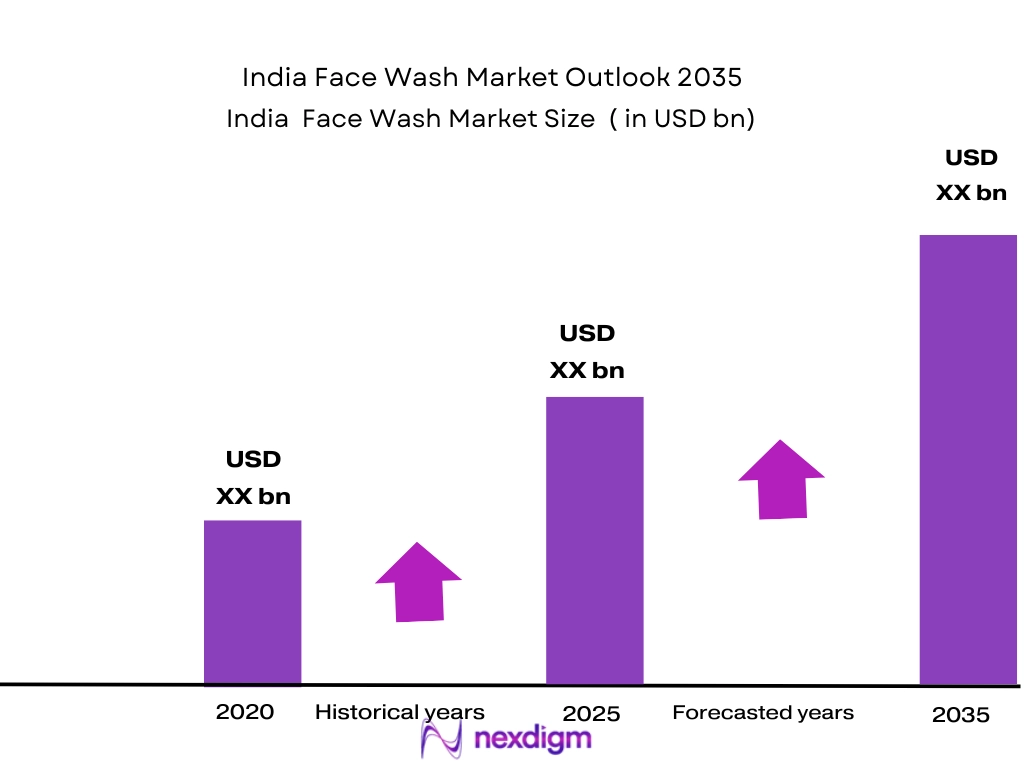
The India face wash market is valued at USD ~ billion in 2024, growing from USD 2.2 billion in 2023, based on a five-year historical analysis. This growth is driven by increasing consumer awareness of personal skincare, rising disposable income, and the expansion of premium and natural product lines. Innovations in formulations targeting acne control, anti-aging, and brightening, along with aggressive marketing campaigns and celebrity endorsements, are contributing to higher adoption rates across both urban and semi-urban populations.
Major metropolitan cities such as Mumbai, Delhi, Bengaluru, and Hyderabad dominate the India face wash market due to high population density, elevated purchasing power, and rapid urbanization. These cities also host a concentrated presence of retail chains, e-commerce penetration, and premium beauty outlets, which accelerates product accessibility. Exposure to social media trends, lifestyle awareness campaigns, and consumer inclination toward premium and natural skincare products further consolidates the dominance of these urban markets over the rest of the country.
Market Segmentation
By Product Type
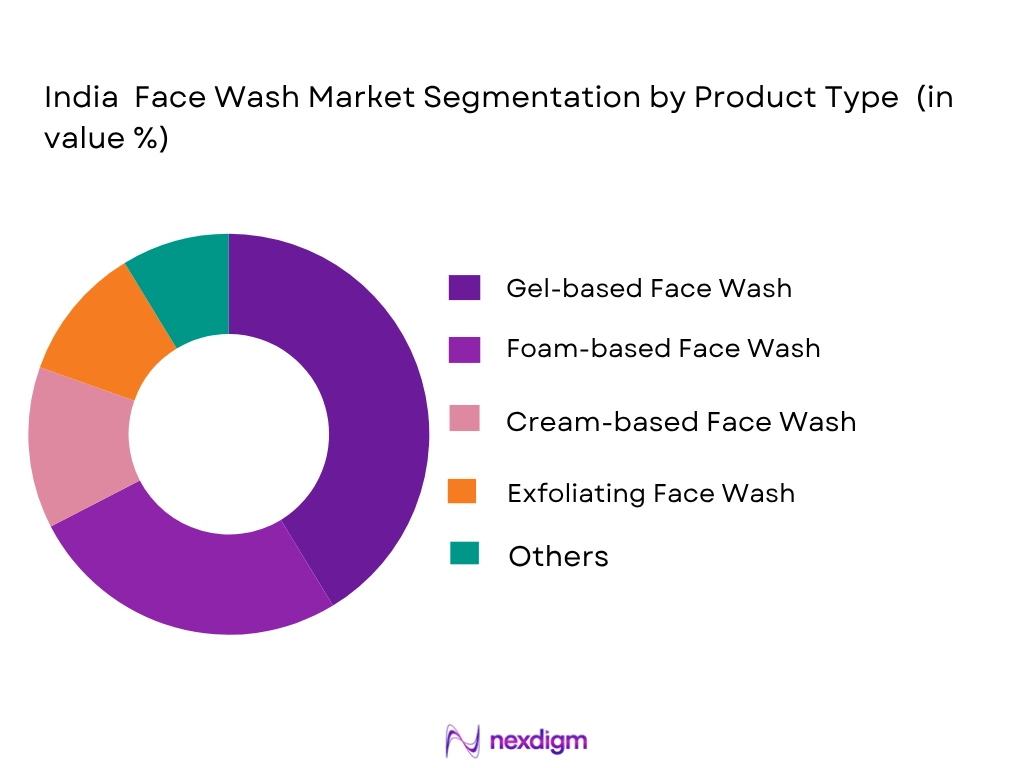
India face wash market is segmented by product type into gel-based, foam-based, cream-based, exfoliating, and others. Gel-based face washes dominate the market as they are widely preferred for their gentle yet effective cleansing properties, suitability for various skin types, and ability to remove excess oil without causing dryness. Leading brands have invested heavily in advertising gel-based formulations, highlighting skin benefits such as acne prevention and brightening effects. Convenience, product efficacy, and brand loyalty are the primary reasons for the sustained dominance of this segment.
By Ingredients Type
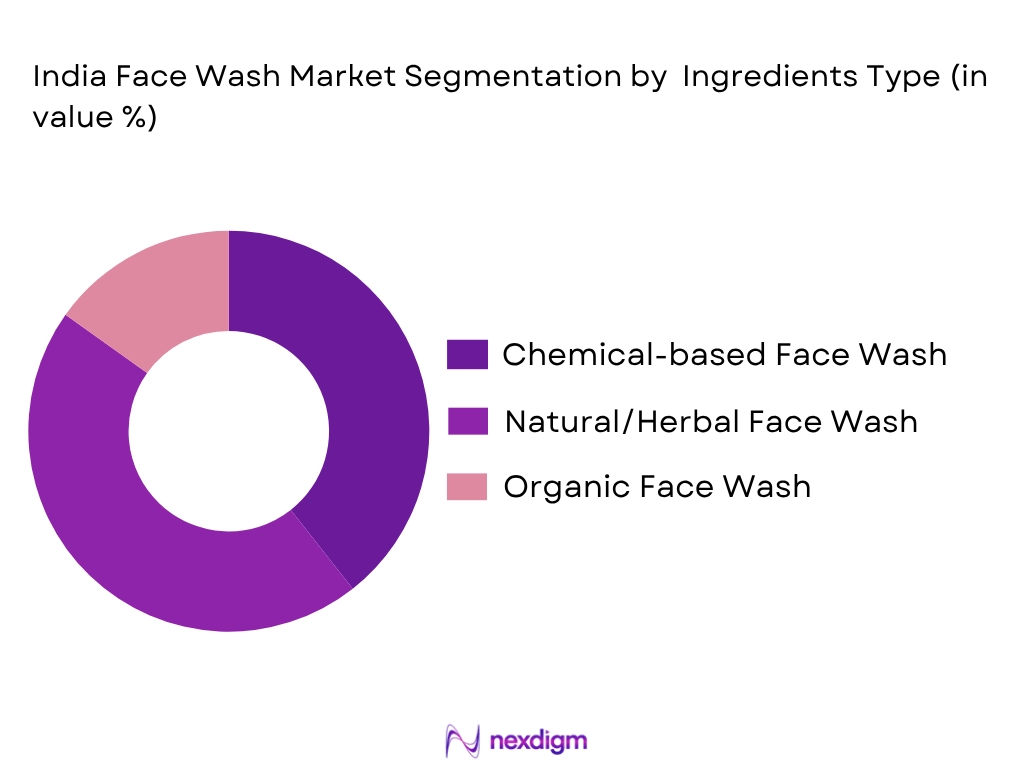
The India face wash market is segmented by ingredients into chemical-based, natural/herbal, and organic formulations. Natural/herbal face washes hold the largest market share due to increasing consumer preference for chemical-free, safe, and eco-friendly products. Ingredients such as aloe vera, neem, tulsi, and green tea have gained popularity for their perceived skincare benefits and minimal side effects. Rising awareness regarding harmful effects of synthetic chemicals, coupled with targeted social media campaigns promoting herbal solutions, has led to strong consumer trust and increased adoption of natural/herbal formulations.
Competitive Landscape
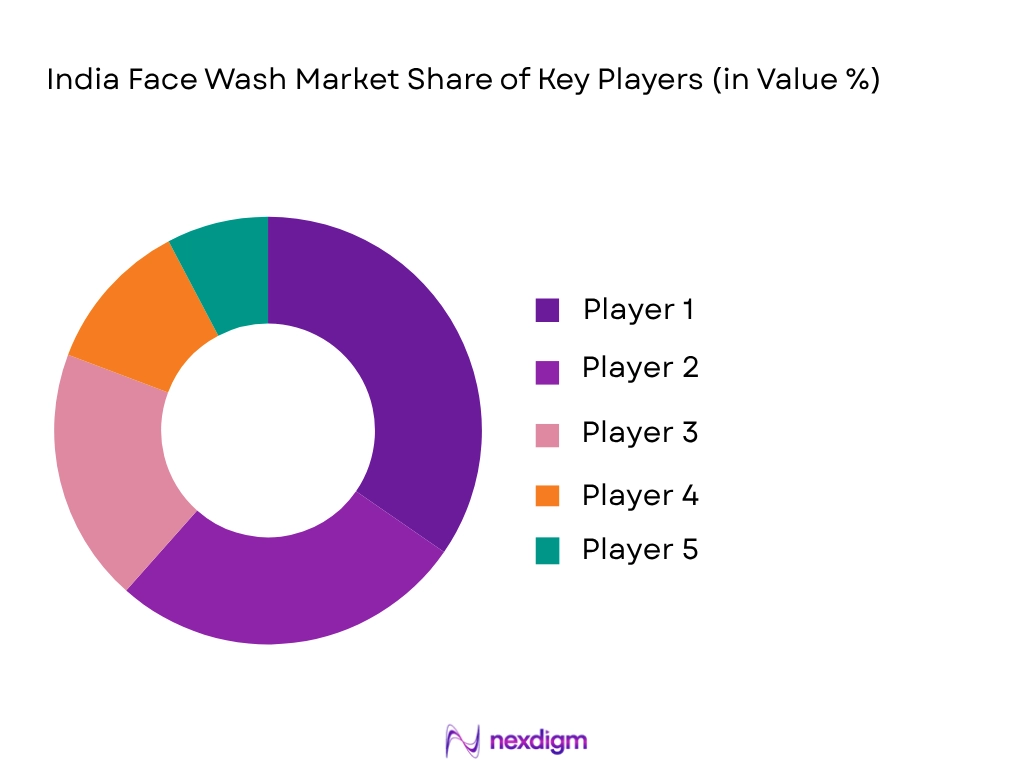
The India face wash market is dominated by a combination of global and domestic players, including Hindustan Unilever, L’Oréal India, and Procter & Gamble. These companies have established strong brand presence, robust distribution channels, and innovative product portfolios that enable them to maintain market leadership. The market demonstrates moderate consolidation, with top players influencing product pricing, marketing trends, and distribution strategies. The competitive landscape also encourages smaller niche players to focus on organic and herbal products, further diversifying consumer choices.
| Company | Establishment Year | Headquarters | Product Portfolio | Distribution Channels | Revenue 2024 (USD mn) | Market Reach | Innovation Initiatives | Production Capacity |
| Hindustan Unilever | 1933 | Mumbai, India | ~ | ~ | ~ | ~ | ~ | ~ |
| L’Oréal India | 1990 | Mumbai, India | ~ | ~ | ~ | ~ | ~ | ~ |
| Procter & Gamble (P&G) | 1837 | Gurgaon, India | ~ | ~ | ~ | ~ | ~ | ~ |
| Lakmé | 1952 | Mumbai, India | ~ | ~ | ~ | ~ | ~ | ~ |
| Beiersdorf AG | 1882 | Hamburg, Germany | ~ | ~ | ~ | ~ | ~ | ~ |
India Face Wash Market Analysis
Growth Drivers
Increase in Awareness About Skincare and Personal Hygiene
In India, growing consumer awareness of skincare and personal hygiene is a primary driver of the face wash market. Campaigns by dermatologists, wellness influencers, and cosmetic brands have emphasized the benefits of regular facial cleansing, such as acne prevention, improved skin texture, and protection from environmental pollutants. Rising urbanization and exposure to global beauty trends have encouraged both men and women to adopt daily skincare routines. Educational initiatives highlighting the importance of hygiene in schools, workplaces, and healthcare settings further reinforce product adoption. This increased awareness drives frequent usage and expands the consumer base, offering brands opportunities to introduce targeted marketing campaigns and specialized products for different skin types.
Growth of E-commerce and Digital Marketing Channels
The rapid growth of e-commerce and digital marketing has transformed the Indian face wash market. Online platforms provide easy access to a wide range of domestic and international brands, enabling product comparison, customer reviews, and doorstep delivery. Digital marketing, including social media campaigns and influencer endorsements, has significantly increased consumer engagement and awareness. This trend allows niche and premium brands to reach audiences beyond metropolitan areas while offering personalized recommendations and promotions. Additionally, retail expansion in supermarkets, pharmacies, and beauty stores complements online channels, improving accessibility and visibility. The integration of digital and offline channels has boosted overall market penetration and created new growth opportunities.
Market Challenges
High Competition and Price Sensitivity
The Indian face wash market is highly competitive, with numerous domestic and international brands vying for consumer attention. This competition often results in price-sensitive purchasing behavior, where consumers frequently switch brands seeking affordability or perceived quality. New entrants must differentiate through innovative formulations, packaging, or natural ingredient positioning. Established brands face pressure to maintain product quality while offering competitive pricing, often increasing marketing and promotional costs. Intense competition also challenges customer retention, making loyalty programs and targeted campaigns essential. Balancing profitability and market share in a crowded and price-conscious market remains a persistent challenge for manufacturers.
Regulatory Compliance and Quality Standards
Regulatory compliance and quality assurance are significant challenges in the Indian face wash market. Manufacturers must adhere to guidelines from regulatory authorities to ensure product safety, proper labeling, and ingredient restrictions. Compliance with these standards requires extensive testing, documentation, and ongoing monitoring, particularly for herbal, natural, or premium products. Changes in regulations or stricter scrutiny can delay product launches and increase operational costs. Non-compliance may result in penalties, product recalls, or reputational damage. Maintaining consistent quality and meeting legal requirements is critical for brand credibility and consumer trust, yet it remains resource-intensive and complex for both established and emerging players.
Opportunities
Rising Adoption of Herbal and Eco-friendly Products
There is increasing demand in India for herbal and eco-friendly face wash products as consumers seek natural, safe, and sustainable options. Ingredients such as aloe vera, neem, tulsi, and green tea are preferred for their perceived skin benefits and minimal side effects. Eco-friendly manufacturing practices, cruelty-free testing, and recyclable packaging enhance brand credibility and appeal to environmentally conscious consumers. This trend allows brands to differentiate products, target premium segments, and foster long-term loyalty. With growing awareness of sustainability and natural ingredients, companies have the opportunity to expand product lines that align with health, wellness, and ecological responsibility.
Innovation in Product Formulations and Packaging
Innovation in formulations and packaging presents a major growth opportunity in the Indian face wash market. Companies are developing multifunctional products that combine cleansing, hydration, exfoliation, and anti-aging benefits. Advanced delivery formats such as gels, foams, and exfoliating beads improve efficacy and enhance user experience. Packaging innovations, including travel-sized bottles, dispensers, and sustainable materials, cater to convenience and environmentally conscious consumers. Personalization, skin-type-specific products, and multi-functional offerings further increase market appeal. By continuously innovating, brands can differentiate themselves, attract new consumers, and strengthen loyalty while addressing evolving consumer expectations in a competitive market.
Future Outlook
Over the next five years, the India face wash market is expected to exhibit substantial growth driven by increased skincare awareness, the rising popularity of natural and organic formulations, and expansion of e-commerce platforms. Growth in male grooming, rising disposable income, and consumer preference for premium and multifunctional products will further propel demand. Sustainability initiatives and eco-friendly packaging adoption will become critical factors for brands seeking to differentiate themselves in a highly competitive market.The market is projected to grow at a CAGR of 7.2% from 2024 to 2030, reaching an estimated USD 4.1 billion by 2030. Factors contributing to this growth include rising adoption of herbal and organic products, increasing urbanization, influence of social media and lifestyle trends, and expansion of retail and online distribution channels.
Major Players
- Hindustan Unilever
- L’Oréal India
- Procter & Gamble (P&G)
- Lakmé
- Beiersdorf AG
- Garnier
- Nivea
- The Body Shop
- Dove (Unilever)
- Neutrogena (Johnson & Johnson)
- Aveeno (Johnson & Johnson)
- Cetaphil (Galderma)
- Pond’s (Hindustan Unilever)
- VLCC
- Mamaearth
Key Target Audience
- Skincare and Cosmetic Companies
- Retail and E-commerce Chains
- Luxury and Premium Beauty Brands
- Pharmacies and Drugstore Chains
- Investments and Venture Capitalist Firms
- Government and Regulatory Bodies
- Healthcare and Dermatology Clinics
- Personal Care Product Distributors
Research Methodology
Step 1: Identification of Key Variables
The initial phase involves constructing an ecosystem map encompassing all major stakeholders within the India face wash market. Extensive desk research, utilizing secondary and proprietary databases, is conducted to identify the critical variables influencing market dynamics. This step ensures that all relevant factors, including consumer preferences, product trends, and regulatory requirements, are considered.
Step 2: Market Analysis and Construction
Historical data on the India face wash market is compiled and analyzed, focusing on product penetration, market revenue, and consumption trends. Evaluation of distribution channels, production capacities, and pricing patterns is performed to ensure accuracy in revenue and volume estimates across different regions and product segments.
Step 3: Hypothesis Validation and Expert Consultation
Market hypotheses are validated through computer-assisted interviews with industry experts from leading skincare and personal care companies. These consultations provide insights on operational challenges, product adoption trends, and emerging consumer behaviors, enhancing the reliability of market assumptions and projections.
Step 4: Research Synthesis and Final Output
The final phase involves direct engagement with manufacturers, distributors, and retailers to gather detailed insights on product performance, consumer preferences, and sales data. This information complements bottom-up and top-down analyses, ensuring a comprehensive, accurate, and validated assessment of the India face wash market.

- Executive Summary
- Research Methodology (Market Definitions and Assumptions, Abbreviations, Market Sizing Approach, Consolidated Research Approach, Understanding Market Potential Through In-Depth Industry Interviews, Primary Research Approach, Limitations and Future Conclusions)

- Definition and Scope
- Market Dynamics Overview
- Market Genesis
- Major Players and Market Timeline
- Business Cycle and Trends
- Supply Chain and Value Chain Analysis

- Growth Drivers
Increase in Awareness About Skincare and Personal Hygiene
Rising Demand for Natural and Organic Products
Expansion of Male Grooming Segment
Growth of E-commerce and Digital Marketing Channels
Innovation in Product Formulations and Packaging - Market Challenges
High Competition and Price Sensitivity
Fluctuating Raw Material Costs
Regulatory Compliance and Quality Standards
Shifting Consumer Preferences and Brand Loyalty - Opportunities
Rising Adoption of Herbal and Eco-friendly Products
Expansion of Retail and E-commerce Channels
Growth in Premium and Anti-aging Face Wash Products
Emergence of Personalized and Multi-functional Products
Innovation in Sustainable Packaging - Key Trends
Shift Toward Natural and Herbal Ingredients
Focus on Anti-acne, Anti-aging, and Skin Brightening Formulations
Rising Demand for Travel-size and On-the-go Products
Integration of Smart Skincare Technologies
Expansion of Brand Portfolio and Product Lines - Government Regulations
- SWOT Analysis
- Porter’s Five Forces

- By Value, 2020–2025
- By Volume, 2020–2025
- By Average Price, 2020–2025

- By Product Type (In Value %)
Gel-based Face Wash
Foam-based Face Wash
Cream-based Face Wash
Exfoliating Face Wash
Others - By Ingredients Type (In Value %)
Chemical-based Face Wash
Natural/Herbal Face Wash
Organic Face Wash - By Application (In Value %)
Daily Skincare
Dermatological Use
Men’s Grooming
Teenage/Youth Use
Others - By Distribution Channel (In Value %)
Direct Sales
Retail Pharmacies
Online Channels
Supermarkets and Hypermarkets
Specialty Stores - By Region (In Value %)
North India
South India
West India
East India
Central India

- Market Share of Major Players by Value/Volume
- Market Share of Major Players by Product Type
- Cross Comparison Parameters (Company Overview, Business Strategies, Recent Developments, Strength, Weakness, Organizational Structure, Revenues, Revenues by Product Type, Number of Touchpoints, Distribution Channels, Number of Dealers and Distributors, Margins, Production Plant, Capacity, Unique Value Offering and Others)
- SWOT Analysis of Major Players
- Pricing Analysis Based on Product Categories for Major Players
- Detailed Profiles of Major Companies
Hindustan Unilever
L’Oréal India
Procter & Gamble (P&G)
Lakmé
Beiersdorf AG
Garnier
Nivea
The Body Shop
Dove (Unilever)
Neutrogena (Johnson & Johnson)
Aveeno (Johnson & Johnson)
Cetaphil (Galderma)
Pond’s (Hindustan Unilever)
VLCC
Mamaearth

- Market Demand and Utilization
- Purchasing Power and Budget Allocations
- Regulatory and Compliance Requirements
- Needs, Desires, and Pain Point Analysis
- Decision-Making Process

- By Value, 2026–2035
- By Volume, 2026–2035
- By Average Price, 2026–2035


 Request a Sample
 Ask for Customization
 Get a Quote
 Enquire Now