

 Download PDF
Market Overview
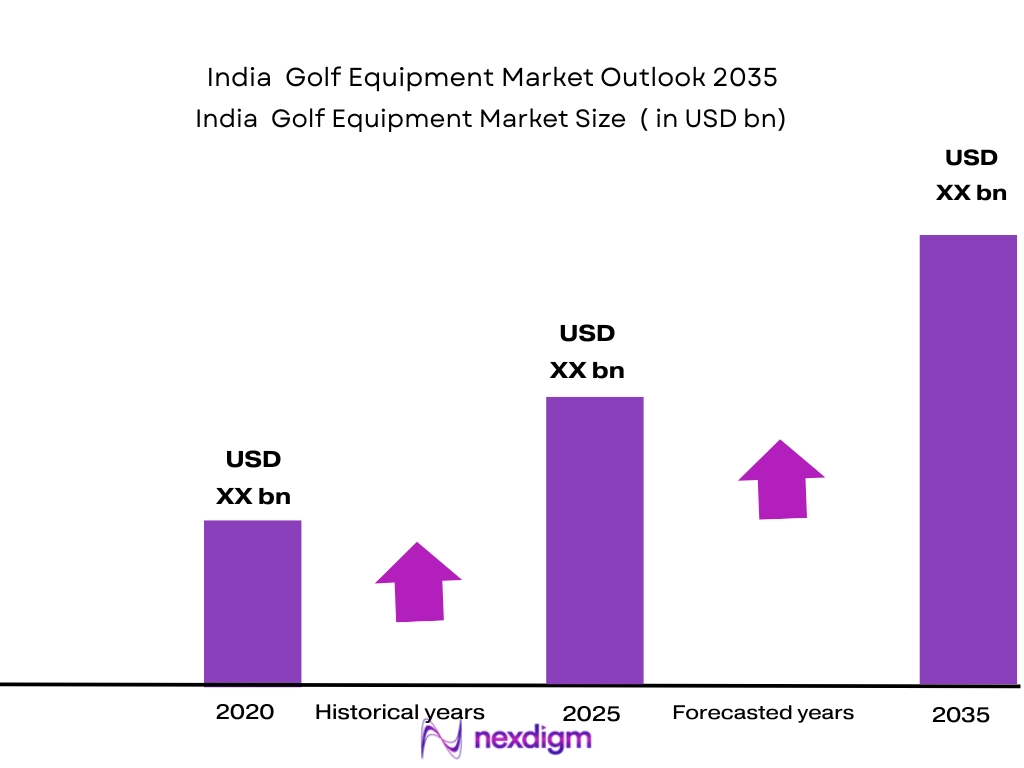
The market for golf equipment is projected to see significant growth, with total market value reaching USD ~ billion based on a recent historical assessment. This growth is primarily driven by increasing participation in golf, rising disposable incomes, and the growing popularity of golf as both a recreational and professional sport. Additionally, technological innovations in golf equipment and the expansion of online sales platforms have contributed to the market’s growth, making golf more accessible to a broader audience. As urban populations continue to adopt golf as a leisure activity, the market is poised for steady expansion.
Certain countries and cities dominate the golf equipment market due to their established golf culture, infrastructure, and affluent consumer bases. The United States, the United Kingdom, Japan, and Germany lead the market, with these regions boasting high levels of golf participation, strong retail networks, and well-established golf courses. Furthermore, countries like the United States benefit from a long-standing golf culture, with iconic courses and events driving continuous demand for high-quality golf equipment. Major cities with golfing hubs, such as Orlando, London, and Tokyo, also contribute significantly to market demand.
Market Segmentation
By Product Type
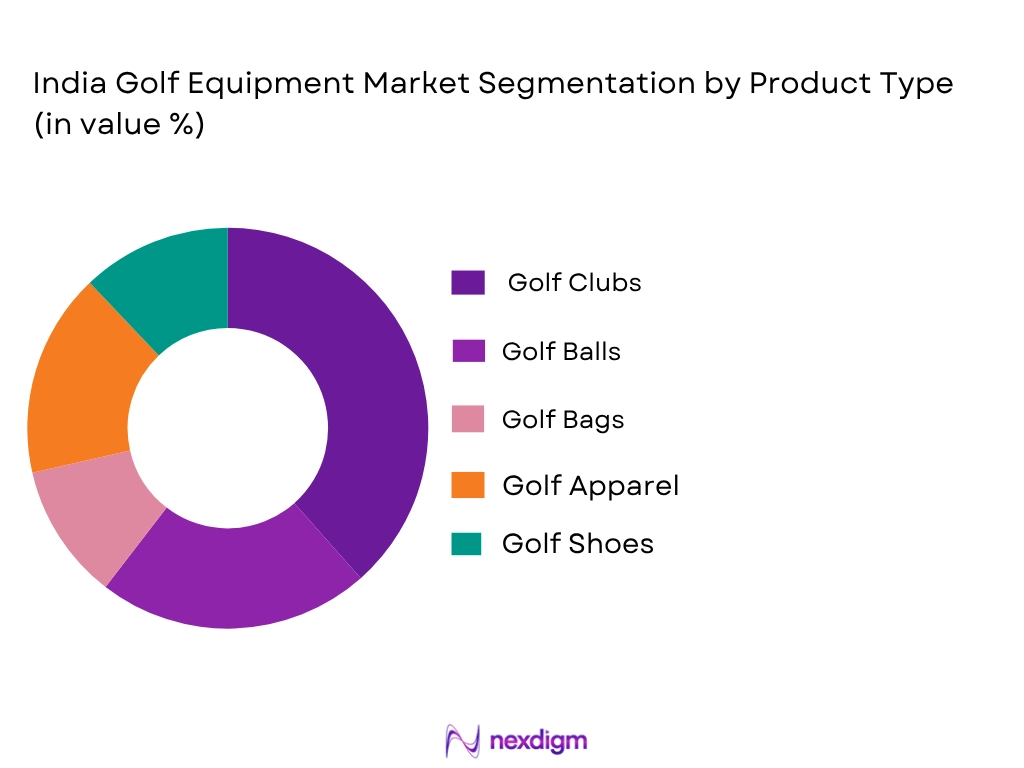
The golf equipment market is segmented by product type into clubs, balls, bags, apparel, shoes, golf carts, GPS devices, and accessories. Recently, golf clubs have dominated the market share due to the increased consumer interest in personalized and technologically advanced club designs. Custom-made clubs, which cater to individual preferences for weight, length, and shaft flexibility, have seen significant growth. Furthermore, the integration of advanced materials such as titanium and carbon fiber in club manufacturing has enhanced performance, making them highly sought after by both amateur and professional golfers. These innovations, coupled with the increasing number of golf enthusiasts investing in premium equipment, have helped golf clubs maintain their position as the most dominant product category in the market.
By Distribution Channel
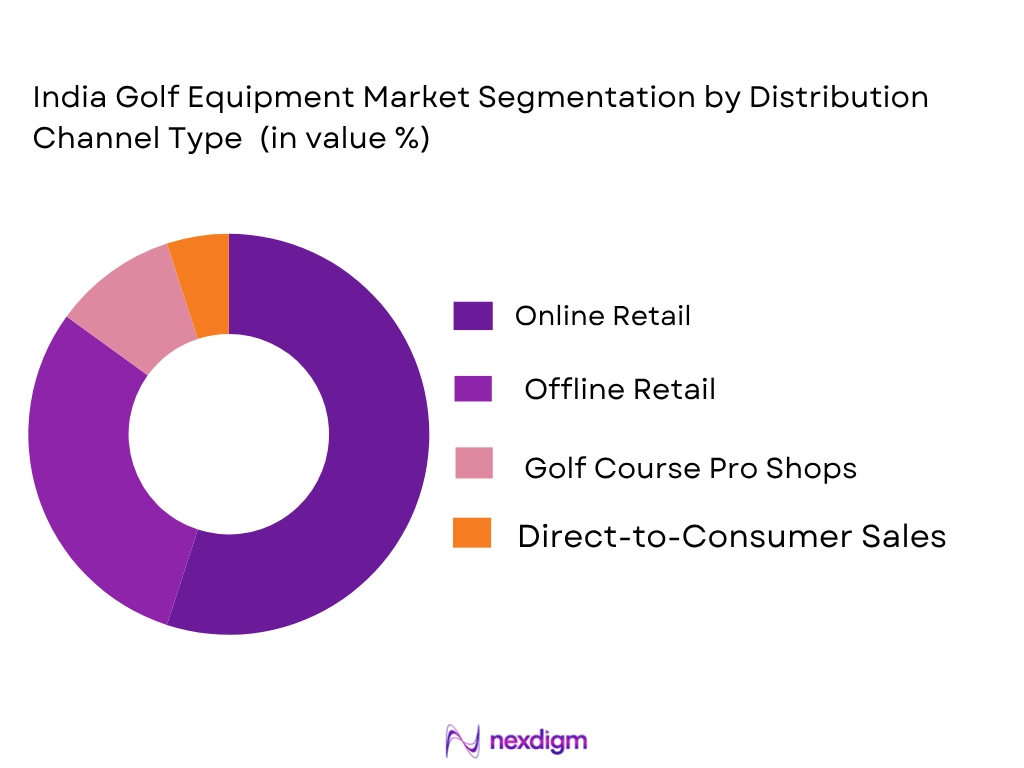
The market for golf equipment is segmented by distribution channels into online retail, offline retail, golf course pro shops, and direct-to-consumer sales. Recently, online retail has gained a dominant market share, driven by the convenience of shopping from home, access to a wider range of products, and the growing popularity of e-commerce platforms. Online platforms offer a variety of brands and customized golf products, and the ability to compare prices has made it a preferred choice for tech-savvy consumers. Furthermore, the ease of door-to-door delivery and promotional deals available online has significantly contributed to its dominance. As more golfers turn to the internet for their golf equipment needs, online retail continues to lead the market.
Competitive Landscape
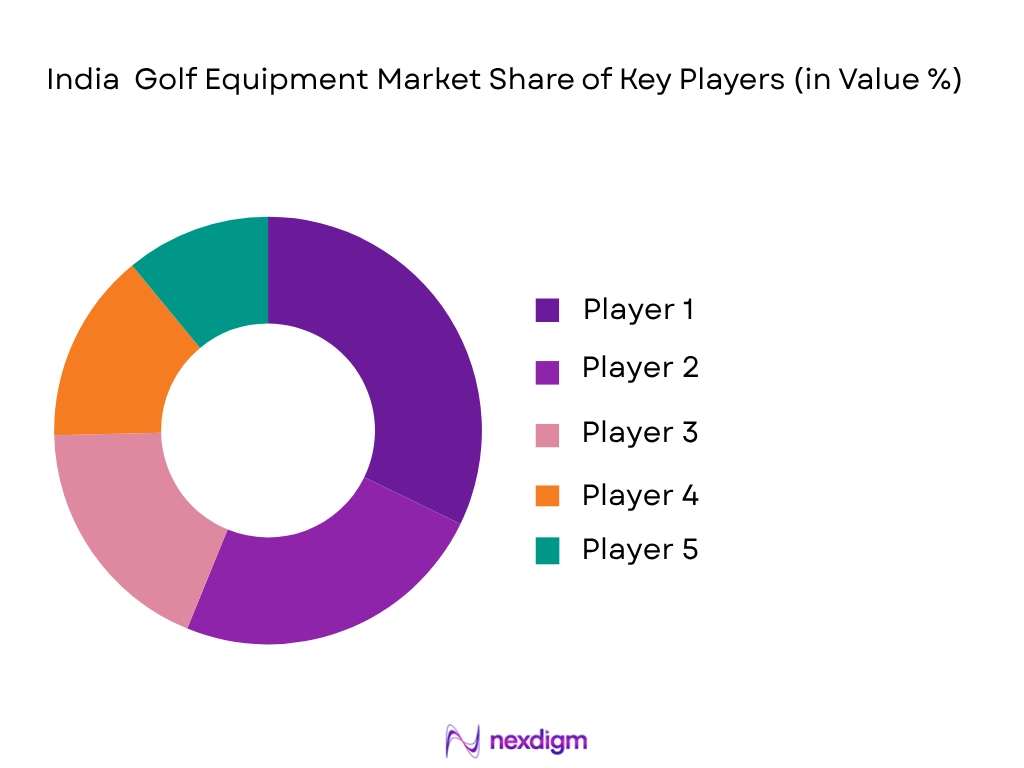
The competitive landscape of the golf equipment market is characterized by a mixture of well-established global players and local brands striving to capture increasing consumer demand. The industry has witnessed consolidation through acquisitions and collaborations between large brands to enhance product offerings and expand their reach. Leading companies focus on continuous innovation, offering high-performance products tailored to a wide range of golfing needs. As the demand for custom-made and technologically advanced equipment rises, the influence of these major players in shaping the market is significant. Additionally, the growing importance of online retail channels has intensified competition, pushing companies to improve their digital presence and marketing strategies.
| Company Name | Establishment Year | Headquarters | Technology Focus | Market Reach | Key Products | Revenue | Market-Specific Parameter |
| Callaway Golf | 1982 | Carlsbad, CA | ~ | ~ | ~ | ~ | ~ |
| TaylorMade Golf | 1979 | Carlsbad, CA | ~ | ~ | ~ | ~ | ~ |
| Titleist | 1932 | Fairhaven, MA | ~ | ~ | ~ | ~ | ~ |
| Ping Golf | 1959 | Phoenix, AZ | ~ | ~ | ~ | ~ | ~ |
| Cobra Golf | 1973 | Carlsbad, CA | ~ | ~ | ~ | ~ | ~ |
India Golf Equipment Market Analysis
Growth Drivers
Increase in Golf Participation
The rise in golf participation in India has been a key driver of the market. As more individuals take up golf, both as a recreational activity and as a competitive sport, the demand for golf equipment is increasing. This trend is primarily driven by the growing popularity of the sport among young professionals, women, and the rising middle class in urban areas. With the establishment of golf academies and programs aimed at introducing new players to the game, participation rates continue to rise, creating a steady demand for golf equipment across various categories, such as clubs, balls, and apparel.
Rising Disposable Income
As India’s middle class grows and disposable income rises, more consumers are able to afford leisure activities like golf, which had traditionally been an expensive sport. The increased purchasing power has made high-quality golf equipment more accessible, contributing to the market’s growth. With greater economic development in metropolitan areas like Delhi, Mumbai, and Bengaluru, there is a surge in demand for premium golf products, such as custom-fit clubs and high-performance golf balls. This demographic shift has created opportunities for both global and local brands to introduce new products aimed at middle- and high-income consumers.
Market Challenges
High Import Duties and Taxes
One of the main challenges facing the Indian golf equipment market is the high import duties and taxes imposed on foreign brands. These tariffs raise the price of imported equipment, making it less affordable for consumers. The high cost of premium products from global brands can deter potential buyers, especially in price-sensitive segments. As India does not have a significant domestic manufacturing base for golf equipment, reliance on imports increases the cost structure, impacting the market’s overall growth and limiting the reach of top-tier products.
Price Sensitivity among Consumers
The golf equipment market in India faces significant price sensitivity, particularly among new and middle-income golfers. Many individuals who are interested in golf may hesitate to purchase expensive clubs, balls, and accessories due to their high cost. This price barrier restricts access to quality products, especially for beginners and amateur players. While demand for golf equipment is growing, the market needs affordable options to cater to the large number of emerging players who are just starting in the sport, limiting the overall expansion of high-end product categories.
Opportunities
Growth in the Urban Golfing Community
The growing urban golfing community presents a major opportunity for the Indian golf equipment market. With the rise of affluent urbanites and increased leisure time, golf is becoming a popular sport in metropolitan cities. Golf courses and facilities are being established in cities like Mumbai, Delhi, and Pune, driving demand for golf equipment. Moreover, urban professionals and retirees are increasingly adopting golf as a hobby, boosting the demand for high-quality golf products. This urban demographic provides a solid market for advanced and premium equipment, encouraging both local and global brands to cater to these consumers.
Development of Golf Tourism
The development of golf tourism is another promising opportunity for the market. India has several world-class golf courses, especially in regions like Goa, Kerala, and Rajasthan, which are attracting international tourists seeking a golf vacation. As the tourism industry expands, golf courses in popular tourist destinations are likely to see an influx of players, both domestic and international. This trend will increase demand for rental equipment, as well as the sale of premium golf products. The focus on golf tourism will help boost market visibility, contributing to increased sales and brand recognition.
Future Outlook
The future outlook for the golf equipment market is optimistic, driven by technological advancements, increasing participation, and expanding global reach. The rise of online retail and e-commerce platforms will continue to play a pivotal role in democratizing access to golf equipment, while innovations in club design and materials will attract more golfers looking for enhanced performance. Additionally, regulatory support for golf infrastructure, along with the rising popularity of the sport in emerging markets, will foster steady growth. The market will likely continue evolving toward more personalized and affordable options, catering to a broader demographic of golfers.
Major Players
- Callaway Golf
- TaylorMade Golf
- Titleist
- Ping Golf
- Cobra Golf
- Wilson Sporting Goods
- Mizuno
- Bridgestone Golf
- Srixon
- Nike Golf
- Adams Golf
- Cleveland Golf
- Odyssey Golf
- PING Golf
- Tour Edge Golf
Key Target Audience
- Investments and venture capitalist firms
- Government and regulatory bodies
- Golf course operators
- Golf retailers and distributors
- Professional golf players
- Golf enthusiasts and hobbyists
- Manufacturers of sports equipment
- Private golf clubs and resorts
Research Methodology
Step 1: Identification of Key Variables
The initial phase of research involves identifying the critical variables that drive market demand and segmentation, including product types, distribution channels, and regional dynamics.
Step 2: Market Analysis and Construction
We analyze existing data from industry reports, consumer surveys, and market trends to build a comprehensive understanding of the market size, segmentation, and growth drivers.
Step 3: Hypothesis Validation and Expert Consultation
We validate hypotheses by engaging with industry experts, conducting interviews, and gathering insights from key stakeholders, ensuring the market analysis reflects real-time developments.
Step 4: Research Synthesis and Final Output
The final phase synthesizes all findings into a cohesive report that highlights market trends, challenges, opportunities, and strategic recommendations for stakeholders.

- Executive Summary
- Research Methodology (Market Definitions and Scope of Golf Equipment, Classification Framework: Clubs, Balls, Bags, Apparel, Shoes, Golf Carts, GPS Devices, and Accessories, Market Data Collection Approach, Industry Expert Interviews, Bottom-Up and Top-Down Market Modeling, Assumptions on Product Pricing, Demand Forecasting, and Consumption Patterns, Limitations and Data Triangulation Techniques)

- Definition and Scope
- Evolution of the Golf Equipment Ecosystem in India
- Timeline of Regulatory and Industry Reforms
- Golf Equipment Lifecycle and Distribution Channels
- Value Chain Analysis
- Stakeholder Ecosystem

- Growth Drivers
Increase in Golf Participation
Rising Disposable Income
Tourism and Golfing Events
Golf Courses Expansion
Adoption of Advanced Golf Technologies - Market Challenges
High Import Duties and Taxes
Price Sensitivity among Consumers
Limited Golf Infrastructure in Rural Areas
Competition from Local and International Brands
Lack of Awareness and Education among Consumers - Opportunities
Growth in the Urban Golfing Community
Development of Golf Tourism
Introduction of Innovative and Affordable Products
Expansion of Online Retail Channels
Corporate Golf and Sponsorship Opportunities - Market Trends
Technological Innovations in Golf Equipment
Rise of Custom Golf Equipment
Sustainable Golf Equipment
Golf Fitness and Health Integration
Growth of Women’s and Junior Golf Segment - Government Regulations
Import Regulations and Duties
Standards for Golf Equipment Quality and Safety
Taxation and GST Impact on Golf Equipment Industry
Intellectual Property Rights Protection
Sports and Tourism Development Policies - SWOT Analysis
- Porter’s Five Forces
- Impact of Technological Advancements
- Consumer Behavior Shifts in the Golf Equipment Industry

- By Value, 2020–2025
- By Units Sold, 2020–2025
- By Average Price per Unit, 2020–2025

- By Product Type (In Value %)
Golf Clubs
Golf Balls
Golf Bags
Golf Apparel
Golf Shoes
Golf Carts and GPS Devices
Accessories - By Distribution Channel (In Value %)
Online Retail
Offline Retail
Golf Course Pro Shops
Direct to Consumer Sales - By Consumer Demographics (In Value %)
Male Golfers
Female Golfers
Youth Golfers
Corporate and Institutional Buyers - By Price Segment (In Value %)
Premium
Mid-range
Budget

- Market Share of Major Players
- By Value
- By Units Sold
- By Product Portfolio
- By Distribution Network
- Cross Comparison Parameters (Product Range, Average Product Price, Brand Recognition, Retail Coverage, Customization Options, Technology Integration, Market Reach, Online Presence, Product Innovation, Customer Support, Manufacturing Facilities, Distribution Network, Customer Satisfaction, Pricing Strategy, Sustainability Practices)
- SWOT Analysis of Major Players
- Pricing Benchmarking
- Strategic Initiatives of Leading Golf Equipment Brands
- Detailed Profiles of Major Companies
Callaway Golf
TaylorMade Golf
Titleist (Acushnet)
Cobra Golf
Ping Golf
Wilson Sporting Goods
Nike Golf
Srixon
Adidas Golf
Under Armour Golf

- Golf Consumption Patterns and Trends
- Cost Sensitivity and Brand Loyalty
- Consumer Preferences for Golf Equipment
- Golf Equipment Lifecycle and Usage Trends
- End User TAM Analysis

- By Value, 2026–2035
- By Units Sold, 2026–2035
- By Average Price per Unit, 2026–2035


 Request a Sample
 Ask for Customization
 Get a Quote
 Enquire Now