

 Download PDF
Market Overview
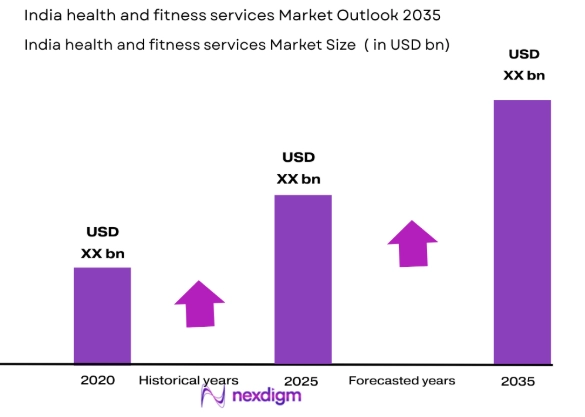
The India health and fitness services market is valued at approximately USD ~billion, driven by increasing health awareness, rising disposable incomes, and a shift towards a healthier lifestyle. With a population of over 1.4 billion, India has seen significant growth in fitness-related activities, such as gym memberships, yoga, and fitness classes. According to the Ministry of Health and Family Welfare, the rise in lifestyle diseases such as obesity, diabetes, and hypertension has also contributed to the growing demand for fitness services. Furthermore, India’s growing middle class and urbanization have led to more disposable income for spending on health and wellness. As a result, the sector is expected to continue expanding, driven by these increasing consumer preferences for fitness, wellness, and holistic health services.
The health and fitness services market in India is dominated by large urban centers such as Mumbai, Delhi, Bengaluru, Chennai, and Hyderabad. These cities exhibit the highest concentration of fitness centers, wellness services, and health-conscious consumers. Mumbai, being the financial capital of India, has seen a surge in high-end fitness centers and wellness programs among urban professionals. Delhi, with its growing middle-class population and increasing awareness about health, follows closely. Bengaluru is witnessing significant growth due to its thriving tech industry and young professional demographic. These cities are characterized by the highest levels of health-consciousness and fitness awareness, coupled with the economic ability to support the growing fitness services sector.
Market Segmentation
By Service Type
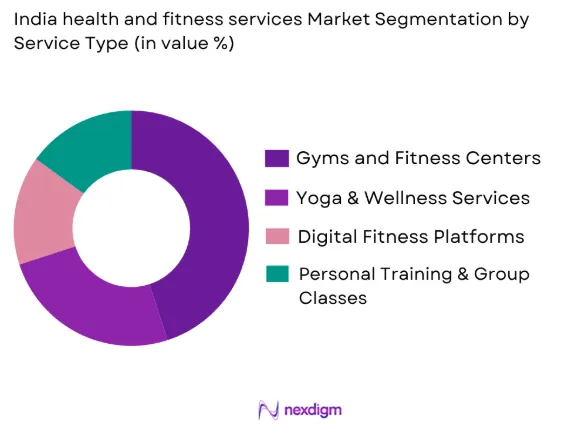
India’s health and fitness services market is segmented by service type into gyms and fitness centers, personal training and group classes, yoga and wellness services, and digital fitness platforms. Among these, gyms and fitness centers hold the dominant market share. This dominance is due to the rising adoption of gym memberships and fitness regimes across the country, particularly in urban areas where consumers are looking for structured and accessible fitness options. The growing trend towards fitness and healthy living is driving the popularity of gyms, with facilities offering modern equipment, group classes, and personal training becoming more prevalent. In 2023, the number of gyms across India crossed 10,000, and gym memberships are expected to increase by 15% annually over the next few years. Furthermore, the rise in disposable income and health awareness is making gym memberships affordable and desirable for an increasing number of consumers.
By Demographic Segment
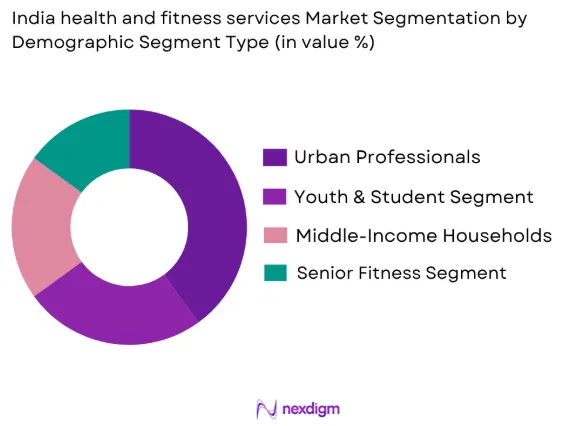
The Indian health and fitness services market is also segmented based on demographic categories, including urban professionals, youth and students, middle-income households, and senior fitness segments. Urban professionals dominate the market, largely due to their higher disposable incomes, sedentary lifestyles, and increased awareness about the importance of maintaining a healthy lifestyle. With the growing demand for fitness options that cater to busy professionals, urban areas like Mumbai, Bengaluru, and Delhi have seen a rapid increase in the number of fitness centers offering flexible timings and varied services such as personal training and group classes. Youth and students, particularly in tier 1 cities, have also been increasingly drawn to fitness centers, as the emphasis on physical appearance and wellness is becoming part of youth culture. Corporate wellness programs, which target employees working in high-stress environments, have further contributed to the growth of fitness services within this demographic.
Competitive Landscape
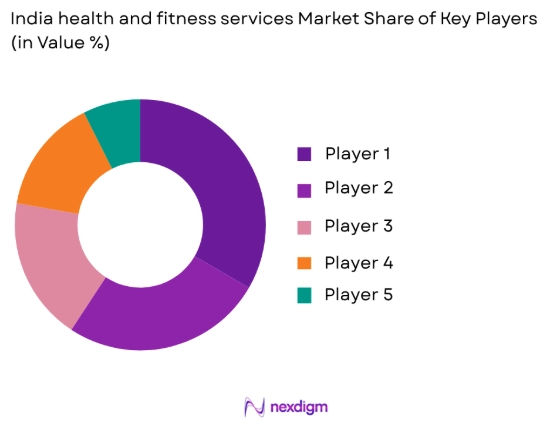
The India health and fitness services market is dominated by both established local players and international brands that have expanded their presence across the country. Leading companies include Talwalkars, Gold’s Gym, Anytime Fitness, Fitness First, and Cult.fit. These brands benefit from their broad service offerings, including fitness training, yoga, nutrition counseling, and group fitness classes. Additionally, they have established strong consumer trust and brand recognition due to their long-standing presence in the market. These companies have managed to build a loyal customer base by offering a wide range of services at competitive prices, while also adopting technological advancements such as mobile apps for tracking fitness progress and offering online classes.
| Company Name | Establishment Year | Headquarters | Service Offerings | Membership Reach | Pricing Strategy | Technological Integration | Customer Loyalty | Revenue Growth | Geographic Reach |
| Talwalkars | 2002 | Mumbai, India | ~ | ~ | ~ | ~ | ~ | ~ | ~ |
| Gold’s Gym | 1965 | California, USA | ~ | ~ | ~ | ~ | ~ | ~ | ~ |
| Anytime Fitness | 2002 | Minnesota, USA | ~ | ~ | ~ | ~ | ~ | ~ | ~ |
| Fitness First | 2000 | Sydney, Australia | ~ | ~ | ~ | ~ | ~ | ~ | ~ |
| Cult.fit | 2016 | Bengaluru, India | ~ | ~ | ~ | ~ | ~ | ~ | ~ |
India health and fitness services Market Analysis
Growth Drivers
Increasing Awareness of Health and Fitness
The growing awareness of the importance of health and fitness in India has significantly contributed to the expansion of the fitness services market. As of 2022, nearly 70% of urban Indians expressed an increased interest in adopting healthier lifestyles, which includes regular exercise. This shift is influenced by rising concerns over lifestyle diseases such as hypertension, diabetes, and obesity, which have been on the rise. The government’s initiatives, such as the Fit India Movement launched in 2019, have also encouraged individuals to engage in physical activities to improve their overall health. This growing awareness is further supported by a steady rise in internet penetration, with 700 million internet users in India by 2023, facilitating access to fitness-related content and online platforms.
Rise in Lifestyle Diseases and Obesity
The increasing prevalence of lifestyle diseases such as diabetes, hypertension, and obesity in India is significantly driving the demand for health and fitness services. According to the Indian Council of Medical Research (ICMR), as of 2022, approximately 77 million adults in India were living with diabetes, while 13% of the adult population was categorized as obese. These alarming statistics reflect the growing health crisis in India, which has prompted many individuals to seek preventive measures such as regular physical activity and fitness services. The rapid increase in sedentary lifestyles, particularly among urban populations, has further exacerbated these issues, fueling the demand for gym memberships, fitness classes, and wellness programs as preventive health solutions.
Challenges
Price Sensitivity and Affordability
Price sensitivity remains a significant challenge for the health and fitness services market in India. A large portion of the population, especially in rural areas and lower-income urban segments, finds it difficult to afford gym memberships and wellness services. The average cost of a gym membership in metropolitan areas is approximately INR 2,500 to INR 5,000 per month, which is considered expensive for many families. The low-income urban population, constituting around 30% of India’s total population, has limited disposable income to allocate to fitness services, thus restricting the market’s potential growth in these regions. This affordability issue is further exacerbated by the economic impact of inflation, which has been around 6.5% in India in 2023.
Regulatory Barriers and Licensing Constraints
India’s fitness services industry faces several regulatory barriers and licensing constraints, which hinder market expansion. Fitness centers and wellness service providers must adhere to strict government regulations related to health and safety standards, which often vary across states. These regulations include requirements for certifications for trainers, facility safety standards, and hygiene protocols, particularly after the COVID-19 pandemic. The lack of standardized guidelines across states creates inconsistencies in the market, making it challenging for service providers to expand uniformly across the country. Additionally, there is a lack of clear regulations concerning the use of fitness technologies and the integration of digital fitness solutions, making the legal landscape for innovation in the fitness industry less predictable.
Opportunities
Expansion of Digital Fitness Platforms
The growing demand for digital fitness solutions presents a major opportunity for market growth. As of 2023, there were over 60 million fitness app downloads in India, a trend driven by the increasing penetration of smartphones and the internet, with over 700 million internet users. Additionally, the shift towards online fitness training, spurred by the COVID-19 pandemic, has created a new market segment for virtual fitness programs, online classes, and personalized digital coaching. Digital platforms, including fitness apps and virtual fitness classes, are gaining traction as they provide greater flexibility, affordability, and accessibility to fitness services. The expanding e-commerce ecosystem also supports the growth of these digital fitness platforms, with companies seeing significant growth in subscribers and usage, especially in tier 2 and tier 3 cities.
Growth in Corporate Wellness Programs
Corporate wellness programs are becoming increasingly popular in India as businesses recognize the importance of employee health for improving productivity and reducing absenteeism. In 2022, approximately 12% of Indian companies had implemented corporate wellness programs, a trend that is gaining momentum, particularly in metropolitan cities like Delhi, Mumbai, and Bengaluru. These programs, which include gym memberships, fitness challenges, and mental health support, are expected to grow as companies invest more in employee well-being.
Future Outlook
Over the next five years, the India health and fitness services market is poised for significant growth, driven by increasing disposable income, urbanization, and the rise in awareness about the importance of health and wellness. As the middle-class population continues to grow, there will be a greater shift towards fitness and wellness services. The demand for personalized training, online fitness solutions, and wellness services such as yoga and meditation will increase as consumers seek more tailored health services. Additionally, the growth of corporate wellness programs and government initiatives promoting fitness are expected to contribute to the continued expansion of the market. Furthermore, technological advancements in fitness, including wearables and AI-driven fitness apps, will continue to shape the way fitness services are delivered, offering more convenient and accessible solutions to consumers.
Major Players
- Talwalkars
- Gold’s Gym
- Anytime Fitness
- Fitness First
- Cult.fit
- Snap Fitness
- Fitternity
- O2 Spa
- Reebok Fitness
- Body Building India
- Powerhouse Gym
- Gold’s Gym India
- Fitness World
- Fitness Hub
- HealthifyMe
Key Target Audience
- Investments and Venture Capitalist Firms
- Government and Regulatory Bodies (Ministry of Health and Family Welfare, Government of India)
- Fitness Equipment Manufacturers
- Gym Franchise Owners
- Corporate Wellness Program Managers
- Health and Wellness Consultants
- Insurance Companies Providing Health Benefits
- Local Fitness Entrepreneurs
Research Methodology
Step 1: Identification of Key Variables
The first step in the research methodology involves identifying the critical variables impacting the health and fitness services market in India. This includes understanding the consumer demographic, trends in health consciousness, and regulatory influences. Comprehensive secondary research using reliable industry reports and government data is employed to pinpoint these key factors.
Step 2: Market Analysis and Construction
In this phase, historical and current market data is analyzed to assess the adoption of fitness services across different demographic segments. We focus on gym memberships, online fitness platforms, wellness services, and corporate wellness programs. The analysis also includes a detailed study of geographical penetration and consumer spending patterns.
Step 3: Hypothesis Validation and Expert Consultation
Market hypotheses are validated through in-depth consultations with industry experts, including fitness center owners, corporate wellness program managers, and fitness technology providers. These consultations offer invaluable insights into the practical realities of the fitness services market and help refine data accuracy.
Step 4: Research Synthesis and Final Output
The final phase involves synthesizing all gathered information and validating the results through direct engagement with leading industry players. The insights from interviews and secondary research are integrated into the final market report, ensuring an accurate and reliable analysis of the India health and fitness services market.

- Executive Summary
- Research Methodology (Market Definitions and Assumptions, Abbreviations and Terminology, Data Sources and Validation Approach, India Health and Fitness Services Market Sizing Methodology, Primary and Secondary Research Benchmarks, Market Reliability and Confidence Intervals)

- Industry Definition and Scope
- Market Genesis and Evolution in India
- Consumer Adoption Patterns
- Market Value Chain and Distribution Architecture
- Import and Export Dynamics

- Growth Drivers
Increasing Awareness of Health and Fitness
Rise in Lifestyle Diseases and Obesity
Growing Fitness Culture in Urban Areas
Government Support and Initiatives for Health and Fitness
Technological Integration and Digital Fitness Solutions - Challenges
Price Sensitivity and Affordability
Regulatory Barriers and Licensing Constraints
Fragmented Market with Regional Disparities
Fitness Awareness and Education Gaps - Opportunities
Expansion of Digital Fitness Platforms
Growth in Corporate Wellness Programs
Integration of Wearables and Health Monitoring Tools
Development of Fitness Services in Tier II and III Cities
Health and Fitness Subscription Models - Trends
Rise of Boutique and Specialized Fitness Studios
Growth of Online Fitness Classes and Virtual Personal Trainers
Wellness, Nutrition, and Fitness Service Integration
Popularity of Outdoor Fitness and Recreation Activities
Focus on Mental Health and Holistic Well-being - Government Regulations
- SWOT Analysis
- Porter’s Five Forces

- By Market Value, 2020-2025
- By Membership Growth, 2020-2025
- By Average Pricing, 2020-2025
- By Service Category Revenue Contribution, 2020-2025

- By Service Type (In Value %)
Gym & Fitness Centers
Personal Training and Group Classes
Yoga & Pilates Studios
Sports and Recreation Clubs
Wellness and Spa Services
Nutritional Consulting and Weight Loss Services - By Consumer Demographics (In Value %)
Urban Professionals
Middle-Income Households
Senior Fitness Segment
Youth and Student Segment
Corporate Wellness and Fitness Programs - By Region (In Value %)
Delhi-NCR
Maharashtra
Tamil Nadu
Uttar Pradesh
Other States

- Market Share by Service Category
- Revenue by Major Fitness Brands and Chains
- Cross Comparison Parameters (Company Overview, Service Offerings, Pricing Strategy, Technology Adoption, Brand Equity, Market Position, Customer Engagement, Growth Prospects)
- Company Profiles
Talwalkars
Gold’s Gym
Anytime Fitness
Fitness First
Cult.fit
Snap Fitness
O2 Spa
Reebok Fitness
Fitternity
Other Local and Regional Brands

- Buying Decision Drivers
- Brand Loyalty and Membership Retention
- Payment Preferences and Pricing Models
- Customer Engagement and Fitness Journey
- Barriers in Accessing Fitness Services

- By Market Value, 2026-2035
- By Membership Growth, 2026-2035
- By Average Pricing, 2026-2035
- By Service Category Revenue Contribution, 2026-2035


 Request a Sample
 Ask for Customization
 Get a Quote
 Enquire Now