
 Download PDF
Market Overview
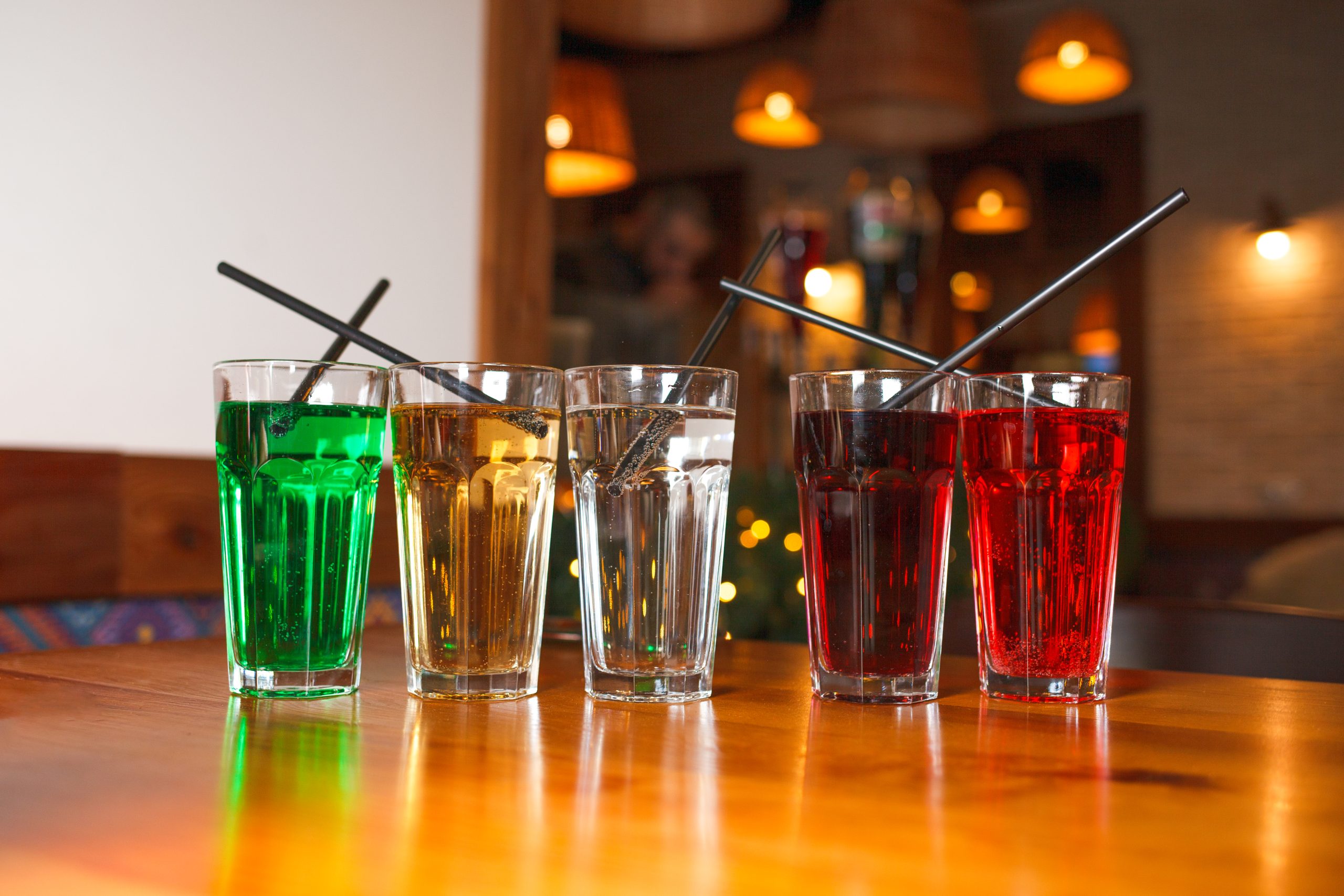
The Indian non-alcoholic beverages market reached a valuation of USD 22.45 billion in 2025 and is projected to expand at an 8.4% CAGR through 2035. Industrial hubs such as Chennai, a pivotal center for soft drink bottling operations and cold chain logistics, and Pune, which hosts a significant concentration of specialized juice processing plants, remain essential to this rapid regional scaling. A prominent demand-side trend is the increasing consumer shift toward functional health beverages and premium craft sodas, driven by a growing middle-class appetite for low-sugar, nutrient-enriched profiles. On the supply-side, companies like Varun Beverages, founded in 1995 and headquartered in Gurugram, are aggressively digitizing their distribution networks to reach deeper into tier-II and tier-III towns, optimizing fleet efficiency through AI-driven route planning. This expansion occurs within the strict regulatory framework enforced by the Food Safety and Standards Authority of India (FSSAI), which has implemented stringent labeling guidelines regarding artificial sweeteners and calorie disclosures. Consequently, the industry is balancing volume-driven growth with significant investments in PET plastic recycling infrastructure to align with the Ministry of Environment, Forest and Climate Change Extended Producer Responsibility directives, ensuring that packaging waste management remains a focal point for long-term operational sustainability.
By Product Category
- Colas and flavored aerated drinks
- Diet-friendly zero-sugar variants
- Mixers for professional hospitality
- Cold-pressed organic fruit blends
- Shelf-stable aseptic carton juices
- Concentrated vegetable health shots
- Premium mineral-enriched bottled water
- Functional vitamin-infused hydration
- Standard purified drinking water
- Cold brew canned coffee products
- Herbal-infused iced tea beverages
- Concentrated liquid tea extracts
By Distribution Channel
- Traditional neighborhood family-owned shops
- Micro-retail small format outlets
- High-frequency hyper-local convenience points
- Organized supermarket chain kiosks
- National premium hypermarket outlets
- Exclusive brand experience centers
- 10-minute rapid delivery apps
- Direct-to-consumer brand subscription portals
- Large-scale online grocery marketplaces
- Full-service restaurant fountain dispense
- Institutional catering beverage supply
- Premium hotel cafe menu offerings
Competitive Landscape
The Indian non-alcoholic beverages market is characterized by intense fragmentation and a transition from unorganized local players to large-scale, tech-enabled regional entities. Competitive intensity is currently at an all-time high as firms navigate the 2023 Food Safety and Standards Authority of India (FSSAI) amendments regarding packaging transparency and sugar content mandates. Major conglomerates are aggressively deploying cold-chain logistics to tier-II cities to capture the rising discretionary spend of the middle class, with market leaders increasingly adopting direct-to-consumer (D2C) channels to bypass traditional distribution hurdles. Key strategic moves in the industry include Coca-Cola India’s 2024 massive capital infusion of INR 3,000 Crore to expand production capacity in Telangana and Gujarat, signaling a shift toward localized fruit-based beverage formulations. Simultaneously, companies like Paper Boat (Hector Beverages) have capitalized on the 'ethnic-revival' trend, utilizing sophisticated digital sentiment analysis to guide product innovation. As competition shifts from mass-market carbonated drinks to premium healthy hydration, companies are prioritizing sustainable procurement strategies to align with the Ministry of Environment, Forest and Climate Change guidelines for circular packaging.
| Company | Est. Year | Headquarters | Details | Details | Details | Details | Details | Details |
|---|---|---|---|---|---|---|---|---|
| Coca-Cola India | 1993 | Gurugram, India | ~ | ~ | ~ | ~ | ~ | ~ |
| PepsiCo India | 1989 | Gurugram, India | ~ | ~ | ~ | ~ | ~ | ~ |
| Parle Agro | 1984 | Mumbai, India | ~ | ~ | ~ | ~ | ~ | ~ |
| Bisleri International | 1969 | Mumbai, India | ~ | ~ | ~ | ~ | ~ | ~ |
| Hector Beverages | 2010 | Bengaluru, India | ~ | ~ | ~ | ~ | ~ | ~ |
🔒 Detailed cross-comparison data are available in the full report. Talk to Us to access complete competitive intelligence.
Growth Drivers
Urbanization and Rising Disposable Income
Rapid expansion of metropolitan clusters like Gurugram and Bengaluru has significantly altered consumption patterns among the burgeoning middle-class demographic. Households in Tier-1 cities experienced a 14% increase in discretionary spending on packaged soft drinks during 2023. This shift is further bolstered by the entry of global giants such as Coca-Cola India, established in 1993 and headquartered in Gurugram, which has successfully penetrated regional markets. The preference for hygienic, ready-to-drink options over traditional roadside stalls continues to provide a robust foundation for long-term category expansion across the country.
Proliferation of Cold Chain Infrastructure
The government-led Pradhan Mantri Kisan SAMPADA Yojana has catalyzed the development of integrated cold chain projects, enabling wider distribution of temperature-sensitive fruit-based beverages. As of 2024, there are 345 operational mega food parks across states like Maharashtra and Punjab that facilitate last-mile connectivity for manufacturers. Companies such as Dabur India, founded in 1884 and headquartered in Ghaziabad, leverage this improved logistical framework to maintain product shelf-life and quality. This infrastructure upgrade allows beverage brands to reach remote districts that were previously inaccessible due to frequent power outages.
Shifting Consumer Preference Toward Healthier Variants
Growing health consciousness among younger consumers is driving a measurable transition away from carbonated sugary drinks toward functional beverages. Sales of fortified juices and herbal-infused waters surged by 22% in 2023 as consumers prioritize low-sugar alternatives. Market players like Tata Consumer Products, founded in 1962 and headquartered in Mumbai, have aggressively expanded their portfolio to include nutrient-dense hydration options to meet this demand. The regulatory environment governed by the Food Safety and Standards Authority of India now mandates clearer nutritional labeling, which empowers consumers to make more informed purchasing decisions.
Digital Penetration and Quick Commerce Expansion
The explosive growth of quick-commerce platforms has drastically reduced wait times for beverage delivery in densely populated urban centers. During 2024, online sales channels accounted for 18% of total volume for premium bottled beverage segments in major cities. Local beverage innovators like Paper Boat, founded in 2013 and headquartered in Bengaluru, utilize these digital storefronts to execute targeted marketing campaigns for niche ethnic flavor profiles. Real-time data analytics provided by these platforms help manufacturers optimize inventory placement in micro-fulfillment centers, ensuring that product availability aligns precisely with localized peak consumption hours.
Market Challenges
Stringent Taxation Policies
The implementation of a 28% Goods and Services Tax on aerated beverages has squeezed retail margins significantly. This tax structure in 2024 effectively pushes prices beyond the reach of price-sensitive rural consumers, limiting the total addressable market for major international brands.
Fragmented Supply Chain Logistics
Inefficient connectivity in rural districts causes product spoilage rates to hover around 9% throughout the fiscal year 2023. Managing the fragmented distribution network across varied climatic zones remains a logistical bottleneck that prevents consistent year-round supply for regional beverage manufacturers.
Intense Competition from Unorganized Players
Local, unorganized retailers currently capture 35% of the total beverage volume as of 2024 by offering substantially lower price points for loose and unpackaged products. This price-based competition undermines the premium positioning of established corporate beverage entities in smaller town markets.
Opportunities
Hyper-Local Regional Flavor Integration
Brands are increasingly utilizing indigenous ingredients like kokum and jamun to appeal to local palates, moving beyond standardized global profiles. This shift towards traditional health-focused botanical infusions captures 18 percent of the premium beverage category as of 2024. Companies like Raw Pressery, founded in 2013 and headquartered in Mumbai, are spearheading this transition by scaling regional supply chains to penetrate tier-two urban centers effectively.
Automated Cold-Chain Infrastructure
The expansion of cold-chain logistics into semi-urban clusters is facilitating the distribution of fresh, preservative-free juice products that previously required shelf-stable chemical stabilizers. Investments in refrigerated transport capacity surged by 24 percent in 2023 to support the growing demand for chilled functional beverages. Organizations like Snowman Logistics, based in Bengaluru since 1993, provide the critical infrastructure required to maintain product integrity across extreme climatic zones.
Sustainable Eco-Friendly Packaging Transition
Regulatory compliance with the Plastic Waste Management Amendment Rules is forcing firms to innovate with recyclable polyethylene terephthalate and compostable fiber-based materials. The shift toward sustainable packaging has already reached 32 percent adoption rates among major urban beverage manufacturers by late 2024. Companies such as Varun Beverages, established in 1995 in Gurugram, are actively investing in glass-recycling plants to mitigate long-term regulatory costs and consumer environmental concerns.
Future Outlook
The Indian non-alcoholic beverage market is poised for a transformative trajectory through 2035, driven by a rapid urbanization rate and a discernible shift toward health-conscious consumption patterns. As the Food Safety and Standards Authority of India (FSSAI) continues to tighten labeling requirements regarding sugar content and nutritional additives, major industry incumbents will be compelled to reformulate flagship portfolios. We anticipate that the sector will transition from mass-market carbonated products toward premium functional beverages, including probiotic drinks, protein-fortified waters, and herbal-infused functional teas. The proliferation of digital distribution networks and quick-commerce platforms will minimize the traditional reliance on fragmented retail channels, allowing manufacturers to maintain direct-to-consumer relationships. Regional players headquartered in cities like Pune and Hyderabad are likely to disrupt established national players by leveraging agile manufacturing processes that adapt to seasonal ingredient availability. By 2030, the integration of smart-packaging technologies will enable enhanced consumer engagement through traceability and authenticity verification, further bolstering brand loyalty. As disposable incomes across the rural demographic continue to rise, the market will witness a geographic pivot, with domestic demand for sophisticated, non-alcoholic choices becoming an intrinsic component of the average household expenditure, cementing India’s position as a critical global hub for innovative beverage manufacturing and distribution excellence.
Major Players
- Coca-Cola India
- PepsiCo India
- Hector Beverages
- Parle Agro
- Bisleri International
- Dabur India
- Britannia Industries
- Tata Consumer Products
- Raw Pressery
- Manpasand Beverages
- Keventers
- Mount Everest Mineral Water
- Varun Beverages
- B Natural
- Lahori Zeera
Key Target Audience
- Non-Alcoholic Beverage Manufacturers (Coca-Cola India Pvt. Ltd, Gurugram)
- Raw Material Suppliers for Sweeteners and Flavorings (Tata Consumer Products, Kolkata)
- Packaging Solutions Providers (Hindustan Tin Works, New Delhi)
- Retail Chain Operators (Reliance Retail, Mumbai)
- Cold Chain Logistics Providers (Snowman Logistics, Bengaluru)
- Government and Regulatory Bodies (Food Safety and Standards Authority of India - FSSAI)
- Export-Import Regulatory Authorities (Directorate General of Foreign Trade - DGFT)
- E-commerce Grocery Aggregators (Blinkit, Gurugram)
- Investors and Venture Capital Firms (Sequoia Capital India, Bengaluru)
- Beverage Bottling Partners (Varun Beverages Ltd, Gurugram)
- Distributors and Wholesale Food Vendors (Metro Cash & Carry India, Bengaluru)
- Health and Wellness Supplement Producers (Amway India, New Delhi)
Research Methodology
Identification of Key Variables
- The research team isolates critical growth drivers including per capita consumption rates, urbanization indices, and shifting consumer preferences toward healthy alternatives.
- We delineate parameters such as historical CAGRs from 2018 to 2023, impact of the FSSAI regulatory framework, and shifting retail landscape dynamics across Tier-1 and Tier-2 cities in India.
Market Analysis and Construction
- Utilizing data from the Ministry of Food Processing Industries and annual reports of entities like Parle Agro and Dabur India, we construct the market size baseline.
- This phase integrates structural modeling to forecast demand through 2035, adjusting for inflation in input costs, changes in import tariffs, and expansion of nationwide cold-chain infrastructure.
Validation and Synthesis
- Primary validation involves structured deep-dive interviews with regional manufacturing facility managers, independent supply chain strategists, and government policy analysts.
- These discussions focus on verifying product penetration projections, identifying supply-side bottlenecks, and pressure-testing assumptions regarding rural consumption growth and the efficacy of domestic production incentives.
- The final stage involves cross-referencing consolidated datasets to produce high-fidelity outlook reports for stakeholders.
- We synthesize output from organizations like the Confederation of Indian Industry to finalize our market valuations, providing actionable insights for investment committee review and long-term strategic planning for market participants operating through 2035.
Table of Contents
 Executive Summary
2 Sections
▼
Executive Summary
2 Sections
▼
- Executive Summary
- Research Methodology (Definition of Non-Alcoholic Beverage Scope, Top-Down Aggregate Market Sizing, Bottom-Up Retail Sales Validation, FSSAI Beverage Regulation Assessment, Stakeholder Depth Expert Interviews, Consumer Consumption Pattern Surveys, Supply Chain Logistics Bottleneck Analysis, Historical Data Trend Triangulation, Macroeconomic Variable Correlation Analysis, CAGR Projection Forecasting Framework, Competitive Landscape Competitive Mapping, Assumptions and Model Sensitivity Constraints)
 India Non-Alcoholic Beverages Market Overview
7 Sections
▼
India Non-Alcoholic Beverages Market Overview
7 Sections
▼
- Definition and Scope
- Market Evolution and Industry Genesis
- Cold Chain Logistics Infrastructure Analysis
- Carbonated Soft Drink Regulatory Frameworks
- Emerging Functional Beverage Consumer Trends
- Raw Material Sourcing for Fruit-Based Drinks
- Digital D2C Distribution Channel Evolution
 India Non-Alcoholic Beverages Market Size (2020-2025)
3 Sections
▼
India Non-Alcoholic Beverages Market Size (2020-2025)
3 Sections
▼
- By Market Value (2020-2025)
- By Annual Consumption Volume (2020-2025)
- By Per Capita Retail Expenditure (2020-2025)
 India Non-Alcoholic Beverages Market Segmentation
51 Segments
▼
India Non-Alcoholic Beverages Market Segmentation
51 Segments
▼
- By Beverage Product Type (In Value %)
- Carbonated Soft Drinks
- Cola Flavors
- Lemon-Lime
- Orange/Fruit-Infused
- Clear Carbonated Drinks
- Bottled Still Water
- Packaged Mineral Water
- Purified Water
- Infused/Flavored Water
- Fruit-Based Beverages
- Nectars
- Juice Drinks
- 100% Fruit Juice
- Traditional Indian Pulpy Beverages
- Energy and Sports Drinks
- Caffeinated Energy Drinks
- Isotonic Rehydration Solutions
- Vitamin-Fortified Performance Waters
- Dairy-Based Drinks
- Lassi and Buttermilk
- Flavored Milk
- Drinking Yogurt/Probiotics
- By Consumer Demographics (In Value %)
- Urban Youth Professionals
- Tier-II Town Families
- School-Going Children
- Health-Conscious Fitness Enthusiasts
- Rural Mass-Market Consumers
- By Packaging Format (In Value %)
- PET Bottles
- Glass Bottles
- Aseptic Tetra Packs
- Cans (Aluminum)
- Flexible Pouches
- By Pricing Tier (In Value %)
- Economy/Mass Market
- Mid-Market Value
- Premium Lifestyle Brands
- Super-Premium/Imported
- By Distribution Channel (In Value %)
- General Trade Kirana Stores
- Modern Retail Hypermarkets
- Quick Commerce Platforms
- HoReCa Institutional Sales
- E-commerce Marketplaces
- By Regional Geography (In Value %)
- North India (Delhi/NCR)
- West India (Mumbai/Pune)
- South India (Bengaluru/Chennai)
- East India (Kolkata/Bhubaneswar)
 India Non-Alcoholic Beverages Market Analysis
8 Sections
▼
India Non-Alcoholic Beverages Market Analysis
8 Sections
▼
- Growth Drivers (Urbanization and Rising Disposable Income, Proliferation of Cold Chain Infrastructure, Shifting Consumer Preference Toward Healthier Variants, Digital Penetration and Quick Commerce Expansion)
- Market Challenges (Stringent Taxation Policies, Fragmented Supply Chain Logistics, Intense Competition from Unorganized Players)
- Market Opportunities (Hyper-Local Regional Flavor Integration, Automated Cold-Chain Infrastructure, Sustainable Eco-Friendly Packaging Transition)
- Market Trends (Sugar Reduction, Ingredient Transparency, Traditional Fusion, Premiumization, Functional Wellness)
- Government Regulations
- SWOT Analysis
- Porter's Five Forces Analysis
- PESTLE Analysis
 India Non-Alcoholic Beverages Market Competitive Analysis
19 Sections
▼
India Non-Alcoholic Beverages Market Competitive Analysis
19 Sections
▼
- Market Share of Major Players
- Multinational Conglomerate Market Dominance
- Homegrown Indian Beverage Disruptor Competition
- Traditional Lassi versus Carbonated Landscape
- Quick Commerce-Led Retail Competition
- Health-Focused Specialty Beverage Landscape
- Cross Comparison Parameters (Portfolio Breadth in Non-Carbonated Segment, Supply Chain Network Density, Cold Chain Storage Infrastructure Capability, R&D Investment for Low-Sugar Formulations, Aggregated Retail Footprint Penetration, FSSAI Compliance and Regulatory Record, Brand Loyalty Indices across Tier-I Markets)
- Competitive Product Benchmarking (Sugar Content per 100ml, Calorific Density, Shelf Life Stability Duration, Primary Packaging Material Sustainability, Price Point per Unit Volume, Certification (Non-GMO/Organic/Halal))
- Financial and Operational Parameters
- SWOT Analysis of Major Players
- Detailed Profiles of Major Companies
- Coca-Cola India (est. 1993, Gurugram) – Thums Up, Sprite, Maaza, Minute Maid
- PepsiCo India (est. 1989, Gurugram) – Pepsi, 7UP, Slice, Mountain Dew, Tropicana
- Parle Agro (est. 1984, Mumbai) – Frooti, Appy Fizz, Bailley
- Dabur India (est. 1884, Ghaziabad) – Real Fruit Power, Real Activ, Réal Milkshake
- Bisleri International (est. 1969, Mumbai) – Bisleri Mineral Water, Vedica, Bisleri Pop
- Britannia Industries (est. 1892, Bengaluru) – Winkin' Cow
- Paper Boat (Hector Beverages, est. 2010, Bengaluru) – Paper Boat Aam Panna, Paper Boat Coconut Water
- Amul (GCMMF, est. 1946, Anand) – Amul Kool, Amul Lassi, Amul Buttermilk
 India Non-Alcoholic Beverages Market End-User Analysis
8 Sections
▼
India Non-Alcoholic Beverages Market End-User Analysis
8 Sections
▼
- Average Annual Consumption per Household
- Urban Daily versus Occasional Usage Frequency
- Average Spend per Unit Purchase
- Brand Switching Behavior among Youth
- Impact of Seasonal Climatic Variability
- Retail Channel Preference by Demographic
- Price Sensitivity of Rural Consumers
- Health-Awareness Influenced Purchase Intent
 India Non-Alcoholic Beverages Market Future Size (2026-2035)
3 Sections
▼
India Non-Alcoholic Beverages Market Future Size (2026-2035)
3 Sections
▼
- By Market Value (2026-2035)
- By Annual Consumption Volume (2026-2035)
- By Per Capita Retail Expenditure (2026-2035)
Frequently Asked Questions
The current market size is USD 22.45 billion in 2025, projected to reach USD 50.48 billion by 2035. This growth represents an 8.4% CAGR from 2025 to 2035. The expansion is supported by rising per-capita disposable income in metropolitan hubs like Bengaluru and Pune.
Supply chain fragmentation in tier-three cities continues to pose significant logistical hurdles for national distributors. Stringent compliance mandates from the Food Safety and Standards Authority of India regarding sugar content and nutritional labeling require substantial capital investment for product reformulation. Furthermore, the high sensitivity to price among rural consumers limits the ability of brands to pass on raw material inflation costs.
The landscape is dominated by multinational corporations including Coca-Cola India, founded in 1993 and headquartered in Gurugram, and PepsiCo India, established in 1989 with headquarters in Gurugram. Domestic powerhouses such as Dabur India, founded in 1884 in Kolkata, and Parle Agro, founded in 1985 in Mumbai, maintain strong competitive positioning. These companies utilize expansive distribution networks spanning across states like Maharashtra, Tamil Nadu, and Uttar Pradesh to capture market share.
Rapid urbanization and the proliferation of organized retail outlets such as Reliance Retail and DMart are driving increased product visibility. The demographic dividend, characterized by a large population under the age of 35, exhibits a growing preference for functional beverages and RTD teas. Increased infrastructure investment in cold-chain logistics ensures product shelf-life integrity, further facilitating deeper penetration into suburban markets.
Consumer interest is shifting toward health-conscious consumption, resulting in a surge in demand for stevia-sweetened drinks and plant-based protein beverages. The premiumization of the category is evidenced by the rise of artisanal sparkling water brands and small-batch kombucha manufacturers located in hubs like Goa and Delhi NCR. Integration of digital-first distribution models and direct-to-consumer subscription services is also gaining traction as shoppers prioritize convenience in major metropolitan areas.


 Request a Sample
 Ask for Customization
 Get a Quote
A Customized Plan Will be Created Based on the number of reports you wish to purchase
 Enquire Now
