

 Download PDF
Market Overview
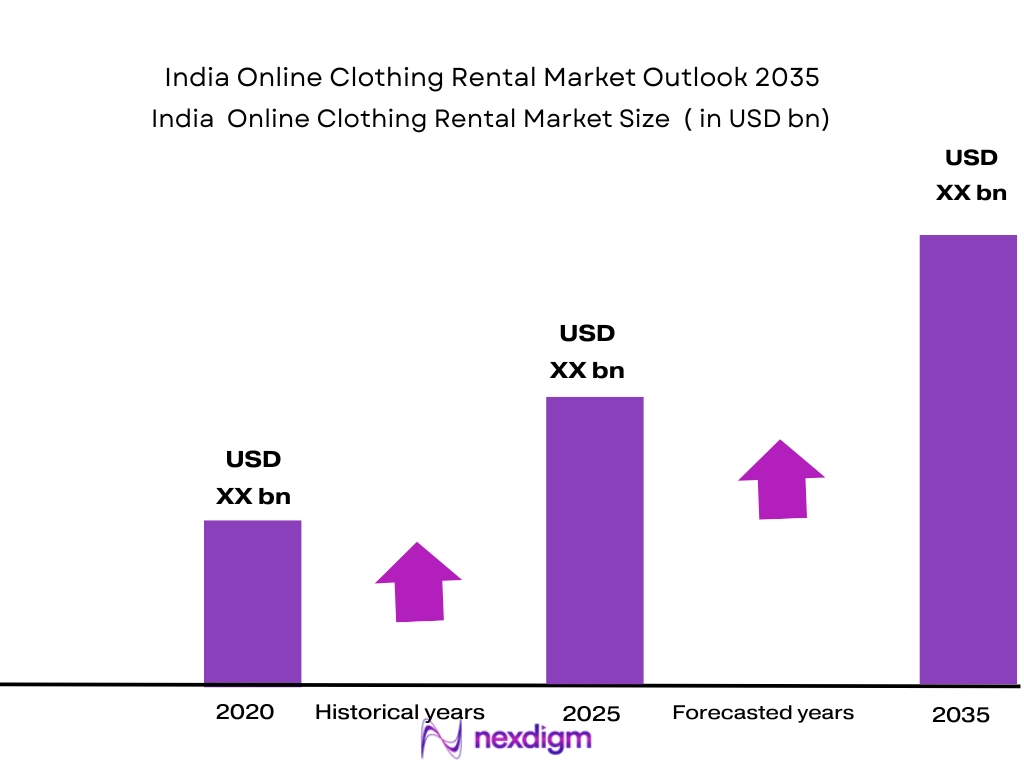
The India online clothing rental market is valued at INR ~ billion, with expectations to grow significantly in the coming years. This growth is driven by the increasing preference for sustainable fashion, especially among the younger demographic, alongside the growing influence of e-commerce platforms. The market is largely fueled by consumer demand for cost-effective, eco-friendly, and high-quality clothing rental solutions, particularly for special occasions like weddings and corporate events. Furthermore, an increasing shift toward subscription models for clothing rentals is contributing to the market’s growth, with consumers opting for variety without the long-term commitment to ownership
The Indian online clothing rental market is heavily concentrated in metropolitan cities such as Mumbai, Delhi, Bengaluru, and Chennai. These cities are at the forefront of driving demand due to their larger population of young professionals, an increasing number of fashion-conscious consumers, and higher disposable incomes. Furthermore, these cities have strong digital infrastructure and are hubs for technology adoption, making them ideal markets for online clothing rental platforms. The rise of events such as weddings, festivals, and corporate functions in these regions further boosts the demand for rental clothing services.
Market Segmentation
By Product Category
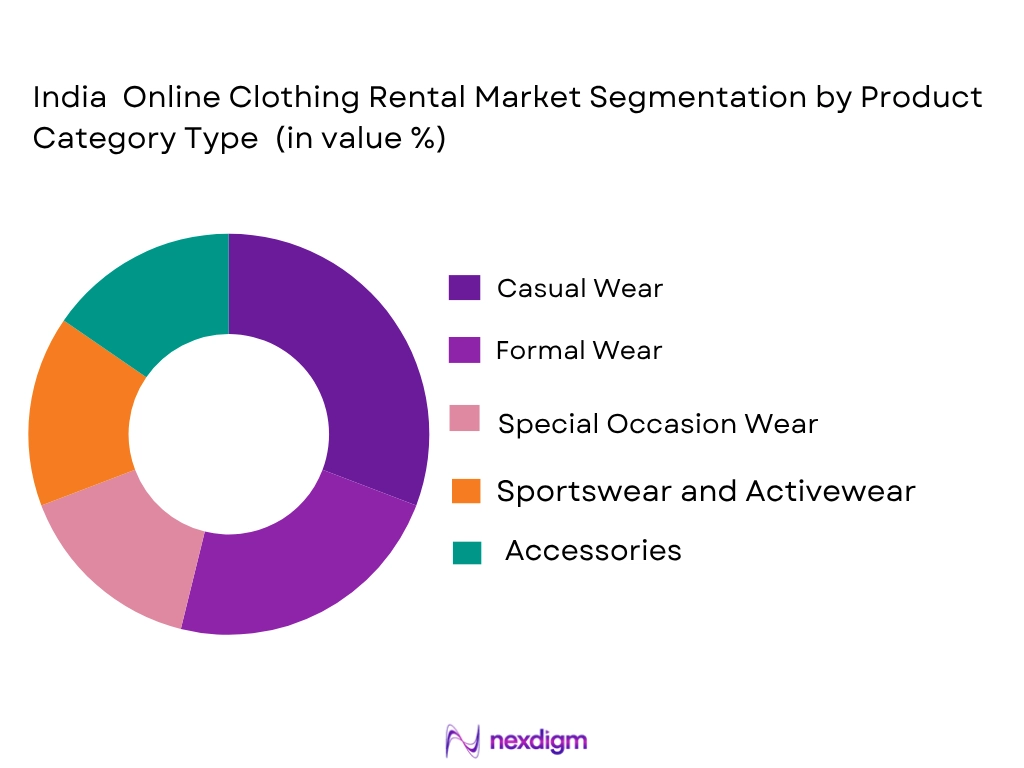
The India online clothing rental market is segmented into casual wear, formal wear, special occasion wear, sportswear and activewear, outerwear, and accessories. Special occasion wear currently dominates the market, driven by the high demand for wedding attire, party dresses, and evening gowns, which are typically rented for one-time use. The trend towards renting special occasion wear is growing rapidly due to the high costs associated with purchasing such garments. Additionally, social media influencers and celebrities have increased the visibility and desirability of luxury and designer outfits, encouraging consumers to opt for renting rather than buying. The convenience of renting these items without the burden of long-term storage or maintenance contributes to the dominance of this sub-segment.
By Consumer Demographics
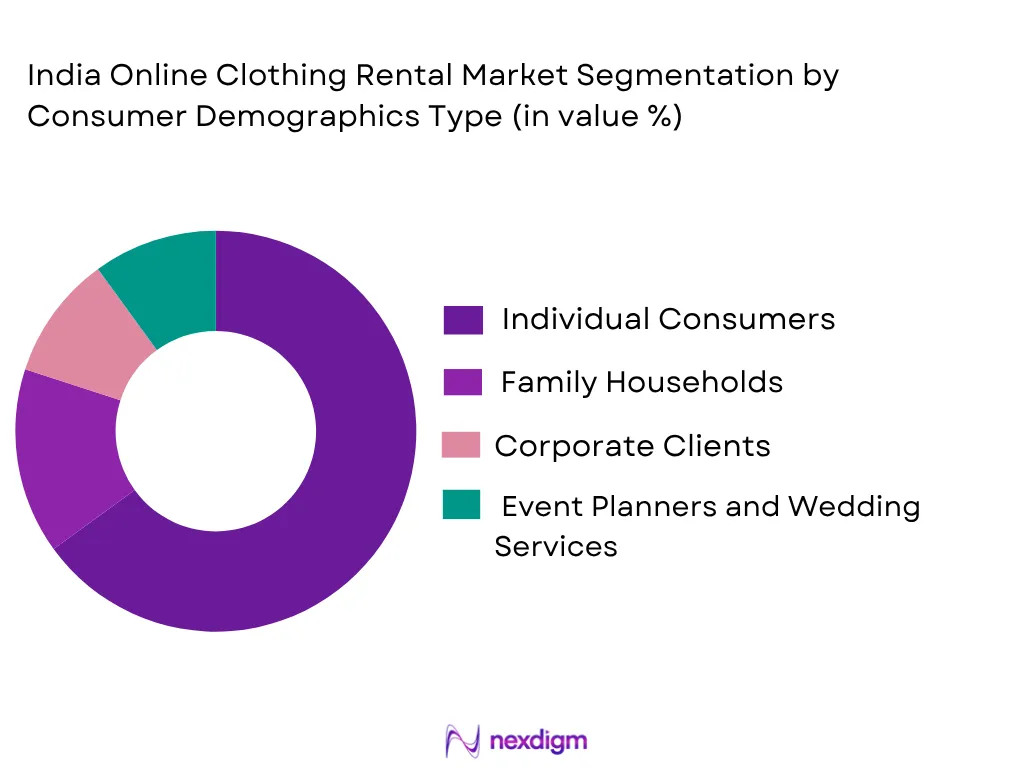
The consumer demographics of the India online clothing rental market are divided into individual consumers, family households, corporate clients, and event planners. Individual consumers currently dominate the market due to the growing popularity of renting clothing for personal use, including for weddings, parties, and daily wear. Millennials and Gen Z consumers, who prioritize sustainability and fashion flexibility, are particularly inclined toward renting. These groups are more likely to rent high-end fashion for a fraction of the price of purchasing it, particularly when they have access to a wide variety of clothing options via online platforms. As the middle class continues to grow in India, the number of individual consumers engaging with rental services is expected to increase, further boosting the market share of this segment.
Competitive Landscape
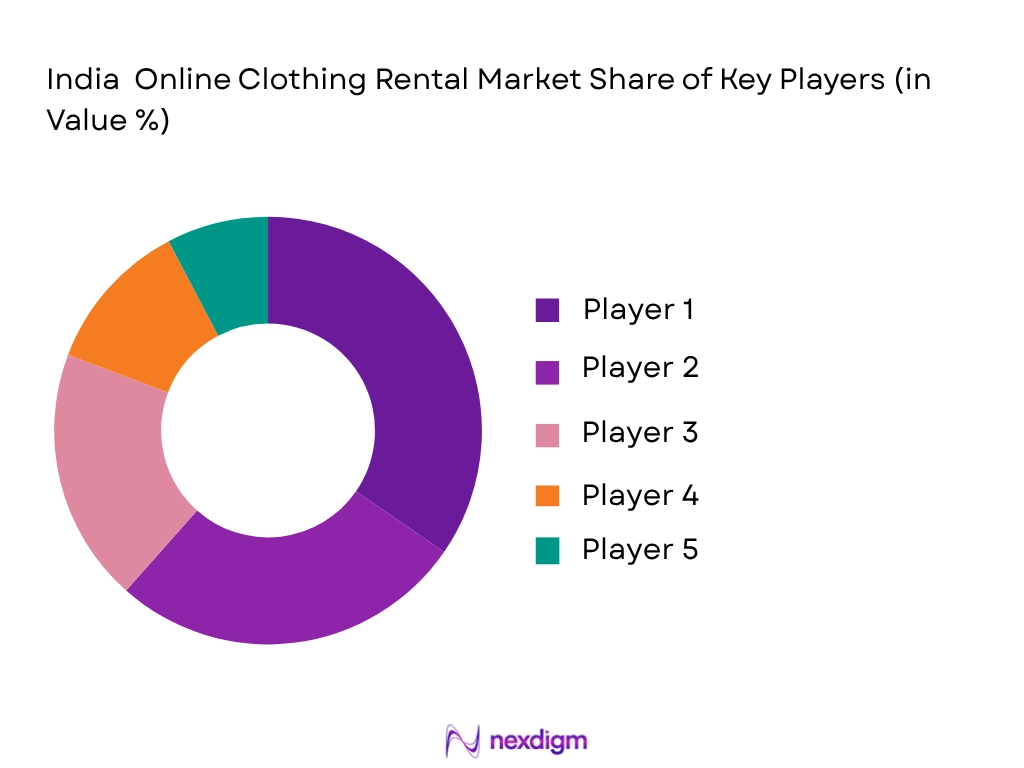
The India online clothing rental market is dominated by a few major players, including platforms such as Rent It Bae, Flyrobe, and Stage3. These companies lead the market due to their wide range of clothing options, user-friendly digital platforms, and strong brand presence in urban markets. Additionally, these rental services focus on providing a seamless consumer experience with home delivery and return policies, helping them build customer loyalty. The market also includes emerging players like The Stylease and Hurr Collective India, which are gaining ground by offering niche services such as luxury rentals and sustainable fashion options.
| Company Name | Establishment Year | Headquarters | Product Range | Distribution Channels | Market Strategy | Key Offerings |
| Rent It Bae | 2015 | Mumbai, India | ~ | ~ | ~ | ~ |
| Flyrobe | 2015 | Mumbai, India | ~ | ~ | ~ | ~ |
| Stage3 | 2016 | Delhi, India | ~ | ~ | ~ | ~ |
| The Stylease | 2020 | Bengaluru, India | ~ | ~ | ~ | ~ |
| Hurr Collective India | 2020 | Delhi, India | ~ | ~ | ~ | ~ |
India Online Clothing Rental Market Analysis
Growth Drivers
Rise of E-Commerce and Digital Platforms
The growing rise of e-commerce and digital platforms has significantly contributed to the success of the India online clothing rental market. With the increasing penetration of the internet and smartphones, platforms like Rent It Bae, Flyrobe, and Stage3 are offering a seamless online experience that attracts a wide customer base. Consumers prefer the convenience of renting clothing from their homes, where they can browse, select, and have outfits delivered directly to their doorstep. Additionally, the growing influence of social media and digital marketing strategies has increased visibility for online rental platforms, further enhancing customer acquisition and retention.
Growing Preference for Sustainable Fashion
As sustainability becomes a major focus in the fashion industry, consumers are increasingly opting for eco-friendly clothing rental options rather than purchasing new garments. The demand for sustainable fashion is growing due to heightened awareness of environmental impacts associated with fast fashion, particularly among younger generations. Renting clothes, especially for one-time use at special events, provides a way for consumers to access high-quality fashion without the environmental cost of production, disposal, and overconsumption. Online rental platforms are capitalizing on this trend by offering sustainable fashion options, thus attracting a growing eco-conscious consumer base.
Market Challenges
Concerns About Hygiene and Quality of Rentals
A major concern for consumers in the online clothing rental market is the hygiene and cleanliness of garments. Many consumers remain hesitant to rent clothes due to worries about whether the items are thoroughly sanitized before being delivered. This issue is especially pertinent for garments worn during special events or weddings, where quality and cleanliness are paramount. Rental platforms need to assure consumers that their products undergo stringent cleaning processes, including disinfecting and ensuring high-quality standards, to build trust and overcome this challenge.
Price Sensitivity and Competitive Pressures
Price sensitivity remains a key challenge in the India online clothing rental market, especially given the wide competition from both established brands and newer entrants. Consumers are constantly seeking affordable options, and the cost of renting clothing, particularly for premium or high-end items, can deter potential customers. Additionally, rental platforms face pressure from fast fashion brands offering similar styles at competitive prices. To overcome this, rental platforms need to balance affordability with high-quality offerings while also focusing on providing a superior customer experience to maintain their market position.
Opportunities
Expansion into Everyday Wear Rentals
While the online clothing rental market in India has traditionally focused on special occasion wear, there is a significant opportunity for growth in everyday clothing rentals. With increasing awareness of sustainability, consumers are now more willing to rent casual wear like jeans, t-shirts, and dresses for daily use. Expanding the product range to cater to everyday wear allows rental platforms to tap into a larger market, including those who want access to variety without the commitment of ownership. Offering a wider selection of clothing options can also improve the frequency of rentals, thus boosting customer retention and revenue.
Partnerships with Fashion Designers and Luxury Brands
Collaborating with well-known fashion designers and luxury brands presents a unique opportunity for online clothing rental services to diversify their offerings and attract high-end consumers. Many consumers who might not afford to purchase designer outfits are willing to rent them for special events, weddings, or parties. By partnering with established designers and brands, rental platforms can offer exclusive collections that differentiate them in the competitive market. These collaborations not only increase the credibility and visibility of rental platforms but also cater to a growing demand for luxury rentals, elevating the overall market appeal.
Future Outlook
Over the next five years, the India online clothing rental market is expected to experience significant growth driven by advancements in digital platforms, the rise in disposable income, and an increasing focus on sustainable fashion. As consumer behavior shifts toward renting instead of owning, driven by the desire for variety, cost-effectiveness, and sustainability, the market will see the introduction of new rental models, including subscription-based services. Moreover, technological innovations such as AI-based styling, virtual try-ons, and seamless logistics will further enhance customer experiences, driving the market forward. The emergence of new market players, along with increased collaborations with designers and luxury brands, will also play a crucial role in the expansion of the market.
Major Players
- Rent It Bae
- Flyrobe
- Stage3
- The Stylease
- Hurr Collective India
- GlamCorner India
- UrbanClap (Home Services Rental)
- Leera
- ZERRI
- Rent A Closet
- Swirex
- Blingd
- MyWardrobeHQ
- Designer Exchange
- BorrowMyBlouse India
Key Target Audience
- Investments and Venture Capitalist Firms
- Government and Regulatory Bodies
- E-commerce Retailers
- Fashion Designers and Brands
- Corporate Clients
- Event Organizers and Wedding Planners
- Consumer Goods Corporations
- Sustainability and Environmental Organizations
Research Methodology
Step 1: Identification of Key Variables
The first phase involves constructing an ecosystem map encompassing all the key stakeholders within the India online clothing rental market. This step uses secondary research to collect comprehensive data on existing market players, trends, and consumer preferences. The goal is to define and identify the primary variables driving the market, such as digital adoption and consumer behavior towards renting.
Step 2: Market Analysis and Construction
In this phase, historical data pertaining to the India online clothing rental market will be collected and analyzed to understand market size, growth trends, and demand dynamics. We will also examine consumer behavior, rental models, and spending patterns to build a detailed picture of the market’s growth trajectory.
Step 3: Hypothesis Validation and Expert Consultation
Market hypotheses will be developed and validated through consultations with industry experts and key stakeholders in the rental fashion sector. Insights will be gathered through interviews with platform operators, fashion designers, and logistics providers to validate the assumptions made in the research.
Step 4: Research Synthesis and Final Output
The final phase involves synthesizing all collected data and insights to create a validated market model for the India online clothing rental market. This includes conducting final expert consultations and cross-verifying the results to ensure accuracy and reliability in the market forecast.

- Executive Summary
- Research Methodology (Market Definitions and Scope of Online Clothing Rental Services Segmentation Framework, Data Collection Approach, Bottom-Up Market Sizing Approach Top-Down Market Validation, Assumptions on Fashion Trends and Regulatory Landscape, Limitations and Data Triangulation Techniques, TAM/SAM/SOM Modelling Framework Based on Consumer Spending, Rental Penetration, and Market Growth)

- Definition and Scope
- Evolution of Online Clothing Rental Industry in India
- Timeline of Regulatory Changes and Policy Development
- Trade and Supply Chain Lifecycle Integration
- Value Chain Analysis
- Stakeholder Ecosystem

- Growth Drivers
Rise of E-Commerce and Digital Platforms
Growing Preference for Sustainable Fashion
Increase in Disposable Income and Changing Fashion Preferences
Rising Popularity of Subscription-Based Rental Models
Cultural Shifts Towards Renting Instead of Owning Clothing - Market Challenges
Concerns About Hygiene and Quality of Rentals
Price Sensitivity and Competitive Pressures
Logistical Challenges for Delivery and Returns
Limited Awareness and Trust in Rental Services
Managing Seasonal Demand and Fashion Trends - Opportunities
Expansion into Everyday Wear Rentals
Partnerships with Fashion Designers and Luxury Brands
Growth in Corporate Clothing Rental Models
Increased Focus on Eco-Friendly and Sustainable Fashion
Technological Integration for Better Consumer Experience - Market Trends
Increasing Demand for Eco-Friendly and Chemical-Free Fashion Rentals
Subscription-Based Rental Models for Convenience
Rising Popularity of Occasion Wear Rentals (Weddings, Parties, Events)
Tech-Driven Platforms with Personalization Features (AI, Virtual Try-Ons) - Regulatory Landscape
Government Initiatives Supporting Sustainable Fashion and Textile Recycling
Taxation and VAT on Clothing Rentals
Regulations for Hygiene and Cleaning in Rental Services
Impact of Government Policies on Consumer Goods and Textile Markets - SWOT Analysis
- Porter’s Five Forces
- Supply Chain and Logistics Challenges
- Technology Integration and Consumer Behavior
- Retail Partnerships and Collaborations

- By Value, 2020-2025
- By Volume, 2020-2025
- By Average Rental Price per Unit, 2020-2025

- By Product Category (in Value %)
Casual Wear
Formal Wear
Special Occasion Wear
Sportswear and Activewear
Accessories - By Distribution Channel (in Value %)
Online Retail (E-Commerce Platforms)
Physical Stores
Rental Platforms (Dedicated Websites and Apps) - By Consumer Demographics (in Value %)
Individual Consumers
Family Households
Corporate Clients (Corporate Events, Uniforms)
Event Planners and Wedding Services - By Price Range (in Value %)
Economy Range
Mid-Range
Premium Range - By Region (in Value %)
North India (Delhi, Chandigarh)
West India (Mumbai, Pune)
South India (Bengaluru, Chennai)
East India (Kolkata, Bhubaneswar)

- Market Share of Major Players
By Value
By Volume
By Product Category Penetration
By Distribution Channel Penetration - Cross Comparison Parameters (Product Portfolio, Subscription Models, Brand Recognition, Customer Satisfaction, Digital Platforms, Client Retention Rate)
- SWOT Analysis of Major Players
- Pricing Benchmarking
- Detailed Profiles of Major Companies
Rent It Bae
Flyrobe
Stage3
The Stylease
Hurr Collective India
GlamCorner India
UrbanClap (Home Services Rental)
Leera
ZERRI
Rent A Closet
Swirex
Blingd
MyWardrobeHQ
Designer Exchange
BorrowMyBlouse India

- Consumption Patterns & Seasonal Demand
- Price Sensitivity & Consumer Loyalty Analysis
- Consumer Preferences in Rental Choices
- End User TAM Analysis

- By Value, 2026-2035
- By Volume, 2026-2035
- By Average Rental Price per Unit, 2026-2035


 Request a Sample
 Ask for Customization
 Get a Quote
 Enquire Now