
 Download PDF
Market Overview
The India seafood market is valued at USD 18.4 billion in 2025 and is projected to expand at a 6.8% CAGR from 2025 to 2035, driven by shifting domestic consumption patterns and robust export infrastructure. Key industrial hubs like Kochi, Kerala, remain central to global cold chain logistics and processing excellence, while Visakhapatnam in Andhra Pradesh serves as the primary gateway for high-value shrimp exports to the United States and European markets. On the demand side, the rise of the middle-income demographic in urban centers is fueling significant appetite for premium frozen ready-to-cook seafood products, moving away from traditional wet-market sourcing. Conversely, the supply-side trend involves the rapid integration of recirculating aquaculture systems (RAS) to enhance yields while reducing the environmental footprint of inland shrimp farming. Regulatory oversight provided by the Marine Products Export Development Authority (MPEDA) and the implementation of the Pradhan Mantri Matsya Sampada Yojana are critical, as these mandates impose stricter hygiene standards and sustainability certifications for traceability. These legislative efforts aim to ensure long-term sector viability while maintaining compliance with international sanitary and phytosanitary measures required for continued penetration into sophisticated global markets.
By Product Category
- Vannamei White Shrimp
- Black Tiger Prawns
- Deep Sea Mud Crabs
- Frozen Yellowfin Tuna
- Freshwater Rohu Carp
- Atlantic Salmon Fillets
- Squid Loligo Duvauceli
- Cuttlefish Sepia Officinalis
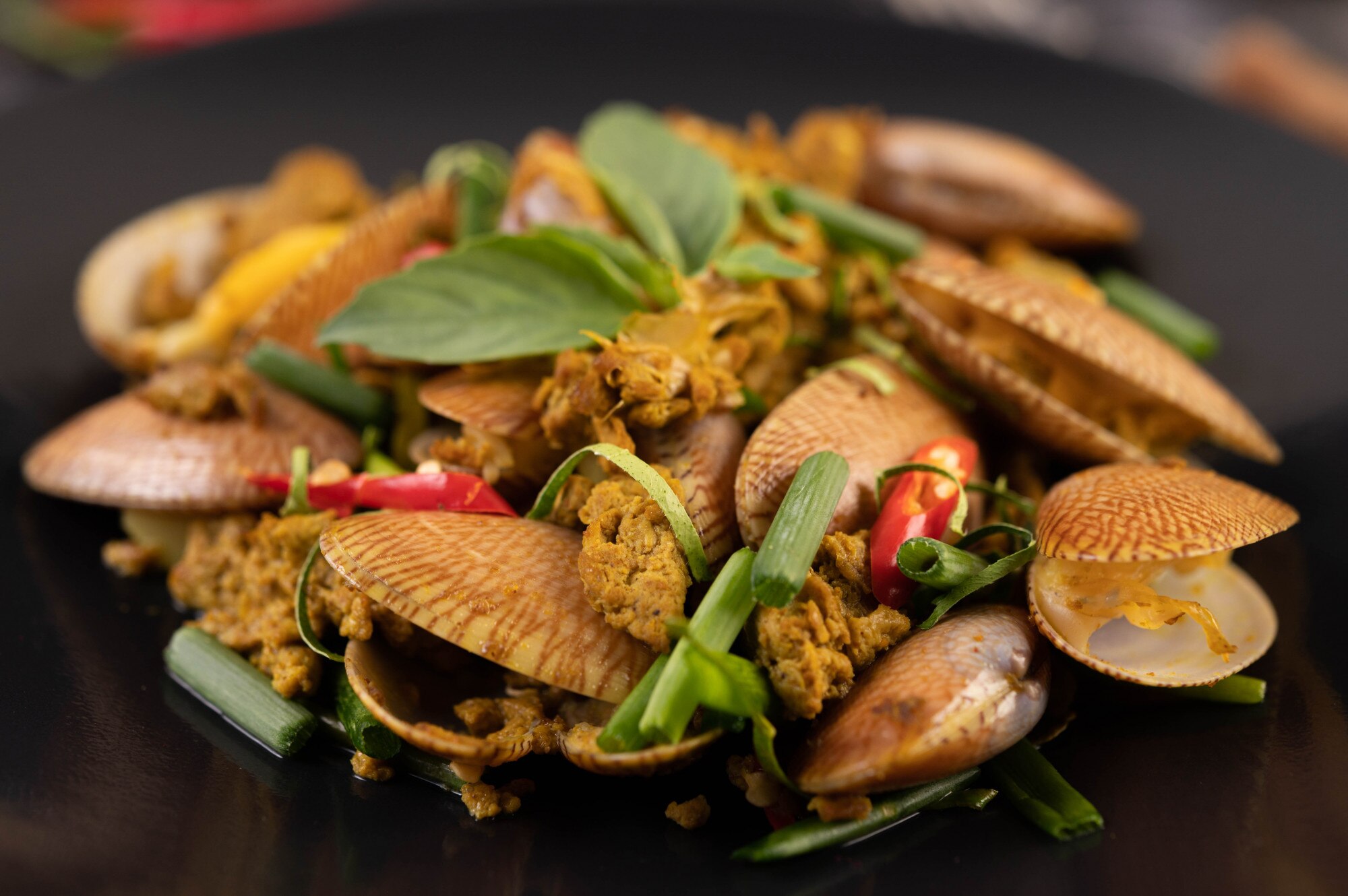
- Clam Bivalve Specimens
- Octopus Vulgaris Whole
- Processed Squid Rings
- Dried Cuttlefish Strips
By Distribution Channel
- Modern Supermarket Chains
- Specialty Seafood Boutiques
- Hypermarket Seafood Counters
- Five-Star Hotel Chains
- Corporate Catering Contracts
- Premium Cruise Lines
- D2C Fish Tech Apps
- E-commerce Grocery Portals
- Online Subscription Services
- Local Municipal Fish Hubs
- Small Independent Vendors
- Regional Wholesale Auctions
Competitive Landscape
The Indian seafood market is characterized by a fragmented landscape transitioning toward organized, cold-chain integrated operations. Competitive intensity is heightened by the dominance of traditional regional players who are now facing pressure from large-scale exporters and institutional processors operating under the stringent quality standards of the Marine Products Export Development Authority (MPEDA). Strategic differentiation is increasingly driven by investments in high-tech aquaculture traceability and deep-freeze logistical networks spanning key maritime hubs like Kochi and Visakhapatnam. Major market participants like Apex Frozen Foods and Waterbase Limited are actively consolidating their positions by vertical integration, ensuring control from seed production to processing. The shift toward value-added, ready-to-cook seafood products represents a critical competitive maneuver to capture urban, health-conscious consumers. Companies such as Falcon Marine Exports are prioritizing international quality certifications to hedge against fluctuating export demand, while emerging D2C players are leveraging digital marketplaces to bypass intermediary layers and enhance margin retention within domestic metropolitan centers.
| Company | Est. Year | Headquarters | Details | Details | Details | Details | Details | Details |
|---|---|---|---|---|---|---|---|---|
| Apex Frozen Foods Limited | 1995 | Kakinada, India | ~ | ~ | ~ | ~ | ~ | ~ |
| Falcon Marine Exports Limited | 1983 | Bhubaneswar, India | ~ | ~ | ~ | ~ | ~ | ~ |
| Waterbase Limited | 1987 | Chennai, India | ~ | ~ | ~ | ~ | ~ | ~ |
| Godrej Agrovet Limited | 1991 | Mumbai, India | ~ | ~ | ~ | ~ | ~ | ~ |
| Devi Seafoods Private Limited | 1992 | Visakhapatnam, India | ~ | ~ | ~ | ~ | ~ | ~ |
🔒 Detailed cross-comparison data are available in the full report. Talk to Us to access complete competitive intelligence.
Growth Drivers
Expansion of Cold Chain Infrastructure
The Indian Ministry of Fisheries, Animal Husbandry and Dairying has prioritized the development of integrated cold chain logistics to reduce post-harvest losses. Investment in specialized refrigeration facilities across major ports like Kochi and Visakhapatnam has improved product shelf life significantly. By 2024, the total cold storage capacity in the seafood sector reached 3.8 million metric tons, allowing exporters to maintain strict quality standards required for international trade. This shift from traditional ice-packing to advanced cryogenic freezing ensures higher price realization for premium products like Black Tiger shrimp in export markets.
Government Subsidies for Deep-Sea Fishing
The Pradhan Mantri Matsya Sampada Yojana facilitates the modernization of the national fishing fleet through substantial financial assistance for deep-sea vessel acquisition. Targeted funding programs in maritime hubs such as Ratnagiri and Tuticorin have enabled fishers to explore underutilized pelagic resources in the Exclusive Economic Zone. As of 2023, the government disbursed 12.4 billion Indian Rupees to incentivize the transition from artisanal crafts to automated trawlers equipped with GPS and echo sounders, effectively increasing the aggregate sustainable catch volumes across the Arabian Sea and Bay of Bengal.
Rising Domestic Consumption of Processed Fish
Changing dietary preferences and urbanization in metropolitan centers like Bengaluru and Pune have accelerated the demand for ready-to-cook seafood products. Domestic retail outlets managed by companies such as Gadre Marine Export, founded in 1978 and headquartered in Ratnagiri, have witnessed a 15% annual increase in the sales volume of surimi-based products. This shift reflects a broader trend among the growing middle class, which consumed over 1.2 million metric tons of value-added processed seafood in 2024, effectively creating a sustainable buffer against price volatility in the international frozen export segment.
Technological Adoption in Aquaculture Operations
The implementation of Recirculatory Aquaculture Systems (RAS) is transforming inland farming efficiency in states like Andhra Pradesh and Telangana. By utilizing closed-loop water filtration technology, farmers have reduced water usage by 85% compared to traditional open pond methods. As of 2024, there are 450 operational RAS units across the country, which have stabilized the supply of high-quality vannamei shrimp throughout the year. This technological integration allows producers to achieve a feed conversion ratio of 1.2, ensuring consistent yield quality that meets the rigorous safety requirements set by the European Union.
Market Challenges
Strict International Residue Standards
Exporters face consistent technical barriers due to the stringent antibiotic residue limits enforced by the Food Safety and Standards Authority of India and global trade partners. In 2023, shipping delays caused by container-level testing resulted in a 4% decline in revenue for small-scale exporters. Compliance costs remain a major hurdle for rural processing units.
Climate-Induced Resource Scarcity
Increasing sea surface temperatures have disrupted traditional migratory patterns of commercially viable species along the Konkan coast. Data collected by the Central Marine Fisheries Research Institute showed a 9% reduction in sardine landings during the 2024 fiscal cycle. This unpredictability creates significant volatility in raw material procurement costs for processors.
Fragmented Supply Chain Logistics
The predominance of small-scale, unorganized intermediaries leads to substantial price markups and quality degradation before products reach primary processing plants. A 2023 industry survey highlighted that nearly 18% of fresh catch remains unsold due to insufficient last-mile connectivity in coastal villages. This structural inefficiency undermines the potential for nationwide scaling.
Opportunities
Cold Chain Infrastructure Expansion
The development of integrated cold storage facilities in coastal hubs like Kochi and Visakhapatnam significantly reduces post-harvest losses. Investment in specialized refrigeration technology enables local processors to meet stringent European Union health standards for premium exports. Cold chain facility capacity in India reached 38 million metric tonnes by 2023, providing a critical foundation for maintaining product integrity and safety across long-distance distribution networks.
Value-Added Processed Exports
Shifting from raw block-frozen exports to high-margin, ready-to-cook products allows companies to capture higher retail premiums in North American markets. Modern processing plants in the Andhra Pradesh coastal belt are increasingly installing automated peeling and IQF machinery to meet international demand. Domestic producers generated 2.4 billion dollars in value-added seafood export revenue during 2024 by diversifying their product portfolios beyond traditional shrimp exports.
Sustainable Aquaculture Intensification
Adopting Recirculating Aquaculture Systems (RAS) allows domestic farmers to maintain year-round production cycles independent of unpredictable monsoon patterns. These controlled environments utilize 90 percent less water compared to traditional open-pond farming methods used in West Bengal. By 2023, over 1,200 large-scale shrimp farms transitioned to bio-floc technology to improve yield density and minimize environmental footprint in the sensitive Sundarbans estuary region.
Future Outlook
The Indian seafood market is poised for a transformative trajectory through 2035, driven by a strategic pivot toward sustainable intensification and technological integration. Under the framework of the Pradhan Mantri Matsya Sampada Yojana, government initiatives are accelerating the modernization of fishing harbors and vessel fleets, which will significantly bolster production efficiency. As global demand for protein-dense marine diets continues to escalate, India is positioning itself as a dominant supplier, leveraging its expansive 7,517-kilometer coastline to diversify species output beyond its current reliance on Litopenaeus vannamei. Companies such as Falcon Marine Exports, headquartered in Bhubaneswar since 1983, and Nekkanti Sea Foods, based in Visakhapatnam since 1984, are spearheading this evolution by digitizing supply chains and adopting blockchain-based traceability protocols to satisfy stringent international regulatory standards from the U.S. Food and Drug Administration. The market will see a steady transition toward domestic consumption as urbanization in tier-two cities drives demand for hygienically packed, frozen seafood alternatives. By 2035, the sector is projected to function as a highly mechanized and integrated value chain, characterized by lower logistical overheads and higher penetration in both premium international niches and emerging domestic retail segments. This structural maturation ensures that the industry remains resilient against climate-induced supply volatility while capitalizing on the competitive advantages of low-cost, high-volume production capabilities across the Bay of Bengal and the Arabian Sea.
Major Players
- Apex Frozen Foods Limited
- Falcon Marine Exports Limited
- Waterbase Limited
- Godrej Agrovet Limited
- Devi Seafoods Private Limited
- Choice Canning Company
- Gadre Marine Export Private Limited
- Sandhya Marines Limited
- B.R. Seafoods Private Limited
- Nekkanti Sea Foods Limited
- Abad Fisheries Private Limited
- Innovative Foods Limited
- Castlerock Fisheries Limited
- Coastal Corporation Limited
- Kalyan Marine Tech Private Limited
Key Target Audience
- Export-Oriented Seafood Processors (e.g., Apex Frozen Foods, 1995, Kakinada)
- Cold Chain Logistics Providers (e.g., Snowman Logistics, 1993, Mumbai)
- Government and Regulatory Bodies (Marine Products Export Development Authority - MPEDA)
- Government and Regulatory Bodies (Food Safety and Standards Authority of India - FSSAI)
- Aquaculture Technology and Feed Manufacturers (e.g., Avanti Feeds, 1993, Hyderabad)
- Large-Scale Retail and Hypermarket Chains (e.g., Reliance Retail, 2006, Navi Mumbai)
- Deep-Sea Fishing Fleet Operators (e.g., Falcon Marine Exports, 1983, Bhubaneswar)
- Cold Storage Infrastructure Developers (e.g., Stellar Value Chain Solutions, 2016, Mumbai)
- Investors and Venture Capital Firms (e.g., Sequoia Capital India, 2006, Bengaluru)
- Investors and Venture Capital Firms (e.g., Omnivore, 2010, Mumbai)
- Seafood Packaging Material Suppliers (e.g., Uflex Limited, 1985, Noida)
- International Seafood Importers (e.g., Thai Union Group, 1977, Samut Sakhon)
Research Methodology
Identification of Key Variables
- Analysts define core market indicators, including annual tonnage of vannamei shrimp exports, wild-catch sustainability quotas, and cold-chain capacity growth rates in coastal states like Andhra Pradesh and Kerala.
- Variables are aligned with MPEDA trade data and the Blue Revolution (Neel Kranti Mission) performance metrics to ensure comprehensive coverage of both domestic consumption patterns and international export value chains up to the 2035 forecast horizon.
Market Analysis and Construction
- Researchers aggregate primary production data from internal databases of companies like Avanti Feeds and Apex Frozen Foods to construct a bottom-up market size estimate.
- This includes calculating historical Compound Annual Growth Rates (CAGR) for crustacean segments and mapping infrastructure investment trends in the Visakhapatnam and Kochi ports, ensuring the final quantitative model reflects the current industrial footprint and expansion plans of dominant seafood processing players.
Validation and Synthesis
- Findings are validated through structured discussions with regional aquaculture farm managers, port logistics coordinators, and senior government food safety officials.
- Independent industry regulators provide qualitative insights on the implementation of sanitary and phytosanitary measures, while supply chain experts evaluate the feasibility of reaching projected export targets through existing maritime logistical hurdles and emerging infrastructure development initiatives across India’s primary fishing hubs.
- The research team synthesizes all raw data, stakeholder inputs, and macroeconomic variables into a cohesive 2035 outlook report.
- Final verification is conducted against official maritime trade statistics and FSSAI safety compliance reports to ensure data accuracy and objective analysis of the Indian seafood ecosystem's long-term competitive positioning within the global trade landscape.
Table of Contents
 Executive Summary
2 Sections
▼
- Executive Summary
- Research Methodology (Marine Products Export Development Analysis, Bottom-up Cold Chain Capacity Aggregation, Marine Fisheries Data Validation Protocols, Primary Stakeholder Interview Sampling Design, Government Regulatory Framework Impact Assessment, Supply Chain Bottleneck Statistical Modeling, Domestic Consumption Pattern Trend Surveys, Export Compliance Audit Data Triangulation, Aquaculture Feed Import Volume Correlation, Forecast Model Macroeconomic Sensitivity Testing, Geographic Heat-map Analysis For Production, Historical Export Value Time-series Analysis)
 India Seafood Market Overview
7 Sections
▼
- Definition and Scope
- Market Evolution and Industry Genesis
- Marine Fisheries Infrastructure in Kerala
- Cold Chain Logistics and Export Hubs
- India Aquaculture Production Capacity Trends
- Coastal Regulation Zone Policy Impact
- Value-Added Seafood Processing Innovation
 India Seafood Market Size (2020-2025)
3 Sections
▼
- By Market Value (2020-2025)
- By Annual Tonnage Production (2020-2025)
- By Export Revenue Valuation (2020-2025)
 India Seafood Market Segmentation
55 Segments
▼
- By Seafood Product Category (In Value %)
- Crustaceans
- Black Tiger Prawns
- Vannamei Shrimp
- Mud Crabs
- Lobsters
- Scampi
- Finfish
- Indian Mackerel
- Pomfret
- Seer Fish
- Rohu
- Catla
- Tilapia
- Mollusks
- Squid
- Cuttlefish
- Octopus
- Clams
- Processed Value-Added
- Ready-to-Cook Fillets
- Breaded Shrimp
- Surimi Blocks
- Seafood Pickles
- By Export Destination Region (In Value %)
- USA
- European Union
- Japan
- China
- South East Asia
- Middle East
- By Distribution Channel (In Value %)
- Modern Retail Chains
- Direct-to-Consumer Platforms
- Wet Markets
- HoReCa Sector
- Export Aggregators
- By Consumer Segment (In Value %)
- Urban Professional Households
- Institutional Food Service Providers
- Coastal Traditional Consumers
- Tier-2 City Aspirant Consumers
- Premium Hospitality Culinary Experts
- By Farming Technology (In Value %)
- Traditional Pond Culture
- Recirculating Aquaculture Systems RAS
- Biofloc Technology
- Deep Sea Trawling
- Open Sea Cage Farming
- By Certification Standard (In Value %)
- ASC Certified
- BAP Certified
- MSC Certified
- GlobalG.A.P.
- EU Export Compliance
 India Seafood Market Analysis
8 Sections
▼
- Growth Drivers (Expansion of Cold Chain Infrastructure, Government Subsidies for Deep-Sea Fishing, Rising Domestic Consumption of Processed Fish, Technological Adoption in Aquaculture Operations)
- Market Challenges (Strict International Residue Standards, Climate-Induced Resource Scarcity, Fragmented Supply Chain Logistics)
- Market Opportunities (Cold Chain Infrastructure Expansion, Value-Added Processed Exports, Sustainable Aquaculture Intensification)
- Market Trends (Traceability Digitalization, Sustainability Focus, Premiumization, Value-Added Processing)
- Government Regulations
- SWOT Analysis
- Porter's Five Forces Analysis
- PESTLE Analysis
 India Seafood Market Competitive Analysis
18 Sections
▼
- Market Share of Major Players
- Domestic Organized Retail vs Wet Market
- Export-Oriented Players vs Domestic Suppliers
- Aquaculture Tech Startup Market Penetration
- Government Sponsored MPEDA Program Influence
- Cross Comparison Parameters (Cold Storage Network Capacity, Cold Chain Transport Fleet Size, Processing Plant Sanitation Certification, Antibiotic Residue Testing Frequency, Export Market Diversification Ratio, R&D Expenditure on Feed Formulation, Traceability System Digital Maturity)
- Competitive Product Benchmarking (Harvest Freshness Shelf-life, Pesticide and Chemical Residue Levels, Nutritional Profile Protein Content, Packaging Vacuum Barrier Performance, Source Geographic Origin Transparency)
- Financial and Operational Parameters
- SWOT Analysis of Major Players
- Detailed Profiles of Major Companies
- Apex Frozen Foods Ltd – Apex, Bayfresh
- Avanti Feeds Ltd – Avanti, Deep Sea
- Godrej Tyson Foods – Real Good Seafood
- Falcon Marine Exports – Falcon, Kalinga
- Coastal Corporation Ltd – Coastal
- Choice Canning Company – Choice, Double Dragon
- Nekkanti Sea Foods – Nekkanti, Ocean Treasure
- Gadre Marine Export – Gadre, Sea King
 India Seafood Market End-User Analysis
7 Sections
▼
- Annual Seafood Per Capita Consumption Rates
- Urban vs Rural Purchase Frequency Patterns
- Average Spend Per Retail Transaction
- Ready-to-Cook Category Adoption Velocity
- Online Grocery Seafood Procurement Share
- Frequency of Premium Crustacean Consumption
- Household Seafood Storage Capability Metrics
 India Seafood Market Future Size (2026-2035)
3 Sections
▼
- By Market Value (2026-2035)
- By Annual Tonnage Production (2026-2035)
- By Export Revenue Valuation (2026-2035)
Frequently Asked Questions
The current market size is USD 18.4 billion in 2025, projected to reach USD 35.5 billion by 2035. This trajectory represents a steady 6.8% CAGR from 2025 to 2035. The expansion is driven by both rising domestic consumption in metropolitan hubs and increased export demand for processed shrimp and crustacean products.
Stakeholders face significant hurdles regarding the compliance with the Marine Products Export Development Authority (MPEDA) quality control standards, particularly regarding antibiotic residue limits. Furthermore, climate-induced volatility in coastal waters near Kochi and Visakhapatnam disrupts raw material procurement cycles for processing units. Logistics infrastructure remains fragmented, leading to high cold-chain wastage rates during cross-country transport.
The landscape is dominated by established entities such as Falcon Marine Exports, founded in 1983 and headquartered in Bhubaneswar, and Devi Seafoods, established in 1992 and based in Visakhapatnam. Apex Frozen Foods, incorporated in 1995 with headquarters in Kakinada, also plays a pivotal role in the international supply chain. These firms continue to invest heavily in state-of-the-art aquaculture certification facilities to ensure global market access.
The surge in demand is primarily propelled by the expansion of organized retail and e-commerce platforms in Tier-1 cities like Bangalore and Mumbai, which facilitate direct-to-consumer fresh seafood delivery. Government initiatives, specifically the Pradhan Mantri Matsya Sampada Yojana, have injected substantial capital into modernizing landing centers and fishing harbors. Additionally, the growing preference for high-protein diets among the urban demographic acts as a consistent catalyst for domestic market growth.
Value-added processing is becoming the industry standard, with companies shifting focus from raw commodity exports to ready-to-cook and ready-to-eat seafood product lines. Advanced traceability technology, utilizing blockchain for supply chain transparency, is being piloted by major exporters to meet stringent European Union and United States FDA import regulations. Furthermore, there is an observable pivot toward sustainable inland aquaculture in the Andhra Pradesh and West Bengal regions to reduce reliance on wild-caught marine species.


 Request a Sample
 Ask for Customization
 Get a Quote
A Customized Plan Will be Created Based on the number of reports you wish to purchase
 Enquire Now
