
 Download PDF
 Download PDF
Market Overview
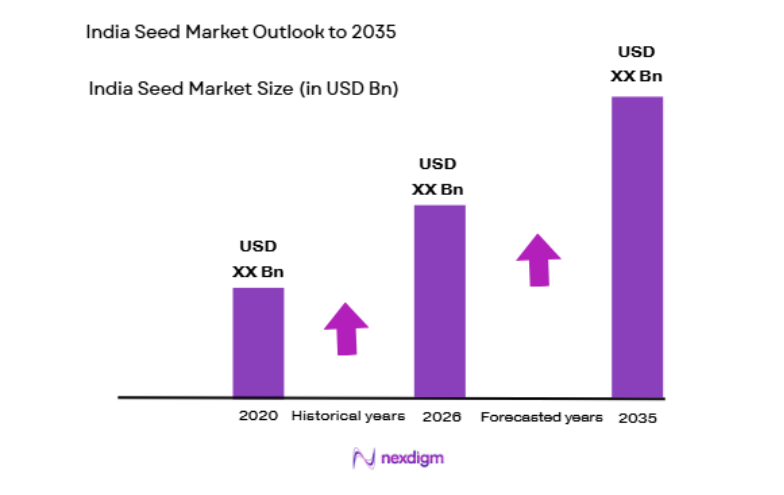
The India seed market is estimated to reach a value of USD ~ billion based on a recent historical assessment. This growth is primarily driven by factors such as the increasing demand for high-yielding and genetically modified seeds due to the expanding agricultural sector. The market is also influenced by government initiatives aimed at boosting agricultural productivity, including subsidies and support for seed distribution. The growth of the seed market is further supported by advancements in biotechnology and crop science, which have led to the development of seeds with higher resistance to diseases and better adaptability to diverse climatic conditions.
The major regions driving growth in the India seed market include states such as Punjab, Uttar Pradesh, and Maharashtra. These areas dominate due to their strong agricultural output, large-scale farming activities, and favorable climate conditions. The adoption of new technologies in these regions has led to increased productivity, while government-backed initiatives for sustainable agriculture continue to support demand for superior seed varieties. Other factors contributing to the dominance of these regions include established infrastructure and easy access to seed supply chains.
Market Segmentation
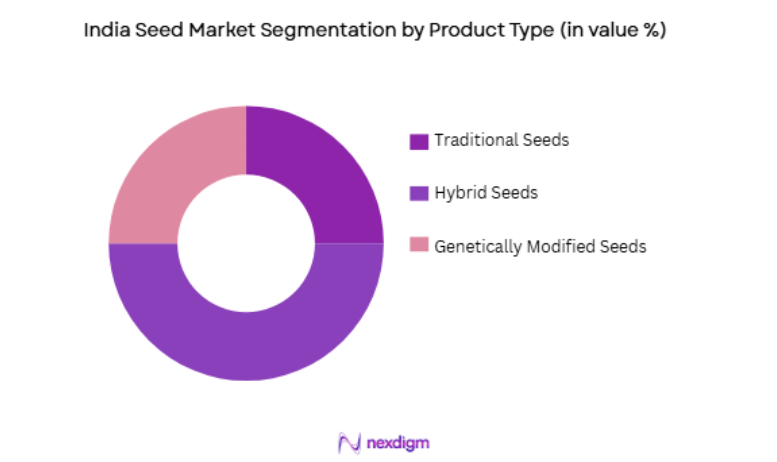
By Product Type
The India seed market is segmented by product type into traditional seeds, hybrid seeds, and genetically modified (GM) seeds. Recently, hybrid seeds have gained the dominant market share due to factors such as the increased demand for higher productivity and disease-resistant crops. Hybrid seeds are favored for their higher yield potential, improved disease resistance, and better adaptability to varying climatic conditions, making them the preferred choice among farmers in regions with diverse agricultural needs.
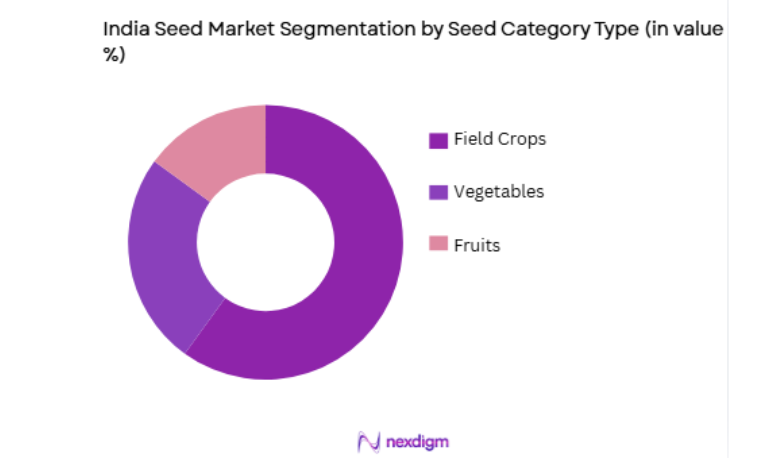
By Seed Category
The market is also segmented by seed category into field crops, vegetables, and fruits. Field crops dominate the seed market share due to the widespread cultivation of grains like rice, wheat, and maize, which are staple foods in India. These crops require large-scale seed production to meet the national demand, further driving the preference for field crop seeds. Additionally, the growth of commercial farming in various states has resulted in increased demand for high-quality field crop seeds.
Competitive Landscape
The India seed market is highly competitive, with consolidation occurring as larger players acquire smaller firms to expand their product portfolios and reach. The presence of major multinational seed companies and strong local manufacturers also intensifies competition, creating a dynamic market environment. These companies focus on innovation, including the development of genetically modified seeds and hybrid varieties, to cater to the growing demand for high-quality seeds in India.
| Company Name | Establishment Year | Headquarters | Technology Focus | Market Reach | Key Products | Revenue (USD) | R&D Investment (%) |
| Monsanto | 2001 | USA | ~ | ~ | ~ | ~ | ~ |
| Mahyco | 1962 | India | ~ | ~ | ~ | ~ | ~ |
| Nuziveedu Seeds | 2000 | India | ~ | ~ | ~ | ~ | ~ |
| Kaveri Seed | 1986 | India | ~ | ~ | ~ | ~ | ~ |
| DuPont Pioneer | 1802 | USA | ~ | ~ | ~ | ~ | ~ |
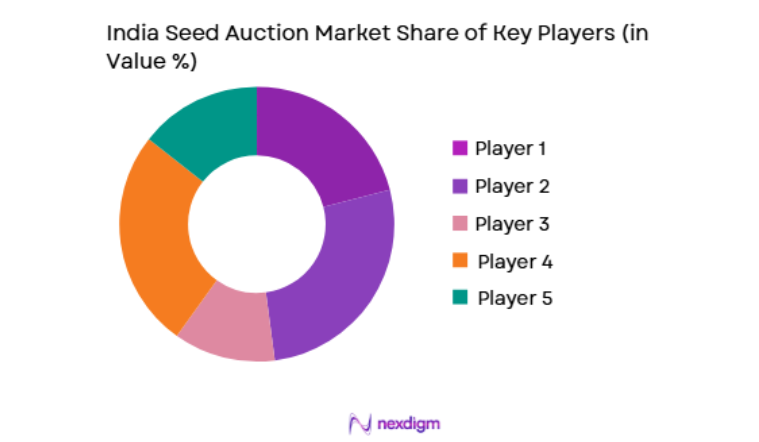
India Seed Market Analysis
Growth Drivers
Technological Advancements in Seed Development
Technological advancements in seed development have been a key growth driver in the India seed market. The introduction of genetically modified (GM) seeds has revolutionized crop production by offering improved resistance to pests, diseases, and environmental stress. These innovations have greatly enhanced crop yields, providing farmers with the opportunity to produce more with less input. As a result, GM seeds have become increasingly popular in India, especially in areas where traditional seeds struggle to provide optimal yields. Furthermore, the development of hybrid seeds, which combine the advantages of two different plant varieties, has significantly contributed to the expansion of the market. These advancements allow for higher crop productivity, which is crucial for India’s growing population and agricultural needs.
Government Support for Agricultural Initiatives
Another key driver of growth in the India seed market is the strong support from the Indian government for agricultural initiatives. Policies such as subsidies for seed purchases, financial assistance for farmers, and the promotion of high-yield varieties have been instrumental in boosting seed demand across the country. The government’s focus on sustainable agriculture, coupled with programs that encourage the use of certified seeds, has led to an increase in seed adoption among farmers. Additionally, government-backed research institutions have played a crucial role in developing new seed varieties that cater to the unique climatic and soil conditions of different regions in India. This support has enabled farmers to access high-quality seeds, which is a critical factor in achieving higher agricultural productivity and food security.
Market Challenges
High Cost of Hybrid and Genetically Modified Seeds
One of the significant challenges in the India seed market is the high cost associated with hybrid and genetically modified (GM) seeds. While these seeds offer higher yields and better disease resistance, they often come at a premium price compared to traditional seeds. This makes them less accessible to small-scale farmers, who constitute a large portion of the agricultural workforce in India. The cost of GM seeds, in particular, can be a barrier to widespread adoption, especially in rural areas where financial constraints are more prevalent. Despite government subsidies and support programs, the financial burden of purchasing high-quality seeds can limit market growth in certain regions.
Dependency on Monsoon and Weather Conditions
The seed market in India is also significantly impacted by the unpredictable nature of the monsoon and other weather conditions. Many regions in India depend heavily on the monsoon season for water, and any fluctuations or delays in rainfall can adversely affect crop production. Additionally, climate change has led to more frequent and severe weather events such as droughts and floods, which can undermine the success of seed crops. These environmental factors pose a challenge to seed companies in terms of ensuring the success of their products, particularly in areas where water scarcity or erratic weather conditions are common. This dependency on external weather patterns adds a level of uncertainty to the market, affecting both seed production and distribution.
Opportunities
Rising Demand for Organic and Non-GMO Seeds
As consumer preferences shift towards healthier and more sustainable food options, the demand for organic and non-GMO seeds has been on the rise. Farmers are increasingly seeking seeds that align with organic farming practices, which emphasize the use of natural methods over chemical inputs. This trend is driving the growth of the organic seed segment, which is expected to witness significant expansion in the coming years. Consumers are becoming more aware of the environmental and health benefits of organic products, which has created a strong market for non-GMO crops. Seed companies have the opportunity to tap into this demand by developing and offering high-quality organic and non-GMO seed varieties.
Expansion of Agri-tech Solutions
The integration of agri-tech solutions with seed development presents a promising opportunity for growth in the India seed market. Technologies such as precision agriculture, data analytics, and artificial intelligence are being leveraged to optimize farming practices and improve seed performance. These technologies allow for better decision-making in terms of seed selection, planting, and crop management. By integrating such solutions, seed companies can offer value-added services to farmers, helping them maximize their yields and improve the sustainability of their operations. This trend is expected to drive further adoption of high-quality seeds, contributing to the overall growth of the seed market in India.
Future Outlook
The future of the India seed market appears promising, with significant growth expected over the next five years. Advancements in biotechnology, along with the increasing adoption of hybrid and genetically modified seeds, will continue to drive market growth. Furthermore, government policies aimed at supporting sustainable agricultural practices and boosting seed production will further support market expansion. As consumer demand for organic and non-GMO products grows, seed companies have a unique opportunity to cater to this segment. Additionally, the integration of agri-tech solutions into seed development will help optimize seed performance, creating a more efficient and productive agricultural ecosystem.
Major Players
- Monsanto
- Mahyco
- Nuziveedu Seeds
- Kaveri Seed
- DuPont Pioneer
- Rasi Seeds
- Syngenta India
- Bayer CropScience
- JK Seeds
- Reliance Industries
- Sakata Seed Corporation
- SeedWorks International
- Krishi Rasayan Exports
- AgriGold Seeds
- Emamex Seeds
Key Target Audience
- Investments and venture capitalist firms
- Government and regulatory bodies
- Large-scale farmers and agricultural enterprises
- Seed distributors and retailers
- Agri-tech companies
- Agricultural cooperatives
- Food processing companies
- Research and development organizations
Research Methodology
Step 1: Identification of Key Variables
The first step involves identifying the key market variables that influence the seed market, such as product type, geographical regions, and regulatory factors.
Step 2: Market Analysis and Construction
This step involves analyzing the market size, growth trends, and segmentation based on historical data and industry reports, followed by market construction based on identified variables.
Step 3: Hypothesis Validation and Expert Consultation
Hypotheses about market trends and growth drivers are validated by consulting with experts in seed production, agriculture, and policy regulation.
Step 4: Research Synthesis and Final Output
The final output synthesizes the collected data, analysis, and expert insights into a comprehensive report, providing actionable insights for stakeholders.

- Executive Summary
- Research Methodology (Definitions, Scope, Industry Assumptions, Market Sizing Approach, Primary & Secondary Research Framework, Data Collection & Verification Protocol, Analytic Models & Forecast Methodology, Limitations & Research Validity Checks)

- Market Definition and Scope
- Value Chain & Stakeholder Ecosystem
- Regulatory / Certification Landscape
- Sector Dynamics Affecting Demand

- Growth Drivers
Government Support for Agricultural Development
Technological Advancements in Seed Production
Increasing Demand for High-Yield Varieties - Market Challenges
Climate Change and Weather Variability
Supply Chain and Distribution Issues
Regulatory and Certification Barriers - Market Opportunities
Expanding Organic Farming Trends
Rising Investment in Agricultural Research
Growing Demand for Bio-based Seeds - Trends
Adoption of Precision Farming Technologies
Shift Toward Sustainable Agricultural Practices
Integration of Digital Platforms for Seed Distribution - Government regulations
- SWOT analysis
- Porters 5 forces

- By Market Value, 2020-2025
- By Installed Units, 2020-2025
- By Average System Price, 2020-2025
- By System Complexity Tier, 2020-2025

- By System Type (In Value%)
Hybrid Seeds
Open Pollinated Seeds
Genetically Modified Seeds
Certified Seeds
Vegetable Seeds - By Platform Type (In Value%)
Agricultural Land Platforms
Greenhouse Platforms
Hydroponic Platforms
Vertical Farming Platforms
Aquaponic Platforms - By Fitment Type (In Value%)
Field Application
Greenhouse Application
Hydroponic Application
Urban Farming Application
Commercial Application - By EndUser Segment (In Value%)
Farmers
Agricultural Cooperatives
Government Organizations
Private Sector Companies
Research & Development Institutes - By Procurement Channel (In Value%)
Direct Procurement
Retail Sales
Online Sales

- Market Share Analysis
- Cross Comparison Parameters (System Type, Platform Type, Procurement Channel, EndUser Segment, Fitment Type, Seed Variety, Market Region, Technology Adoption, Seed Treatment, Distribution Channel)
- SWOT Analysis of Key Competitors
- Pricing & Procurement Analysis
- Key Players
Bayer CropScience
Monsanto India
Syngenta India
DLF Seeds
Nuziveedu Seeds
Rallis India
Indo-American Hybrid Seeds
Kaveri Seed Company
Pioneer Hi-Bred
Dhanuka Agritech
Vandana Seeds
UPL Limited
Advanta India
Jain Irrigation Systems

- Increasing Demand from Small-scale Farmers
- Large Corporations Investing in Seed Production
- Government Initiatives to Support Agricultural Growth
- Focus on Sustainable and Organic Farming Practices

- Forecast Market Value, 2026-2035
- Forecast Installed Units, 2026-2035
- Price Forecast by System Tier, 2026-2035
- Future Demand by Platform, 2026-2035


 Request a Sample
 Ask for Customization
 Get a Quote
 Enquire Now