

 Download PDF
Market Overview
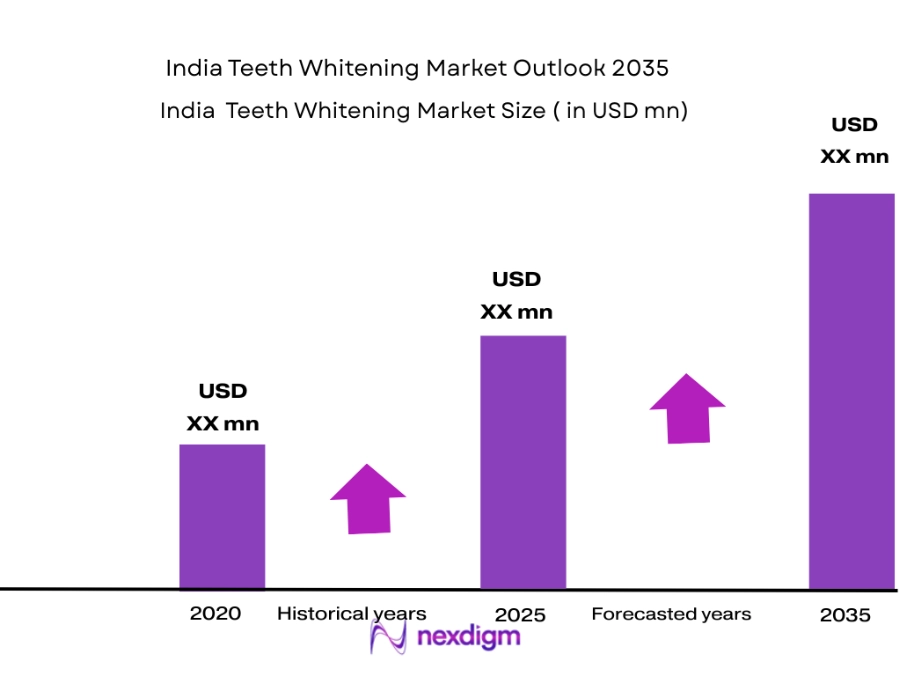
The India teeth whitening market is valued at USD ~ million, reflecting robust growth from USD 385 million in the previous year. This growth is primarily driven by increasing consumer awareness of oral hygiene, rising disposable income, and a growing preference for cosmetic dentistry. Expanding dental infrastructure across metropolitan and tier-2 cities is further fueling demand, as more consumers seek professional teeth whitening services alongside at-home whitening solutions. The trend toward aesthetic dental treatments is a key factor contributing to market expansion.
Dominant cities in the India teeth whitening market include Mumbai, Delhi, Bengaluru, and Chennai, which act as hubs due to high urbanization, greater purchasing power, and the presence of a large number of professional dental clinics and cosmetic dentistry providers. These cities also host international brands and premium product distributors, making them central to both sales and innovation adoption. Urban consumers are highly influenced by social media and celebrity trends, driving the preference for advanced whitening solutions and professional services over traditional methods.
Market Segmentation
By Product Type
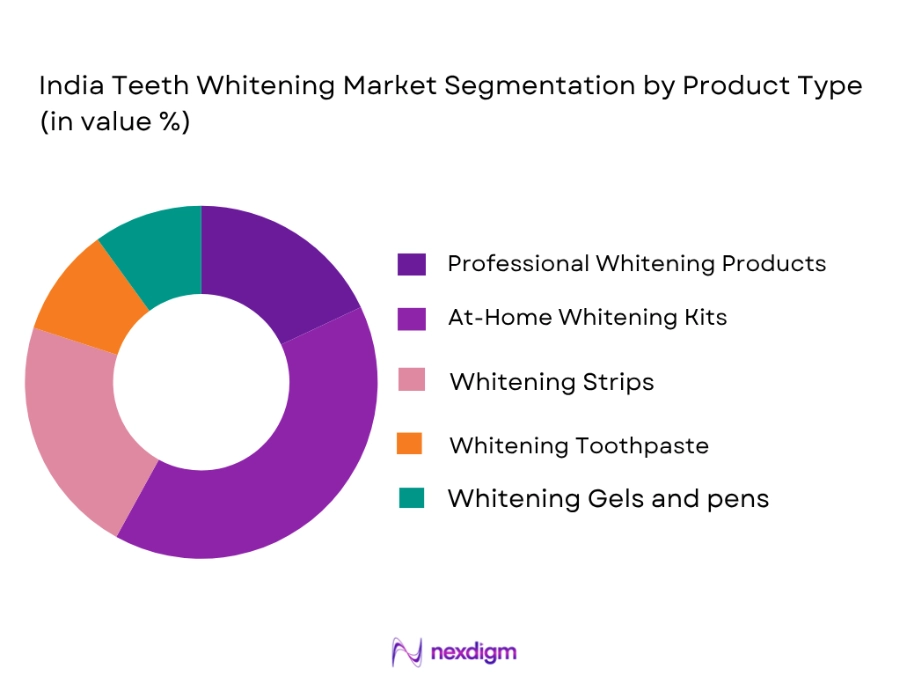
India teeth whitening market is segmented by product type into professional whitening products, at-home whitening kits, whitening toothpaste, whitening strips, and whitening gels/pens. At-home whitening kits hold a dominant market share due to convenience, affordability, and increasing consumer preference for DIY cosmetic solutions. Rising awareness about oral care and online availability of whitening kits has strengthened their adoption, while professional treatments, although premium, are gradually complemented by at-home solutions, creating an integrated oral care approach.
By Ingredient Type
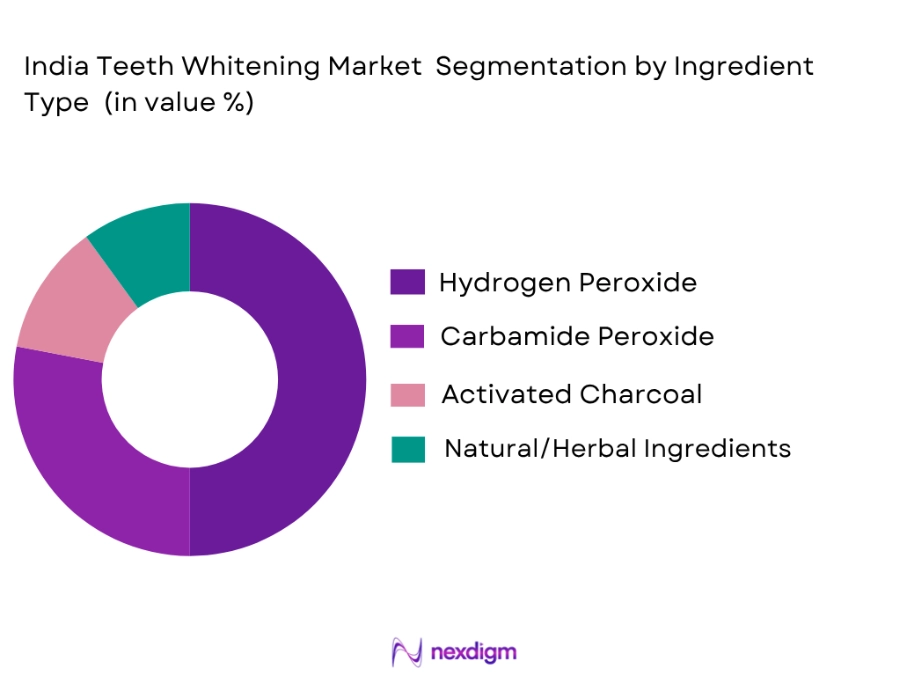
The market is further segmented by ingredient type into hydrogen peroxide, carbamide peroxide, activated charcoal, and natural/herbal ingredients. Hydrogen peroxide-based products dominate due to their proven effectiveness, fast results, and widespread acceptance among both dental professionals and consumers. The familiarity of this active ingredient in whitening formulations, coupled with strong product efficacy, has made it the preferred choice across professional clinics and at-home kits. Innovations in lower-sensitivity formulas have also increased its adoption among urban consumers.
Competitive Landscape
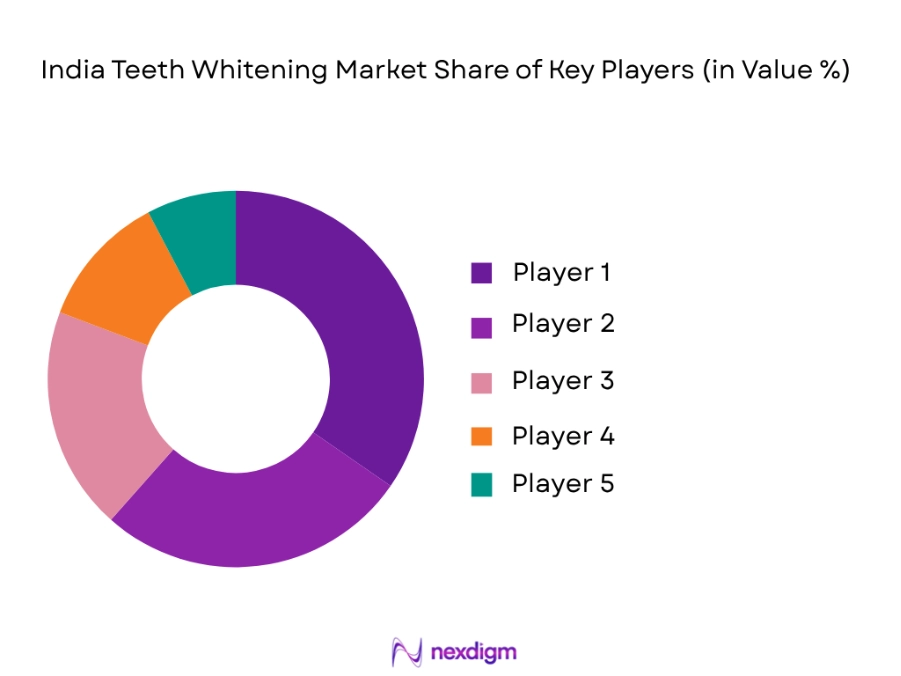
The India teeth whitening market is dominated by a mix of multinational corporations and strong local players, reflecting a competitive but concentrated market. Companies such as Colgate-Palmolive India, Procter & Gamble, Himalaya Drug Company, and GSK India hold significant influence, leveraging strong brand recognition, extensive distribution networks, and innovative product portfolios. The market demonstrates a trend toward partnerships with dental clinics and e-commerce channels to expand reach.
| Company | Establishment Year | Headquarters | Product Portfolio | Distribution Channels | R&D Investment | Marketing Spend | Manufacturing Capacity | Revenue 2024 |
| Colgate-Palmolive India | 1937 | Mumbai | ~ | ~ | ~ | ~ | ~ | ~ |
| Procter & Gamble (Crest) | 1837 | Gurgaon | ~ | ~ | ~ | ~ | ~ | ~ |
| Himalaya Drug Company | 1930 | Bengaluru | ~ | ~ | ~ | ~ | ~ | ~ |
| GSK India | 1924 | Mumbai | ~ | ~ | ~ | ~ | ~ | ~ |
| Dr. Smile India | 2010 | Delhi | ~ | ~ | ~ | ~ | ~ | ~ |
India Teeth Whitening Market Analysis
Growth Drivers
Rising Awareness of Oral Hygiene and Cosmetic Dentistry
In India, awareness of oral hygiene and the aesthetic value of a bright smile is increasing rapidly. Urban consumers are particularly influenced by social media, celebrity endorsements, and global beauty standards, leading to higher demand for cosmetic dental procedures. Patients are more proactive about maintaining dental health, seeking both preventive care and aesthetic improvements. Dental clinics and cosmetic dentistry centers are responding by offering teeth whitening as part of broader dental packages, including veneers, cleaning, and orthodontic services. This shift toward preventive and cosmetic care is expanding the market, creating opportunities for both professional treatments and safe at-home whitening products across urban and semi-urban populations.
Increasing Disposable Income and Spending on Personal Care
Rising disposable incomes in India are driving greater expenditure on personal care and cosmetic treatments, including teeth whitening. Consumers are willing to invest in dental aesthetics as part of lifestyle and self-confidence enhancement. The growing middle class, combined with urbanization, has made professional dental services and at-home whitening kits more accessible. Higher spending power allows consumers to explore premium or technologically advanced whitening solutions, such as laser-assisted or LED-activated treatments. This trend not only supports the growth of professional clinics but also stimulates innovation in consumer-oriented products, contributing to overall market expansion and creating opportunities for domestic and international brands in the Indian teeth whitening sector.
Market Challenges
High Cost of Professional Whitening Treatments
Professional teeth whitening services in India often come with high costs that limit adoption among price-sensitive consumers. While urban middle and upper-class populations can access these services, many potential users prefer at-home alternatives or traditional oral care products due to affordability concerns. High treatment costs can constrain market penetration, particularly in smaller towns and semi-urban regions. This challenge compels dental clinics and manufacturers to develop cost-effective solutions without compromising on efficacy and safety. Addressing affordability issues is essential to expanding market reach and ensuring that professional whitening services remain attractive and accessible to a broader segment of Indian consumers.
Sensitivity Concerns and Side Effects
Tooth sensitivity and gum irritation are common concerns among Indian consumers using whitening products. Peroxide-based formulations, if not properly administered or formulated, can lead to discomfort, discouraging repeated use. These issues require manufacturers to invest in gentler and enamel-safe products and for dental professionals to provide proper guidance. Consumer education on safe usage and potential side effects is essential to maintaining trust and promoting adoption. Managing sensitivity concerns effectively is crucial to long-term market growth, as it influences both brand reputation and the willingness of consumers to invest in professional and at-home whitening solutions.
Opportunities
Development of Affordable At-Home Whitening Products
The Indian market shows strong potential for affordable, effective at-home whitening products that cater to price-sensitive yet quality-conscious consumers. Innovations in enamel-safe bleaching gels, kits with natural ingredients, and easy-to-use trays can attract urban and semi-urban buyers who are unable to access or afford professional services. Cost-effective solutions can expand adoption among younger demographics and middle-class households, enhancing brand visibility and loyalty. By offering affordable alternatives that provide visible results without compromising safety, manufacturers can capture a larger share of the market and stimulate demand for repeat purchases and complementary dental care products.
Rising Demand for Natural and Herbal Whitening Solutions
Indian consumers increasingly prefer natural, herbal, and safe whitening alternatives that align with traditional oral care practices and health-conscious lifestyles. Ingredients such as neem, clove, charcoal, and turmeric are gaining popularity as enamel-safe, chemical-free options. Products combining modern whitening efficacy with herbal or natural formulations cater to consumer concerns about side effects and long-term dental health. This trend allows manufacturers to differentiate offerings, target health-conscious segments, and expand product lines in both professional and at-home categories. Integrating natural solutions also supports marketing strategies emphasizing safety, tradition, and innovation, driving market growth.
Future Outlook
Over the next 10 years, the India teeth whitening market is expected to show sustained growth driven by increasing adoption of cosmetic dental procedures, rising consumer awareness, and expansion of e-commerce channels. Innovation in low-sensitivity and natural whitening products will attract a broader consumer base, including younger populations. The trend toward premium and at-home whitening solutions is likely to continue, while urbanization and rising disposable income will support overall market expansion.
Major Players
- Colgate-Palmolive India
- Procter & Gamble (Crest)
- Himalaya Drug Company
- GSK India
- Dr. Smile India
- Oral-B (Procter & Gamble)
- LUX Cozi (Whitening Segments)
- Dent-Active India
- SmileCare Solutions
- Pearl White India
- Pearly Whites India
- Whitesmile Co.
- CareDent India
- Dental Aesthetics Pvt. Ltd
- Glow Dental Products
Key Target Audience
- Investments and Venture Capitalist Firms
- Dental Clinics and Cosmetic Dentistry Chains
- E-commerce Retailers
- Pharmacies and Drugstores
- Government and Regulatory Bodies
- Cosmetic Salons and Beauty Chains
- Private Hospitals with Dental Departments
- Corporate Wellness Programs
Research Methodology
Step 1: Identification of Key Variables
The initial phase involves mapping all stakeholders in the India teeth whitening market. Extensive desk research and analysis of secondary and proprietary databases are conducted to identify critical market variables, including product types, ingredients, distribution channels, and consumer behavior trends.
Step 2: Market Analysis and Construction
Historical data on product sales, market penetration, and revenue generation is compiled and analyzed. Market trends, distribution patterns, and consumer adoption rates are studied to ensure accuracy of the market size estimation and segmentation.
Step 3: Hypothesis Validation and Expert Consultation
Market hypotheses are validated through computer-assisted interviews with dental professionals, distributors, and product manufacturers. These consultations provide operational and financial insights, allowing refinement of market size and segmentation accuracy.
Step 4: Research Synthesis and Final Output
Direct engagement with leading manufacturers, distributors, and clinics ensures verification of sales performance, product adoption, and consumer preference data. The output is consolidated into a comprehensive, validated analysis of the India teeth whitening market.

- Executive Summary
- Research Methodology (Market Definitions and Assumptions; Abbreviations; Market Sizing Approach; Consolidated Research Approach; Understanding Market Potential Through In-Depth Industry Interviews; Primary Research Approach; Limitations and Future Conclusions)

- Definition and Scope
- Market Dynamics Overview
- Market Genesis
- Major Players and Market Timeline
- Business Cycle and Trends
- Supply Chain and Value Chain Analysis

- Growth Drivers
Rising Awareness of Oral Hygiene and Cosmetic Dentistry
Increasing Disposable Income and Spending on Personal Care
Growing Influence of Social Media and Aesthetic Trends
Expansion of Dental Clinics and Cosmetic Dentistry Services - Market Challenges
High Cost of Professional Whitening Treatments
Sensitivity Concerns and Side Effects
Competition from Traditional Oral Care Products
Regulatory Restrictions on Certain Chemicals - Opportunities
Development of Affordable At-Home Whitening Products
Rising Demand for Natural and Herbal Whitening Solutions
Integration of Teeth Whitening Services with Dental and Cosmetic Packages
Expansion of E-commerce Channels for Whitening Products - Key Trends
Shift toward at-home whitening kits
Rising adoption of natural and chemical-free whitening products
Increased focus on cosmetic dentistry in urban areas
Digital marketing and influencer-driven product awareness - Government Regulations
- SWOT Analysis
- Porter’s Five Forces

- By Value, 2020–2025
- By Volume, 2020–2025
- By Average Price, 2020–2025

- By Product Type (In Value %)
Professional Whitening Products
At-Home Whitening Kits
Whitening Toothpaste
Whitening Strips
Whitening Gels and Pens - By Ingredient Type (In Value %)
Hydrogen Peroxide
Carbamide Peroxide
Activated Charcoal
Natural/Herbal Ingredients - By Application (In Value %)
Dental Clinics
At-Home Usage
Beauty and Cosmetic Salons - By Distribution Channel (In Value %)
Direct Sales
Dental Clinics and Professional Channels
Pharmacies and Retail Stores
Online Channels - By Region (In Value %)
Maharashtra
Delhi
Karnataka
Tamil Nadu
Rest of India

- Market Share of Major Players by Value/Volume
- Market Share of Major Players by Product Type
- Cross Comparison Parameters (Company Overview, Business Strategies, Recent Developments, Strength, Weakness, Organizational Structure, Revenues, Revenues by Product Type, Number of Touchpoints, Distribution Channels, Number of Dealers and Distributors, Margins, Production Plant, Capacity, Unique Value Offering and Others)
- SWOT Analysis of Major Players
- Pricing Analysis Based on Product Categories for Major Players
- Detailed Profiles of Major Companies
Colgate-Palmolive India
Crest (Procter & Gamble)
Himalaya Drug Company
GSK India
Oral-B (Procter & Gamble)
LUX Cozi (Whitening Segments)
Dr. Smile India
Dent-Active India
SmileCare Solutions
Pearl White India

- Market Demand and Utilization
- Purchasing Power and Budget Allocations
- Regulatory and Compliance Requirements
- Needs, Desires, and Pain Point Analysis
- Decision-Making Process

- By Value, 2026–2035
- By Volume, 2026–2035
- By Average Price, 2026–2035


 Request a Sample
 Ask for Customization
 Get a Quote
 Enquire Now