
 Download PDF
 Download PDF
Market Overview
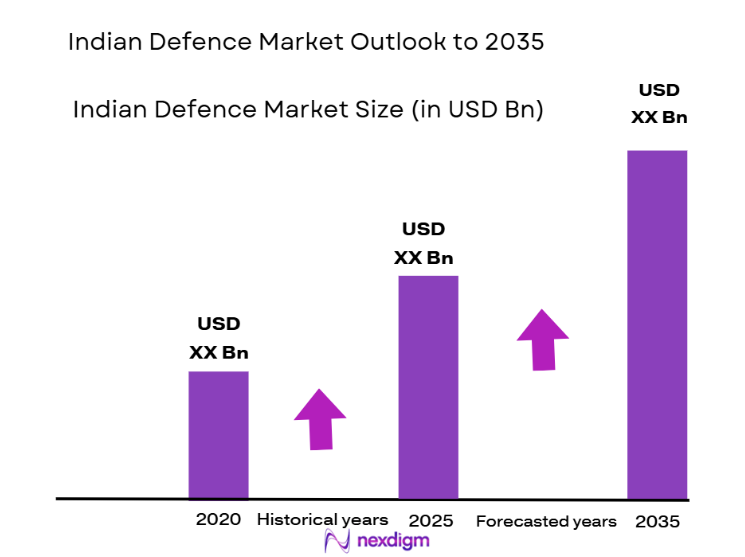
The Indian Defence Market is valued at approximately USD ~ billion, with projections indicating continued growth. This market is driven by increasing defence budgets, particularly under the government’s focus on enhancing indigenous capabilities through initiatives like the “Atmanirbhar Bharat” scheme. Moreover, substantial investments in upgrading defence technologies and infrastructure are key contributors. The expanding defence export sector, alongside strategic partnerships with global powers, further boosts market growth.
India’s defence market is largely concentrated in major hubs such as Delhi, Bengaluru, Hyderabad, and Pune. Delhi, being the capital, houses the Ministry of Defence (MoD) and key defence policy-making bodies. Bengaluru and Hyderabad are central to defence R&D, hosting major aerospace and defence manufacturing units like HAL and DRDO. Pune, with its proximity to key defence institutions, is critical for defence training and manufacturing. These regions benefit from government policies, a skilled workforce, and well-established defence ecosystems.
Market Segmentation
By Product Type
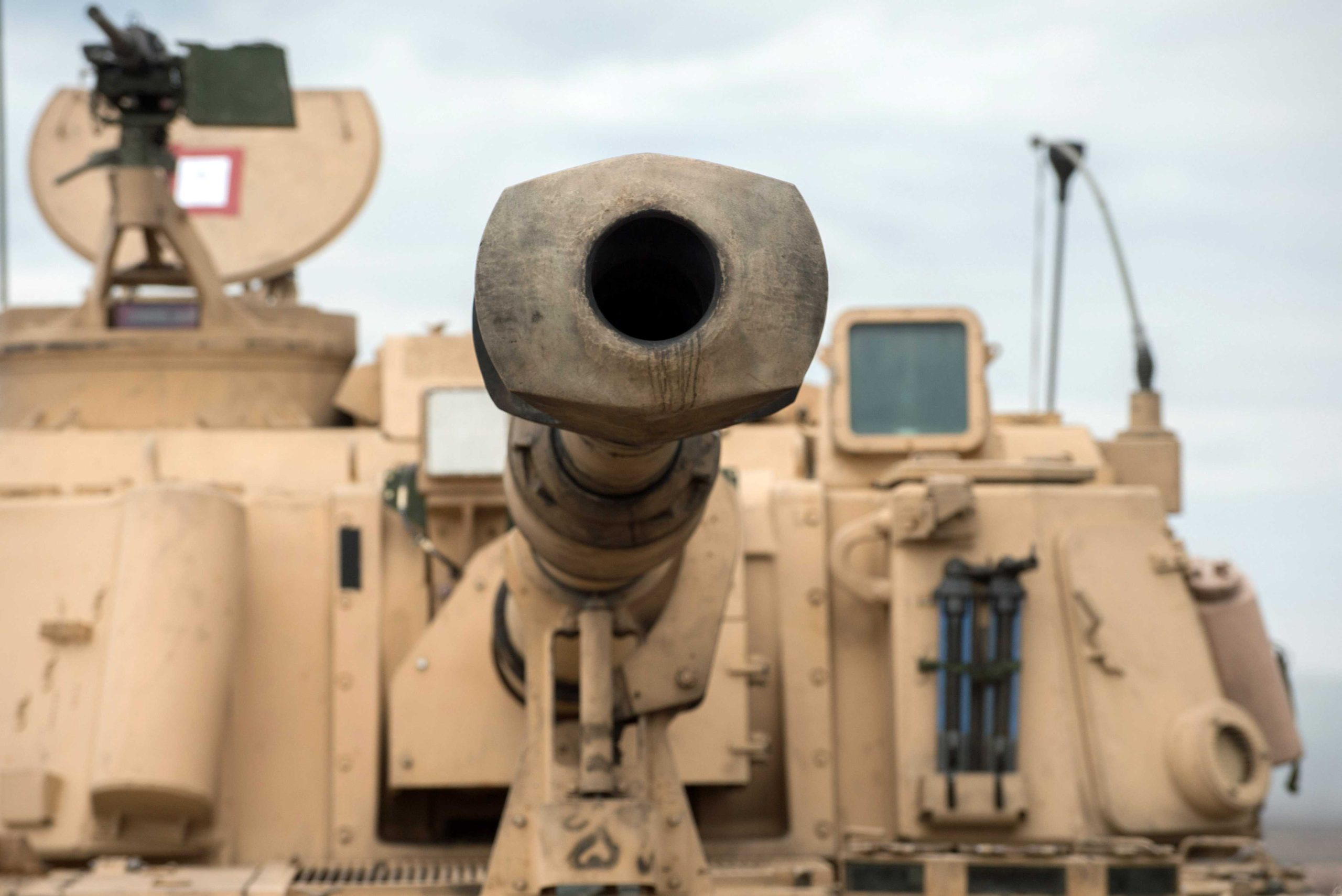
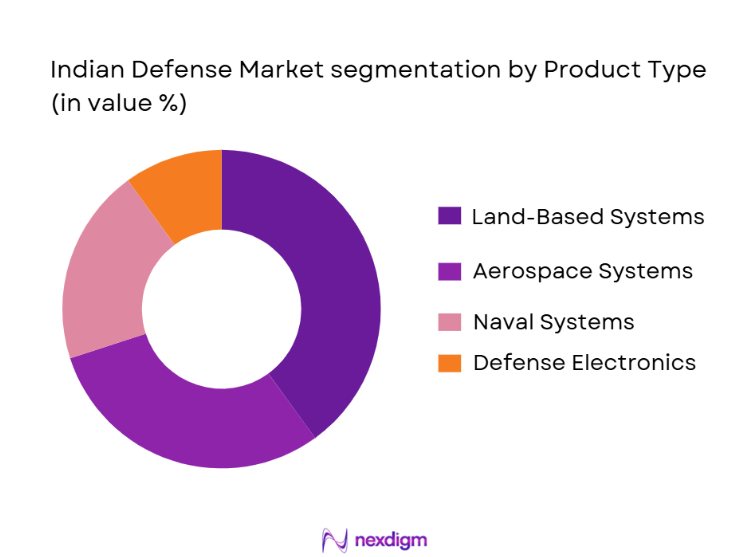
The Indian Defence Market is segmented into various product types, including land-based systems, aerospace systems, naval systems, and defence electronics. The land-based systems segment dominates the market, primarily driven by the growing demand for advanced artillery, tanks, and combat vehicles. India’s strategic military modernization, focusing on enhancing land capabilities and self-sufficiency, is a key driver. Additionally, the Indian Army continues to invest in modernizing its fleet of tanks and infantry combat vehicles, contributing to the growth of this segment.
By End-User
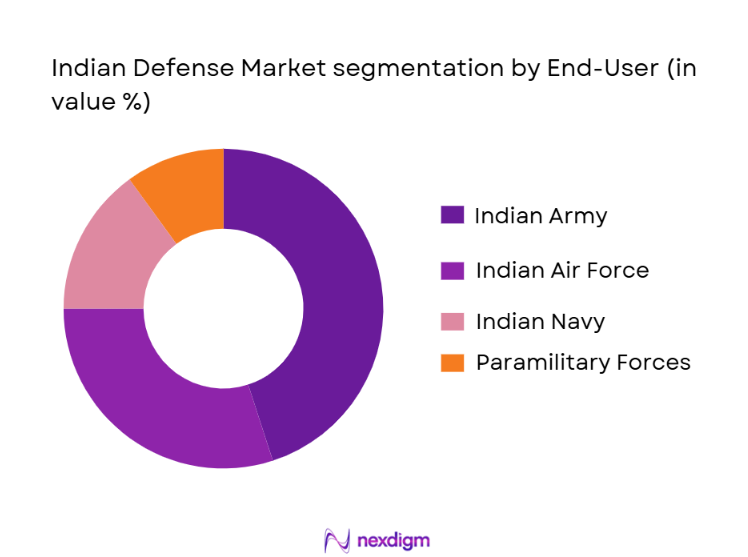
The Indian Defence Market is also segmented based on end-users, including the Indian Army, Indian Air Force, Indian Navy, and Paramilitary forces. The Indian Army holds the dominant share due to the ongoing modernization programs and large-scale procurement of artillery, vehicles, and communications systems. The continuous need to strengthen ground forces, driven by border security concerns, fuels the high demand in this segment. Furthermore, the Indian Air Force and Navy are expanding their fleets, but the Army’s share remains the largest.
Competitive Landscape
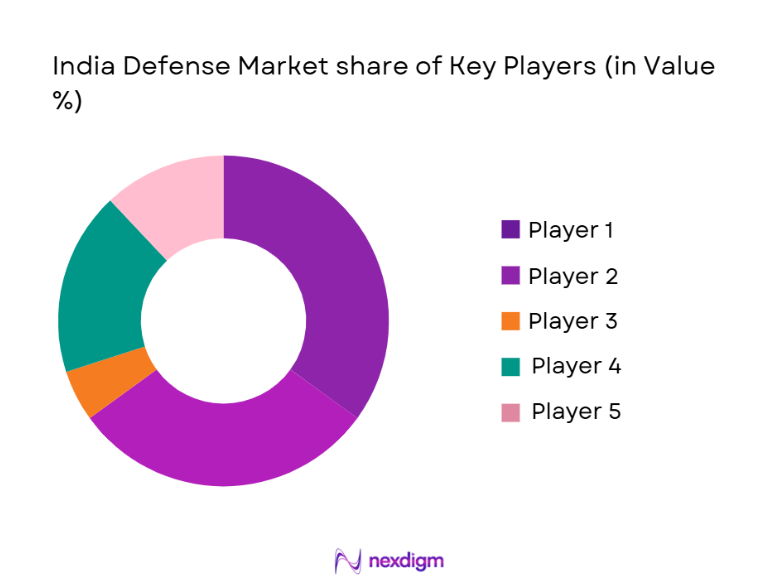
The Indian Defence Market is highly competitive, with both domestic and international players vying for a share. The market is dominated by key players such as Hindustan Aeronautics Limited (HAL), Bharat Electronics Limited (BEL), and Bharat Dynamics Limited (BDL), alongside global firms like Lockheed Martin and Boeing. These companies play a crucial role in defence production, R&D, and supply chain integration, with strong government ties and an expanding focus on indigenization.
| Company | Establishment Year | Headquarters | R&D Investment | Product Portfolio | Key Contracts | Indigenization Contribution | Global Reach |
| Hindustan Aeronautics Limited (HAL) | 1940 | Bengaluru, India | ~ | ~ | ~ | ~ | ~ |
| Bharat Electronics Limited (BEL) | 1954 | Bengaluru, India | ~ | ~ | ~ | ~ | ~ |
| Bharat Dynamics Limited (BDL) | 1970 | Hyderabad, India | ~ | ~ | ~ | ~ | ~ |
| Lockheed Martin | 1994 | Bethesda, USA | ~ | ~ | ~ | ~ | ~ |
| Boeing | 1916 | Chicago, USA | ~ | ~ | ~ | ~ | ~ |
Indian Defense Market Analysis
Growth Drivers
Government Initiatives and Defence Budget Increases
The Indian government’s emphasis on modernizing its armed forces, particularly through initiatives like Atmanirbhar Bharat and increased defence budgets, is driving market growth. These policies aim to enhance indigenous production and reduce dependency on imports, thereby boosting the local defence industry.
Technological Advancements and Defence R&D
Continuous investments in research and development (R&D) are fostering technological advancements in the defence sector. The push for indigenization has accelerated the development of advanced weapon systems, radar technologies, and unmanned aerial vehicles (UAVs), further enhancing India’s strategic capabilities.
Market Challenges
Slow Procurement Processes and Bureaucracy
India’s defence procurement process is often slow due to complex regulations and bureaucratic hurdles. This leads to delays in acquiring new systems and technologies, which can hinder the market’s growth and the timely modernization of military equipment.
Dependency on Foreign Suppliers
Despite efforts to promote indigenization, India remains reliant on foreign suppliers for advanced technology and components. This dependency increases costs, complicates supply chains, and creates strategic vulnerabilities, particularly in times of geopolitical tension.
Opportunities
Defence Exports and Regional Demand
With increasing demand for Indian-made defence products in regions like Southeast Asia, Africa, and the Middle East, the market presents significant export opportunities. Expanding India’s defence exports can help establish it as a global player in the defence sector.
Public-Private Partnerships
The growing collaboration between the Indian government and private defence contractors offers opportunities for innovation, faster production, and scaling up manufacturing capabilities. These partnerships are expected to drive the growth of domestic manufacturing and technology transfer in the defence sector.
Future Outlook
Over the next 5 years, the Indian Defence Market is expected to experience significant growth, driven by continuous government support, advancements in technology, and increasing consumer demand for modern defence systems. With a strong emphasis on self-reliance and indigenization, India is set to expand its domestic production capacity while enhancing the export potential of its defence products. Policy initiatives such as “Make in India” and increased public-private partnerships will accelerate this transition, leading to more innovation and global competitiveness.
Major Players
- Hindustan Aeronautics Limited (HAL)
- Bharat Electronics Limited (BEL)
- Bharat Dynamics Limited (BDL)
- Mazagon Dock Shipbuilders Limited
- Tata Advanced Systems Limited
- Larsen & Toubro (L&T) Defence
- Adani Defence & Aerospace
- Reliance Defence & Engineering
- Garden Reach Shipbuilders & Engineers
- DRDO (Defence Research and Development Organisation)
- Data Patterns India
- Dynamatic Technologies
- Alpha Design Technologies
- Param Defence & Space Technologies
- Mahindra Defence Systems
Key Target Audience
- Defence Manufacturers
- Investments and Venture Capitalist Firms
- Government and Regulatory Bodies (Ministry of Defence, DRDO)
- Defence Contractors
- Original Equipment Manufacturers (OEMs)
- Defence Exporters
- Private Military & Defence Service Providers
- Procurement Heads of Defence Forces
Research Methodology
Step 1: Identification of Key Variables
The first step involves constructing an ecosystem map, identifying all key stakeholders in the Indian Defence Market. This process includes thorough desk research, utilizing secondary and proprietary databases to map out major industry players, government entities, and key policies influencing the market.
Step 2: Market Analysis and Construction
In this phase, we will compile historical data to assess market trends and key drivers such as defence procurement budgets, modernization programs, and strategic partnerships. This data will be analyzed to understand market penetration and revenue generation across various product segments.
Step 3: Hypothesis Validation and Expert Consultation
We will develop market hypotheses and validate them through expert consultations with key players in the industry, including senior executives from government agencies, defence contractors, and defence technology firms. These interviews will provide insights into operational challenges, financial performance, and future market outlook.
Step 4: Research Synthesis and Final Output
In the final phase, direct engagements with manufacturers will be conducted to acquire detailed insights into product segments, consumer preferences, and operational performance. This will be followed by a final analysis, synthesizing primary and secondary research data to produce an accurate and actionable report.

- Executive Summary
- Research Methodology (Market Definitions and Assumptions, Indian Defence Equipment Classification Framework, Data Sources & Validation, Market Sizing & Forecasting Models, Government Procurement Mapping, Primary Interview Panels, Limitations & Predictive Confidence)

- Macro Defence Market Landscape
- Defence Production Ecosystem
- Strategic Policy Architecture
- Defence Value Chain
- Import vs. Indigenous Production Dynamics

- Growth Drivers
Strategic Modernisation Programmes
Government Policy Push
Domestic R&D & Tech Upgradation
Defence Export Promotion & Foreign Partnerships
Enhanced Private Sector Participation - Market Challenges
Technology Transfer & Absorption
Complex Procurement Cycles
Supply Chain Fragmentation
Export Regulatory Barriers - Market Opportunities
UAV & Autonomous Systems
Defence Electronics & Cyber Solutions
Defence Infrastructure Modernisation
Maintenance, Repair & Overhaul (MRO)
Exports to Africa, Southeast Asia, Middle East - Market Trends
Indigenisation & Localisation Trajectory
PublicPrivate Joint Ventures
Digital Transformation (AI, IoT, Cyber)
Additive Manufacturing & Supply Chain Digitisation - Policy, Regulation & Compliance
Defence Procurement Policy
Defence Production & Export Regulations
Quality Assurance & Military Standards
Tax & Incentive Framework - Indian Defence Value Chain Analysis
Overall Value Chain Mapping
Tier Structure
Capability Gaps & Bottlenecks
Value Chain Scorecard

- Total Defence Production Value 2020-2025
- Defence Export Market Value & Growth 2020-2025
- Production Share: Public vs. Private 2020-2025
- Defence R&D Expenditure 2020-2025
- Defence Procurement Spend Trend 2020-2025

- By Product & System Type (In Value%)
Fighter & Trainer Aircraft
Armoured Combat Vehicles & Artillery
Naval Platforms & SubSystems
Missile & Guided Weapon Systems
UAVs & CounterUAV Systems
Electronic Warfare, Radars & Communication Systems
Defence Electronics & Sensors - By EndUser Segment (In Value%)
Indian Army
Indian Air Force
Indian Navy
Paramilitary & Central Armed Police Forces
Defence Export Clients - By Procurement Category (In Value%)
GovernmenttoGovernment Deals
Domestic Manufacture & Buy Indian
Foreign OEM with Local Partnership
OEM Import - By Value Chain Tier (In Value%)
DPSUs & Ordnance Factories
Private OEM Prime Contractors
Tier1 Strategic Suppliers
Tier2/3 Components & SubAssemblies
Service & MRO Providers - By Geographic Footprint (In Value%)
North India
South India
West & Eastern Industrial Base
Export Focus Regions

- Market Share Analysis – Production & Revenue
- CrossComparison Parameters (Company Footprint, Product & Platform Portfolio Breadth, Indigenous Capability Index, MoD & OEM Contract Win Rate, R&D Investments & Patents, Technology Partnerships & JVs, Export Footprint & Compliance, Supply Chain Integration & Tier Network)
- SWOT of Major Players
- Competitor Profiles
Hindustan Aeronautics Limited (HAL)
Bharat Electronics Limited (BEL)
Bharat Dynamics Limited (BDL)
Mazagon Dock Shipbuilders Limited
Tata Advanced Systems Limited
Larsen & Toubro (L&T) Defence
Adani Defence & Aerospace
Bharat Forge Defence
DRDO (Major R&D Entity)
Reliance Defence & Engineering
Garden Reach Shipbuilders & Engineers
Data Patterns India
Dynamatic Technologies
Alpha Design Technologies
Param Defence & Space Technologies

- Armed Forces Demand Profile
- Budget Allocation Framework
- Procurement Decision Drivers
- Retention, Lifecycle & Aftermarket Requirements

- CAGR Trajectories 2026-2035
- Indigenisation Impact Scenario 2026-2035
- Export Market Growth Path 2026-2035


 Request a Sample
 Ask for Customization
 Get a Quote
 Enquire Now