

 Download PDF
 Download PDF
Market Overview
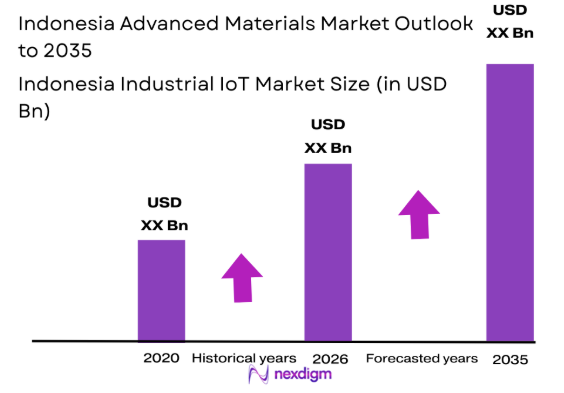
The Indonesia Advanced Materials Market is projected to witness significant growth, with its market size estimated to reach approximately USD ~ billion based on a recent historical assessment. This growth is driven by increasing industrialization, the adoption of innovative materials in automotive, construction, and energy sectors, and growing demand for lightweight and high-performance materials. Additionally, government policies and investments supporting sustainable materials and technology advancements are further propelling the market.
The dominant players in the market are located in major industrial hubs such as Jakarta and Surabaya, where the demand for advanced materials is driven by the need for infrastructure development, automotive manufacturing, and energy production. These cities are central to Indonesia’s industrial activity, benefiting from strong government incentives, robust supply chains, and proximity to regional markets. Key factors contributing to their dominance include infrastructure development, favorable regulations, and a growing manufacturing base.
Market Segmentation
By Product Type
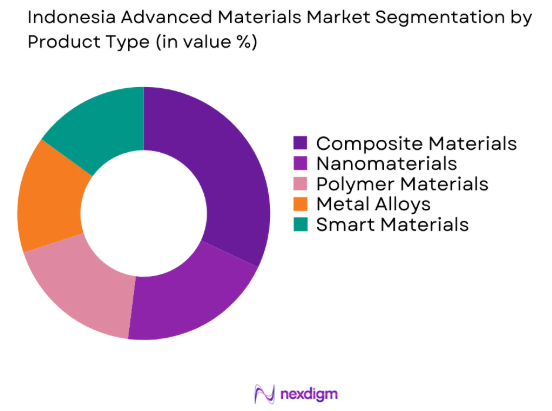
The Indonesia Advanced Materials Market is segmented by product type into composite materials, nanomaterials, polymer materials, metal alloys, and smart materials. Recently, composite materials have a dominant market share due to their widespread applications in the automotive and aerospace sectors, driven by consumer demand for lightweight and high-strength materials. The growing focus on energy efficiency and environmental sustainability has further contributed to the rising demand for composite materials, especially in industries looking for cost-effective, high-performance solutions.
By Platform Type
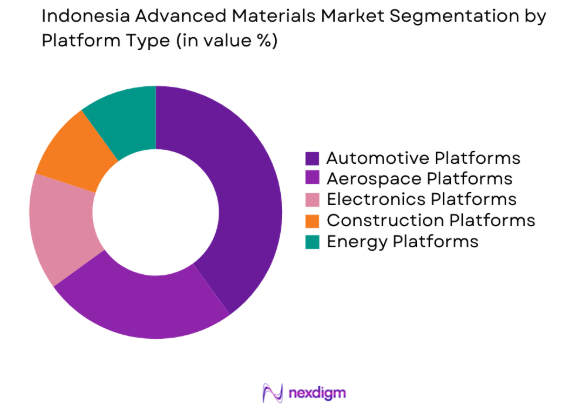
The market is also segmented by platform type into automotive platforms, aerospace platforms, electronics platforms, construction platforms, and energy platforms. The automotive sector dominates this segment due to the increasing adoption of advanced materials in vehicle manufacturing, particularly for fuel efficiency and performance improvements. The rise in electric vehicles (EVs) and the need for lightweight materials to improve energy efficiency have driven the growth of automotive platforms, making it a significant contributor to the market.
Competitive Landscape
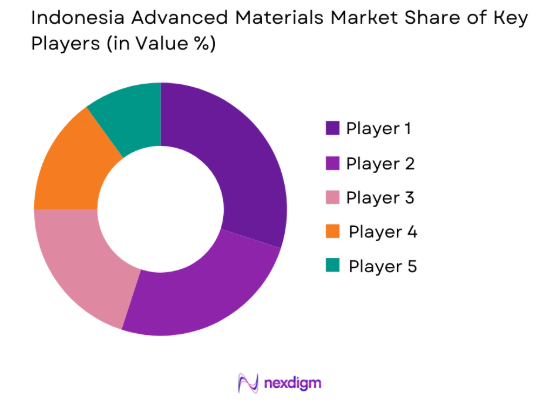
The competitive landscape of the Indonesia Advanced Materials Market is highly consolidated, with a few major players holding a significant share. These players leverage technological advancements, large-scale production capabilities, and strategic partnerships to maintain a competitive edge. The market is characterized by significant investments in research and development, with companies focusing on sustainable materials, lightweight composites, and nanotechnology. This competitive intensity drives continuous innovation and growth within the industry.
| Company Name | Establishment Year | Headquarters | Technology Focus | Market Reach | Key Products | Revenue (USD) | Innovation Focus |
| PT Indorama Ventures | 1976 | Jakarta | ~ | ~ | ~ | ~ | ~ |
| SABIC | 1976 | Riyadh | ~ | ~ | ~ | ~ | ~ |
| LG Chem | 1947 | Seoul | ~ | ~ | ~ | ~ | ~ |
| Mitsubishi Chemical | 1933 | Tokyo | ~ | ~ | ~ | ~ | ~ |
| Toray Industries | 1926 | Tokyo | ~ | ~ | ~ | ~ | ~ |
Indonesia Advanced Materials Market Analysis
Growth Drivers
Technological Advancements
Technological advancements in nanomaterials and composite materials have been crucial for market growth. The development of high-performance materials has driven their adoption in industries like automotive and aerospace. Innovations in nanotechnology and sustainable manufacturing processes have lowered production costs, making these materials more accessible. As a result, industries across sectors are increasingly incorporating advanced materials to enhance product performance and efficiency. Additionally, increased investments in research and development are expected to continue driving breakthroughs in material science, further expanding the market potential. This ongoing technological evolution ensures that advanced materials remain at the forefront of industrial applications, fueling continued growth in the market.
Regulatory Support
Government policies and regulations promoting sustainable materials have significantly fostered the growth of the advanced materials market in Indonesia. Initiatives aimed at reducing carbon emissions in manufacturing processes have created favorable conditions for industries to adopt eco-friendly technologies. The country’s commitment to Industry 4.0 and the green economy has led to the introduction of subsidies, grants, and tax incentives for businesses investing in advanced material solutions. These measures encourage industries to transition towards more sustainable practices while ensuring economic viability. By aligning industrial growth with environmental goals, these regulations have helped boost the demand for high-performance, sustainable materials across various sectors, supporting both economic development and environmental responsibility.
Market Challenges
High Production Costs
A significant challenge in the Indonesia advanced materials market is the high production cost. Raw material expenses, complex manufacturing processes, and energy-intensive production methods make these materials costly to produce, limiting their widespread adoption, particularly among small to medium enterprises (SMEs). Additionally, the high costs of research and development, along with the need for specialized equipment, further increase the overall investment required. These factors create barriers to scaling up the use of advanced materials, hindering their integration into industries that would benefit from their adoption. As a result, the financial burden remains a major obstacle to the growth and adoption of advanced materials in Indonesia.
Environmental Impact and Disposal
The environmental impact of advanced materials, particularly in electronics and automotive industries, poses a significant challenge. While these materials offer high efficiency, their non-biodegradable nature and hazardous properties create difficulties during disposal. This has led to increasing pressure on industries to develop sustainable recycling and disposal solutions. As the demand for advanced materials grows, companies must find environmentally responsible ways to manage their end-of-life stages. Additionally, tightening regulations related to environmental sustainability are adding further compliance challenges for businesses in the sector. This growing regulatory burden, combined with the environmental concerns, makes it crucial for companies to prioritize sustainability in their material management strategies.
Opportunities
Rising Demand for Energy-Efficient Materials
As industries globally adopt greener and more energy-efficient practices, there is a growing demand for energy-efficient materials in Indonesia’s advanced materials market. Materials that improve fuel efficiency, reduce emissions, and enhance energy storage are becoming increasingly sought after, especially in the automotive and energy sectors. The shift towards electric vehicles (EVs) and the expansion of renewable energy infrastructure further fuel this demand. This trend presents significant opportunities for material suppliers to innovate and develop new solutions that meet these energy efficiency needs. As businesses and industries focus on sustainability, there is a clear demand for advanced materials that support the transition to greener technologies, creating growth prospects for suppliers in Indonesia’s market.
Smart Materials for Industrial Applications
The rising demand for smart materials in Indonesia presents a significant growth opportunity. These materials, capable of responding to external stimuli such as temperature, pressure, and moisture, are gaining traction across various industries like construction, automotive, and electronics. Their high adaptability and enhanced performance make them ideal for a variety of applications, including self-healing concrete in construction and self-regulating components in electronics. As industries increasingly recognize the benefits of smart materials, their adoption is expected to grow. This presents significant potential for the market, with innovations in material design and manufacturing processes opening new opportunities for suppliers to meet the evolving needs of these industries.
Future Outlook
The future of Indonesia’s advanced materials market is promising, with significant growth expected over the next five years. Technological advancements, such as the development of smart and sustainable materials, are poised to drive market expansion. Additionally, increasing demand for lightweight materials in automotive and aerospace sectors, coupled with regulatory support for green manufacturing practices, will propel the market forward. As industries continue to embrace innovation and sustainability, the market will likely see a shift towards advanced materials that cater to energy efficiency and environmental concerns.
Major Players
- PT Indorama Ventures
- SABIC
- LG Chem
- Mitsubishi Chemical
- Toray Industries
- BASF
- Reliance Industries
- Dow Chemical
- Hanwa Co.
- DuPont
- 3M
- Solvay
- Asahi Kasei Corporation
- Sumitomo Chemical
- Covestro
Key Target Audience
- Investments and venture capitalist firms
- Government and regulatory bodies
- Automotive manufacturers
- Aerospace companies
- Electronics manufacturers
- Construction firms
- Energy sector organizations
- Renewable energy project developers
Research Methodology
Step 1: Identification of Key Variables
The research process begins with identifying key variables such as product types, technological trends, market segments, and geographic focus to shape the scope and boundaries of the study.
Step 2: Market Analysis and Construction
A thorough analysis is conducted to construct the market framework, including segmentation, growth drivers, challenges, and opportunities. Data is gathered from primary and secondary sources for this analysis.
Step 3: Hypothesis Validation and Expert Consultation
Experts and industry leaders are consulted to validate assumptions, refine hypotheses, and ensure that the market insights align with real-world dynamics.
Step 4: Research Synthesis and Final Output
The research findings are synthesized, analyzed, and structured into the final report, ensuring clarity and actionable insights for stakeholders.

- Executive Summary
- Research Methodology (Definitions, Scope, Industry Assumptions, Market Sizing Approach, Primary & Secondary Research Framework, Data Collection & Verification Protocol, Analytic Models & Forecast Methodology, Limitations & Research Validity Checks)

- Market Definition and Scope
- Value Chain & Stakeholder Ecosystem
- Regulatory / Certification Landscape
- Sector Dynamics Affecting Demand
- Strategic Initiatives & Infrastructure Growth

- Growth Drivers
Increasing demand for lightweight materials in automotive
Government incentives for sustainable material innovation
Advancements in material technology for industrial applications - Market Challenges
High production costs for advanced materials
Technological barriers to large-scale adoption
Environmental concerns over material disposal - Market Opportunities
Rising demand for high-strength materials in construction
Expansion of electric vehicle infrastructure
Increasing focus on sustainable and eco-friendly materials - Trends
Growth in 3D printing applications for materials
Shift towards smart materials with integrated technologies
Rising focus on nanomaterials for various industries - Government Regulations
- SWOT Analysis of Key Competitors
- Porter’s Five Forces

- By Market Value 2020-2025
- By Installed Units 2020-2025
- By Average System Price 2020-2025
- By System Complexity Tier 2020-2025

- By System Type (In Value%)
Composite Materials
Nanomaterials
Polymer Materials
Metal Alloys
Smart Materials - By Platform Type (In Value%)
Automotive Platforms
Aerospace Platforms
Electronics Platforms
Construction Platforms
Energy Platforms - By Fitment Type (In Value%)
On-premise Solutions
Cloud-based Solutions
Modular Solutions
Hybrid Solutions
Integrated Solutions - By End User Segment (In Value%)
Automotive Industry
Aerospace Industry
Electronics Manufacturers
Construction Sector
Energy Sector - By Procurement Channel (In Value%)
Direct Procurement
Government Tenders
Private Sector Procurement
Online Bidding Platforms
Third-party Distributors

- Market Share Analysis
- Cross Comparison Parameters (Product Type, Platform Type, End User Segment, Procurement Channel, Fitment Type, Material Technology, Manufacturing Process, Geographic Region, Supply Chain Dynamics, Innovation Adoption)
- SWOT Analysis of Key Competitors
- Pricing & Procurement Analysis
- Key Players
PT Indorama Ventures
SABIC
LG Chem
BASF
Dow Chemical
Reliance Industries
Mitsubishi Chemical
Toray Industries
Hanwa Co.
DuPont
3M
Samsung SDI
Solvay
Asahi Kasei Corporation
Sumitomo Chemical

- Rising demand for automotive materials
- Increased aerospace sector investment in advanced materials
- Electronics industry pushing for lightweight materials
- Growth in renewable energy driving material innovations

- Forecast Market Value, 2026-2035
- Forecast Installed Units, 2026-2035
- Price Forecast by System Tier, 2026-2035
- Future Demand by Platform, 2026-2035


 Request a Sample
 Ask for Customization
 Get a Quote
 Enquire Now