

 Download PDF
 Download PDF
Market Overview
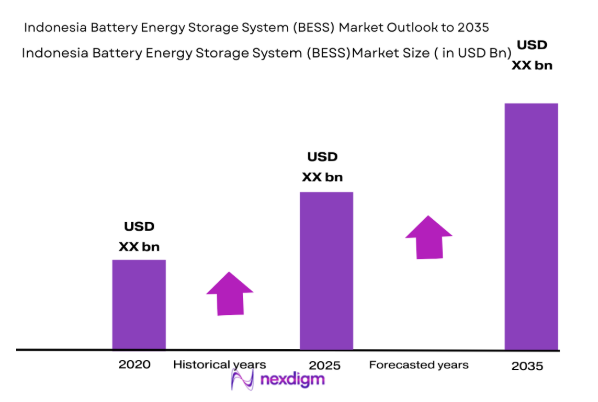
The Battery Energy Storage System (BESS) market is expected to see substantial growth based on recent historical assessments, with the market size reaching USD ~ billion. This expansion is driven by the increasing demand for renewable energy storage solutions and the need for grid stabilization. Government incentives and rising investments in infrastructure for renewable energy generation have significantly propelled the demand for efficient energy storage systems, enabling a more sustainable energy landscape. The rising focus on reducing carbon emissions is also fostering the adoption of BESS across various sectors.
The BESS market is dominated by key regions such as Southeast Asia, particularly Indonesia, due to its growing renewable energy sector and infrastructure development. The nation’s emphasis on transitioning to cleaner energy sources, along with government policies that promote energy storage solutions, plays a crucial role in its dominance. Major cities, including Jakarta, have been leading the efforts in incorporating large-scale energy storage solutions to enhance grid stability and support renewable energy systems. These factors, combined with the country’s ongoing investment in energy infrastructure, have positioned Indonesia as a significant player in the BESS market.
Market Segmentation
By Product Type:
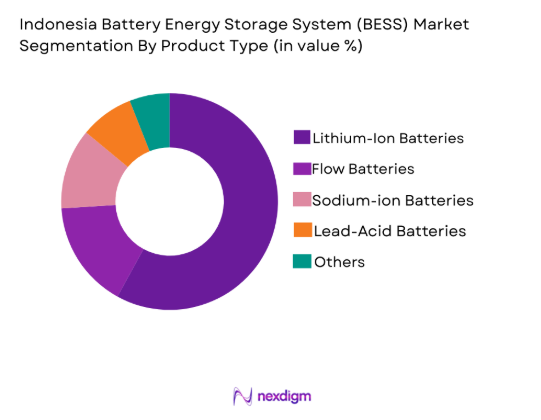
The BESS market is segmented by product type into various sub-segments, including lithium-ion batteries, flow batteries, sodium-ion batteries, lead-acid batteries, and others. Among these, lithium-ion batteries have emerged as the dominant sub-segment. This dominance can be attributed to the high energy density, longer lifespan, and cost-effectiveness of lithium-ion batteries, making them the preferred choice for large-scale storage applications. Additionally, the growing advancements in lithium-ion technology, reducing production costs, and improving performance have bolstered the widespread adoption of this technology. The demand for energy-efficient and reliable storage solutions has made lithium-ion batteries essential for grid management and renewable energy integration.
By Platform Type:
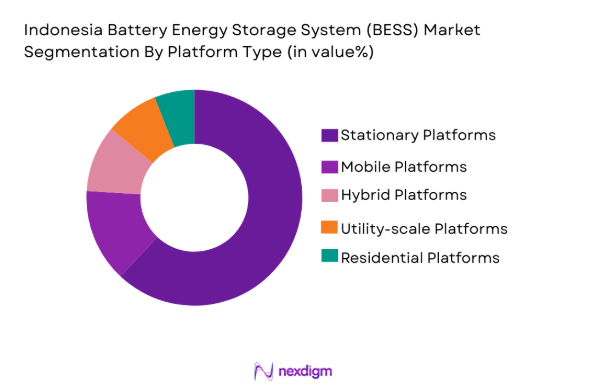
The BESS market is also segmented by platform type into stationary platforms, mobile platforms, and hybrid platforms. Stationary platforms have emerged as the dominant sub-segment due to their scalability and ability to integrate seamlessly with grid systems. These platforms are widely used in utility-scale energy storage projects to stabilize the grid and store excess energy generated from renewable sources. The demand for stationary energy storage is expected to rise as nations continue to expand their renewable energy infrastructures, emphasizing the importance of reliable storage solutions to ensure consistent power supply.
Competitive Landscape
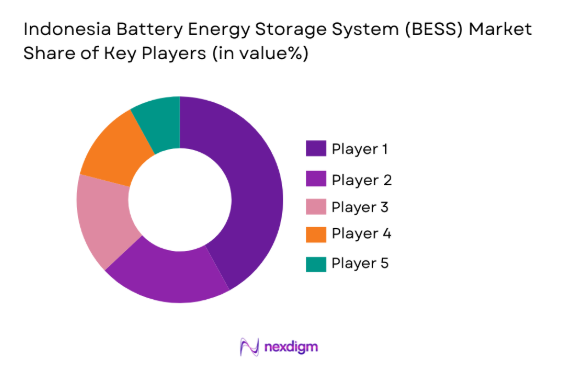
The competitive landscape of the Battery Energy Storage System (BESS) market is characterized by a combination of consolidation and innovation, with major players driving advancements in technology and capacity. Leading companies are expanding their capabilities through mergers, acquisitions, and strategic partnerships, enabling them to offer comprehensive energy storage solutions. As the demand for clean energy solutions increases, key players are investing heavily in research and development to stay ahead of the competition, resulting in a highly competitive market with a growing number of global and regional players.
| Company Name | Establishment Year | Headquarters | Technology Focus | Market Reach | Key Products | Revenue | Additional Market-Specific Parameter |
| Tesla | 2003 | Palo Alto, USA | ~ | ~ | ~ | ~ | ~ |
| LG Energy Solution | 1947 | Seoul, South Korea | ~ | ~ | ~ | ~ | ~ |
| Samsung SDI | 1970 | Seoul, South Korea | ~ | ~ | ~ | ~ | ~ |
| BYD | 1995 | Shenzhen, China | ~ | ~ | ~ | ~ | ~ |
| Panasonic | 1918 | Osaka, Japan | ~ | ~ | ~ | ~ | ~ |
Indonesia Battery Energy Storage Systems Market Analysis
Growth Drivers
Increasing Demand for Renewable Energy Integration:
The demand for renewable energy sources, particularly solar and wind, has significantly increased over the past decade. As these energy sources are intermittent, the need for energy storage systems has become crucial to ensure a stable power supply. Battery Energy Storage Systems (BESS) have proven to be essential in addressing this challenge. By storing excess energy generated during periods of high renewable production, BESS help balance supply and demand, thus contributing to the integration of renewable energy into the grid. Governments worldwide are pushing for clean energy adoption through policies and incentives, further accelerating the demand for BESS. The deployment of large-scale energy storage systems is now seen as an essential part of the transition to a low-carbon economy, leading to significant investments in BESS technology. As the grid modernizes, the need for reliable, efficient, and scalable storage solutions continues to drive market growth, positioning BESS as a critical enabler of sustainable energy futures.
Technological Advancements in Battery Technologies:
Technological advancements, particularly in battery chemistries like lithium-ion and solid-state batteries, are significantly contributing to the growth of the BESS market. These advancements have led to improvements in battery performance, such as higher energy densities, longer lifespans, faster charging times, and greater overall efficiency. As a result, BESS has become more cost-effective and practical for large-scale energy storage applications, such as grid stabilization and renewable energy storage. Continuous innovation in battery technology is expected to make energy storage systems even more efficient and affordable, opening up new opportunities for BESS adoption. Furthermore, breakthroughs in materials and battery management systems are helping to enhance the safety and reliability of these storage solutions, which is vital for their integration into critical energy infrastructures. With increased investments in R&D, these technological improvements are anticipated to lead to a reduction in production costs, further expanding the adoption of BESS in both developed and emerging markets.
Market Challenges
High Capital Costs of BESS Installations:
One of the major challenges facing the BESS market is the high capital costs associated with installing large-scale energy storage systems. Despite the decreasing costs of batteries over time, the initial investment for deploying a complete BESS solution remains significant, particularly for utility-scale projects. The cost of setting up the necessary infrastructure, including grid integration and installation, adds to the overall expenditure. For many utilities, municipalities, and private companies, these high upfront costs can be a barrier to adoption, especially in regions with limited financial resources. While government incentives and subsidies have been instrumental in driving BESS adoption, these financial support mechanisms may not always be sufficient to overcome the high initial costs, particularly for smaller market players. Overcoming this challenge requires continued innovation to lower the cost of production, as well as stronger policy support to provide financial assistance to early adopters of BESS technologies.
Regulatory and Policy Barriers:
While governments are actively promoting the transition to renewable energy sources, the regulatory and policy landscape for BESS is still evolving. The lack of clear, standardized regulations across different regions can create uncertainty for companies looking to invest in energy storage systems. This is particularly true for markets with nascent energy storage infrastructure, where the regulatory environment is not well-defined. The absence of a unified approach to grid integration and energy storage system deployment can lead to delays in project timelines, increased compliance costs, and challenges in securing necessary permits. In addition, some regions may have outdated grid codes that do not fully accommodate the latest energy storage technologies, further hindering market growth. As a result, there is a need for more robust and transparent policies that encourage the widespread adoption of BESS while ensuring compliance with safety, environmental, and operational standards.
Opportunities
Expansion of Microgrid Applications:
One of the significant opportunities for growth in the BESS market lies in the increasing adoption of microgrids. These localized energy systems are capable of operating independently from the central grid, making them ideal for remote or off-grid areas that may not have reliable access to centralized electricity infrastructure. BESS plays a critical role in microgrids by providing storage for energy generated from renewable sources like solar and wind. As the demand for microgrids rises, particularly in developing countries, the need for reliable and scalable energy storage solutions will continue to grow. In addition, microgrids offer enhanced resilience against power outages, making them an attractive solution for communities and industries looking to ensure energy security. This growing interest in microgrids presents a significant opportunity for BESS providers to expand their market reach and offer tailored storage solutions for these systems. As microgrid adoption continues to increase, particularly in regions with high renewable energy potential, the demand for BESS will only continue to rise, providing a valuable growth avenue for market players.
Integration with Electric Vehicle Charging Infrastructure:
The growing adoption of electric vehicles (EVs) presents another promising opportunity for the BESS market. As the number of EVs on the road increases, the need for efficient and reliable charging infrastructure becomes more critical. Integrating BESS with EV charging stations can help address challenges related to grid congestion and the intermittent nature of renewable energy generation. By storing excess energy during low-demand periods, BESS can provide power during peak times, reducing strain on the grid and ensuring a stable supply of electricity to EV charging stations. Moreover, this integration can enhance the overall efficiency of charging infrastructure by enabling fast charging and optimizing energy usage. The synergy between BESS and EV charging infrastructure presents a lucrative growth opportunity for companies in both sectors. As governments continue to promote EV adoption and charging network expansion, the integration of energy storage systems into EV infrastructure is expected to gain traction, further driving demand for BESS solutions.
Future Outlook
The future outlook for the Battery Energy Storage System (BESS) market is highly promising, with continued growth expected over the next five years. Technological advancements in battery chemistries and energy management systems are set to enhance the efficiency and affordability of energy storage solutions, making them more accessible to a wider range of users. In addition, increasing government support and regulatory frameworks for renewable energy adoption will contribute to a favorable market environment. As nations focus on decarbonizing their energy sectors, BESS will play a critical role in enabling the integration of renewable energy into power grids, supporting grid stability, and improving energy security. The growing interest in microgrids and electric vehicle infrastructure will also create new avenues for market expansion, further driving the demand for energy storage solutions. With these factors in place, the BESS market is expected to experience robust growth, positioning energy storage as a key component in the transition to a more sustainable energy future.
Major Players
- Tesla
- LG Energy Solution
- Samsung SDI
- BYD
- Panasonic
- Vestas
- ABB
- Siemens Gamesa
- AES Energy Storage
- Fluence
- Sunverge
- GE Renewable Energy
- Schneider Electric
- Mitsubishi Electric
- Saft
Key Target Audience
- Investments and venture capitalist firms
- Government and regulatory bodies
- Utility companies
- Renewable energy developers
- Commercial energy users
- Independent power producers
- Energy consultants
- Battery manufacturers
Research Methodology
Step 1: Identification of Key Variables
Identification of critical factors that influence the BESS market, such as technological advancements, regulatory frameworks, and demand patterns.
Step 2: Market Analysis and Construction
Comprehensive analysis of current market trends, competitive landscape, and growth projections for BESS solutions.
Step 3: Hypothesis Validation and Expert Consultation
Validation of assumptions and hypotheses through interviews with industry experts, key players, and market analysts.
Step 4: Research Synthesis and Final Output
Synthesis of collected data, insights, and expert feedback to deliver a comprehensive market report, highlighting actionable insights.

- Executive Summary
- Research Methodology (Definitions, Scope, Industry Assumptions, Market Sizing Approach, Primary & Secondary Research Framework, Data Collection & Verification Protocol, Analytic Models & Forecast Methodology, Limitations & Research Validity Checks)

- Market Definition and Scope
- Value Chain & Stakeholder Ecosystem
- Regulatory / Certification Landscape
- Sector Dynamics Affecting Demand
- Strategic Initiatives & Infrastructure Growth

- Growth Drivers
Government incentives for renewable energy adoption
Increasing demand for energy reliability and grid stability
Technological advancements in battery storage systems
Government commitment to sustainable energy transition
Rising electricity demand and energy storage needs - Market Challenges
High initial cost of BESS systems
Lack of awareness in residential sectors
Technological limitations of current energy storage solutions
Limited infrastructure for BESS deployment
Regulatory barriers and policy uncertainty - Market Opportunities
Increasing investment in renewable energy infrastructure
Growth of electric vehicle (EV) market boosting BESS demand
Integration of BESS in smart grids and microgrids
Partnerships with international players to enhance local manufacturing
Technological advancements in battery efficiency and life cycle - Trends
Growing adoption of hybrid energy systems combining BESS and solar power
Increased focus on energy storage solutions for industrial applications
Rise of second-life batteries for cost-effective storage solutions
Emerging role of AI and IoT in managing BESS performance
Growing integration of BESS in smart cities and microgrids - Government Regulations & Defense Policy
Renewable energy targets and incentives
National energy storage standards and certifications
Government support for infrastructure development and investment in BESS - SWOT Analysis
- Stakeholder and Ecosystem Analysis
- Porter’s Five Forces Analysis
- Competition Intensity and Ecosystem Mapping

- By Market Value, 2020-2025
- By Installed Units, 2020-2025
- By Average System Price, 2020-2025
- By System Complexity Tier, 2020-2025

- By System Type (In Value%)
Grid-Connected BESS
Off-Grid BESS
Utility-Scale BESS
Residential BESS
Commercial BESS - By Platform Type (In Value%)
Energy Management Systems
Battery Storage Systems
Power Conversion Systems
Monitoring and Control Systems
Distribution Systems - By Fitment Type (In Value%)
Standalone Solutions
Integrated Solutions
Hybrid Solutions
Modular Solutions
Custom Solutions - By EndUser Segment (In Value%)
Energy Utilities
Industrial Sector
Commercial Sector
Residential Sector
Government & Defense - By Procurement Channel (In Value%)
Direct Procurement
Third-Party Distributors
Online Procurement
Government Tender
Private Sector Procurement - By Material / Technology (In Value%)
Lithium-Ion Technology
Lead-Acid Technology
Flow Battery Technology
Sodium-Ion Technology
Solid-State Battery Technology

- Market structure and competitive positioning
- Market share snapshot of major players
- CrossComparison Parameters (System Type, Platform Type, Fitment Type, EndUser Segment, Procurement Channel, Material/Technology, Regulatory Landscape, Investment in R&D)
- SWOT Analysis of Key Competitors
- Pricing & Procurement Analysis
- Key Players
Tesla, Inc.
LG Chem
Sungrow Power Supply Co., Ltd.
Siemens AG
Schneider Electric
BYD Company Ltd.
Eaton Corporation
VARTA AG
Fluence Energy, Inc.
SMA Solar Technology AG
Kokam Co., Ltd.
Panasonic Corporation
ABB Ltd.
Samsung SDI Co., Ltd.
General Electric (GE)

- Energy Utilities’ Increasing Investment in Storage Systems
- Government Incentives for Industrial Adoption of BESS
- Rising Demand for Residential Energy Storage Solutions
- Growth in Commercial Sector Adoption of Energy Storage Systems

- Forecast Market Value, 2026-2035
- Forecast Installed Units, 2026-2035
- Price Forecast by System Tier, 2026-2035
- Future Demand by Platform, 2026-2035


 Request a Sample
 Ask for Customization
 Get a Quote
 Enquire Now