
 Download PDF
 Download PDF
Market Overview
The Indonesia Energy Storage market is set to experience significant growth, reaching an estimated USD ~ billion, driven by the increasing demand for renewable energy integration, grid stability, and electric vehicle adoption. The country’s expanding renewable energy sector, combined with the growing need to balance intermittent power generation, has boosted investments in energy storage technologies. Additionally, the government’s commitment to reducing its carbon footprint supports this demand, making energy storage a vital component of Indonesia’s sustainable energy transition.
Dominant cities like Jakarta, Surabaya, and Batam are at the forefront of energy storage developments in Indonesia. These areas, with strong industrial bases and high renewable energy potential, are key to the country’s energy infrastructure evolution. Strategic initiatives from both the government and private sector are concentrated in these regions, enhancing energy storage capabilities to ensure reliable power supply and support the integration of large-scale renewable sources such as solar and wind.
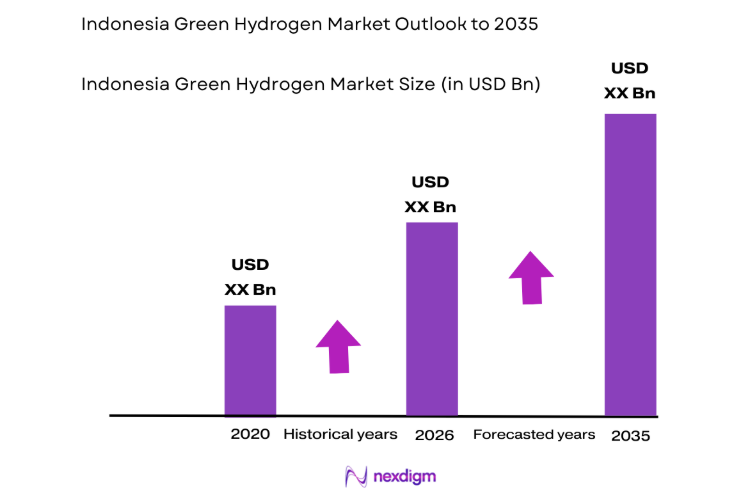
Market Segmentation
By Storage Technology
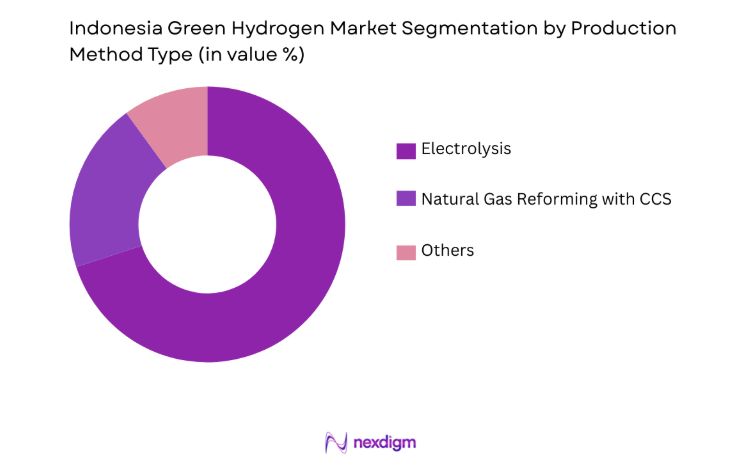
The Indonesia Energy Storage market is segmented by storage technology into lithium-ion batteries, flow batteries, pumped hydro storage, and others. Lithium-ion batteries have gained dominant market share due to their high efficiency, declining cost, and widespread adoption in various sectors such as grid storage, electric vehicles, and residential energy solutions. Lithium-ion technology’s ability to scale and store renewable energy efficiently has been crucial for its market leadership in Indonesia, aligning with the country’s renewable energy goals.
By End-User Sector
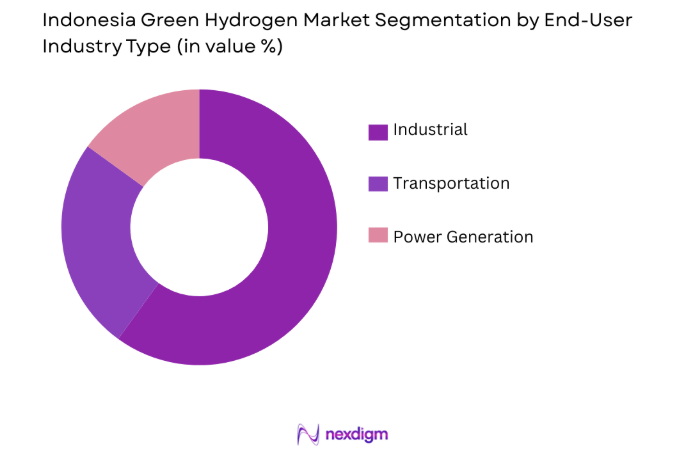
The Indonesia Energy Storage market is segmented by end-user sector into utilities, residential, commercial, and industrial. The utility sector holds the dominant market share, driven by large-scale grid storage applications and renewable energy integration efforts. As Indonesia’s electricity grid modernizes to handle more variable renewable energy sources, energy storage solutions are becoming essential for stabilizing the grid, preventing power outages, and ensuring efficient energy use.
Competitive Landscape
The competitive landscape of Indonesia’s energy storage market is marked by the presence of both international and domestic players. Companies like Tesla, LG Chem, and Fluence are contributing advanced lithium-ion battery technologies, while local companies like PLN (Perusahaan Listrik Negara) are pushing for large-scale integration of energy storage systems. The market is expected to see increased consolidation, with a growing number of partnerships aimed at addressing Indonesia’s energy storage infrastructure needs.
| Company Name | Establishment Year | Headquarters | Technology Focus | Market Reach | Key Products | Revenue | Market-Specific Focus |
| Tesla | 2003 | USA | ~ | ~ | ~ | ~ | ~ |
| LG Chem | 1947 | South Korea | ~ | ~ | ~ | ~ | ~ |
| Fluence | 2018 | USA | ~ | ~ | ~ | ~ | ~ |
| PLN (Persero) | 1945 | Jakarta, Indonesia | ~ | ~ | ~ | ~ | ~ |
| BYD | 1995 | China | ~ | ~ | ~ | ~ | ~ |
Indonesia Energy Storage Market Analysis
Growth Drivers
Government Support for Renewable Integration
Indonesia’s government is committed to increasing renewable energy production to meet the country’s energy demand sustainably. This commitment, coupled with its ambitious target to reduce greenhouse gas emissions by 29% by 2030, has propelled the growth of the energy storage market. Policies like the Renewable Energy Law, which encourages private investments in renewables, directly impact the demand for energy storage solutions, helping integrate renewable sources into the grid. As more renewable projects are launched, energy storage will become essential for grid reliability, boosting growth in the sector.
Declining Storage Costs and Technological Advancements
Technological advancements in energy storage systems, especially lithium-ion batteries, have played a critical role in reducing costs. The cost of storage systems has decreased by over 50% in recent years, which has encouraged wider adoption in Indonesia. Energy storage solutions are becoming more efficient, affordable, and scalable, which supports both the industrial and residential sectors. As technology continues to evolve, new energy storage solutions will further drive market expansion, allowing Indonesia to achieve its renewable energy goals while maintaining a stable grid.
Market Challenges
High Initial Capital Costs
While energy storage technology is becoming more affordable over time, the initial capital investment for large-scale projects remains a significant barrier for many stakeholders in Indonesia. This is especially challenging in rural and remote areas where the infrastructure for energy storage systems is lacking. Despite declining costs, many companies and local governments may still find it difficult to justify the investment without long-term financial incentives or government-backed support. This financial challenge restricts the widespread deployment of energy storage systems, slowing overall market growth.
Limited Grid Infrastructure and Storage Deployment
Indonesia’s grid infrastructure is often fragmented, especially in remote and rural regions, creating challenges for the integration of energy storage systems. These areas lack the necessary infrastructure for efficient electricity distribution, which makes it difficult to deploy large-scale energy storage solutions. Furthermore, the grid’s inability to handle high loads of renewable energy also limits the potential for energy storage integration. As Indonesia develops and modernizes its grid, the expansion of energy storage will require significant investments in grid enhancement and expansion.
Opportunities
Expansion of Electric Vehicle Adoption
The increasing adoption of electric vehicles (EVs) in Indonesia presents a significant opportunity for the energy storage market. As the number of EVs on the roads grows, the need for efficient charging stations and battery storage will rise. Additionally, EVs themselves can serve as energy storage systems, creating a dual-purpose solution for the energy storage market. The Indonesian government’s push for a greener transport sector is expected to increase the demand for storage solutions, particularly for home and public EV charging infrastructure.
Growing Demand for Off-Grid and Microgrid Solutions
With its archipelago of islands, Indonesia faces challenges in ensuring stable power access to remote and off-grid areas. Microgrids, combined with energy storage, are becoming an essential solution for providing reliable and sustainable power in these areas. The development of microgrids, powered by renewable energy sources such as solar and wind, with energy storage systems for stability, represents a major growth opportunity for the energy storage market. This trend aligns with Indonesia’s long-term energy access goals, opening doors for businesses to invest in decentralized power solutions.
Future Outlook
The Indonesia Energy Storage market is expected to grow at a strong pace, driven by advancements in storage technologies, governmental support for renewable energy, and growing demand for stable and sustainable electricity. As more projects integrate renewable energy into the grid, energy storage systems will play a key role in ensuring grid stability and reliability. Despite challenges such as high upfront costs and limited infrastructure, opportunities in off-grid solutions and EV adoption provide a solid foundation for the future. With continuous technological advancements, the energy storage market in Indonesia is poised for long-term growth.
Major Players
- Tesla
- LG Chem
- Fluence
- Pertamina
- BYD
- CATL
- Siemens
- Vestas
- GE Renewable Energy
- Wärtsilä
- Schneider Electric
- ABB
- Mitsubishi Heavy Industries
- Huawei
- Samsung SDI
Key Target Audience
- Investments and venture capitalist firms
- Government and regulatory bodies
- Energy utilities
- Renewable energy developers
- Industrial energy consumers
- Electric vehicle manufacturers
- Grid operators
Research Methodology
Step 1: Identification of Key Variables
Identifying key market drivers, such as government policies, technological advancements, and industry needs that influence energy storage adoption in Indonesia.
Step 2: Market Analysis and Construction
Gathering data from primary and secondary sources, including industry reports, government publications, and expert consultations to create a market model.
Step 3: Hypothesis Validation and Expert Consultation
Validating assumptions with industry stakeholders, including energy storage manufacturers, utilities, and government representatives, to ensure the accuracy of the analysis.
Step 4: Research Synthesis and Final Output
Synthesizing findings to create a comprehensive report that analyzes the energy storage market in Indonesia, including growth trends, challenges, and opportunities.

- Executive Summary
- Research Methodology (Definitions, Scope, Industry Assumptions, Market Sizing Approach, Primary & Secondary Research Framework, Data Collection & Verification Protocol, Analytic Models & Forecast Methodology, Limitations & Research Validity Checks)

- Market Definition and Scope
- Value Chain & Stakeholder Ecosystem
- Regulatory / Certification Landscape
- Sector Dynamics Affecting Demand

- Growth Drivers
Government incentives for renewable energy adoption
Rising electricity demand and grid stability concerns
Technological advancements in energy storage systems - Market Challenges
High capital investment and installation costs
Regulatory challenges for large-scale deployment
Energy storage efficiency and lifecycle concerns - Market Opportunities
Expansion of renewable energy integration into grids
Partnerships with electric vehicle manufacturers for energy storage
Growth of off-grid solutions for rural areas - Trends
Increasing deployment of solar-plus-storage systems
Integration of energy storage with microgrids - Government Regulations
Renewable energy policies and targets
Incentives for energy storage infrastructure development
Grid modernization regulations - SWOT Analysis
- Porter’s Five Forces

- By Market Value, 2020-2025
- By Installed Units, 2020-2025
- By Average System Price, 2020-2025
- By System Complexity Tier, 2020-2025

- By System Type (In Value%)
Battery Energy Storage Systems (BESS)
Flywheel Energy Storage Systems
Thermal Energy Storage Systems
Hydrogen Storage Systems
Pumped Hydro Storage Systems - By Platform Type (In Value%)
Grid-scale Energy Storage
Commercial & Industrial Energy Storage
Residential Energy Storage
Hybrid Energy Storage - By Fitment Type (In Value%)
On-grid Solutions
Off-grid Solutions
Hybrid Solutions
Portable Solutions - By End User Segment (In Value%)
Utilities
Commercial & Industrial Sector
Residential Sector

- Market Share Analysis
- Cross Comparison Parameters (System type, Fitment type, Platform type, End-user segment, Pricing, Technological innovations, Regulatory impact)
- SWOT Analysis of Key Competitors
- Pricing & Procurement Analysis
- Key Players
Tesla
LG Chem
Siemens AG
GE Renewable Energy
Samsung SDI
VARTA AG
Schneider Electric
BYD Company
Fluence Energy
Sonnen
Enphase Energy
Sunverge Energy
ABB
Eaton Corporation
AES Energy Storage

- Rising interest from the commercial sector
- Increasing government projects supporting storage solutions
- Growth in demand from the residential sector for backup power
- Adoption of energy storage in off-grid and rural areas

- Forecast Market Value, 2026-2035
- Forecast Installed Units, 2026-2035
- Price Forecast by System Tier, 2026-2035
- Future Demand by Platform, 2026-2035


 Request a Sample
 Ask for Customization
 Get a Quote
 Enquire Now