
 Download PDF
Market Overview
The Indonesian flavored water market is experiencing a robust expansion, reaching a valuation of USD 1.45 billion in 2025 with a projected 6.8% CAGR through 2035. Jakarta remains the primary commercial engine for this growth, serving as the central distribution hub for national retailers, while Surabaya acts as a critical manufacturing corridor due to its proximity to raw ingredient suppliers and extensive port facilities. A dominant demand-side trend involves the shift among urban demographics toward low-calorie, vitamin-fortified beverages as a health-conscious alternative to traditional high-sugar sodas. Concurrently, supply-side innovation is accelerating as manufacturers invest in advanced aseptic bottling technology to enhance product shelf life without artificial preservatives. This growth trajectory is heavily influenced by the National Agency of Drug and Food Control, specifically under the updated BPOM Regulation Number 20 of 2023, which enforces stricter sugar content labeling and nutritional disclosures. Industry leaders such as PT Mayora Indah, founded in 1977 and headquartered in Jakarta, and PT Tirta Investama, established in 1973 in Bekasi, are pivoting toward sustainable packaging initiatives to align with national waste reduction targets, ensuring long-term operational resilience within the archipelago's evolving regulatory landscape.
By Flavor Profile
- Lemon-Lime carbonated variants
- Grapefruit essence infusions
- Kaffir lime electrolyte waters
- Young coconut water extracts
- Mango-passionfruit botanical blends
- Lychee flavored still waters
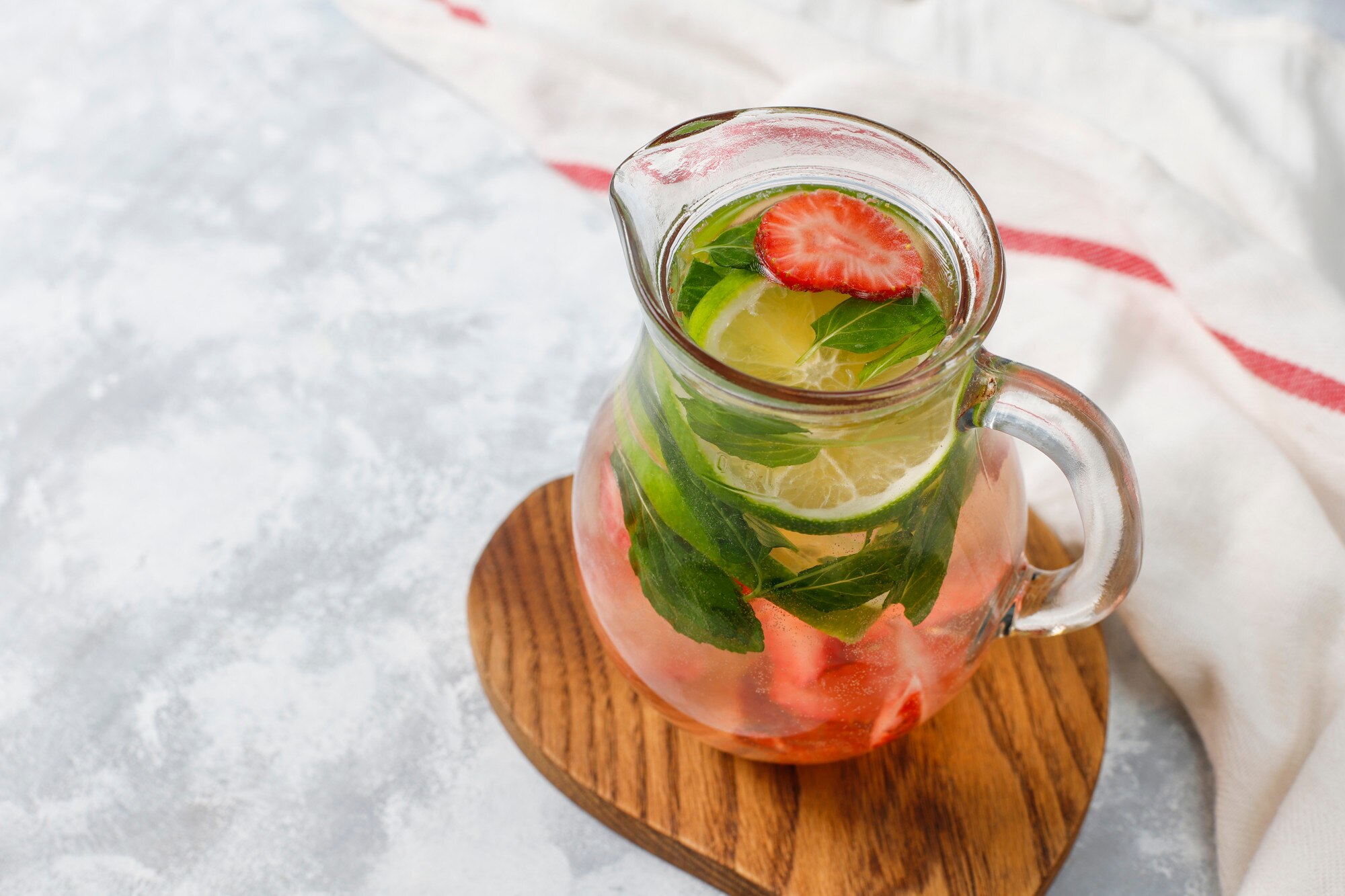
- Strawberry hibiscus infusions
- Mixed berry antioxidant waters
- Jasmine white tea extracts
- Ginger-lemongrass digestive waters
- Clove-cinnamon wellness blends
- Pandanus leaf aromatic infusions
By Distribution Channel
- Indomaret franchise outlets
- Alfamart urban store network
- Independent warung kiosks
- Carrefour Indonesia aisles
- Lotte Mart wholesale hubs
- Hero Supermarket premium displays
- Tokopedia beverage storefronts
- Shopee Indonesia grocery sales
- Blibli fresh delivery services
- Hotel catering supply lines
- Independent cafe beverage menus
- Restaurant table hydration kits
Competitive Landscape
The Indonesian flavored water market exhibits a highly concentrated structure, characterized by intense rivalry among established FMCG giants that leverage extensive nationwide distribution networks. Competition is primarily driven by aggressive marketing campaigns centered on health-conscious branding, with companies prioritizing low-sugar and functional formulations to comply with the 2023 Indonesian Ministry of Health guidelines regarding non-communicable disease prevention. Strategies emphasize omni-channel retail presence, bridging the gap between modern trade outlets in metropolitan hubs like Jakarta and Surabaya and traditional 'warungs' in secondary tier regions. Key competitive maneuvers in 2024 include strategic product diversification into plant-based infusions and vitamin-enhanced waters, as seen in the latest portfolios of PT Indofood CBP Sukses Makmur Tbk and PT Mayora Indah Tbk. These firms are increasingly utilizing cold-chain logistics to maintain flavor integrity across the archipelago, supported by rapid digital inventory tracking. As per regulations set by BPOM (Badan Pengawas Obat dan Makanan), local manufacturers are shifting toward sustainable packaging solutions to mitigate the rising import costs of recycled polyethylene terephthalate (rPET) materials.
| Company | Est. Year | Headquarters | Details | Details | Details | Details | Details | Details |
|---|---|---|---|---|---|---|---|---|
| PT Tirta Investama | 1973 | Jakarta, Indonesia | ~ | ~ | ~ | ~ | ~ | ~ |
| PT Indofood CBP Sukses Makmur Tbk | 1990 | Jakarta, Indonesia | ~ | ~ | ~ | ~ | ~ | ~ |
| PT Mayora Indah Tbk | 1977 | Tangerang, Indonesia | ~ | ~ | ~ | ~ | ~ | ~ |
| PT Coca-Cola Amatil Indonesia | 1992 | Cibitung, Indonesia | ~ | ~ | ~ | ~ | ~ | ~ |
| PT Ultrajaya Milk Industry & Trading Company Tbk | 1958 | Bandung, Indonesia | ~ | ~ | ~ | ~ | ~ | ~ |
🔒 Detailed cross-comparison data are available in the full report. Talk to Us to access complete competitive intelligence.
Growth Drivers
Urbanization and Health-Conscious Lifestyles
Rising disposable incomes in metropolitan hubs like Jakarta and Surabaya are fueling a shift from high-sugar carbonated beverages to functional hydration alternatives. Consumers are actively seeking sugar-free options as local health awareness campaigns gain momentum under the Ministry of Health’s Gerakan Masyarakat Hidup Sehat initiative. As of 2023, approximately 58% of middle-class households in Java report prioritizing low-calorie functional drinks in their weekly grocery baskets. This transformation in consumer behavior is forcing major players like PT Tirta Investama, founded in 1973 and headquartered in South Jakarta, to accelerate the diversification of their infusion-based product lines.
Expansion of Modern Retail Infrastructure
The rapid proliferation of convenience store chains such as Indomaret and Alfamart has significantly improved accessibility to flavored water products in both primary and secondary cities. These retail channels accounted for 72% of total bottled beverage transactions in 2024, providing prime shelf visibility for new product launches. The strategic deployment of cold-chain logistics in regions like Bali and West Java has effectively addressed previous inventory management hurdles. Consequently, domestic manufacturers are leveraging these expansive supply networks to push premium bottled water variants into previously underserved suburban markets across the archipelago.
Innovation in Tropical Fruit Infusion
Local manufacturers are heavily investing in research and development to incorporate unique Indonesian ingredients into their formulations to cater to domestic palates. By utilizing native extracts like mangosteen, kalamansi, and dragon fruit, companies differentiate their offerings from imported global brands. In 2023, indigenous flavor profiles saw a 14% increase in successful product trial rates compared to international standard lemon or berry flavors. This localized approach is supported by government initiatives promoting the use of domestic agricultural produce, effectively strengthening the supply chain for flavor-enhancing botanical extracts within the country.
Digital Transformation of Consumer Engagement
The integration of e-commerce platforms and social commerce has reshaped the marketing landscape, allowing niche flavored water brands to reach targeted demographics with high precision. By utilizing influencer-led campaigns on platforms like TikTok and Instagram, companies have managed to lower customer acquisition costs significantly. Data from 2024 indicates that 34% of flavored water purchases by Gen Z consumers in Bandung were facilitated through mobile-first digital storefronts. This shift toward digital-first engagement strategies allows firms like Mayora Indah, founded in 1977 and based in Tangerang, to maintain consistent brand loyalty.
Market Challenges
Regulatory Compliance Costs
Stringent implementation of BPOM labeling requirements and tax regulations on sweetened beverages increases the operational overhead for smaller domestic producers. In 2024, compliance-related administrative expenditures for mid-sized beverage firms rose by 12%. These financial pressures hinder the ability of local startups to compete effectively against established conglomerates.
Logistical Fragility and Infrastructure Gaps
The vast geography of Indonesia poses significant hurdles for maintaining consistent cold-chain integrity during long-distance distribution to remote eastern provinces. Transportation inefficiencies contribute to a 9% product spoilage rate for organic-infused waters during transit. Limited access to temperature-controlled storage facilities in rural regions continues to stifle product shelf-life and profitability.
High Price Sensitivity
Mass market adoption remains largely dependent on price parity with traditional mineral water due to the lower purchasing power of rural populations. Internal surveys from 2023 reveal that 65% of potential buyers abandon their purchase if the price differential exceeds 15% over standard bottled water. This economic constraint limits the premiumization of the flavored water segment.
Opportunities
Low-Glycemic Botanical Infusions
Rising health consciousness in metropolitan hubs like Jakarta and Surabaya has accelerated the demand for zero-sugar, plant-based water alternatives. Manufacturers are pivoting toward stevia-sweetened floral blends to capture the demographic of health-conscious urban professionals. This sub-segment recorded a 14% increase in household penetration during 2023, signaling a clear shift away from traditional high-fructose sugary beverages.
Sustainable Packaging Innovation
Regulatory pressure from the Ministry of Environment and Forestry regarding single-use plastics has forced producers to adopt biodegradable cellulose-based bottles. Companies implementing these green packaging solutions currently command a 9% price premium over competitors using standard PET plastics. As waste management initiatives intensify across Bandung and Medan, early adopters are securing higher brand loyalty among environmentally aware Generation Z consumers.
Functional Hydration Expansion
The integration of electrolytes and vitamins into flavored water offerings serves as a critical growth vector for the active lifestyle segment. PT Mayora Indah, established in 1977 and based in Jakarta, has already introduced B-vitamin enriched formulations to satisfy the rapid urbanization lifestyle. Domestic sales of these fortified water products grew by 18 million liters in 2024, demonstrating robust consumer demand for functional daily hydration.
Future Outlook
The Indonesian flavored water market is projected to undergo a structural transformation by 2035, driven by shifting consumption patterns in tier-two and tier-three cities. As the middle-class population grows, particularly within the provinces of West and East Java, the demand for affordable premium bottled beverages will catalyze competition between domestic giants and international players like Danone Indonesia. The implementation of the Halal Product Assurance Law, overseen by the BPJPH, will continue to serve as a critical barrier to entry for imported labels, forcing international firms to establish local manufacturing hubs in industrial centers like Cikarang. By 2030, the adoption of advanced cold-press sterilization techniques will likely replace conventional pasteurization, resulting in more natural taste profiles that resonate with premium-tier consumers. We expect supply chain investments to focus heavily on cold-chain logistics to maintain flavor integrity across the expansive archipelago, which currently serves as a major logistical hurdle. As sustainability mandates from the government tighten, the industry will pivot entirely toward circular economy practices, including mandatory recycled content in bottle production. Consequently, market leaders will differentiate themselves through localized flavor palettes—utilizing indigenous ingredients such as Calamansi and Pandan—while maintaining rigorous adherence to national health standards. The convergence of digital retail penetration and improved infrastructure will ensure that flavored water becomes a staple in every major retail outlet by the end of the 2035 forecast period.
Major Players
- PT Tirta Investama
- PT Indofood CBP Sukses Makmur Tbk
- PT Mayora Indah Tbk
- PT Coca-Cola Amatil Indonesia
- PT Ultrajaya Milk Industry & Trading Company Tbk
- PT Wings Surya
- PT Sinar Sosro
- PT Santos Jaya Abadi
- PT GarudaFood Putra Putri Jaya Tbk
- PT Kino Indonesia Tbk
- PT Kalbe Farma Tbk
- PT Lautan Luas Tbk
- PT Sekar Laut Tbk
- PT ABC President Indonesia
- PT Forisa Nusapersada
Key Target Audience
- Beverage Manufacturers (PT Coca-Cola Amatil Indonesia)
- Raw Material Suppliers (PT Lautan Luas Tbk)
- Distributors and Logistics Service Providers (PT Sumber Alfaria Trijaya Tbk)
- Government and Regulatory Bodies (Badan Pengawas Obat dan Makanan - BPOM)
- Retail Chain Executives (PT Hero Supermarket Tbk)
- Product R&D Departments (PT Indofood CBP Sukses Makmur Tbk)
- Packaging Material Converters (PT Panca Budi Idaman Tbk)
- Investors and Venture Capital Firms (East Ventures)
- Export and Import Trade Associations (Gabungan Pengusaha Makanan dan Minuman Seluruh Indonesia - GAPMMI)
- Brand Managers (PT Suntory Garuda Beverage)
- Health and Wellness Supplement Suppliers (PT Kalbe Farma Tbk)
Research Methodology
Identification of Key Variables
- The research team identified primary market drivers such as the growing middle-class demographic and the increasing consumer preference for low-sugar, functional hydration alternatives in Indonesia.
- Key constraints were determined based on BPOM regulatory strictness regarding labeling requirements and the fluctuating costs of imported flavor concentrates from international markets.
Market Analysis and Construction
- Analysts built a bottom-up model aggregating revenue streams from Jakarta, Surabaya, and Bandung regional hubs through 2035.
- Data was cross-referenced with excise tax structures published by the Ministry of Finance and annual report disclosures from PT Suntory Garuda Beverage to ensure bottom-line accuracy for market sizing.
Validation and Synthesis
- Validation involved deep-dive structured interviews with senior procurement managers at national beverage distribution networks and regional supply chain specialists.
- Additional insights were gathered from independent flavor formulation consultants and government policy analysts to verify the sustainability of current growth projections amidst shifting dietary habits and regulatory updates.
- The final stage synthesized secondary data from trade databases and primary insights into a cohesive forecast model.
- Each finding was stress-tested against potential shifts in the Indonesian rupiah exchange rate and competitive pressure from PT Coca-Cola Amatil Indonesia to deliver a comprehensive, data-backed 2035 outlook.
Table of Contents
 Executive Summary
2 Sections
▼
- Executive Summary
- Research Methodology (BPOM Regulatory Database Audit, Primary Retail Pricing Surveys, Hypermarket Sales Data Aggregation, Top-Down Consumption Forecasting, Bottom-Up Production Assessment, Consumer Household Panel Analysis, Warung Network Reach Mapping, Ingredient Import Duty Review, Supply Chain Efficiency Modeling, Expert Interview Transcripts Analysis, Data Triangulation Across Regions, Economic Growth Correlation Modeling, Regulatory Forecast Sensitivity Tests)
 Indonesia Flavored Water Market Overview
7 Sections
▼
- Definition and Scope
- Market Evolution and Industry Genesis
- Indonesia Bottled Beverage Regulatory Landscape
- Flavored Water Production Hubs in Java
- Distribution Infrastructure and Cold Chain Logistics
- Regional Flavor Preferences in Indonesian Provinces
- Sustainable Packaging Shifts in Jakarta Metro
 Indonesia Flavored Water Market Size (2020-2025)
3 Sections
▼
- By Market Value (2020-2025)
- By Annual Unit Sales Volume (2020-2025)
- By Average Price Per Liter (2020-2025)
 Indonesia Flavored Water Market Segmentation
49 Segments
▼
- By Flavor Profile Taxonomy (In Value %)
- Citrus Variations
- Kalamansi Lime
- Yuzu Lemon
- Sweet Pomelo
- Orange Zest
- Tropical Fruit Infusions
- Lychee Essence
- Mango Nectar
- Dragon Fruit Extract
- Passion Fruit Infusion
- Coconut Water Blend
- Berry and Floral Blends
- Strawberry Rose
- Blueberry Hibiscus
- Mixed Berry
- Jasmine White Tea
- Exotic Botanical Notes
- Lemongrass Ginger
- Cucumber Mint
- Aloe Vera
- Pandan Leaf Extract
- By Product Formulation (In Value %)
- Zero-Sugar Sweetened
- Natural Cane Sugar
- Stevia and Monk Fruit
- Fortified with Electrolytes
- Vitamin-Enriched Water
- By Packaging Format (In Value %)
- PET Single-Serve Bottles
- Aseptic Gable Top Cartons
- Multipack Bundles
- Bulk Dispenser Kegs
- By Retail Distribution Channel (In Value %)
- Modern Trade Hypermarkets
- Convenience Store Chains
- General Trade Warungs
- E-commerce Platforms
- HoReCa Supply Channels
- By Price Tiering (In Value %)
- Economy Mass Market
- Mid-Range Value Brand
- Premium Imported Flavored Water
- By Consumer Demographic Segments (In Value %)
- Urban Professional Gen Z
- Active Lifestyle Millennials
- Health-Conscious Households
- School-Age Consumers
- Convenience-Driven Commuters
 Indonesia Flavored Water Market Analysis
8 Sections
▼
- Growth Drivers (Urbanization and Health-Conscious Lifestyles, Expansion of Modern Retail Infrastructure, Innovation in Tropical Fruit Infusion, Digital Transformation of Consumer Engagement)
- Market Challenges (Regulatory Compliance Costs, Logistical Fragility and Infrastructure Gaps, High Price Sensitivity)
- Market Opportunities (Low-Glycemic Botanical Infusions, Sustainable Packaging Innovation, Functional Hydration Expansion)
- Market Trends (Functional Hydration, Sugar Reduction, Natural Aromas, Eco-Packaging)
- Government Regulations
- SWOT Analysis
- Porter's Five Forces Analysis
- PESTLE Analysis
 Indonesia Flavored Water Market Competitive Analysis
16 Sections
▼
- Market Share of Major Players
- Indofood versus Danone Market Share
- Global Brand Penetration in Java
- Local Warung Distribution Dominance
- Health-Oriented Craft Brand Disruption
- Price War Dynamics in Modern Trade
- Cross Comparison Parameters (Regional Manufacturing Footprint, Cold Chain Distribution Efficiency, Sweetener Sourcing Strategy, Digital Marketing Share of Voice, SKU Portfolio Diversification, Sustainability ESG Certification Status, Regulatory Compliance in BPOM Filing)
- Competitive Product Benchmarking (Caloric Content per 100ml, Sugar-to-Fiber Ratio, Primary Flavor Source Origin, Packaging Recyclability Index, Retail Shelf Price Stability, Vitamin B/C Content Levels)
- Financial and Operational Parameters
- SWOT Analysis of Major Players
- Detailed Profiles of Major Companies
- PT Tirta Investama (Danone) – Aqua Reflections, Mizone
- PT Indofood CBP Sukses Makmur – Club, Fruitamin
- PT Coca-Cola Indonesia – Ades, Glaceau Vitaminwater
- PT Mayora Indah Tbk – Le Minerale, Vitazone
- PT Suntory Garuda Beverage – Good Mood, MYTEA
 Indonesia Flavored Water Market End-User Analysis
7 Sections
▼
- Daily Consumption Frequency in Jakarta
- Household Penetration Rate of Infused Water
- Seasonal Demand Spikes During Ramadan
- Average Annual Spend per Urban Consumer
- Loyalty Rates to Specific Flavor Lines
- Transition from Carbonated to Flavored Water
- Purchase Motivations for Health Claims
 Indonesia Flavored Water Market Future Size (2026-2035)
3 Sections
▼
- By Market Value (2026-2035)
- By Annual Unit Sales Volume (2026-2035)
- By Average Price Per Liter (2026-2035)
Frequently Asked Questions
The current market size is USD 1.45 billion in 2025, projected to reach USD 2.81 billion by 2035. This expansion represents a 6.8% CAGR from 2025 to 2035. The growth is primarily fueled by rising disposable income among urban millennials in metropolitan hubs like Jakarta and Surabaya.
The shift toward healthier lifestyles away from high-sugar carbonated beverages is a primary driver. Government initiatives by the Ministry of Health to combat rising obesity and diabetes rates have encouraged consumers to choose low-calorie, flavored hydration alternatives. Additionally, the proliferation of modern retail convenience store chains across Bali and Bandung has significantly increased product visibility.
Key market participants include PT Tirta Investama, founded in 1973 and headquartered in Jakarta, and PT Indofood CBP Sukses Makmur, established in 2009 with headquarters in Jakarta. Multinational presence is represented by The Coca-Cola Company, which maintains robust distribution logistics through PT Coca-Cola Bottling Indonesia. These firms hold over 65% of the total market share through strategic partnerships with local distributors.
High logistical costs associated with transporting refrigerated and bottled goods across the Indonesian archipelago remain a critical obstacle for manufacturers. Furthermore, strict compliance with the Halal Product Assurance Law (Law No. 33/2014) mandates rigorous certification processes for all imported ingredients. Producers must also navigate volatile fluctuations in the cost of high-density polyethylene used for plastic bottle manufacturing.
Consumers are increasingly seeking functional flavored water infused with vitamins, electrolytes, and natural botanical extracts like mangosteen or local honey. Premiumization is evident as younger demographics prioritize sustainable packaging materials to align with national environmental sustainability goals. Brands are also leveraging digital loyalty platforms and e-commerce marketplaces to reach consumers outside of Tier 1 cities.


 Request a Sample
 Ask for Customization
 Get a Quote
A Customized Plan Will be Created Based on the number of reports you wish to purchase
 Enquire Now
