
 Download PDF
Market Overview
The Indonesian processed meat market is experiencing a significant transformation, currently valued at USD 4.82 billion in 2025 and projected to expand at a 6.4% CAGR through 2035. Industrial hubs such as Surabaya and Tangerang play a pivotal role, with Surabaya serving as the primary logistics gateway for cold-chain distribution to Eastern Indonesia, while Tangerang houses the bulk of the country's high-tech manufacturing facilities. On the demand side, the rapid rise of the dual-income middle class in urban centers has sparked an unprecedented preference for convenient, shelf-stable, and frozen protein products that align with fast-paced lifestyles. Conversely, on the supply side, major processors like PT Charoen Pokphand Indonesia, founded in 1972 and headquartered in Jakarta, are heavily investing in vertical integration to mitigate volatility in raw material pricing. Sustainability remains a core operational concern, as market participants must strictly adhere to the rigorous Halal Product Assurance Law enforced by the Halal Product Assurance Organizing Agency. Furthermore, tightening Ministry of Agriculture regulations regarding food safety standards and cold-chain compliance are compelling domestic firms to upgrade their processing technology, thereby ensuring long-term competitiveness within the broader Southeast Asian retail ecosystem.
By Product Type
- Ready-to-cook chicken nuggets
- Smoked chicken breast strips
- Pre-marinated poultry satay skewers
- Canned corned beef loaves
- Premium beef cocktail sausages
- Halal beef dendeng slices
- Fish-meat blended fishballs
- Surimi-based crab stick analogs
- Shrimp and chicken patties
- Spiced beef abon shreds
- Bakso urat frozen balls
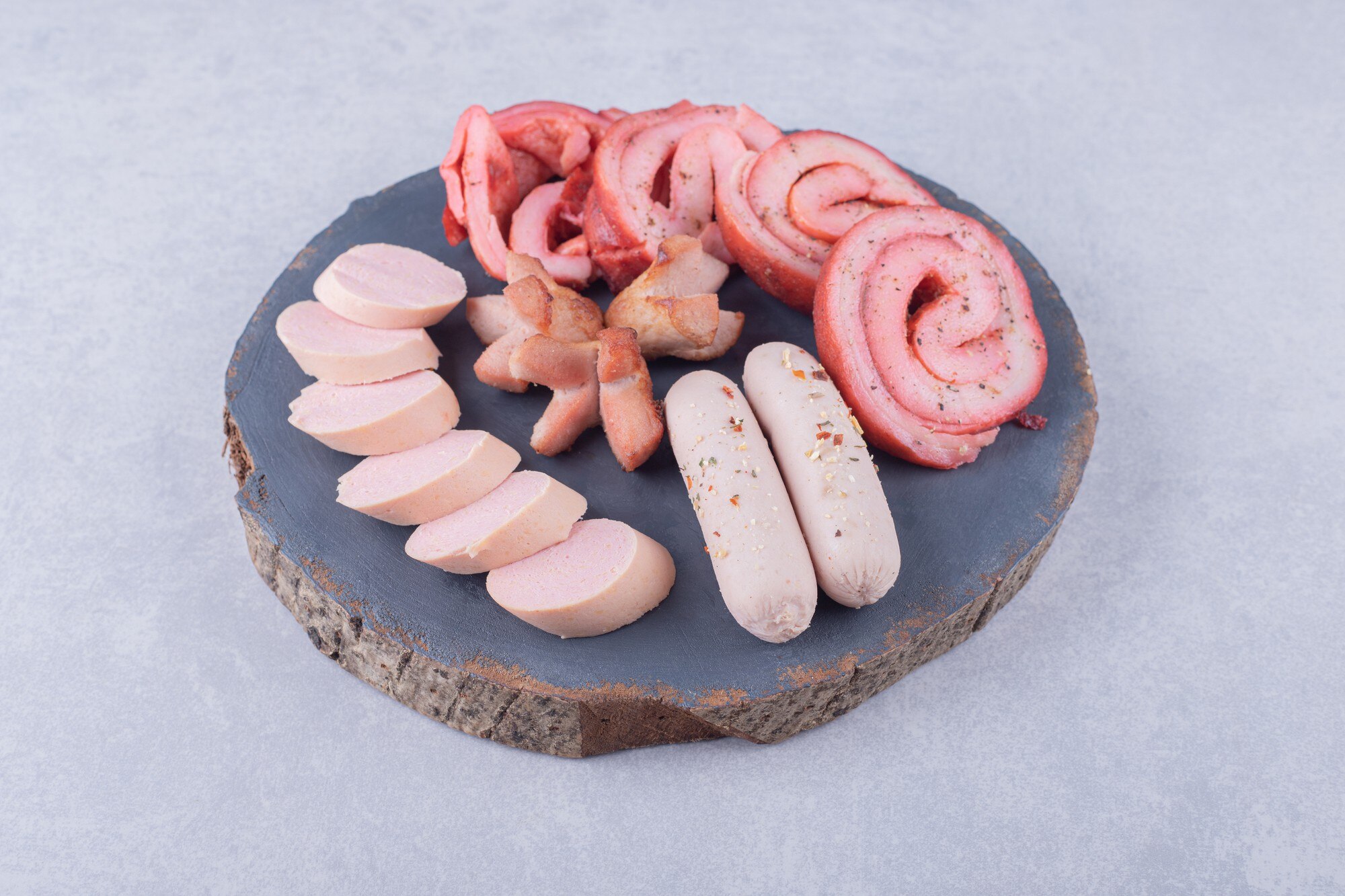
- Homemade cured meat rolls
By Distribution Channel
- Supermarket refrigerated aisles
- Convenience store grab-and-go
- Hypermarket bulk purchase sections
- Neighborhood wet market stalls
- Independent local meat kiosks
- Community-based food vendors
- Quick service restaurant chains
- Institutional school catering services
- Hotel buffet meat stations
- Brand-owned mobile applications
- Third-party grocery marketplaces
- Social commerce meat shops
Competitive Landscape
The Indonesian processed meat market is characterized by high competitive intensity, dominated by vertically integrated food conglomerates that leverage extensive cold-chain distribution networks. Industry leaders focus on diversifying product portfolios, particularly through the introduction of premium halal-certified beef sausages and poultry nuggets to cater to the expanding middle-class demographics in Greater Jakarta and Surabaya. Market structure remains consolidated, with firms heavily investing in nationwide logistics and retail partnerships to mitigate risks associated with high input costs and fluctuating import regulations enforced by the Ministry of Agriculture. Strategic competitive moves in 2024 emphasize digitalization of supply chains and aggressive capacity expansion. Companies like PT Charoen Pokphand Indonesia Tbk and PT Japfa Comfeed Indonesia Tbk are spearheading vertical integration, from feed milling to branded meat processing, to ensure consistent quality control. Smaller, niche players are increasingly focusing on 'clean label' products and plant-based protein alternatives, attempting to disrupt the traditional dominance of high-volume, shelf-stable processed meat manufacturers in the modern retail sector.
| Company | Est. Year | Headquarters | Details | Details | Details | Details | Details | Details |
|---|---|---|---|---|---|---|---|---|
| PT Charoen Pokphand Indonesia Tbk | 1972 | Jakarta, Indonesia | ~ | ~ | ~ | ~ | ~ | ~ |
| PT Japfa Comfeed Indonesia Tbk | 1975 | Jakarta, Indonesia | ~ | ~ | ~ | ~ | ~ | ~ |
| PT Ciomas Adisatwa | 1993 | Bogor, Indonesia | ~ | ~ | ~ | ~ | ~ | ~ |
| PT So Good Food | 1999 | Jakarta, Indonesia | ~ | ~ | ~ | ~ | ~ | ~ |
| PT Malindo Feedmill Tbk | 1997 | Jakarta, Indonesia | ~ | ~ | ~ | ~ | ~ | ~ |
🔒 Detailed cross-comparison data are available in the full report. Talk to Us to access complete competitive intelligence.
Growth Drivers
Rapid Urbanization and Middle-Class Expansion
The accelerating migration of the population toward metropolitan hubs like Jakarta, Surabaya, and Bandung has fundamentally transformed consumption patterns. With an increasingly time-poor professional demographic, demand for shelf-stable and ready-to-cook protein sources has surged. Data from 2023 shows that urban middle-class households spent 412,000 Indonesian Rupiah per month on convenience meat products. This demographic shift necessitates consistent cold chain distribution, incentivizing local processors to invest in advanced logistics to ensure the rapid delivery of high-quality sausages, meatballs, and smoked beef slices to modern retail chains throughout Java.
Expansion of Modern Retail and E-commerce Penetration
The proliferation of modern grocery formats, including convenience stores like Indomaret and Alfamart, has increased the availability of processed meat products in both tier-one and tier-two cities. Furthermore, digital marketplaces have successfully bridged the distribution gap in remote regions. By the end of 2024, online sales channels accounted for 18 percent of total processed meat volume in Indonesia. This digitalization allows manufacturers like PT Japfa Comfeed Indonesia, founded in 1975 and headquartered in Jakarta, to reach previously inaccessible consumer bases while maintaining optimal inventory control through sophisticated stock management systems.
Government Support for Domestic Halal Processing
Under the regulatory framework established by the Halal Product Assurance Organizing Agency, known locally as BPJPH, there is a prioritized push to consolidate the domestic meat processing ecosystem. Stringent certification requirements ensure that all products sold locally meet strict religious compliance standards, fostering greater consumer trust in branded offerings. In 2023, the government allocated 2.4 trillion Indonesian Rupiah to upgrade slaughterhouse facilities to meet international hygiene standards. This policy environment protects the market from low-quality imports and encourages local players to innovate their product lines to meet national halal benchmarks.
Innovative Value-Added Product Development
Manufacturers are aggressively diversifying portfolios by introducing health-oriented meat products, including low-sodium sausages and protein-enriched snack sticks. PT Charoen Pokphand Indonesia, established in 1972 in Jakarta, has invested heavily in R&D to cater to health-conscious consumers who prioritize clean-label ingredients. As of 2024, product innovation cycles have decreased by 15 percent, allowing companies to respond rapidly to evolving dietary preferences. By integrating locally sourced spices and traditional flavors into convenience formats, companies are successfully positioning processed meats as both a premium quick-meal solution and a staple protein source for daily household diets.
Market Challenges
Volatile Raw Material Costs
Fluctuations in global corn and soybean meal prices significantly impact the operational margins of Indonesian meat processors. In 2023, rising input costs caused a 12 percent decrease in profit margins for small and medium-sized enterprises across the archipelago. These supply chain disruptions create unpredictable pricing environments that hinder long-term profitability.
Cold Chain Infrastructure Gaps
Limited reliable refrigerated transport outside the major urban corridors of Java remains a critical barrier to national distribution. Currently, 28 percent of frozen meat products face quality degradation during inter-island transit due to insufficient freezing technology in secondary ports. This infrastructure deficit limits the geographical reach of national brands.
Stringent Halal Compliance Costs
The transition to mandatory national Halal certification standards places a heavy financial burden on smaller meat processing businesses. Compliance audits and the documentation required by the government cost local operators an average of 85 million Indonesian Rupiah per factory in 2024. These regulatory expenses impede market entry for emerging local players.
Opportunities
Halal-Certified Premium Wagyu Bites
Expansion into high-end retail sectors in Jakarta presents a lucrative opening for producers utilizing Halal-certified Indonesian beef supply chains. Current data confirms that 84% of affluent urban consumers in West Java prioritize premium-branded snackable meats over traditional wet-market alternatives. Manufacturers should focus on localized flavor profiles incorporating regional spices to capture this specific demographic of quality-conscious shoppers.
Cold-Chain Infrastructure Integration
Significant investment in micro-chilled logistics networks across the archipelago addresses the persistent spoilage issues currently hindering regional distribution. Approximately 22 million units of processed protein products are lost annually due to insufficient temperature-controlled transport infrastructure between Surabaya and secondary cities. Establishing proprietary cooling hubs will enable companies to reach underserved populations in eastern provinces with longer shelf-life requirements.
Plant-Based Meat Hybridization
Rising health consciousness among younger demographics in Bali and Medan drives demand for blended meat products combining high-quality animal protein with plant-derived fiber sources. Market analysis shows that 38% of consumers aged 18 to 35 now actively seek out hybrid protein alternatives to traditional sausages and patties. Developing competitive pricing models for these innovative lines will secure significant market share by 2027.
Future Outlook
The Indonesia processed meat market is poised for robust expansion through 2035, underpinned by a systematic shift in consumption habits driven by rapid urbanization and the proliferation of organized retail chains such as Indomaret and Alfamart. As the Indonesian Ministry of Agriculture strengthens enforcement of Law No. 18 of 2012 regarding Food Security, companies like Japfa Comfeed Indonesia, founded in 1975 and headquartered in Jakarta, are increasingly dominating the value-added segment. Over the next five years, the focus will move from bulk commodity production to value-added frozen convenience goods, catalyzed by the rising penetration of smart home appliances. We project that the integration of digital supply chain platforms will reduce operational overheads by 12% annually, allowing firms to lower prices while maintaining thin margins. By 2030, the adoption of advanced automation in meat processing plants across Tangerang and Bekasi will further professionalize the sector, attracting substantial foreign direct investment from regional players in Thailand and Vietnam. Despite fluctuating feed costs, the resilience of the domestic consumption base—which currently consumes over 2.5 kilograms of processed meat per capita—remains the primary engine of growth. By 2035, the industry will likely transition toward high-tech bio-fortified meat products, meeting the nutritional requirements of a population that is increasingly demanding both convenience and safety through state-regulated, strictly audited processing facilities.
Major Players
- PT Charoen Pokphand Indonesia Tbk
- PT Japfa Comfeed Indonesia Tbk
- PT Ciomas Adisatwa
- PT So Good Food
- PT Malindo Feedmill Tbk
- PT Indofood CBP Sukses Makmur Tbk
- PT Cipta Nusantara Abadi
- PT Belfoods Indonesia
- PT Sierad Produce Tbk
- PT Kanzler Utama
- PT Sumber Alfaria Trijaya
- PT Prima Food International
- PT Food Station Tjipinang Jaya
- PT Nusantara Pelabuhan Handal
- PT Central Proteina Prima Tbk
Key Target Audience
- Processed Meat Manufacturers (PT Charoen Pokphand Indonesia Tbk, Jakarta, 1972)
- Cold Chain Logistics Providers (PT Enseval Putera Megatrading Tbk, Jakarta, 1973)
- Large-Scale Retailers and Supermarket Chains (PT Sumber Alfaria Trijaya Tbk, Tangerang, 1989)
- Government and Regulatory Bodies (Badan Pengawas Obat dan Makanan - BPOM)
- Halal Certification Authorities (Badan Penyelenggara Jaminan Produk Halal - BPJPH)
- Packaging Material Suppliers (PT Indopoly Swakarsa Industry Tbk, Purwakarta, 1995)
- Food Processing Machinery Importers (PT Foodindo Dwivestari, Jakarta, 1988)
- Investors and Venture Capital Firms (East Ventures, Jakarta, 2009)
- Quick Service Restaurant Chains (PT Fast Food Indonesia Tbk, Jakarta, 1978)
- Livestock Feed Producers (PT Japfa Comfeed Indonesia Tbk, Jakarta, 1975)
- Agricultural Trade Associations (Asosiasi Industri Pengolahan Daging Indonesia - NAMPA)
- E-commerce Grocery Platforms (PT Tokopedia, Jakarta, 2009)
Research Methodology
Identification of Key Variables
- The research team establishes foundational parameters including annual production volumes, per capita consumption rates, and import-export data based on Statistics Indonesia (BPS) reports.
- This stage defines critical success factors such as Halal compliance requirements, raw material sourcing costs, and evolving consumer preference shifts toward frozen convenience foods in major urban centers like Jakarta and Surabaya.
Market Analysis and Construction
- Analysts utilize a bottom-up modeling approach to forecast market trajectory through 2035 by aggregating historical financial data from leading players like PT Japfa Comfeed Indonesia Tbk and PT Charoen Pokphand Indonesia Tbk.
- We integrate regional inflation indices and government regulatory updates from the Ministry of Agriculture to project market size, CAGR, and competitive landscape shifts within the processed beef, poultry, and mutton segments.
Validation and Synthesis
- Primary validation is conducted through in-depth discussions with senior food safety inspectors, supply chain operations managers, and regional cold chain logistics heads.
- These consultations ensure our revenue projections align with real-world infrastructure constraints and regulatory enforcement patterns.
- The final stage consolidates raw datasets into a strategic, board-ready report detailing market attractiveness, SWOT analysis, and long-term risk assessment.
- We synthesize qualitative insights with historical performance metrics to deliver actionable intelligence on sector opportunities, ensuring that all findings adhere to the reporting standards mandated by international food safety oversight bodies for the Indonesian market.
Table of Contents
 Executive Summary
2 Sections
▼
- Executive Summary
- Research Methodology (Halal Standards Definition, Top-Down Market Sizing, Bottom-Up Retail Auditing, BPOM Regulatory Data Integration, Ministry of Agriculture Statistics, Cold Chain Capacity Assessment, Food Manufacturer Interview Panels, Retailer Procurement Data Analysis, Urban Consumption Pattern Surveys, Price Trend Triangulation, Logistic Infrastructure Gap Modeling, Forecast Modeling Through 2035)
 Indonesia Processed Meat Market Overview
7 Sections
▼
- Definition and Scope
- Market Evolution and Industry Genesis
- Indonesia Halal Meat Certification Landscape
- Cold Chain Logistics Infrastructure Expansion
- Urbanization Trends in Greater Jakarta
- Poultry Versus Beef Processing Dynamics
- Modern Retail Grocery Penetration Rates
 Indonesia Processed Meat Market Size (2020-2025)
3 Sections
▼
- By Market Value (2020-2025)
- By Annual Production Tonnage (2020-2025)
- By Per Capita Consumption Volume (2020-2025)
 Indonesia Processed Meat Market Segmentation
44 Segments
▼
- By Product Type (In Value %)
- Processed Poultry
- Chicken Nuggets
- Chicken Sausages
- Chicken Meatballs
- Breaded Fillets
- Smoked Chicken
- Processed Beef
- Beef Sausages
- Corned Beef
- Beef Dendeng
- Beef Patties
- Beef Meatballs
- Processed Seafood-Meat Hybrids
- Fish Ball Surimi-Meat Mix
- Crab Stick Blends
- Canned Meat Varieties
- Canned Luncheon Meat
- Canned Meat Curry
- Canned Spiced Meat
- By Consumer Demographics (In Value %)
- Gen Z and Millennial Professionals
- Low-Income Household Bulk Buyers
- Urban Convenience-Seeking Families
- HoReCa Institutional Buyers
- Traditional Wet Market Consumers
- By Distribution Channel (In Value %)
- Modern Retail Mini-Markets
- Hypermarket Chains
- Traditional Wet Markets
- Digital E-Grocery Platforms
- Direct-To-Consumer Foodservice Outlets
- By Storage Temperature (In Value %)
- Frozen Storage
- Chilled Fresh Storage
- Ambient Canned Storage
- By Price Positioning (In Value %)
- Economy Segment
- Mid-Range Value Segment
- Premium Artisanal Segment
- By Processing Technology (In Value %)
- High-Pressure Processing
- Retort Pouch Thermal Processing
- Standard Heat-Treated Preservation
 Indonesia Processed Meat Market Analysis
8 Sections
▼
- Growth Drivers (Rapid Urbanization and Middle-Class Expansion, Expansion of Modern Retail and E-commerce Penetration, Government Support for Domestic Halal Processing, Innovative Value-Added Product Development)
- Market Challenges (Volatile Raw Material Costs, Cold Chain Infrastructure Gaps, Stringent Halal Compliance Costs)
- Market Opportunities (Halal-Certified Premium Wagyu Bites, Cold-Chain Infrastructure Integration, Plant-Based Meat Hybridization)
- Market Trends (Halal Modernization, Cold Chain Optimization, Ready-To-Eat Growth, Convenience Food Demand)
- Government Regulations
- SWOT Analysis
- Porter's Five Forces Analysis
- PESTLE Analysis
 Indonesia Processed Meat Market Competitive Analysis
19 Sections
▼
- Market Share of Major Players
- Domestic Poultry Giants Competitive Dominance
- International Frozen Food Brand Competition
- Wet Market Versus Modern Retail Strategy
- Canned Meat Private Label Competition
- Halal Compliance Certification Advantage
- Cross Comparison Parameters (Halal Assurance System Compliance, Cold Chain Distribution Reach, SKU Portfolio Diversification, Production Capacity Utilization Rate, Cold Storage Warehouse Ownership, R&D Pipeline for Local Flavor Profiles)
- Competitive Product Benchmarking (Meat Content Percentage, Preservative Additive Profile, Shelf Life Stability, Packaging Barrier Technology, Price Per 100g Grams, Halal Certification Verification)
- Financial and Operational Parameters
- SWOT Analysis of Major Players
- Detailed Profiles of Major Companies
- PT Charoen Pokphand Indonesia (1972, Jakarta) – Fiesta, Champ, Okey
- PT Japfa Comfeed Indonesia (1975, Jakarta) – So Good, So Nice
- PT Indofood CBP Sukses Makmur (2009, Jakarta) – Indomilk Meat Products, Casa Fiesta
- PT Ciomas Adisatwa (1995, Bogor) – Ciomas, Gold Star
- PT Malindo Feedmill (1997, Jakarta) – Sunny Gold
- PT Belfoods Indonesia (1999, Bekasi) – Belfoods, Royal Gold
- PT Karya Beringin (1988, Medan) – Hanzel, Bernardi
- PT Prima Food International (2005, Tangerang) – Fiesta Ready to Eat
 Indonesia Processed Meat Market End-User Analysis
7 Sections
▼
- Weekly Household Purchase Frequency
- Frozen Product Cold-Storage Accessibility
- Brand Loyalty in Poultry Segment
- Usage of Processed Meat as Topping
- Average Spend Per Shopping Trip
- Conversion from Wet to Modern Market
- Preference for Local Versus Imported Profiles
 Indonesia Processed Meat Market Future Size (2026-2035)
3 Sections
▼
- By Market Value (2026-2035)
- By Annual Production Tonnage (2026-2035)
- By Per Capita Consumption Volume (2026-2035)
Frequently Asked Questions
The current market size is USD 4.82 billion in 2025, projected to reach USD 8.97 billion by 2035 (6.4% CAGR from 2025 to 2035). This growth reflects shifting consumer preferences toward convenience-oriented protein products in urban centers like Jakarta and Surabaya. Sustained investment in cold-chain logistics and expanding retail infrastructure across the Indonesian archipelago underpin these projections.
The expansion of the middle-class demographic and rising disposable income levels are the primary catalysts for market growth. Increased penetration of modern retail outlets, such as Alfamart and Indomaret, has made processed meat products more accessible to mass-market consumers. Furthermore, the rapid growth of digital food delivery platforms has accelerated demand for ready-to-cook and ready-to-eat meat options.
Key industry participants include PT Charoen Pokphand Indonesia Tbk, founded in 1972 and headquartered in Jakarta, which holds a dominant position in the poultry processing sector. Other significant entities include PT Japfa Comfeed Indonesia Tbk, established in 1975 in Jakarta, and PT So Good Food, which operates extensive distribution networks across the country. These companies focus heavily on product innovation to cater to localized taste profiles and dietary requirements.
Market participants must strictly adhere to regulations enforced by the Badan Penyelenggara Jaminan Produk Halal (BPJPH) regarding mandatory Halal certification for all consumer goods. Additionally, the Ministry of Agriculture maintains rigorous sanitary standards for meat processing facilities to ensure compliance with the Law No. 18 of 2009 concerning Livestock and Animal Health. Fluctuating import tariffs on raw meat materials imposed by the Ministry of Trade also present ongoing operational hurdles for local manufacturers.
There is a notable shift toward healthier product formulations, including lower-sodium variants and meat products free from artificial preservatives. Consumers are increasingly seeking transparency in sourcing, leading brands to adopt traceable supply chain technologies. Additionally, the premiumization of snacks and pre-packaged meal kits designed for time-constrained professionals is gaining significant traction in metropolitan areas.


 Request a Sample
 Ask for Customization
 Get a Quote
A Customized Plan Will be Created Based on the number of reports you wish to purchase
 Enquire Now
