

 Download PDF
 Download PDF
Market Overview
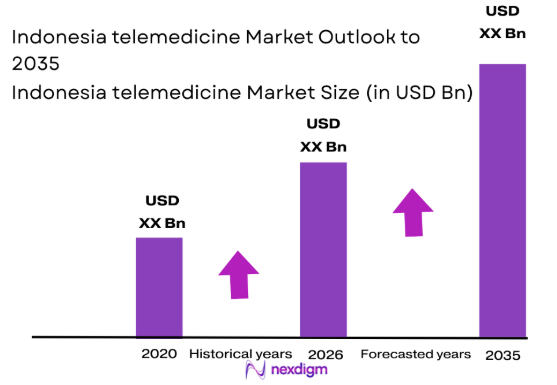
The Indonesia telemedicine market is experiencing substantial growth, with a market size valued at USD ~ billion. This growth is driven by factors such as rising healthcare demands, technological advancements in telecommunication, and government initiatives to increase access to healthcare, particularly in remote regions. The government’s regulatory support, including reimbursement policies for telehealth consultations, has further fueled adoption. Additionally, an increasing smartphone penetration and the adoption of mobile healthcare applications are major contributors to the market expansion.
The dominant cities driving the growth of telemedicine in Indonesia are Jakarta, Surabaya, and Bali, with Jakarta standing as the primary hub due to its advanced healthcare infrastructure and higher internet connectivity. These cities benefit from greater access to healthcare professionals and a more widespread acceptance of digital health solutions. The rapid urbanization and rising middle-class income in these areas have led to a greater adoption of telemedicine services, especially for consultations, diagnostics, and follow-up care.
Market Segmentation
By System Type
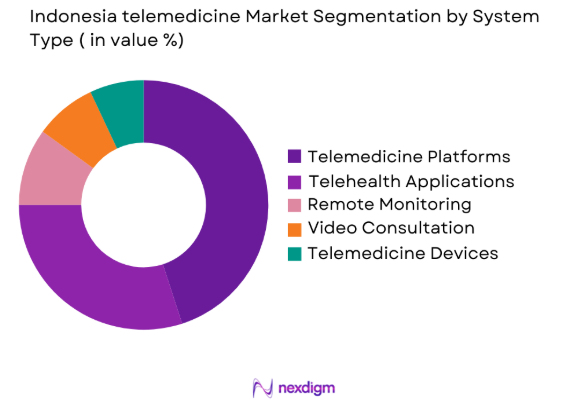
The Indonesian telemedicine market is segmented by system type into telemedicine platforms, telehealth applications, remote monitoring solutions, video consultation systems, and telemedicine devices. Telemedicine platforms dominate the market due to increasing demand for accessible healthcare services, ease of use, and integration with mobile devices. This system allows for remote consultations, diagnostics, and continuous monitoring, all vital to addressing the country’s healthcare challenges. With high smartphone penetration and widespread internet access, the demand for these platforms is expected to continue to grow.
By Platform Type
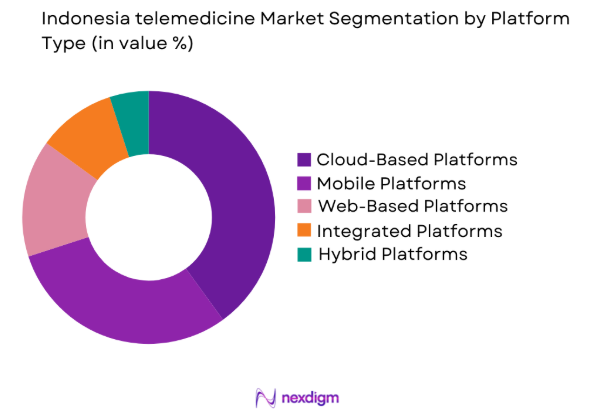
The market is segmented by platform type into mobile platforms, web-based platforms, cloud-based platforms, hybrid platforms, and integrated platforms. Cloud-based platforms lead the market due to their scalability, data security, and cost-effectiveness. They offer healthcare providers the ability to store and manage large volumes of patient data while ensuring easy access and seamless integration with various healthcare applications. The growing adoption of cloud infrastructure by healthcare providers makes it the most dominant platform type in the market.
Competitive Landscape
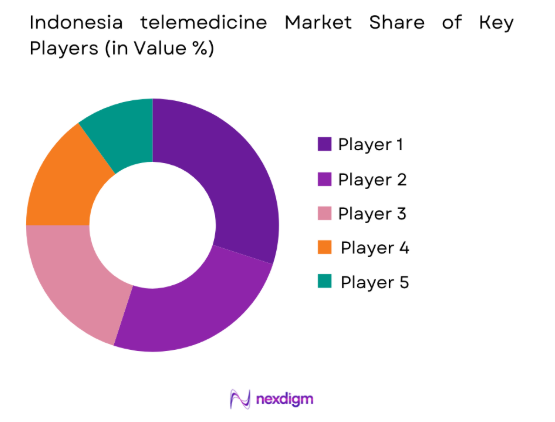
The competitive landscape of the Indonesian telemedicine market is characterized by strong consolidation, with major players expanding their portfolios and service offerings to cater to the increasing demand for remote healthcare. Companies are focusing on developing AI-powered solutions, enhancing data security, and integrating telemedicine with other healthcare platforms. The market is dominated by both local players and global companies that are establishing partnerships to expand their presence in Indonesia’s growing healthcare market.
| Company Name | Establishment Year | Headquarters | Technology Focus | Market Reach | Key Products | Revenue | Additional Parameter |
| Telkom Healthcare | 2009 | Jakarta, Indonesia | ~ | ~ | ~ | ~ | ~ |
| Halodoc | 2016 | Jakarta, Indonesia | ~ | ~ | ~ | ~ | ~ |
| Alodokter | 2014 | Jakarta, Indonesia | ~ | ~ | ~ | ~ | ~ |
| Medico | 2017 | Bali, Indonesia | ~ | ~ | ~ | ~ | ~ |
| Rencanamu | 2018 | Jakarta, Indonesia | ~ | ~ | ~ | ~ | ~ |
Indonesia telemedicine Market Analysis
Growth Drivers
Technological Advancements in Telemedicine
Telemedicine growth in Indonesia is driven by the rapid development and implementation of advanced technologies such as Artificial Intelligence (AI), Internet of Things (IoT), and data analytics. These technologies are enabling telemedicine platforms to offer real-time consultations, remote diagnostics, and continuous patient monitoring with higher accuracy and efficiency. The integration of AI-powered diagnostics helps healthcare providers to provide more personalized care. With the widespread availability of mobile devices and internet infrastructure in urban and rural regions, the demand for telemedicine services is rising, offering patients the convenience of healthcare at their fingertips. As AI continues to evolve and mobile health apps become more integrated with telemedicine platforms, growth is expected to continue.
Government Support for Healthcare Digitalization
The Indonesian government has increasingly supported telemedicine as part of its broader digital health strategy. Policies and regulations have been put in place to ensure the growth of telemedicine, including the integration of telemedicine services with the national healthcare infrastructure. The government has also launched initiatives to provide telemedicine services to underserved regions, including rural and remote areas. These efforts have improved healthcare accessibility, especially in areas with a shortage of healthcare professionals, and have enabled greater healthcare service delivery without geographic restrictions. With the government’s continued focus on strengthening healthcare infrastructure through digital solutions, telemedicine adoption will continue to accelerate.
Market Challenges
Regulatory and Compliance Challenges
A major challenge for the Indonesian telemedicine market is the fragmented and evolving regulatory landscape. While the government has implemented measures to support telemedicine, varying regulatory frameworks across regions and sectors create inconsistencies that complicate technology adoption. Healthcare providers struggle to ensure compliance with national regulations, including those related to patient privacy, data protection, and reimbursement policies for telemedicine services. These regulatory uncertainties add significant time and costs to the market entry process, delaying the widespread implementation of telemedicine solutions. As a result, healthcare providers face difficulties in navigating the regulatory environment, which slows down market growth and hinders the seamless integration of telemedicine into Indonesia’s healthcare system.
High Infrastructure Costs
The high infrastructure costs associated with implementing telemedicine platforms remain a significant barrier to market entry. Healthcare providers are required to invest heavily in upgrading technology infrastructure, including software, hardware, and secure data storage systems. This can be a major challenge, particularly for smaller healthcare providers and rural clinics that often face financial constraints. While the government is actively supporting digital health initiatives, the initial capital required for telemedicine infrastructure remains a hurdle for many organizations. This financial burden limits the widespread adoption of telemedicine solutions, particularly in underserved areas, where smaller clinics may struggle to implement and maintain the necessary technology to deliver remote healthcare services effectively.
Opportunities
Expansion in Rural and Underserved Areas
The telemedicine market in Indonesia offers significant opportunities for expansion in rural and underserved areas where healthcare access remains limited. With a high concentration of healthcare facilities in major cities, rural areas often lack healthcare professionals and infrastructure. Telemedicine presents a cost-effective and efficient solution to bridge this gap. By offering online consultations, remote diagnostics, and continuous patient monitoring, telemedicine services can significantly improve healthcare access in these regions. The Indonesian government has also focused on improving telemedicine infrastructure in rural areas, encouraging both private and public investments in these regions. This growing demand for healthcare services in rural areas is expected to drive the growth of telemedicine solutions.
Partnerships with Private Tech Firms
Another opportunity in the Indonesia telemedicine market is the growing collaboration between healthcare providers and private technology firms. These partnerships enable healthcare organizations to tap into the technological expertise of companies specializing in AI, cloud computing, and data analytics. By collaborating with tech firms, telemedicine platforms can improve their offerings, enhance operational efficiency, and provide better patient care. Additionally, technology companies benefit from the expanding healthcare sector, gaining access to a rapidly growing market. As the Indonesian government continues to promote digital healthcare transformation, these collaborations will be instrumental in scaling telemedicine services, ensuring broader access, and addressing healthcare gaps across the country. This synergy is expected to significantly contribute to the market’s future growth.
Future Outlook
The future outlook for Indonesia’s telemedicine market is promising, driven by continuous advancements in digital health technologies and government initiatives to expand healthcare access. Over the next five years, the market is expected to see a significant increase in telemedicine adoption across urban and rural areas, with further investments in mobile health
apps and AI-driven diagnostics. Technological developments in AI, remote monitoring, and mobile health platforms will continue to shape the market, offering new opportunities for growth and efficiency. Regulatory support and increased digital health literacy are anticipated to further accelerate market expansion.
Major Players
- Telkom Healthcare
- Halodoc
- Alodokter
- Medico
- Rencanamu
- Medi-Call
- Doctor Anywhere
- Klinik Pintar
- GP Hub
- KatalisDigital Health
- SmartMed
- Telemedico
- eConsult
- ConnectHealth
- HealthHub
Key Target Audience
- Investments and venture capitalist firms
- Government and regulatory bodies
- Healthcare providers
- Telemedicine service providers
- Insurance companies
- Mobile health application developers
- E-health infrastructure providers
- IT service providers
Research Methodology
Step 1: Identification of Key Variables
The initial step involves identifying key variables that influence the telemedicine market, including technology adoption rates, regulatory landscape, and healthcare infrastructure development.
Step 2: Market Analysis and Construction
Market analysis involves examining historical data, current trends, and future projections to build a comprehensive view of the market’s size and growth trajectory.
Step 3: Hypothesis Validation and Expert Consultation
Validation of hypotheses through consultations with healthcare professionals, telemedicine providers, and regulatory bodies ensures the accuracy and relevance of the findings.
Step 4: Research Synthesis and Final Output
The final research report synthesizes all findings, providing actionable insights into the market dynamics, growth opportunities, and challenges.

- Executive Summary
- Research Methodology (Definitions, Scope, Industry Assumptions, Market Sizing Approach, Primary & Secondary Research Framework, Data Collection & Verification Protocol, Analytic Models & Forecast Methodology, Limitations & Research Validity Checks)

- Market Definition and Scope
- Value Chain & Stakeholder Ecosystem
- Regulatory / Certification Landscape
- Sector Dynamics Affecting Demand
- Strategic Initiatives & Infrastructure Growth

- Growth Drivers
Increasing Smartphone Penetration
Government Investments in Healthcare Infrastructure
Rising Healthcare Needs in Rural Areas - Market Challenges
Regulatory and Compliance Barriers
High Implementation Costs
Data Privacy and Security Concerns - Market Opportunities
Growth in Telemedicine Adoption in Rural Areas
Integration of Artificial Intelligence in Telemedicine
Partnerships with Private Sector Tech Firms - Trends
Increase in Use of AI in Remote Monitoring
Telemedicine Expansion for Mental Health Services
Rise in Mobile Health Applications - Government Regulations
- SWOT Analysis of Key Competitors
- Porter’s Five Forces

- By Market Value, 2020-2025
- By Installed Units, 2020-2025
- By Average System Price, 2020-2025
- By System Complexity Tier, 2020-2025

- By System Type (In Value%)
Telemedicine Platforms
Telehealth Applications
Remote Monitoring Solutions
Telemedicine Devices
Video Consultation Solutions - By Platform Type (In Value%)
Mobile Platforms
Web Platforms
Cloud-Based Platforms
Hybrid Platforms
Integrated Platforms - By Fitment Type (In Value%)
On-Premise Solutions
Cloud-Based Solutions
Hybrid Solutions
Integrated Solutions
Modular Solutions - By End User Segment (In Value%)
Healthcare Providers
Telemedicine Service Providers
Hospitals
Clinics
Insurance Companies - By Procurement Channel (In Value%)
Direct Procurement
Government Tenders
Private Sector Procurement
Online Bidding Platforms
Third-Party Distributors

- Market Share Analysis
- Cross Comparison Parameters (Platform Type, End User Segment, System Complexity Tier, Procurement Channel, Regulatory Compliance, Market Share, Technology Integration, Geographic Reach, Consumer Adoption, Cost Efficiency)
- SWOT Analysis of Key Competitors
- Pricing & Procurement Analysis
- Key Players
Telkom Healthcare
Halodoc
Alodokter
Practo
Rencanamu
Medico
Doctor Anywhere
Klinik Pintar
Medi-Call
Ademco
Siloam Hospitals
MedKlinn
VSee
MyDoc
GP Hub

- Telemedicine’s Role in Rural Healthcare
- Healthcare Providers’ Shift Towards Digital Health
- Growth in Government Healthcare Programs
- Demand from Insurance Companies for Remote Care

- Forecast Market Value, 2026-2035
- Forecast Installed Units, 2026-2035
- Price Forecast by System Tier, 2026-2035
- Future Demand by Platform, 2026-2035


 Request a Sample
 Ask for Customization
 Get a Quote
 Enquire Now