
 Download PDF
 Download PDF
Market Overview
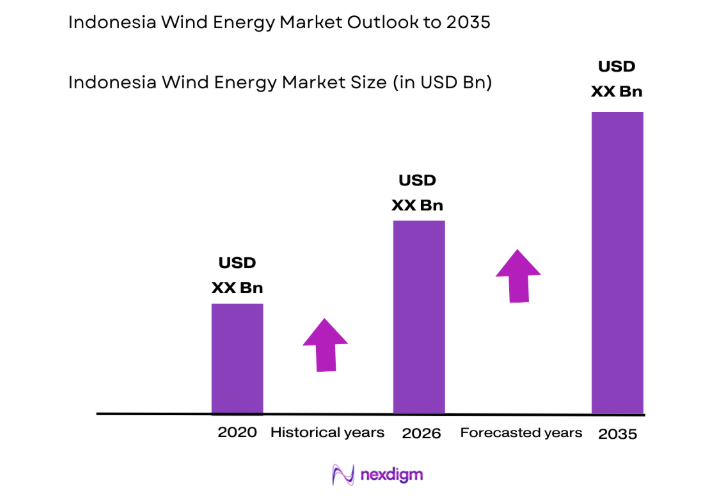
The Indonesia Wind Energy market is projected to reach approximately USD ~ billion based on a recent historical assessment, driven by Indonesia’s commitment to expanding its renewable energy capacity. With the government’s target of achieving 23% renewable energy in the national energy mix by 2025, wind energy is emerging as a key player. Policy incentives, falling turbine costs, and growing environmental awareness are all contributing factors to this market growth.
Regions such as Java, Bali, and Sumatra dominate the wind energy landscape in Indonesia due to their geographic and climatic advantages. Java, the most developed region, benefits from large-scale wind projects, while Sumatra and Bali offer significant potential due to their strong wind resources. These regions are critical in driving Indonesia’s wind energy expansion.
Market Segmentation
By Product Type
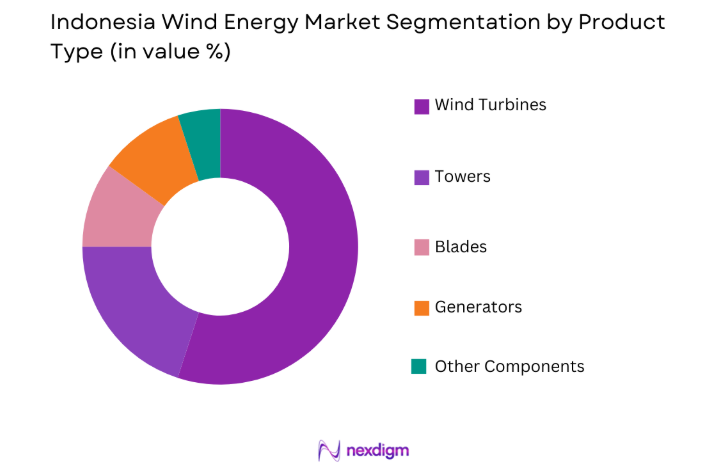
The Indonesia Wind Energy market is segmented by product type into wind turbines, towers, blades, generators, and other components. Recently, wind turbines have dominated the market share due to technological advancements, reducing costs, and enhancing efficiency. As wind turbine performance improves and becomes more cost-effective, they are increasingly deployed in large-scale projects across Indonesia, especially in Java and Sumatra. Their scalability and growing affordability continue to make wind turbines the backbone of the wind energy infrastructure in the region.
By Application Type
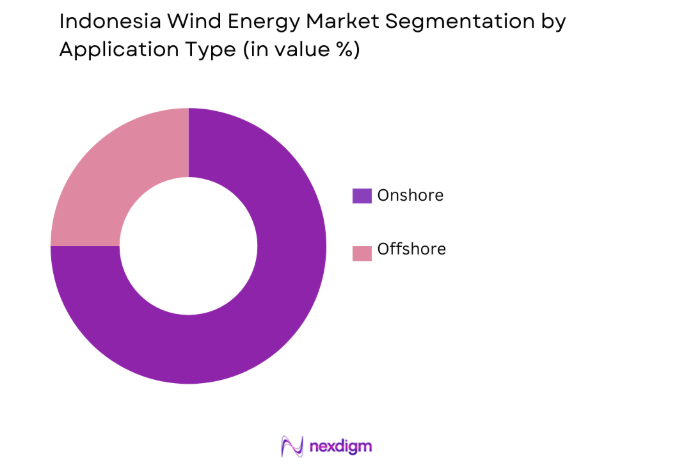
The Indonesia Wind Energy market is also segmented by application type into onshore and offshore wind energy. Recently, onshore wind energy has dominated due to its cost-effectiveness and faster implementation. Onshore projects, particularly in regions like Sumatra, Java, and Sulawesi, benefit from strong wind resources and accessible land, which makes them more economically viable compared to offshore projects. Government incentives, such as the Renewable Energy Purchase Agreement (REPA), have further boosted the growth of onshore wind farms.
Competitive Landscape
The Indonesia Wind Energy market features both local and international players. International companies, such as Siemens Gamesa and Vestas, lead the market, bringing advanced turbine technology and large-scale project experience. Meanwhile, local players like PT PLN (Persero) are focusing on expanding Indonesia’s wind energy infrastructure. As the government continues to incentivize renewable energy projects, consolidation between local and global firms is expected to accelerate, increasing competition and collaboration within the market.
| Company Name | Establishment Year | Headquarters | Technology Focus | Market Reach | Key Products | Revenue | Market-Specific Focus |
| Siemens Gamesa | 1976 | Spain | ~ | ~ | ~ | ~ | ~ |
| Vestas | 1945 | Denmark | ~ | ~ | ~ | ~ | ~ |
| General Electric | 1892 | USA | ~ | ~ | ~ | ~ | ~ |
| PT PLN (Persero) | 1945 | Jakarta, Indonesia | ~ | ~ | ~ | ~ | ~ |
| Suzlon Energy | 1995 | India | ~ | ~ | ~ | ~ | ~ |
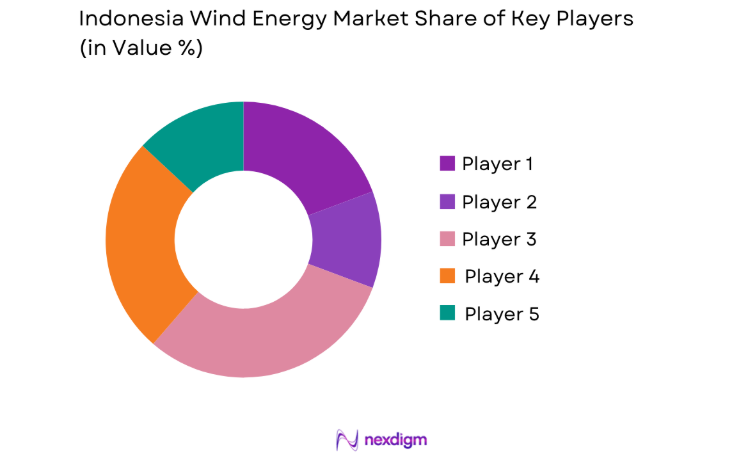
Indonesia Wind Energy Market Analysis
Growth Drivers
Government Support for Renewable Energy
Indonesia’s government has been a key driver of growth in the wind energy market, offering policy incentives and subsidies to encourage the development of renewable energy projects. The 2025 renewable energy target of 23% has intensified efforts to expand wind power capacity, with wind energy identified as one of the most promising renewable sources. Financial incentives, such as feed-in tariffs and renewable energy purchase agreements, have significantly improved the economic feasibility of wind power projects. These policies, along with the government’s goal to reduce reliance on fossil fuels, are expected to continue driving market growth in Indonesia.
Technological Advancements in Wind Turbines
Technological advancements in wind turbine design and efficiency have played a significant role in expanding the Indonesia Wind Energy market. Improvements in turbine capacity, efficiency, and reliability have lowered the cost per megawatt of energy produced, making wind energy more competitive against conventional power generation methods. As turbine technology improves, turbines are becoming more suitable for varying wind conditions across Indonesia, with larger and more powerful turbines enabling greater energy production from existing wind farms. With further technological innovations, wind energy is expected to become an increasingly attractive option for meeting Indonesia’s growing energy demand.
Market Challenges
Infrastructure and Grid Integration
One of the key challenges facing the Indonesia Wind Energy market is the limited infrastructure and the integration of wind power into the existing electricity grid. Wind energy generation is intermittent, and Indonesia’s electricity grid was not initially designed to handle the fluctuations associated with renewable energy. The country’s transmission and distribution networks require significant upgrades to ensure grid stability and accommodate a higher share of renewable energy. The high costs of these infrastructure upgrades, along with delays in implementing smart grid technology, present significant barriers to the widespread adoption of wind energy in Indonesia.
Land Acquisition and Permitting Issues
Land acquisition and the permitting process are significant hurdles in the development of wind energy projects in Indonesia. Securing land for wind farms can be a lengthy and complicated process, especially in densely populated areas where land availability is limited. The permitting process can also be slow, with local regulations and land rights issues further complicating project development. While the government has introduced initiatives to streamline these processes, the complex land acquisition landscape remains a major challenge for wind energy developers seeking to expand their operations in Indonesia.
Opportunities
Expansion of Wind Energy in Remote Areas
One of the primary opportunities for the Indonesia Wind Energy market is the potential for wind energy expansion in remote and off-grid areas. Many regions of Indonesia, particularly the outer islands and rural areas, face challenges in accessing electricity due to the high cost of building traditional grid infrastructure. Wind energy presents a cost-effective and sustainable solution for these areas, with small-scale wind projects offering an alternative to diesel-powered generators. The Indonesian government’s commitment to rural electrification presents a significant opportunity for wind energy adoption, as it offers both economic and environmental benefits to underserved communities.
Growing Offshore Wind Potential
Offshore wind energy holds significant potential for Indonesia, especially in areas like the Sunda Strait and Bali Strait, where high and consistent wind speeds are prevalent. Offshore wind farms are capable of producing large amounts of energy and can be deployed in areas where onshore wind development is limited due to land constraints. With Indonesia’s vast coastline, offshore wind energy presents an untapped resource for the country’s renewable energy mix. The government’s recent focus on offshore wind energy, coupled with technological advancements in offshore turbine systems, creates an opportunity for wind energy developers to explore this growing sector.
Future Outlook
The Indonesia Wind Energy market is expected to experience steady growth over the next five years, driven by government policies supporting renewable energy, technological innovations, and the increasing demand for clean energy. Offshore and onshore wind projects will continue to play a significant role in the country’s energy transition, especially in remote areas and regions with high wind potential. However, challenges such as grid integration and land acquisition need to be addressed to accelerate the adoption of wind energy solutions. With a favorable regulatory environment and a growing focus on sustainability, the wind energy sector will play a crucial role in Indonesia’s renewable energy future.
Major Players
- Siemens Gamesa
- Vestas
- General Electric
- PT PLN (Persero)
- Suzlon Energy
- Nordex
- GE Renewable Energy
- Senvion
- Envision Energy
- Shanghai Electric
- Goldwind
- Xinjiang Wind Power
- MHI Vestas Offshore Wind
- Iberdrola
- Orsted
Key Target Audience
- Investments and venture capitalist firms
- Government and regulatory bodies
- Wind turbine manufacturers
- Offshore wind developers
- Renewable energy infrastructure firms
- Energy storage companies
- Industrial power consumers
Research Methodology
Step 1: Identification of Key Variables
Identifying the key market drivers, challenges, and emerging trends affecting the wind energy market, including government regulations, technological advancements, and energy demand.
Step 2: Market Analysis and Construction
Gathering primary and secondary data to build an accurate market model for the wind energy sector in Indonesia, considering regional variances and policy impact.
Step 3: Hypothesis Validation and Expert Consultation
Validating market assumptions through interviews and consultations with industry experts, government agencies, and wind energy developers.
Step 4: Research Synthesis and Final Output
Synthesizing all collected data to generate a comprehensive report, providing actionable insights and strategic recommendations for stakeholders in the wind energy market.

- Executive Summary
- Research Methodology (Definitions, Scope, Industry Assumptions, Market Sizing Approach, Primary & Secondary Research Framework, Data Collection & Verification Protocol, Analytic Models & Forecast Methodology, Limitations & Research Validity Checks)

- Market Definition and Scope
- Value Chain & Stakeholder Ecosystem
- Regulatory / Certification Landscape
- Sector Dynamics Affecting Demand

- Growth Drivers
Government incentives for renewable energy
Technological advancements in wind turbine efficiency
Growing energy demand - Market Challenges
High initial capital investment
Limited grid infrastructure
Environmental and regulatory barriers - Market Opportunities
Investment in offshore wind projects
Private sector participation in renewable energy
International partnerships for technology sharing - Trends
Increasing use of offshore wind technology
Integration of hybrid energy systems - Government Regulations
Renewable energy policies
Grid connection standards for wind energy
Government financing programs for wind projects - SWOT Analysis
- Porter’s Five Forces

- By Market Value, 2020-2025
- By Installed Units, 2020-2025
- By Average System Price, 2020-2025
- By System Complexity Tier, 2020-2025

- By System Type (In Value%)
Onshore Wind Turbines
Offshore Wind Turbines
Hybrid Wind Systems
Floating Wind Systems
Wind Turbine Components - By Platform Type (In Value%)
Onshore Platforms
Offshore Platforms
Hybrid Platforms
Integrated Platforms - By Fitment Type (In Value%)
On-grid Wind Systems
Off-grid Wind Systems
Hybrid Wind Systems
Modular Wind Systems - By End User Segment (In Value%)
Residential Sector
Commercial Sector
Industrial Sector

- Market Share Analysis
- Cross Comparison Parameters (Efficiency, Performance, Government Incentives, Cost, Technological Integration, Market Penetration, Innovation)
- SWOT Analysis of Key Competitors
- Pricing & Procurement Analysis
- Key Players
Siemens Gamesa
GE Renewable Energy
Nordex Group
Suzlon Energy
Vestas Wind Systems
Goldwind
Suzlon Energy
Mingyang Smart Energy
Envision Energy
Nordex Group
Senvion
Ingeteam
Acciona
LM Wind Power
Enercon

- Growth in demand for residential wind energy
- Government-driven industrial renewable adoption
- Emerging commercial wind energy markets
- Public-private collaborations for energy storage

- Forecast Market Value, 2026-2035
- Forecast Installed Units, 2026-2035
- Price Forecast by System Tier, 2026-2035
- Future Demand by Platform, 2026-2035


 Request a Sample
 Ask for Customization
 Get a Quote
 Enquire Now