
 Download PDF
 Download PDF
Market Overview
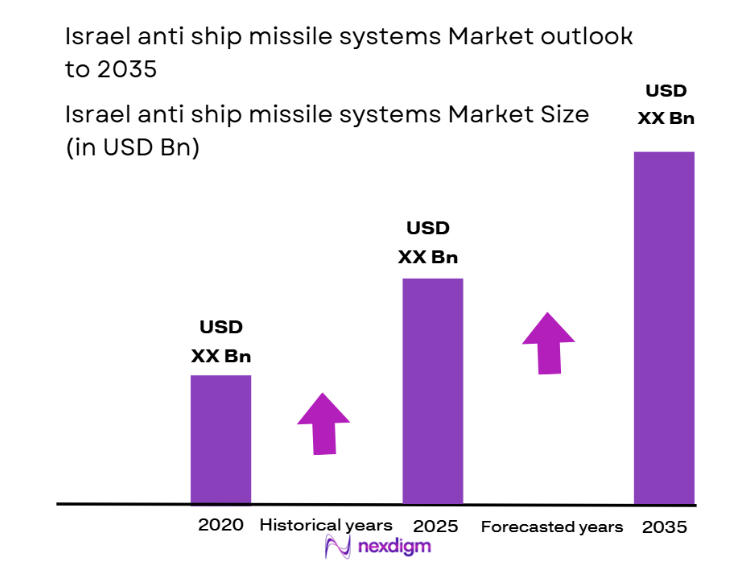
The Israel anti-ship missile systems market is valued at several billion USD, driven primarily by the increasing demand for naval defense systems across the region. Technological advancements in missile systems, coupled with the growing need for modernized naval fleets, significantly contribute to this market’s expansion. This surge is further bolstered by military modernization programs and the rising demand for precision-guided weaponry. The market benefits from Israel’s robust defense industry, with leading firms such as Rafael and IAI playing a critical role in driving innovation and production.
The dominance of Israel in the anti-ship missile systems market is driven by several factors, including strong national defense programs and strategic geographic positioning. Israel’s advanced technological capabilities and ongoing investments in defense infrastructure have positioned it as a regional leader in missile technology. The market’s primary drivers are rooted in the country’s need for superior naval defense against potential threats from surrounding regions. Furthermore, Israel’s defense collaboration with other nations, particularly in the Middle East and Europe, enhances its dominance in the sector, solidifying its position as a global player in the defense industry.
Market Segmentation
By Product Type
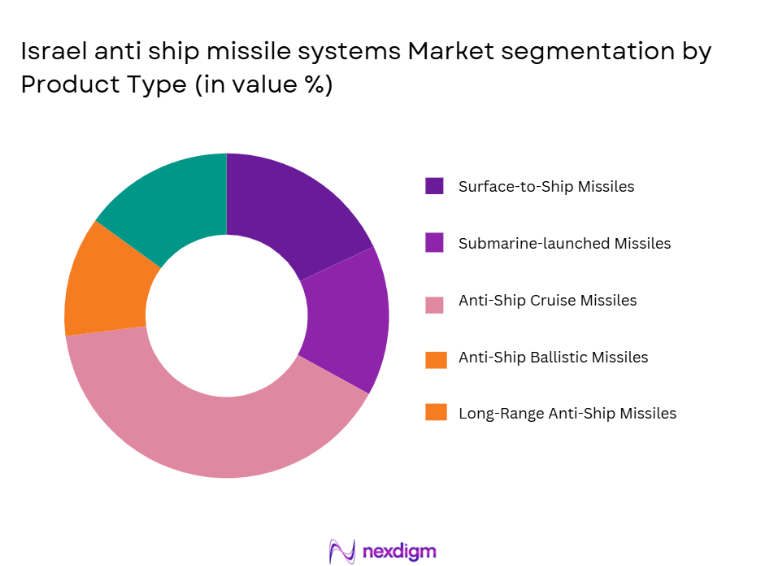
The Israel anti-ship missile systems market is segmented by product type into surface-to-ship missiles, submarine-launched missiles, anti-ship cruise missiles, anti-ship ballistic missiles, and long-range anti-ship missiles. Recently, anti-ship cruise missiles have emerged as the dominant sub-segment due to their long-range capabilities, precision targeting, and adaptability to a variety of platforms. These missiles are favored by naval forces for their effectiveness in both offensive and defensive operations, especially in strategic maritime environments. Their popularity is driven by their proven operational success, cost-effectiveness, and the increasing demand for versatile missile systems that can operate in diverse maritime conditions.
By Platform Type
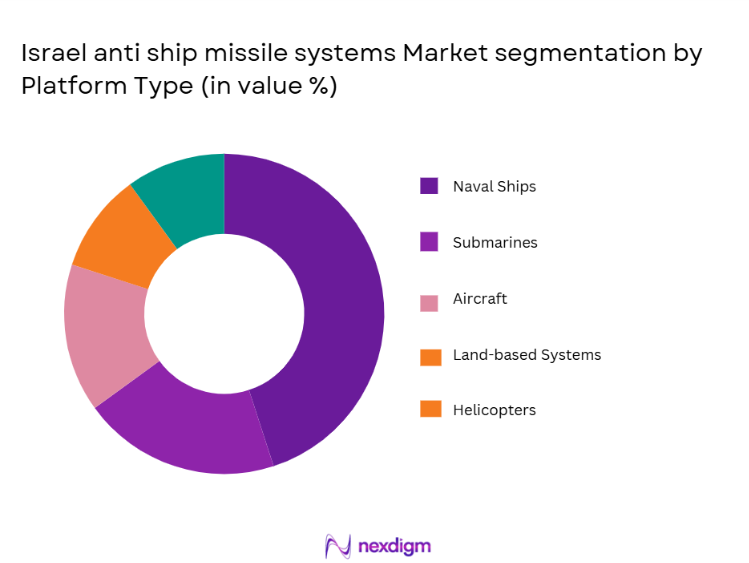
The market for Israel anti-ship missile systems is segmented by platform type into naval ships, submarines, aircraft, land-based systems, and helicopters. Among these, naval ships dominate the market share, primarily due to their consistent role in maritime defense strategies and their ability to carry a variety of missile systems. The growing need for naval defense capabilities, along with the integration of cutting-edge anti-ship missile systems on modern naval vessels, is driving this segment’s dominance. The shift towards enhancing the strike capabilities of naval fleets, along with continued investments in ship-based missile defense systems, ensures the significant share of this segment.
Competitive Landscape
The competitive landscape of the Israel anti-ship missile systems market is marked by a few large players that dominate the sector. These players benefit from ongoing research and development investments, strategic defense collaborations, and the ability to scale operations across global markets. Major companies like Rafael Advanced Defense Systems and Israel Aerospace Industries (IAI) continue to lead in product innovation and technological advancements. These companies’ strong market presence is complemented by significant defense contracts, which position them at the forefront of the market.
| Company Name | Establishment Year | Headquarters | Technology Focus | Market Reach | Key Products | Revenue (USD) | Additional Parameter |
| Rafael Advanced Defense Systems | 1950 | Haifa, Israel | ~ | ~ | ~ | ~ | ~ |
| Israel Aerospace Industries (IAI) | 1953 | Lod, Israel | ~ | ~ | ~ | ~ | ~ |
| Elbit Systems | 1966 | Haifa, Israel | ~ | ~ | ~ | ~ | ~ |
| MBDA | 2001 | Paris, France | ~ | ~ | ~ | ~ | ~ |
| Lockheed Martin | 1912 | Bethesda, USA | ~ | ~ | ~ | ~ | ~ |
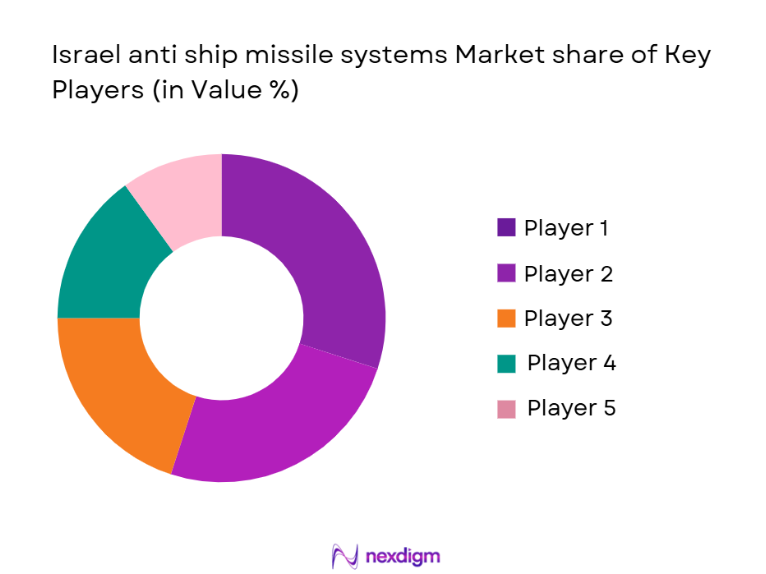
Israel Anti Ship Missile Systems Market Analysis
Growth Drivers
Rising Geopolitical Tensions
Geopolitical instability in the Middle East is a significant growth driver for the Israel anti-ship missile systems market. With regional conflicts and the presence of hostile maritime powers, nations are increasingly seeking advanced missile systems for enhanced defense capabilities. Israel, situated in a region with a history of military tensions, has emerged as a critical supplier of advanced missile systems, positioning itself as a key player in global defense. The growing demand for maritime defense technologies is not only driven by the need to protect national borders but also by the strategic necessity of controlling critical shipping routes in the Mediterranean and beyond. Israel’s missile systems, known for their precision and range, are integral to bolstering the naval defense of nations involved in maritime security operations. These systems help defend against missile threats, airstrikes, and potential naval blockades, making them indispensable to military forces around the world.
Technological Advancements in Missile Systems
The continuous advancements in missile technology are another significant driver of market growth. Israel’s defense companies are at the forefront of developing next-generation anti-ship missiles that offer enhanced range, precision, and effectiveness against evolving threats. The integration of artificial intelligence (AI) and machine learning into missile systems has dramatically improved targeting accuracy, reducing the risks of collateral damage and ensuring the successful interception of threats. Additionally, advancements in stealth technology and hypersonic capabilities are set to revolutionize the anti-ship missile landscape, enabling missiles to travel at unprecedented speeds and avoid detection by enemy radar systems. These technological improvements are enhancing the operational effectiveness of Israel’s anti-ship missile systems, making them more attractive to defense agencies globally.
Market Challenges
High Cost of Advanced Missile Systems
One of the primary challenges facing the Israel anti-ship missile systems market is the high cost associated with the development and deployment of advanced missile systems. These sophisticated defense systems require substantial investments in research and development, manufacturing, and integration, which makes them financially inaccessible for some nations. The cost is not only limited to the purchase of the missile systems themselves but also includes ongoing maintenance, training, and upgrades required to keep the systems operational over time. This financial burden can limit the accessibility of these technologies to only the wealthiest nations or those with large defense budgets, potentially slowing the market’s growth. Furthermore, the high cost of advanced missile systems places pressure on defense agencies to allocate resources effectively, making the acquisition of these systems a complex and challenging decision.
Geopolitical and Regulatory Barriers
Another challenge is the geopolitical and regulatory barriers that impact the trade and deployment of Israel’s missile systems. International arms regulations and restrictions on the export of military technologies can hinder the expansion of the market. While Israel is a major exporter of defense technology, geopolitical tensions and political considerations often complicate international defense deals. Restrictions on military exports to certain regions or countries, coupled with international arms embargoes, can limit Israel’s ability to tap into all potential markets. These regulatory challenges also impact the ability of defense companies to form partnerships and expand their global footprint, which could otherwise drive market growth.
Opportunities
Increasing Naval Modernization Programs
A significant opportunity for the Israel anti-ship missile systems market lies in the increasing naval modernization programs being undertaken by countries worldwide. As nations recognize the need to enhance their maritime defense capabilities, they are investing in upgrading their fleets with cutting-edge missile systems. This is particularly evident in countries facing potential maritime threats from regional adversaries or global powers. Israel’s advanced anti-ship missile systems, known for their reliability and precision, are perfectly positioned to meet this demand. As countries modernize their navies, they seek more sophisticated missile defense systems capable of providing effective protection against increasingly advanced threats. This trend is expected to continue as nations prioritize the modernization of their naval defense strategies, offering ample growth opportunities for Israel’s missile defense industry.
Growing Demand for Multirole Missile Systems
Another promising opportunity is the growing demand for multirole missile systems that can be adapted to various platforms and used for multiple defense scenarios. Anti-ship missiles that can be launched from different platforms, such as naval ships, submarines, and aircraft, are increasingly in demand due to their versatility. This demand is driven by the need for flexible defense solutions that can be quickly deployed in various combat situations. Israel’s expertise in developing multirole missile systems, which can be integrated across a range of military assets, positions it as a key supplier in this segment. As more defense forces seek adaptable and cost-effective solutions, Israel’s innovation in multirole missile technology will continue to drive market expansion.
Future Outlook
The future outlook for the Israel anti-ship missile systems market is promising, with strong growth expected over the next several years. Technological advancements, including AI integration and hypersonic capabilities, will continue to play a significant role in shaping the market. Increased demand from nations modernizing their naval forces, coupled with growing geopolitical tensions, will drive market expansion. Furthermore, continued investments in missile technology and defense infrastructure are expected to support market growth. The regulatory environment will evolve, with governments increasingly focused on enhancing defense capabilities, providing a stable foundation for market growth in the coming years.
Major Players
- Rafael AdvancedDefenseSystems
- Israel Aerospace Industries (IAI)
- Elbit Systems
- MBDA
- Lockheed Martin
- Boeing Defense
- Northrop Grumman
- Thales Group
- Raytheon Technologies
- L3Harris Technologies
- Saab Group
- Kongsberg Gruppen
- General Dynamics
- BAE Systems
- Leonardo
Key Target Audience
- Investments and venture capitalist firms
- Government and regulatory bodies
- Naval defense agencies
- Military procurement departments
- Defense contractors
- Aerospace and defense manufacturers
- System integrators
- National security agencies
Research Methodology
Step 1: Identification of Key Variables
The first step involves identifying the key variables affecting the market, including geopolitical factors, technological advancements, and defense budgets of key countries. This step ensures a comprehensive understanding of the market dynamics.
Step 2: Market Analysis and Construction
In this phase, detailed market analysis is conducted, leveraging both primary and secondary research sources to build a thorough framework for market construction, based on current data and trends.
Step 3: Hypothesis Validation and Expert Consultation
The formulated market hypotheses are validated through consultations with industry experts, including defense analysts and technology developers, to ensure accuracy and relevance.
Step 4: Research Synthesis and Final Output
This final step involves synthesizing all gathered information and presenting it in the form of a market report that offers actionable insights and strategic recommendations.

- Executive Summary
- Research Methodology (Definitions, Scope, Industry Assumptions, Market Sizing Approach, Primary & Secondary Research Framework, Data Collection & Verification Protocol, Analytic Models & Forecast Methodology, Limitations & Research Validity Checks)

- Market Definition and Scope
- Value Chain & Stakeholder Ecosystem
- Regulatory / Certification Landscape
- Sector Dynamics Affecting Demand
- Strategic Initiatives & Infrastructure Growth

- Growth Drivers
Rising defense expenditure in the Middle East
Technological advancements in missile systems
Increasing naval defense capabilities of regional powers - Market Challenges
High cost of advanced missile systems
Geopolitical tensions affecting market stability
Complexity in integration with existing defense platforms - Market Opportunities
Growing demand for anti-ship missile systems in naval modernization
Increase in defense collaborations and joint ventures
Adoption of AI and automation in missile targeting systems - Trends
Increased focus on multi-role missile systems
Shift towards more compact and versatile anti-ship systems
Rise in demand for enhanced targeting accuracy - Government Regulations
Export control regulations for military systems
Regulatory standards for missile testing and certification
Compliance with international arms treaties and defense agreements

- By Market Value 2020-2025
- By Installed Units 2020-2025
- By Average System Price 2020-2025
- By System Complexity Tier 2020-2025

- By System Type (In Value%)
Surface-to-Ship Missiles
Submarine-launched Missiles
Anti-Ship Cruise Missiles
Anti-Ship Ballistic Missiles
Long-Range Anti-Ship Missiles - By Platform Type (In Value%)
Naval Ships
Submarines
Aircraft
Land-based Systems
Helicopters - By Fitment Type (In Value%)
OEM Fitment
Retrofit Fitment
Aftermarket Fitment
Custom Fitment
Upgrade Fitment - By EndUser Segment (In Value%)
Naval Forces
Coast Guards
Private Security Agencies
Research Organizations
Military Contractors - By Procurement Channel (In Value%)
Direct Procurement
Indirect Procurement
Government Contracts
Private Sector Purchases
Defense Alliances

- Market Share Analysis
- CrossComparison Parameters (Cost Efficiency, Technological Advancements, Integration Capabilities, Range, Accuracy)
- SWOT Analysis of Key Competitors
- Pricing & Procurement Analysis
- Porter’s Five Forces
- Key Players
Rafael Advanced Defense Systems
Israel Aerospace Industries
Elbit Systems
MEL Systems and Technologies
Nammo Group
MBDA
Boeing Defense
Northrop Grumman
Lockheed Martin
General Dynamics
Thales Group
Raytheon Technologies
L3Harris Technologies
Saab Group
Kongsberg Gruppen

- Military Forces
- Naval Forces
- Coast Guard and Security Forces
- Defense Contractors

- Forecast Market Value 2026-2035
- Forecast Installed Units 2026-2035
- Price Forecast by System Tier 2026-2035
- Future Demand by Platform 2026-2035


 Request a Sample
 Ask for Customization
 Get a Quote
 Enquire Now