
 Download PDF
 Download PDF
Market Overview
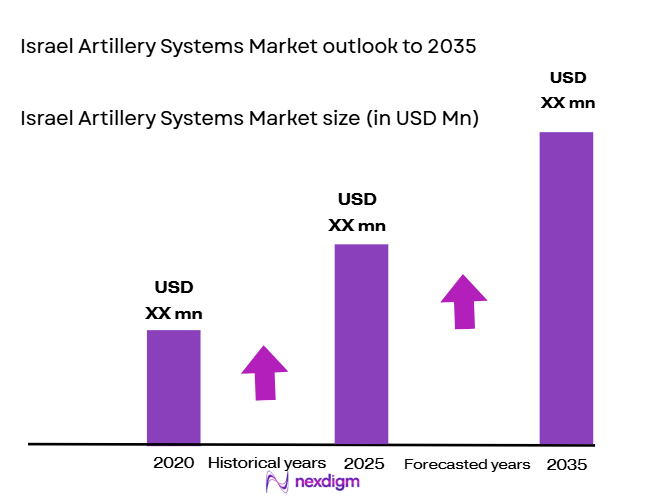
The Israel artillery systems market is valued at approximately USD ~ billion, driven by technological advancements and increasing defense budgets. The demand for modernized artillery systems, especially precision-guided and long-range weapons, has been a significant factor fueling growth. In addition, geopolitical tensions and the need for stronger defense capabilities in the Middle East contribute to the rising expenditure in the defense sector, particularly in advanced artillery technologies and related MRO (Maintenance, Repair, and Overhaul) services.
The dominant players in this market are located in regions with well-established defense industries, particularly in Israel, the U.S., and European countries. Israel remains a leader due to its cutting-edge defense technology, continuous R&D investment, and its strategic positioning in the Middle East. Additionally, the U.S. and some European countries also play critical roles due to their military alliances, technological support, and participation in joint defense initiatives, further enhancing their dominance in the artillery systems market.
Market Segmentation
By Product Type
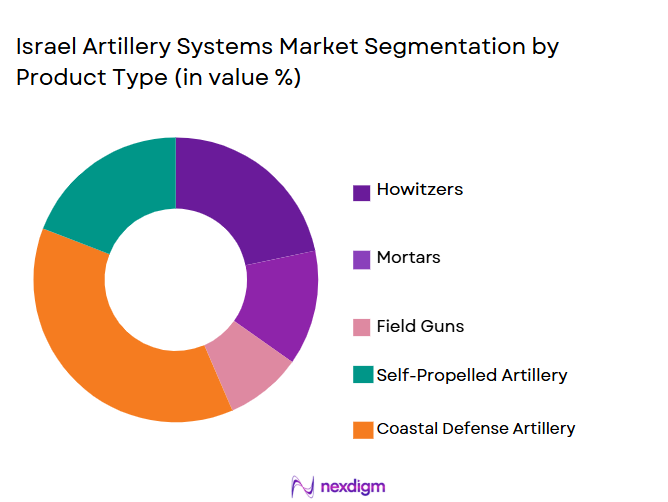
Israel artillery systems market is segmented by product type into howitzers, mortars, field guns, self-propelled artillery, and coastal defense artillery. Recently, self-propelled artillery has been dominating the market due to its mobility, advanced targeting capabilities, and effectiveness in rapid deployment. This product type’s prominence can be attributed to its high demand from defense forces seeking versatile, mobile, and high-impact artillery solutions, enabling them to perform effectively in various combat situations. Additionally, the increasing focus on autonomous systems has also played a role in the rise of self-propelled artillery, as these systems offer significant tactical advantages on the battlefield.
By Platform Type
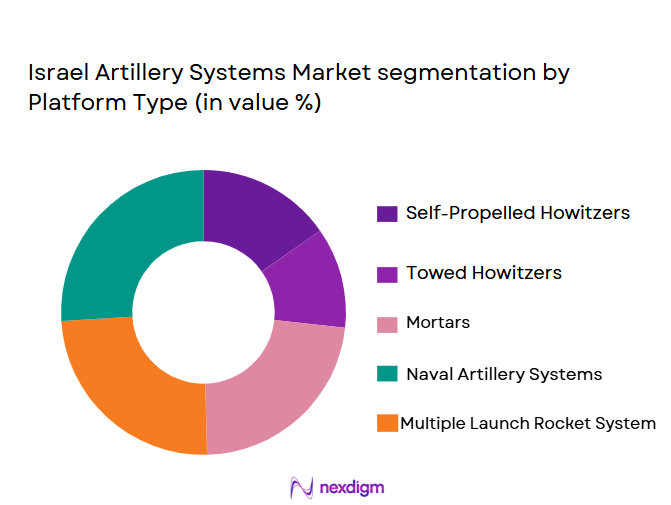
Israel artillery systems market is segmented by platform type into ground-based artillery, naval-based artillery, airborne artillery, rail-mounted artillery, and mobile artillery. Ground-based artillery currently holds a dominant position due to its established infrastructure and flexibility in various terrain types, enabling easy deployment and widespread use. This platform type is favored by military forces because it provides strategic advantages, including the capability to support long-range fire support and precise targeting. As a result, ground-based artillery remains a preferred solution for most defense agencies.
Competitive Landscape
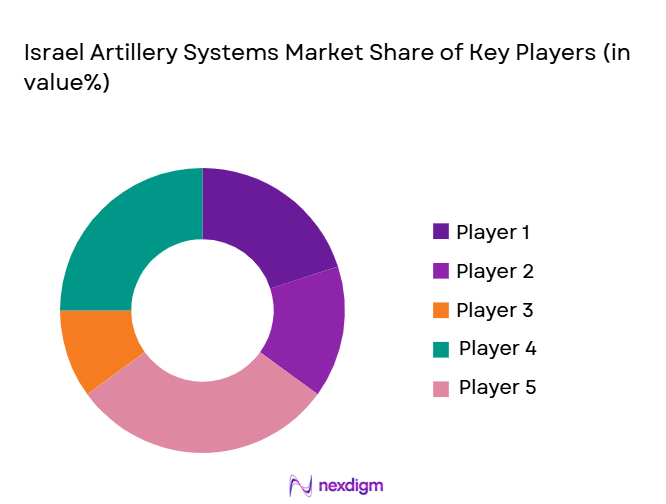
The competitive landscape of the Israel artillery systems market is characterized by a high degree of consolidation, with several leading players dominating the sector. The presence of major defense companies such as Elbit Systems and Israel Aerospace Industries contributes to the ongoing technological innovations and market growth. These players, through strategic collaborations and partnerships, influence market dynamics and drive the development of advanced artillery systems. Their focus on enhancing system capabilities and reducing costs for end-users ensures that competition remains fierce, with an emphasis on innovation and product differentiation.
| Company Name | Establishment Year | Headquarters | Technology Focus | Market Reach | Key Products | Revenue | Additional Parameter |
| Elbit Systems | 1966 | Haifa, Israel | ~ | ~ | ~ | ~ | ~ |
| Israel Aerospace Industries | 1967 | Tel Aviv, Israel | ~ | ~ | ~ | ~ | ~ |
| Rafael Advanced Defense Systems | 1948 | Haifa, Israel | ~ | ~ | ~ | ~ | ~ |
| BAE Systems | 1999 | London, UK | ~ | ~ | ~ | ~ | ~ |
| Northrop Grumman | 1939 | Falls Church, USA | ~ | ~ | ~ | ~ | ~ |
Israel artillery systems Market Analysis
Growth Drivers
Technological Advancements in Artillery Systems
Continuous technological advancements in artillery systems are one of the key growth drivers. The focus on enhancing the accuracy, range, and automation of artillery systems has led to the increasing adoption of advanced solutions in the military sector. Artillery systems are now equipped with precision-guided munitions, which allow for more targeted and effective strikes, minimizing collateral damage. This technology is being rapidly adopted by various defense agencies, especially in the Middle East, where the strategic importance of artillery in modern warfare is significant. The development of autonomous and semi-autonomous artillery systems is also paving the way for further growth, as these systems offer significant tactical advantages, including reduced human involvement in high-risk operations. As these technologies become more affordable and accessible, their adoption is expected to rise.
Geopolitical Tensions and Regional Conflicts
The geopolitical tensions in the Middle East and surrounding regions have contributed significantly to the demand for advanced artillery systems. Countries in the region are heavily investing in defense technologies to enhance their military capabilities in response to perceived threats. The ongoing conflicts and volatile political environment make artillery systems an essential tool for defense, with countries seeking to bolster their defense capabilities by acquiring advanced systems to ensure national security. The demand for artillery systems in countries like Israel, Saudi Arabia, and others in the region is growing as they continue to face threats from neighboring states and non-state actors. This growing need for defensive and offensive artillery solutions is expected to drive market growth over the next few years.
Market Challenges
High Cost of Advanced Artillery Systems
One of the primary challenges faced by the Israel artillery systems market is the high cost associated with advanced systems. The development of precision-guided artillery and autonomous platforms requires significant investment in research and development, which drives up the cost of these systems. For many countries, especially those with smaller defense budgets, the cost of acquiring and maintaining these advanced systems is a major barrier to entry. Additionally, the infrastructure required to support these advanced artillery systems adds to the overall expenses, making it difficult for smaller nations to adopt these solutions on a large scale. This high cost limits market growth and restricts access to advanced artillery systems for some potential customers.
Regulatory and Compliance Issues
The artillery systems market is highly regulated due to the sensitive nature of defense-related technologies. The need to comply with international arms trade treaties, national regulations, and certification requirements can create significant hurdles for manufacturers and customers alike. Export restrictions, particularly in certain regions, can limit the ability of companies to expand their market reach, and navigating these regulations can be a complex and time-consuming process. The increased scrutiny surrounding defense exports, combined with changing regulations, may delay the adoption of new artillery systems in some regions, particularly those with stringent compliance requirements.
Opportunities
Expansion into Emerging Markets
The increasing demand for advanced military systems in emerging markets presents a significant opportunity for growth in the artillery systems market. Countries in Africa, Asia, and Latin America are rapidly modernizing their military forces and seeking advanced defense solutions to protect their national security. As these countries continue to invest in defense infrastructure, they provide a new customer base for artillery systems. Manufacturers can explore partnerships with local governments and defense contractors to supply artillery systems tailored to the specific needs of these emerging markets. Additionally, as these regions experience rising defense budgets, the demand for both traditional and cutting-edge artillery systems is expected to increase, offering lucrative opportunities for companies in the sector.
R&D and Innovation in Artillery Technology
Another opportunity lies in the ongoing research and development of next-generation artillery systems. The focus on innovation and the integration of emerging technologies such as artificial intelligence (AI), machine learning, and robotics presents opportunities for manufacturers to develop more efficient, automated, and precise artillery systems. By investing in these technologies, companies can create new artillery solutions that meet the evolving needs of modern militaries, particularly in the context of hybrid warfare and fast-evolving combat environments. The ability to deliver artillery systems with higher precision, extended range, and greater flexibility will offer a competitive edge and open up new market opportunities.
Future Outlook
The future outlook for the Israel artillery systems market remains positive, with expected growth driven by technological advancements and regional security concerns. The market is expected to see continued demand for high-tech, precision-guided, and self-propelled artillery systems, especially in defense-focused countries. Technological developments in automation and AI integration will continue to shape the sector, enhancing the effectiveness and versatility of artillery systems. Increased defense spending and modernization efforts by military forces around the world will also play a key role in driving market growth, particularly in regions with ongoing geopolitical instability.
Major Players
• Israel Aerospace Industries
• Rafael Advanced Defense Systems
• BAE Systems
• Northrop Grumman
• Lockheed Martin
• Thales Group
• Leonardo DRS
• General Dynamics
• Saab Group
• ST Engineering
• Nammo
• Kongsberg Defence & Aerospace
• Hellenic Defence Systems
• ST Kinetics
Key Target Audience
• Government and regulatory bodies
• Military contractors
• Defense manufacturers
• Regional defense agencies
• International buyers
• System integrators
• Military research organizations
Research Methodology
Step 1: Identification of Key Variables
Identification of key factors affecting the artillery systems market, including technological trends, regulatory frameworks, and geopolitical dynamics.
Step 2: Market Analysis and Construction
Construction of the market framework by gathering primary and secondary data from reputable sources to assess market size, trends, and forecasts.
Step 3: Hypothesis Validation and Expert Consultation
Validation of initial market assumptions by consulting industry experts and stakeholders in the artillery systems sector.
Step 4: Research Synthesis and Final Output
Synthesis of research findings and preparation of the final report, presenting actionable insights for market stakeholders.

- Executive Summary
- Israel Artillery Systems Research Methodology
(Definitions, Scope, Industry Assumptions, Market Sizing Approach, Primary & Secondary Research Framework, Data Collection & Verification Protocol, Analytic Models & Forecast Methodology, Limitations & Research Validity Checks)

- Market Definition and Scope
- Value Chain & Stakeholder Ecosystem
- Regulatory / Certification Landscape
- Sector Dynamics Affecting Demand
- Strategic Initiatives & Infrastructure Growth

- Growth Drivers
Increasing military budgets in defense-focused countries
Technological advancements in artillery systems
Growing demand for defense modernization programs - Market Challenges
High cost of advanced artillery systems
Complex regulatory and certification hurdles
Limited availability of skilled personnel for system operations - Market Opportunities
Expansion into emerging defense markets
R&D into autonomous artillery systems
Collaborations between defense firms for technology sharing - Trends
Integration of AI and robotics in artillery
Shift towards modular, adaptable artillery platforms
Increased demand for long-range precision artillery - Government Regulations & Defense Policy
Stringent arms export regulations
Increased focus on cybersecurity for artillery systems
Government incentives for defense innovation - SWOT Analysis (Capability Strengths, Cost Vulnerabilities, Competitive Pressures)
Porter’s Five Forces (Procurement Power, Supplier Concentration, Substitutes, Barriers to Entry)

- By Market Value, 2020-2025
- By Installed Units, 2020-2025
- By Average System Price, 2020-2025
- By System Complexity Tier, 2020-2025

- By System Type (In Value%)
Howitzers
Mortars
Field Guns
Self-Propelled Artillery
Coastal Defense Artillery - By Platform Type (In Value%)
Ground-based Artillery
Naval-based Artillery
Airborne Artillery
Rail-mounted Artillery
Mobile Artillery - By Fitment Type (In Value%)
Retrofit
New Fitment
Modular Artillery Systems
Standardized Components
Integrated Artillery Units - By EndUser Segment (In Value%)
Military
Paramilitary
Border Security Forces
Coastal Defense
Specialized Defense Units - By Procurement Channel (In Value%)
Direct Government Purchases
Defense Contractors
International Sales
Local Production
Government-to-Government Deals

- Market Share Analysis
- Cross Comparison Parameters
(System Type, Platform Type, Procurement Channel, Market Value, Installed Units, Average System Price, Fitment Type, End-User Segment) - SWOT Analysis of Key Competitors
- Pricing & Procurement Analysis
- Key Players
Elbit Systems
Israel Aerospace Industries
Rafael Advanced Defense Systems
IMI Systems
Nammo
Lockheed Martin
BAE Systems
General Dynamics
Northrop Grumman
Thales Group
BAE Land Systems
Hellenic Defence Systems
ST Engineering
Kongsberg Defence & Aerospace
Saab Group

- Military forces upgrading artillery systems
- Paramilitary units enhancing border security capabilities
- Naval forces expanding coastal defense artillery
- International buyers seeking advanced artillery solutions

- Forecast Market Value, 2026-2035
- Forecast Installed Units, 2026-2035
- Price Forecast by System Tier, 2026-2035
- Future Demand by Platform, 2026-2035


 Request a Sample
 Ask for Customization
 Get a Quote
 Enquire Now