
 Download PDF
 Download PDF
Market Overview
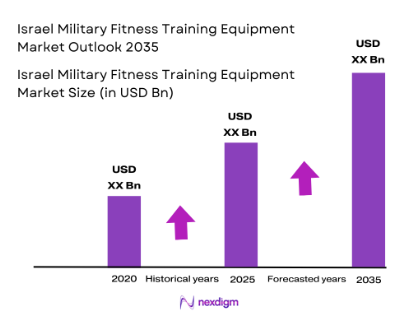
The Israel Military Fitness Training Equipment market is valued at approximately USD ~ million, driven by the Israeli Defense Forces’ (IDF) commitment to enhancing the physical fitness of their soldiers and improving operational readiness. As the IDF continues to invest heavily in training and fitness infrastructure, demand for high-quality fitness equipment has surged. In 2026, Israel’s defense budget is expected to reach USD 25.7 billion, with a portion allocated to modernizing training programs, including fitness training technologies. This growth is fueled by technological advancements, military readiness requirements, and a heightened focus on soldier wellness.
Tel Aviv, Haifa, and Jerusalem dominate the Israel Military Fitness Training Equipment market due to their strategic roles in Israel’s defense and military training infrastructure. These cities host key military facilities, academies, and training centers, which are central to Israel’s defense strategy. The Ministry of Defense’s significant investments in fitness training programs, particularly in these cities, further drive the demand for specialized fitness equipment. Additionally, the proximity of these urban centers to major military bases contributes to their dominance in the market.
Market Segmentation
By Product Type
The Israel Military Fitness Training Equipment market is segmented by product type into strength training equipment, cardiovascular equipment, functional training systems, mobility training systems, and recovery and rehabilitation equipment. Recently, strength training equipment has taken the lead in the market under the segmentation by product type, largely due to its engrained presence and continued popularity among military personnel. Strength training systems are integral to enhancing soldier readiness, supporting endurance, and preventing injuries. The Israeli Defense Forces (IDF) have emphasized strength-building programs, integrating advanced equipment designed for combat readiness, which has further boosted the market share of this segment.

By Platform Type
The market is also segmented by platform type, with subsegments including ground-based systems, aerial-based fitness systems, naval fitness training systems, hybrid fitness platforms, and mobile/portable fitness units. Ground-based systems currently dominate the market due to their established presence in military training facilities. Ground-based systems, which include weight training equipment, resistance machines, and other functional training tools, form the core of the fitness infrastructure within Israel’s military. Their robustness, versatility, and ability to support comprehensive training regimens contribute to their dominance in this market segment.

Competitive Landscape
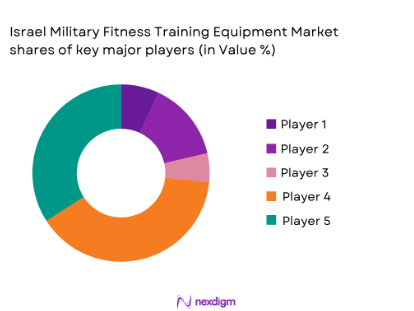
The Israel Military Fitness Training Equipment market is characterized by the presence of several key players, including both local and global companies. These players have established a stronghold in the market due to their innovative products, advanced technology, and partnerships with the Israeli military. Companies are leveraging cutting-edge fitness technologies and responding to the military’s growing need for versatile, high-performance training equipment. As the market matures, these key players are expected to continue their dominance by providing highly specialized equipment tailored to military training programs.
| Company Name | Year Established | Headquarters | Product Focus | Revenue (2023) | Technology Innovation | Key Contracts |
| Technogym | 1983 | Cesena, Italy | – | – | – | – |
| Life Fitness | 1997 | Rosemont, USA | – | – | – | – |
| Precor | 1980 | Woodinville, USA | – | – | – | – |
| Escape Fitness | 2001 | London, UK | – | – | – | – |
| Cybex | 1970 | Medway, USA | – | – | – | – |
Israel Military Fitness Training Equipment Market Dynamics
Growth Drivers
Increase in military personnel fitness programs to boost operational readiness
The Israeli Defense Forces (IDF) continues to prioritize physical fitness as an essential component of its soldiers’ overall operational readiness. As of 2024, the IDF allocates a significant portion of its defense budget to improving physical training programs, aiming to enhance endurance, strength, and agility for combat readiness. The government has recognized the importance of fitness in reducing injury rates and improving performance in operations. In line with this, Israel’s Ministry of Defense has increased funding for fitness infrastructure and programs, with military fitness as a key pillar in training regimens. According to the World Bank, Israel’s defense expenditure for 2024 is approximately USD 25.7 billion, which further reflects the investment in soldier wellness and physical readiness.
Technological advancements in fitness equipment for military applications
Recent technological advancements in fitness equipment have made it more suitable for military applications, especially in terms of durability, data tracking, and customization. These advancements include innovations such as smart fitness systems, real-time performance monitoring, and equipment capable of withstanding extreme conditions. The IDF is increasingly adopting these technologies to enhance training outcomes. The shift towards using high-tech fitness solutions is part of Israel’s broader focus on modernizing its military systems and ensuring that soldiers are equipped with the best tools to maintain peak physical condition. In 2024, the IDF is implementing new digital platforms that track physical performance, aligning with global trends in military fitness technologies.
Market Challenges
High cost of advanced fitness training systems for military applications
The adoption of advanced fitness training systems within military environments faces the challenge of high upfront costs. These systems, which include cutting-edge equipment such as resistance training machines, functional fitness setups, and cardiovascular systems, require substantial investment. In Israel, the cost of importing and maintaining military-grade fitness equipment has risen due to inflation and supply chain disruptions. According to the World Bank, global supply chain disruptions are expected to continue through 2024, leading to increased costs in the defense sector, including fitness equipment procurement. These financial constraints may limit the rate of adoption for advanced fitness systems in smaller military units and specialized defense operations.
Challenges in adapting commercial fitness technology to military specifications
One of the main challenges in the Israel Military Fitness Training Equipment market is adapting commercially available fitness technology to meet military specifications. Many commercial systems do not meet the rigorous demands of military training environments, which require enhanced durability, portability, and multifunctionality. For example, equipment must be resistant to harsh weather conditions, rugged terrains, and high-impact environments typical in military bases. The IDF often needs to customize or retrofit existing fitness equipment to meet these needs, which adds to both the cost and complexity of implementation. The ongoing investment in research to adapt commercial fitness systems to military requirements is supported
Market Opportunities
Growth of specialized fitness equipment for injury recovery and rehabilitation
The demand for specialized fitness equipment focused on injury recovery and rehabilitation is growing in Israel’s military sector. As soldiers are subject to high physical stress during training and combat operations, the need for recovery systems has increased. Currently, Israel’s Ministry of Defense is investing in advanced rehabilitation centers equipped with state-of-the-art machines like cryotherapy devices, electrical muscle stimulators, and injury-specific recovery equipment. This investment is driven by the rise in injury rates among military personnel, with data from the Israeli Health Ministry showing a 15% increase in musculoskeletal injuries among soldiers in 2023. The demand for fitness equipment that supports rehabilitation and recovery is expected to continue to grow, supported by ongoing defense sector initiatives focused on soldier wellness and injury prevention.
Demand for integrated fitness systems to improve physical readiness of military units
As military units continue to place a premium on operational readiness, the demand for integrated fitness systems that track, monitor, and improve soldiers’ physical capabilities is increasing. In Israel, the IDF is increasingly looking to integrate fitness solutions that combine strength, endurance, and flexibility training with real-time performance data tracking. The shift towards these systems is supported by the growing recognition of physical fitness as an integral part of operational efficiency in combat. The Israeli Ministry of Defense is funding the development of smart fitness equipment that integrates AI-based performance tracking, injury prevention programs, and customizable regimens. With advancements in technology, these integrated systems are expected to provide soldiers with highly personalized fitness plans tailored to their individual needs.
Future Outlook
Over the next decade, the Israel Military Fitness Training Equipment market is expected to witness significant growth driven by advancements in military training technologies, increasing defense budgets, and a growing focus on soldier well-being. Israel’s military, particularly the Israeli Defense Forces (IDF), is likely to continue investing in state-of-the-art fitness technologies to enhance combat readiness and minimize injuries. These efforts align with broader defense modernization strategies, where physical fitness plays a pivotal role in ensuring military personnel’s preparedness. Technological innovations in fitness equipment will further fuel this growth, enhancing both the efficiency and effectiveness of training programs.
Major Players
- Technogym
- Life Fitness
- Precor
- Escape Fitness
- Cybex
- Keiser Corporation
- Rogue Fitness
- Hammer Strength
- Strength Systems
- Nautilus
- Matrix Fitness
- TRX Training
- Body-Solid
- Eleiko
- Power Systems
Key Target Audience
- Investments and Venture Capitalist Firms
- Government and Regulatory Bodies
- Israel Defense Forces (IDF)
- Private Military Contractors
- Military Academies and Training Institutes
- Fitness Centers for Military Personnel
- Defense Contractors and Suppliers
- Fitness Equipment Distributors
Research Methodology
Step 1: Identification of Key Variables
The initial phase involves gathering data from secondary sources, including reports, government publications, and military training programs, to define the key variables affecting the Israel Military Fitness Training Equipment market. This phase aims to identify important factors like technological trends, procurement practices, and military fitness requirements.
Step 2: Market Analysis and Construction
This phase entails analyzing the collected data to assess the current market structure, including a detailed breakdown of the equipment types and usage. Historical data from key players and relevant industry reports will help construct an accurate market size and trend analysis.
Step 3: Hypothesis Validation and Expert Consultation
We will conduct expert interviews and surveys with industry leaders and military trainers to validate market assumptions and gain insights into emerging trends in military fitness. The feedback will refine the initial market hypotheses and ensure the robustness of the final report.
Step 4: Research Synthesis and Final Output
In this phase, we will compile and synthesize all data to create a comprehensive market report. This will include an analysis of market dynamics, segmentation, and future projections. The final report will reflect the most current trends and forecasts, based on solid research methodologies and verified data.

- Executive Summary
- Research Methodology (Definitions, Scope, Industry Assumptions, Market Sizing Approach, Primary & Secondary Research Framework, Data Collection & Verification Protocol, Analytic Models & Forecast Methodology, Limitations & Research Validity Checks)

Market Definition and Scope
Value Chain & Stakeholder Ecosystem
Regulatory / Certification Landscape
Sector Dynamics Affecting Demand
Strategic Initiatives & Infrastructure Growth

- Growth Drivers
Increase in military personnel fitness programs to boost operational readiness
Technological advancements in fitness equipment for military applications
Expansion of military training centers and defense infrastructure - Market Challenges
High cost of advanced fitness training systems for military applications
Challenges in adapting commercial fitness technology to military specifications
Logistical challenges in deploying fitness systems in remote military bases - Market Opportunities
Growth of specialized fitness equipment for injury recovery and rehabilitation
Demand for integrated fitness systems to improve physical readiness of military units
Increasing adoption of mobile and portable fitness units for on-the-go training - Trends
Rise in adoption of virtual fitness training and gamified fitness solutions
Increased focus on military fitness for overall health and stress management
Integration of AI and IoT in fitness equipment for real-time performance tracking

- By Market Value 2020-2025
- By Installed Units 2020-2025
- By Average System Price 2020-2025
- By System Complexity Tier 2020-2025

- By System Type (In Value%)
Strength Training Equipment
Cardiovascular Equipment
Functional Training Systems
Mobility Training Systems
Recovery and Rehabilitation Equipment - By Platform Type (In Value%)
Ground-Based Systems
Aerial-Based Fitness Systems
Naval Fitness Training Systems
Hybrid Fitness Platforms
Mobile/Portable Fitness Units - By Fitment Type (In Value%)
Fixed Installations
Portable Units
Modular Systems
Integrated Solutions
Customizable Fitments - By End User Segment (In Value%)
Israel Defense Forces (IDF)
Private Military Contractors
Government Security Agencies
Military Academies and Training Institutes
Fitness Centers for Military Personnel - By Procurement Channel (In Value%)
Direct Procurement from Manufacturers
Government Procurement Programs
Distributor Networks
Online Marketplaces
Third-Party Procurement via Contractors

- Market Share Analysis
Cross Comparison Parameters (Market share, System innovation, Technology adoption, Government contracts, Pricing strategies) - SWOT Analysis of Key Competitors
- Pricing & Procurement Analysis
- Detailed Company Profiles
Agilite
SOURCE Tactical Gear
IMI Defense
KIRO Ltd.
Marom Dolphin
Hagor Industries
Polaris Solutions
Bagira Systems
Meditactic
Magam Safety Ltd.
FAB Defense (typically Israeli tactical accessories)
Elbit Systems (Soldier Systems division)
Rafael Advanced Defense Systems
Elta Systems (Elbit subsidiary)
CAA Tactical (connected to Israeli tactical accessories)

- Israel Defense Forces (IDF) focusing on physical fitness as a key performance metric
- Private contractors adapting fitness systems for special forces training
- Military academies upgrading fitness equipment to meet modern training needs
- Government security agencies investing in long-term physical fitness solutions for personnel

- Forecast Market Value 2026-2035
- Forecast Installed Units 2026-2035
- Price Forecast by System Tier 2026-2035
- Future Demand by Platform 2026-2035


 Request a Sample
 Ask for Customization
 Get a Quote
 Enquire Now