
 Download PDF
 Download PDF
Market Overview
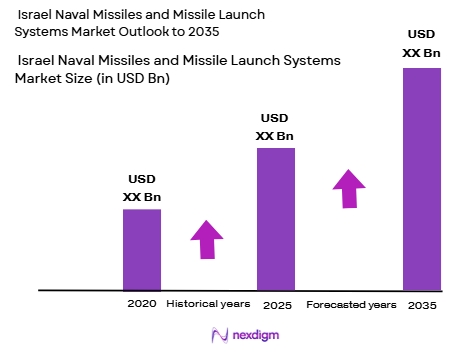
The Israel Naval Missiles and Missile Launch Systems market is valued at approximately USD ~ billion in 2024, primarily driven by Israel’s defense investments and the growing importance of naval capabilities. As a regional leader in defense technologies, Israel continues to focus on the modernization of its naval forces, leveraging advanced missile systems for strategic deterrence and defense. Israel’s defense initiatives, including the development of cutting-edge technologies like the Iron Dome for naval applications, and the continuous increase in military budgets, are key contributors to the growth of this market. Furthermore, the geopolitical instability in the Middle East and Israel’s strategic alliances with Western nations ensure a continued demand for advanced naval missile and missile launch systems to secure its borders and maintain its naval superiority.
Israel, as a major defense player in the Middle East, leads the naval missiles and missile launch systems market, bolstered by its advanced defense industry. The country’s leading defense contractors such as Israel Aerospace Industries and Rafael Advanced Defense Systems are integral to the development of advanced naval defense systems. Israel’s dominance is also a result of its geographical position, which necessitates a strong and highly advanced naval force to defend its shores and safeguard maritime trade routes. The cities of Tel Aviv and Haifa are central hubs for defense technology development, with numerous defense contractors headquartered there. Moreover, Israel’s strong defense partnerships with global powers like the United States further enhance its position in the global naval missile market, positioning the country as a top innovator in the field.
Market Segmentation
By System Type
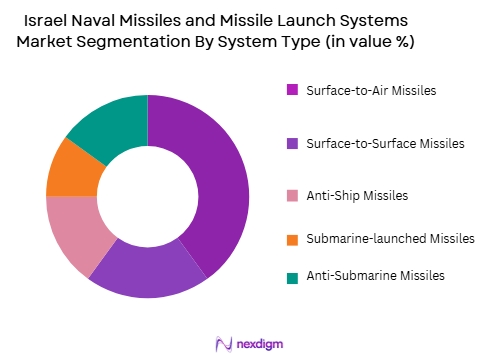
The Israel Naval Missiles and Missile Launch Systems market is segmented by system type, including surface-to-air missiles, surface-to-surface missiles, anti-ship missiles, submarine-launched missiles, and anti-submarine missiles. The surface-to-air missile segment dominates the market due to its critical role in defending naval vessels against airborne threats. Israel’s extensive use of advanced surface-to-air missile systems like the Barak 8 and Iron Dome for naval platforms has contributed to its dominance in this segment. These systems are integral to ensuring the protection of Israel’s naval vessels against increasingly sophisticated aerial threats from drones, missiles, and aircraft. The technological advancements in missile guidance systems, interception techniques, and integration into multi-layered defense systems continue to drive the growth of this subsegment. The increasing integration of air defense systems into naval platforms further solidifies the dominance of surface-to-air missiles in Israel’s defense strategy.
By Platform Type
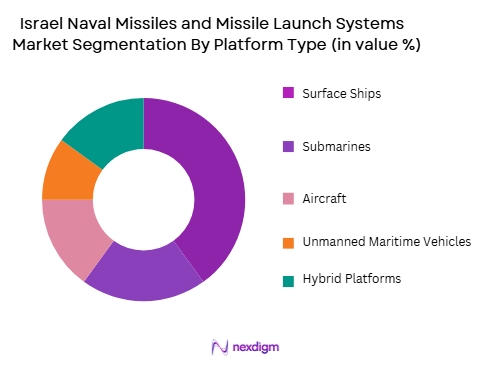
The Israel Naval Missiles and Missile Launch Systems market is also segmented by platform type, including surface ships, submarines, aircraft, unmanned maritime vehicles, and hybrid platforms. The surface ships segment dominates this market due to Israel’s heavy reliance on advanced warships like the Sa’ar-class corvettes, which are equipped with state-of-the-art missile systems for air defense and offensive operations. Israel’s naval strategy emphasizes multi-role surface vessels capable of deploying a variety of missile types for both defensive and offensive purposes. These vessels are integral to Israel’s overall defense strategy, offering a balance between offensive missile capabilities and air-defense protection. The increasing adoption of versatile missile systems integrated into these ships further strengthens the position of surface vessels in Israel’s naval missile market. Furthermore, these platforms serve as crucial assets in international defense partnerships, enhancing Israel’s export opportunities.
Competitive Landscape
The Israel Naval Missiles and Missile Launch Systems market is dominated by a few key players that are involved in both the development and production of advanced missile systems. Companies such as Israel Aerospace Industries, Rafael Advanced Defense Systems, and Elbit Systems are critical players in the market. These companies have established themselves as leaders due to their technological capabilities and strong governmental ties. Israel Aerospace Industries, for instance, has been at the forefront of developing advanced surface-to-air and anti-ship missile systems, while Rafael Advanced Defense Systems provides key solutions in air defense systems like Iron Dome, which have applications in the naval domain as well. The market also includes global defense giants like Lockheed Martin and Raytheon Technologies, who collaborate with Israel on missile defense technologies and play a significant role in the overall market landscape. This consolidation highlights the significant influence of these companies in shaping Israel’s naval missile defense capabilities, ensuring Israel’s strategic advantage in the region.
Competitive Landscape Table
| Company | Establishment Year | Headquarters | Product Portfolio | Technology Integration | R&D Investment | Government Collaborations | Defense Contracts |
| Israel Aerospace Industries | 1953 | Tel Aviv, Israel | ~ | ~ | ~ | ~ | ~ |
| Rafael Advanced Defense Systems | 1958 | Haifa, Israel | ~ | ~ | ~ | ~ | ~ |
| Elbit Systems | 1966 | Haifa, Israel | ~ | ~ | ~ | ~ | ~ |
| Lockheed Martin | 1912 | Bethesda, USA | ~ | ~ | ~ | ~ | ~ |
| Thales Group | 2000 | Paris, France | ~ | ~ | ~ | ~ | ~ |
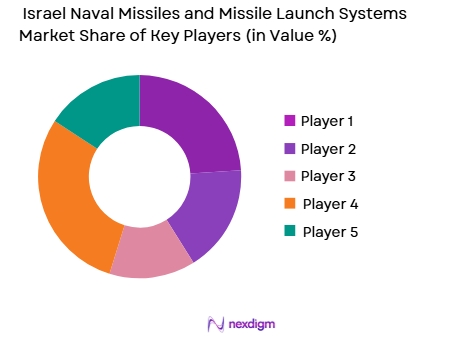
Israel Naval Missiles and Missile Launch Systems Market Analysis
Growth Drivers
Geopolitical Tensions in the Middle East
Geopolitical instability in the Middle East is a significant growth driver for the Israel Naval Missiles and Missile Launch Systems market. Israel’s strategic location in the region necessitates a strong and technologically advanced defense system to protect its territorial waters and maintain national security. Rising tensions with neighboring nations, as well as non-state actors operating in the region, have amplified the need for Israel to invest in sophisticated defense technologies, including naval missile systems. The Israeli defense sector continues to innovate and expand its missile capabilities, including advanced surface-to-air missiles, anti-ship missiles, and submarine-launched missile systems, to ensure the protection of its shores and maritime trade routes. Israel’s geopolitical position and its commitment to safeguarding its interests through advanced defense technologies are crucial in driving demand for naval missile systems. As global security concerns in the Middle East continue, the Israeli government is expected to maintain or increase its defense budget, ensuring sustained growth in the missile and missile launch systems market over the coming years.
Technological Advancements in Missile Systems
Technological innovations, particularly in the development of hypersonic missiles, autonomous systems, and integrated missile defense systems, are major drivers of growth in the Israel Naval Missiles and Missile Launch Systems market. Israel’s defense industry is renowned for its technological prowess, and its focus on advancing missile technologies, including precision-guided and multi-role systems, ensures a competitive advantage in the global defense market. The integration of artificial intelligence, machine learning, and real-time data processing into missile systems enhances the effectiveness and operational efficiency of Israel’s naval missile capabilities. Israel’s investments in hypersonic missile technologies, which are capable of reaching speeds greater than Mach 5, reflect its commitment to maintaining an advanced and adaptive defense posture. Additionally, the growing trend of integrating unmanned platforms and autonomous missile launch systems into naval operations further accelerates the demand for innovative missile solutions. With these advancements, Israel remains a key player in shaping the future of naval defense technologies.
Market Challenges
High Cost of Advanced Missile Systems
A significant challenge in the Israel Naval Missiles and Missile Launch Systems market is the high cost associated with the development, procurement, and maintenance of advanced missile systems. These systems, particularly hypersonic and precision-guided missiles, require significant investment in research and development, manufacturing, and integration into naval platforms. The sophisticated nature of these systems means that they are not only expensive to produce but also costly to maintain and upgrade over time. Moreover, the complex technology involved in developing missile systems requires highly skilled labor and specialized infrastructure, further driving up costs. For Israel, while defense spending remains high, ensuring efficient allocation of resources to continuously upgrade missile systems while managing overall defense budgets poses a financial challenge. This high cost also limits the accessibility of these advanced systems to other smaller nations or private companies, which impacts global market expansion and competition.
Integration and Interoperability with Existing Systems
Another challenge facing the Israel Naval Missiles and Missile Launch Systems market is the complexity of integrating new missile systems with existing naval platforms. Israel’s naval fleet includes a wide range of vessels, including surface ships, submarines, and unmanned maritime vehicles, each requiring specific missile systems and launch platforms. The challenge lies in ensuring these missile systems are compatible with the various platform types, both in terms of hardware and software. This integration process can be time-consuming, costly, and technically complex, as each system must be tailored to fit the specific requirements of the platform. Furthermore, interoperability between different missile systems and the ability to communicate across multiple platforms are critical to ensuring the effectiveness of the overall defense network. As Israel continues to develop new missile technologies, maintaining seamless integration with legacy systems and ensuring compatibility with allied defense technologies remains a crucial challenge.
Opportunities
Expansion of Hypersonic Missile Technology
The development and deployment of hypersonic missile systems present significant opportunities for the Israel Naval Missiles and Missile Launch Systems market. Hypersonic missiles, which travel at speeds exceeding Mach 5, are expected to revolutionize naval defense by providing unprecedented speed and maneuverability, making them difficult for traditional missile defense systems to intercept. Israel has already demonstrated its commitment to developing hypersonic technology, and this market segment is poised for growth in the coming years. The demand for hypersonic systems is rising globally, as nations recognize their strategic value for deterrence and rapid-response military operations. Israel, with its strong focus on defense innovation, is well-positioned to lead in this emerging market. The development of these advanced missile systems will not only bolster Israel’s naval defense capabilities but also provide new avenues for defense exports to allied nations seeking cutting-edge missile technologies to counter evolving threats. This opens up new revenue streams and strengthens Israel’s position in the global defense market.
International Defense Collaborations and Exports
Israel’s reputation as a leader in defense technology offers significant opportunities for expanding its naval missile systems market through international defense collaborations and exports. The country’s advanced missile technologies are in demand globally, especially in regions facing similar security challenges, such as the Indo-Pacific and the Middle East. Israel’s strategic defense alliances with countries like the United States, India, and other NATO members create opportunities for joint ventures and technology sharing, further expanding its reach in the global market. As other nations modernize their defense forces and seek advanced missile solutions, Israel can leverage its strong technological capabilities and partnerships to meet this growing demand. Additionally, the Israeli government’s efforts to promote defense exports through favorable policies and initiatives will play a crucial role in enhancing market growth. This expansion of defense exports allows Israel to maintain its technological edge while diversifying its defense revenue streams, further solidifying its global leadership in the naval missile systems market.
Future Outlook
Over the next decade, the Israel Naval Missiles and Missile Launch Systems market is expected to show robust growth, fueled by continuous defense modernization, advancements in missile technologies, and the strategic need for enhanced naval deterrence in the Middle East. With the growing focus on developing hypersonic missiles and integrating artificial intelligence for missile guidance and interception, Israel is well-positioned to maintain its leadership in the naval missile market. Additionally, the increasing collaboration with international defense partners, particularly the United States, is expected to bolster Israel’s technological capabilities, leading to new market opportunities and advancements. The demand for versatile, multi-role naval platforms and integrated defense systems will continue to be key drivers of market growth.
Major Players
- Israel Aerospace Industries
- Rafael Advanced Defense Systems
- Elbit Systems
- Lockheed Martin
- Thales Group
- Raytheon Technologies
- Northrop Grumman
- BAE Systems
- General Dynamics Mission Systems
- Saab AB
- L3 Technologies
- Leonardo
- Huntington Ingalls Industries
- Navantia
- Israel Shipyards Ltd.
Key Target Audience
- Israel Ministry of Defense
- Israel Navy
- International Naval Forces
- Private Defense Contractors
- Investments and Venture Capitalist Firms
- Military Technology Providers
- Government and Regulatory Bodies
- Defense Research Institutions
Research Methodology
Step 1: Identification of Key Variables
The first phase involves identifying the key market drivers and stakeholders within the Israel Naval Missiles and Missile Launch Systems market. This process will rely on secondary research from defense industry reports and government sources to create a comprehensive ecosystem map.
Step 2: Market Analysis and Construction
This phase will analyze the historical data regarding market growth, technological advancements, and defense budgets. It will also assess the integration of missile systems in naval platforms and the demand for these systems in both national and international markets.
Step 3: Hypothesis Validation and Expert Consultation
Market hypotheses will be validated by conducting interviews with industry experts, including defense contractors, military officials, and technology providers. These consultations will offer insights into the technological trends and challenges within the missile systems market.
Step 4: Research Synthesis and Final Output
In the final phase, the findings from primary and secondary research will be synthesized to provide a detailed and accurate analysis of the Israel Naval Missiles and Missile Launch Systems market. This report will include growth projections, market trends, and detailed competitor analysis.

- Executive Summary
- Research Methodology (Definitions, Scope, Industry Assumptions, Market Sizing Approach, Primary & Secondary Research Framework, Data Collection & Verification Protocol, Analytic Models & Forecast Methodology, Limitations & Research Validity Checks)

- Market Definition and Scope
- Value Chain & Stakeholder Ecosystem
- Regulatory / Certification Landscape
- Sector Dynamics Affecting Demand
- Strategic Initiatives & Infrastructure Growth

- Growth Drivers
Increasing regional defense tensions in the Middle East
Israel’s expanding defense budget and military modernization
Technological advancements in missile defense systems - Market Challenges
High cost of advanced missile systems and launch platforms
Complexity of integration and interoperability with existing naval systems
Vulnerabilities to cyber threats targeting missile defense systems - Market Opportunities
Development of hypersonic missile systems for naval platforms
Growing demand for autonomous missile launch systems
Expansion of missile defense exports to allied countries - Trends
Integration of AI and machine learning in missile guidance systems
Rise in unmanned systems for missile launches
Growing focus on multi-role naval platforms with advanced missile capabilities - Government regulations
Export control laws for missile systems
Naval defense procurement regulations
International treaties on arms control and missile development - SWOT analysis
- Porters 5 forces

- By Market Value 2020-2025
- By Installed Units 2020-2025
- By Average System Price 2020-2025
- By System Complexity Tier 2020-2025

- By System Type (In Value%)
Surface-to-Air Missiles
Surface-to-Surface Missiles
Anti-Ship Missiles
Submarine-launched Missiles
Anti-Submarine Missiles - By Platform Type (In Value%)
Surface Ships
Submarines
Aircraft
Unmanned Maritime Vehicles
Hybrid Platforms
- By Fitment Type (In Value%)
OEM Fitment
Aftermarket Fitment
Modular Fitment
Custom Fitment
Upgrade Fitment - By EndUser Segment (In Value%)
Israel Navy
International Naval Forces
Private Defense Contractors
Defense Research Institutions
Government Defense Agencies - By Procurement Channel (In Value%)
Direct Procurement
Indirect Procurement
Government Contracts
Private Sector Contracts
Online Platforms

- Cross Comparison Parameters (Price, Technology Adoption, System Integration, After-sales Service, Regulatory Compliance)
- SWOT Analysis of Key Competitors
- Pricing & Procurement Analysis
- Key Players
Israel Aerospace Industries
Rafael Advanced Defense Systems
Lockheed Martin
Thales Group
Boeing Defense, Space & Security
Navantia
Northrop Grumman
BAE Systems
Raytheon Technologies
General Dynamics Mission Systems
Saab AB
L3 Technologies
Huntington Ingalls Industries
Elbit Systems
Leonardo

- Israel’s strategic military alliances influencing demand
- Need for advanced missile defense systems in regional naval forces
- Emerging private sector involvement in missile system production
- Increased collaboration with international defense contractors

- Forecast Market Value,2026-2035
- Forecast Installed Units,2026-2035
- Price Forecast by System Tier,2026-2035
- Future Demand by Platform,2026-2035


 Request a Sample
 Ask for Customization
 Get a Quote
 Enquire Now