

 Download PDF
 Download PDF
Market Overview
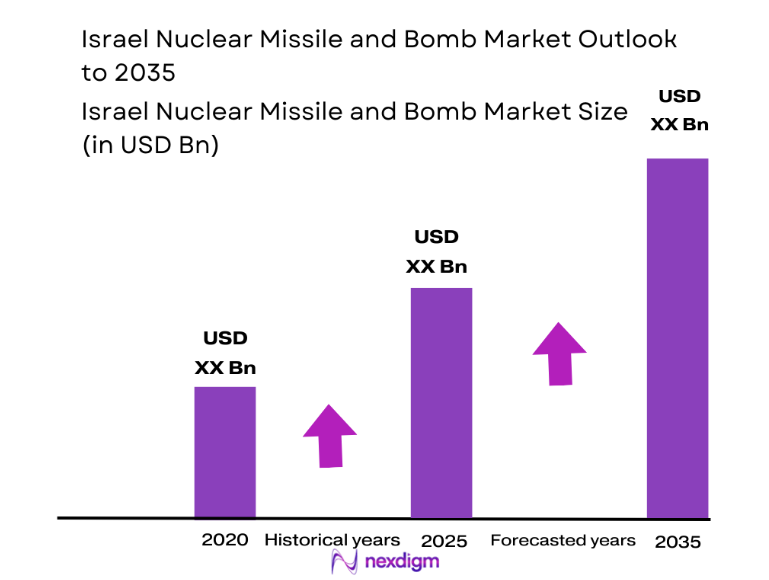
The Israel Nuclear Missile and Bomb Market is currently valued at approximately USD ~ billion. It is primarily driven by advancements in nuclear missile technology, significant defense spending, and a growing need for strategic deterrence capabilities. Israel’s strong focus on R&D, supported by both public and private investments, facilitates technological innovation, resulting in cutting-edge nuclear propulsion and missile defense systems. Moreover, the nation’s defense strategies, particularly concerning missile defense integration and nuclear deterrence, contribute substantially to the market’s growth trajectory. Government policies and international defense collaborations are also key elements in this market’s progression.
The dominant players in the Israel Nuclear Missile and Bomb Market are concentrated in major defense hubs such as Tel Aviv, Haifa, and Eilat, where the country’s primary defense contractors, such as Israel Aerospace Industries and Rafael Advanced Defense Systems, are located. Israel’s prominence in nuclear missile technologies is bolstered by its strategic geopolitical positioning and a robust defense infrastructure, ensuring its dominance in regional and international defense sectors. The nation’s defense policies and long-standing defense relationships with global powers further solidify its position in the market, making it a leading supplier of missile systems worldwide.
Market Segmentation
By Product Type
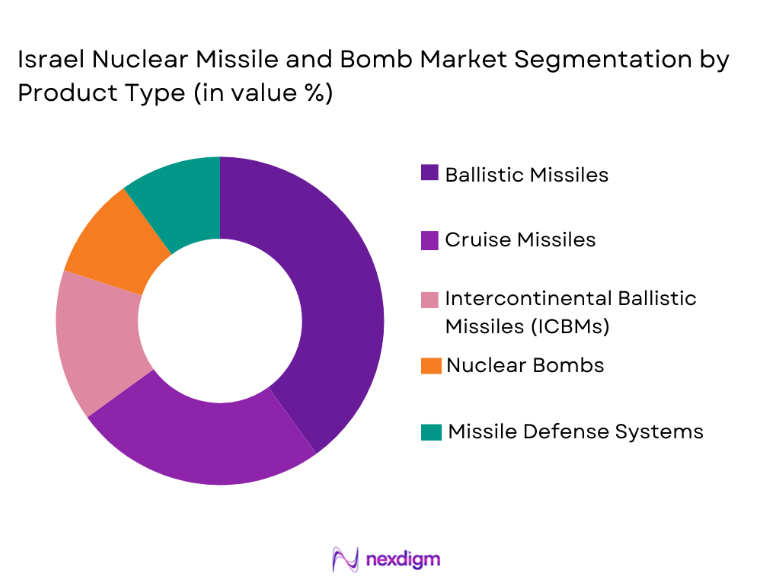
The Israel Nuclear Missile and Bomb Market is segmented by product type into ballistic missiles, cruise missiles, intercontinental ballistic missiles (ICBMs), nuclear bombs, and missile defense systems. Recently, ballistic missiles have dominated the market share due to factors such as Israel’s technological advancements in missile guidance, precision targeting, and advanced warhead capabilities. Ballistic missiles are pivotal in Israel’s defense strategy, particularly in regional deterrence and global defense agreements. Their extensive usage in military operations and the advancement of technologies such as propulsion, guidance systems, and nuclear warheads have allowed this segment to maintain its market dominance.
By Platform Type
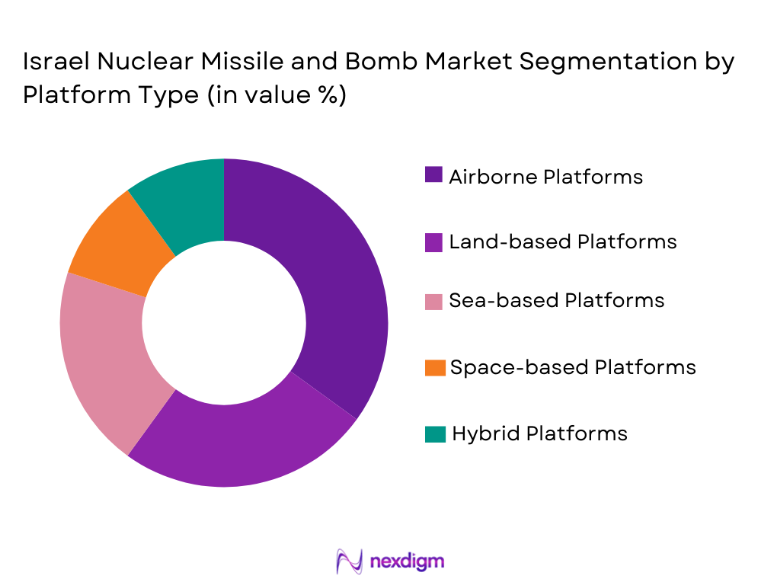
The market is also segmented by platform type into land-based platforms, sea-based platforms, airborne platforms, space-based platforms, and hybrid platforms. Airborne platforms currently have a dominant market share due to the increasing integration of missile systems with advanced fighter jets and bombers, which are crucial for Israel’s aerial defense strategies. Israel has consistently invested in the development of precision-guided missiles integrated into fighter jets, making them highly effective for both offense and defense. The widespread adoption of this platform type, bolstered by the Israeli military’s focus on air superiority, has solidified its leading position in this segment.
Competitive Landscape
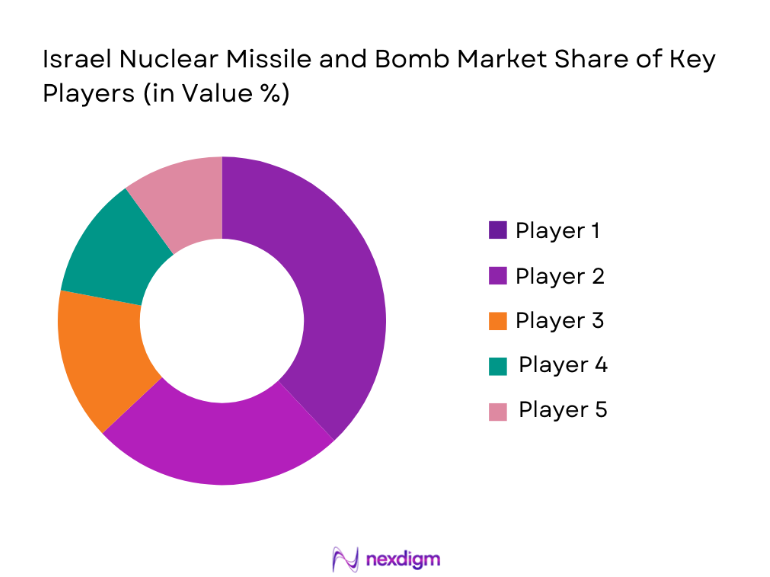
The Israel Nuclear Missile and Bomb Market is highly competitive, with a concentration of major defense contractors leading the way in innovation and production. The market is characterized by strategic consolidation, as prominent defense companies collaborate with government entities to drive technological advancements and ensure long-term market dominance. Major players like Israel Aerospace Industries and Rafael Advanced Defense Systems play an essential role in shaping the future of Israel’s defense technology, while government policies and defense budgets continue to influence market dynamics. International defense collaborations and state-backed initiatives further consolidate the market, fostering an environment for ongoing growth and technological improvement.
| Company Name | Establishment Year | Headquarters | Technology Focus | Market Reach | Key Products | Revenue | Technology Adoption Rate |
| Israel Aerospace Industries | 1953 | Tel Aviv | ~ | ~ | ~ | ~ | ~ |
| Rafael Advanced Defense Systems | 1958 | Haifa | ~ | ~ | ~ | ~ | ~ |
| Elbit Systems | 1966 | Haifa | ~ | ~ | ~ | ~ | ~ |
| Israel Military Industries | 1933 | Lod | ~ | ~ | ~ | ~ | ~ |
| Magen David Adom | 1930 | Tel Aviv | ~ | ~ | ~ | ~ | ~ |
Israel Nuclear Missile and Bomb Market Analysis
Growth Drivers
Technological Advancements in Missile Systems
Technological advancements in missile systems have become one of the key growth drivers for the Israel Nuclear Missile and Bomb Market. As Israel continues to advance its missile technology, key innovations in guidance, propulsion, and warhead delivery systems play a central role in strengthening its defense capabilities. New developments in stealth technology and hypersonic missile systems are particularly important, positioning Israel as a leader in missile defense globally. Additionally, Israel’s continuous investment in artificial intelligence (AI) and machine learning (ML) integration into missile guidance systems has enhanced precision targeting, making missiles even more effective. These innovations improve the deterrence capabilities of the country, offering a significant advantage in defense operations. Another important factor contributing to growth is the military’s focus on modular missile systems, which enable rapid upgrades and improved interoperability with other platforms, increasing both defense efficiency and market demand. As the need for advanced defense technologies grows, Israel is well-positioned to meet global demand, boosting the country’s economic and technological influence within the defense sector.
Increasing Military Budgets Globally
Increasing defense budgets globally is another major growth driver for the Israel Nuclear Missile and Bomb Market. Nations around the world are ramping up their military expenditures due to growing security concerns, regional conflicts, and the proliferation of nuclear weapons. This increased military spending is leading to a higher demand for advanced missile systems, especially those equipped with nuclear capabilities. Israel, with its advanced missile defense technologies and nuclear deterrence systems, has become a major supplier to international defense forces. The growing geopolitical tensions, especially in regions like the Middle East, Europe, and Asia-Pacific, have made nuclear deterrence more essential, further driving the demand for Israel’s missile and bomb technologies. With countries continuously looking for ways to modernize their defense systems, Israel’s expertise in nuclear missiles positions the country as a critical player in the global defense market. In addition, strategic partnerships and defense alliances with powerful countries such as the United States enhance Israel’s access to new markets and opportunities, further fueling growth.
Market Challenges
High Development and Manufacturing Costs
One of the major challenges facing the Israel Nuclear Missile and Bomb Market is the high development and manufacturing costs of advanced missile systems. The intricate nature of nuclear missile technology requires significant investments in research, testing, and production. Developing reliable and secure systems capable of withstanding modern warfare conditions and meeting international regulations often involves a substantial financial commitment. As these systems become more advanced, incorporating sophisticated propulsion, guidance, and warhead technologies, the costs associated with their development and production rise significantly. These high costs are not only a challenge for Israel’s defense industry but also pose a barrier for potential customers, especially those from emerging economies with limited defense budgets. The cost of technological upgrades, safety protocols, and compliance with international nuclear non-proliferation treaties further increases expenses, potentially hindering the expansion of the market. Despite these challenges, Israel remains committed to innovation and seeks to balance cost efficiency with cutting-edge advancements in nuclear missile systems, although the financial barriers remain significant.
Geopolitical Tensions and Security Concerns
Geopolitical tensions and security concerns also present challenges to the Israel Nuclear Missile and Bomb Market. While Israel’s advanced missile systems are critical for its own national security, the international scrutiny on the country’s nuclear capabilities continues to grow. Geopolitical dynamics in the Middle East, such as tensions with neighboring countries, fuel concerns about nuclear proliferation. International organizations and treaties, including the United Nations and the International Atomic Energy Agency (IAEA), closely monitor Israel’s nuclear weapons program, often creating friction in global defense trade relationships. These security concerns affect both Israel’s ability to export missile systems and its capacity to enhance its technological capabilities while adhering to international regulations. The complex political landscape limits Israel’s export options and requires careful diplomatic efforts to balance defense needs with global expectations. As the market for nuclear missile systems grows, Israel must navigate these geopolitical challenges to maintain its competitive edge while ensuring compliance with global defense standards.
Opportunities
Technological Innovation in Propulsion and Guidance Systems
The technological innovation in propulsion and guidance systems presents a significant opportunity for the Israel Nuclear Missile and Bomb Market. As countries around the world focus on enhancing their missile defense systems, there is a rising demand for more precise, faster, and reliable missile systems. Israel is positioned to capitalize on this opportunity by further advancing its missile propulsion technologies, including hypersonic propulsion, which would allow for faster and more evasive missiles. The integration of artificial intelligence (AI) and machine learning (ML) into guidance systems can also provide Israel with a unique advantage, improving the effectiveness and efficiency of missile systems in targeting and evading interception. Additionally, developing systems with enhanced stealth capabilities and minimizing detection in contested environments will open new markets, especially for customers in need of state-of-the-art missile systems. These advancements in propulsion and guidance technologies represent an area of growth for Israel’s defense sector, attracting interest from international partners and contributing to its competitive positioning in the global market.
Expansion into Emerging Markets
Another key opportunity lies in Israel’s potential for expansion into emerging markets. As geopolitical risks continue to rise, nations in regions such as Asia-Pacific, Latin America, and Africa are seeking to modernize their military capabilities and strengthen their defense systems. Israel’s advanced missile technologies, particularly in nuclear deterrence and missile defense, can address these growing security concerns. Emerging markets often face challenges in building their own missile defense infrastructure, making them highly dependent on foreign suppliers like Israel for advanced systems. By expanding its presence in these regions, Israel has the opportunity to secure lucrative defense contracts and foster long-term strategic alliances with governments looking to bolster their military strength. Additionally, as these markets increasingly prioritize defense modernization, Israel’s proven expertise in missile defense and nuclear technologies positions the country to meet the specific needs of these emerging defense markets.
Future Outlook
The Israel Nuclear Missile and Bomb Market is poised for steady growth over the next five years, with a strong emphasis on technological innovations and defense collaborations. Continued advancements in missile technology, such as hypersonic propulsion and AI-guided systems, are expected to drive the market forward. Geopolitical tensions in regions like the Middle East and Asia-Pacific will further fuel demand for advanced defense systems. Additionally, regulatory support from international defense agreements and increased military budgets globally will contribute to sustained growth. As Israel continues to strengthen its defense infrastructure, the market is likely to experience expanded demand, especially from emerging economies seeking advanced nuclear missile capabilities.
Major Players
- Israel Aerospace Industries
- Rafael Advanced Defense Systems
- Elbit Systems
- Israel Military Industries
- Magen David Adom
- Elta Systems
- Israel Shipyards
- Rada Electronics
- IAI – Tamam Division
- SoreqNuclear Research Center
- Shalom Technologies
- Cyberbit
- TadiranGroup
- IAI – MLM Division
- Israel Tactical Systems
Key Target Audience
- Investments and venture capitalist firms
- Government and regulatory bodies
- Military agencies and defense contractors
- Defense procurement offices
- International defense alliances
- Aerospace and defense manufacturers
- Missile defense technology developers
- Military research organizations
Research Methodology
Step 1: Identification of Key Variables
Key variables affecting the market, including technological advancements, geopolitical tensions, and defense spending, are identified through primary and secondary research.
Step 2: Market Analysis and Construction
Comprehensive market data, including market size, growth trends, and technological developments, is analyzed to construct a detailed market model.
Step 3: Hypothesis Validation and Expert Consultation
The constructed model is validated through expert interviews and consultations with industry professionals and military analysts.
Step 4: Research Synthesis and Final Output
The final research synthesis includes the comprehensive analysis and forecast based on data collected and insights gathered from experts in the field.

- Executive Summary
- Israel Nuclear Missile and Bomb Market Research Methodology (Definitions, Scope, Industry Assumptions, Market Sizing Approach, Primary & Secondary Research Framework, Data Collection & Verification Protocol, Analytic Models & Forecast Methodology, Limitations & Research Validity Checks)

- Market Definition and Scope
- Value Chain & Stakeholder Ecosystem
- Regulatory / Certification Landscape
- Sector Dynamics Affecting Demand
- Strategic Initiatives & Infrastructure Growth

- Growth Drivers
Technological advancements in nuclear missile systems
Rising geopolitical tensions and defense budgets
Increased government spending on defense infrastructure
Growing demand for multi-platform missile defense solutions
Advancements in nuclear weapons delivery systems - Market Challenges
High development and manufacturing costs
Geopolitical opposition and international regulations
Technological and infrastructure barriers in certain regions
Maintaining system reliability and safety
Complexity in meeting evolving security threats - Market Opportunities
Potential for international defense collaborations
Advancements in nuclear propulsion technologies
Expansion of defense contracts in emerging markets - Trends
Increasing focus on hybrid missile systems
Shift towards space-based missile defense platforms
Development of green and sustainable propulsion systems
Growing integration of AI and machine learning in missile systems
Technological advancements in stealth and evasion tactics - Government Regulations & Defense Policy
Stringent international non-proliferation agreements
Enhanced missile defense system regulations
Government funding for advanced defense technologies - SWOT Analysis
- Stakeholder and Ecosystem Analysis
- Porter’s Five Forces Analysis
- Competition Intensity and Ecosystem Mapping

- By Market Value, 2020-2025
- By Installed Units, 2020-2025
- By Average System Price, 2020-2025
- By System Complexity Tier, 2020-2025

- By System Type (In Value%)
Ballistic Missiles
Cruise Missiles
Intercontinental Ballistic Missiles (ICBMs)
Nuclear Bombs
Missile Defense Systems - By Platform Type (In Value%)
Land-based Platforms
Sea-based Platforms
Airborne Platforms
Space-based Platforms
Hybrid Platforms - By Fitment Type (In Value%)
Mobile Systems
Stationary Systems
Submarine-Launched Systems
Land Vehicle-Launched Systems - By EndUser Segment (In Value%)
Military Agencies
Government Defense Bodies
Research & Development Organizations
Private Defense Contractors
International Defense Alliances - By Procurement Channel (In Value%)
Direct Government Procurement
Defense Contracts
Public Tenders
Private Sector Procurement
International Collaboration Agreements - By Material / Technology (in Value%)
Advanced Nuclear Technology
Ballistic Technology
Guidance and Control Systems
Propulsion Systems
Stealth Technology

- Market structure and competitive positioning
- Market share snapshot of major players
- CrossComparison Parameters (Technology, System Complexity, Platform Integration, Fitment Type, Global Reach, Procurement Channels, Cost Efficiency, Government Alliances, Research & Development Investment, Environmental Impact)
- SWOT Analysis of Key Players
- Pricing & Procurement Analysis
- Key Players
Israel Aerospace Industries
Rafael Advanced Defense Systems
Elbit Systems
IAI (Israel Aircraft Industries)
IAI – MLM Division
Israel Military Industries
Magen David Adom
Elta Systems
Israel Shipyards
Rada Electronics
IAI – Tamam Division
Soreq Nuclear Research Center
Shalom Technologies
Cyberbit
Tadiran Group

- Increasing demand from military agencies for advanced defense systems
- Strategic collaborations with international defense forces
- Growing investment from private defense contractors
- Expansion of defense infrastructure by government bodies

- Forecast Market Value, 2026-2035
- Forecast Installed Units, 2026-2035
- Price Forecast by System Tier, 2026-2035
- Future Demand by Platform, 2026-2035


 Request a Sample
 Ask for Customization
 Get a Quote
 Enquire Now