
 Download PDF
 Download PDF
Market Overview
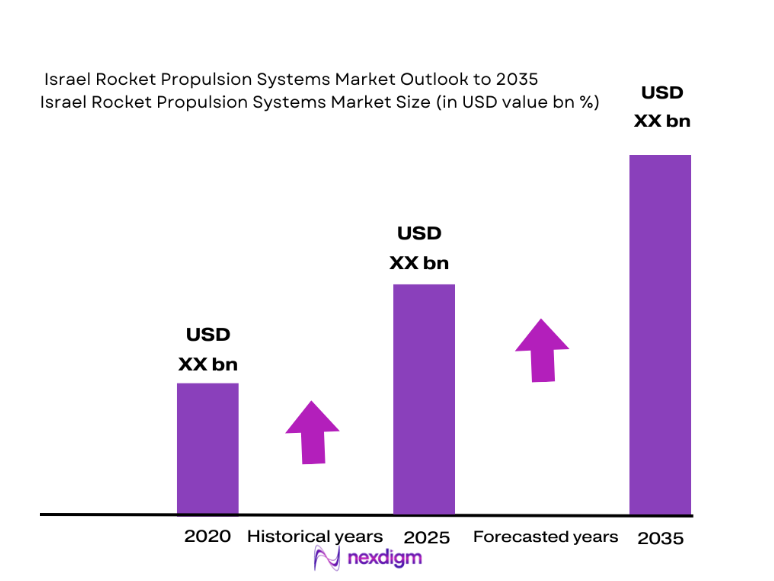
The Israel rocket propulsion systems market is driven by the increasing demand for advanced defense technologies and the rapid growth of commercial space exploration. With a focus on developing efficient and high-performance propulsion systems, Israel has become a key player in both military and space sectors. The market is expected to experience growth in terms of product innovation and deployment, driven by substantial investments in research and development from both the government and private aerospace companies. Based on a recent historical assessment, the market is valued in billions ~ USD.
The dominance of Israel in the rocket propulsion systems market can be attributed to the country’s strategic initiatives in defense and space exploration. With strong government support for military defense projects and a well-established defense infrastructure, Israel leads the region in propulsion technology development. Additionally, Israel’s collaboration with global aerospace companies strengthens its market position, while its geographical location offers a strategic advantage for space launch operations. The country is known for its technological innovations and military expertise, fostering its leadership in the sector.
Market Segmentation
By Product Type
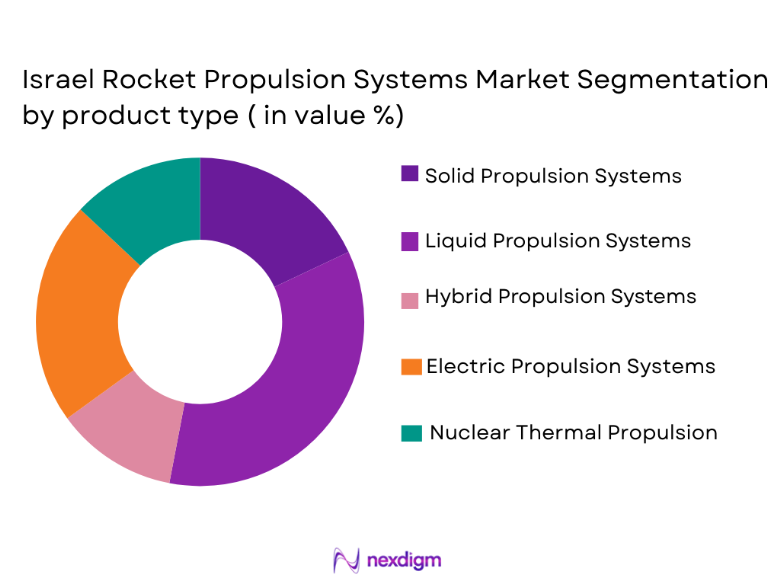
Israel’s rocket propulsion systems market is segmented by product type into solid, liquid, hybrid, electric, and nuclear thermal propulsion systems. Recently, liquid propulsion systems had a dominant market share due to factors such as higher efficiency, reliability, and flexibility compared to solid propulsion systems. Liquid propulsion systems are essential for both military and space applications, including missile defense and satellite launches, where precise control and performance are critical. As the demand for more efficient propulsion technology increases, liquid propulsion systems continue to hold the largest share.
By Platform Type
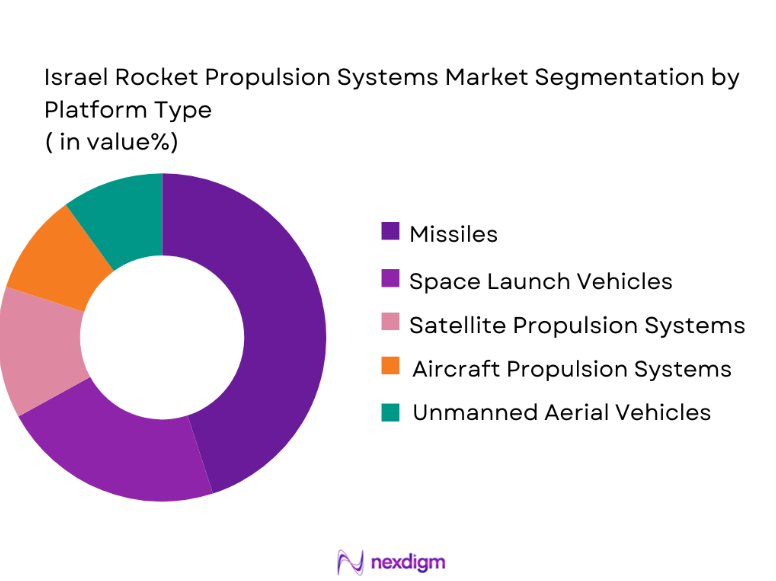
The Israel rocket propulsion systems market is segmented by platform type into missiles, space launch vehicles, satellite propulsion systems, aircraft propulsion systems, and unmanned aerial vehicles (UAVs). Recently, missile propulsion systems had the largest share due to the high demand for advanced defense solutions and Israel’s prominent role in missile defense technologies. Missile systems require high-performing propulsion to achieve precise targeting and extended range, making them critical to Israel’s defense strategies. This segment remains dominant as geopolitical tensions continue to spur military investments.
Competitive Landscape
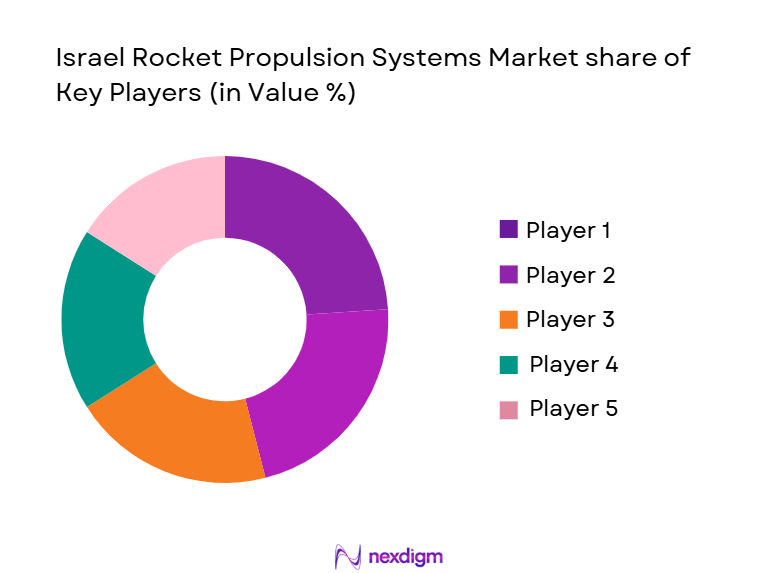
The competitive landscape of Israel’s rocket propulsion systems market is characterized by significant consolidation, with several major players dominating the sector. These companies are focused on technological advancements and securing high-value government contracts, particularly in defense. The market is influenced by Israel’s strategic partnerships with international aerospace firms, which enhance its global competitiveness. Moreover, continued investment in R&D plays a crucial role in maintaining market leadership, as companies strive to meet the evolving demands of both defense and commercial sectors.
| Company Name | Establishment Year | Headquarters | Technology Focus | Market Reach | Key Products | Revenue (USD) | Additional Parameter |
| Israel Aerospace Industries | 1953 | Tel Aviv, Israel | ~ | ~ | ~ | ~ | ~ |
| Rafael Advanced Defense Systems | 2002 | Haifa, Israel | ~ | ~ | ~ | ~ | ~ |
| Elbit Systems | 1966 | Haifa, Israel | ~ | ~ | ~ | ~ | ~ |
| SpaceIL | 2011 | Tel Aviv, Israel | ~ | ~ | ~ | ~ | ~ |
| MDA | 2002 | Tel Aviv, Israel | ~ | ~ | ~ | ~ | ~ |
Israel Rocket Propulsion Systems Market Analysis
Growth Drivers
Technological Advancements in Propulsion Systems
Technological advancements in propulsion systems are driving the growth of the Israel rocket propulsion systems market. With significant investments in research and development, Israel has positioned itself as a leader in the development of cutting-edge propulsion technologies. These advancements include improvements in efficiency, fuel types, and system integration, which enable Israel’s defense and aerospace sectors to stay ahead in missile defense and space exploration. As new technologies emerge, there is an increasing demand for propulsion systems that offer better performance, lower costs, and greater reliability. The focus on innovation in electric and hybrid propulsion systems is particularly significant in the context of sustainable space missions. Israel’s ongoing collaboration with international aerospace organizations further strengthens its position in propulsion technology, creating new opportunities in both the military and commercial sectors. The push towards reducing emissions and improving energy efficiency in space systems also boosts the demand for more sustainable propulsion options, further accelerating growth in the market. As these technological improvements continue, Israel’s market for rocket propulsion systems is poised for substantial growth, driven by these advancements in propulsion technologies.
Government Support and Defense Investments
Another key growth driver for the Israel rocket propulsion systems market is the strong government support for defense and space initiatives. Israel’s government has consistently allocated substantial funding to the defense and aerospace sectors, recognizing the strategic importance of advanced propulsion systems for both national security and space exploration. This support is evidenced by the substantial investments in missile defense technologies and space projects such as satellite launches and lunar missions. Additionally, Israel’s strategic location and defense posture in the Middle East make it a key player in regional defense initiatives, further increasing the demand for advanced propulsion systems. With heightened geopolitical tensions, particularly in the Middle East, the need for robust missile defense systems continues to drive investments in propulsion technologies. Israel’s government has also fostered close ties with other nations, such as the United States, to enhance its capabilities in missile defense and space exploration, leading to expanded opportunities for the local rocket propulsion systems market. Government contracts remain a critical factor in the growth of this sector, ensuring continued demand and technological advancements.
Market Challenges
High Development and Maintenance Costs
A significant challenge facing the Israel rocket propulsion systems market is the high development and maintenance costs associated with advanced propulsion technologies. These systems require substantial investments in research, testing, and infrastructure, which can be a barrier for new entrants and smaller players in the market. Furthermore, the complexity of developing propulsion systems that meet stringent performance standards, especially for military and space applications, increases the overall cost burden. The high cost of raw materials and advanced manufacturing processes adds to the financial strain on companies in this market. The need for continuous testing, validation, and refinement of propulsion systems further escalates these costs, especially when considering the long timelines involved in bringing new technologies to market. This challenge is particularly acute for smaller companies that lack the capital reserves of larger players. As the market for rocket propulsion systems continues to grow, managing these costs effectively will be critical for maintaining profitability and ensuring sustainability in the sector.
Regulatory and Certification Hurdles
Another major challenge in the Israel rocket propulsion systems market is the complex regulatory landscape surrounding the development and deployment of propulsion systems. The aerospace and defense industries are heavily regulated, with strict guidelines governing the design, testing, and approval of propulsion systems. These regulations can vary significantly between countries, adding layers of complexity for companies seeking to expand internationally. For Israeli companies, navigating the regulatory environment of foreign markets, particularly in the United States and European Union, presents a significant challenge. Additionally, obtaining certifications for new propulsion technologies can be a lengthy and expensive process, delaying the time-to-market for new products. This regulatory burden can slow innovation and limit the ability of companies to quickly adapt to changing market demands. The increased scrutiny on defense technologies also complicates the approval process for government contracts, as international tensions and security concerns lead to more stringent regulations. As a result, companies in the Israel rocket propulsion systems market must invest considerable resources in compliance and certification processes to maintain their competitive edge.
Opportunities
Expansion of Commercial Space Ventures
One of the key opportunities in the Israel rocket propulsion systems market is the growing expansion of commercial space ventures. As space exploration becomes more accessible, there is a significant rise in the demand for reliable and efficient rocket propulsion systems. Israeli companies are well-positioned to capitalize on this trend, leveraging their advanced technological expertise and strong defense industry infrastructure. The increasing number of private space missions, including satellite launches and space tourism, offers substantial growth prospects for Israeli rocket propulsion manufacturers. With Israel’s track record in space exploration and satellite technology, commercial space ventures provide a ripe opportunity for growth. Israeli companies can expand their market reach by offering propulsion systems that cater to the needs of commercial players looking for cost-effective, high-performance solutions. Additionally, Israel’s collaborations with global space agencies and private firms further strengthen its position in the commercial space sector, making it a key player in the development of propulsion systems for space exploration and satellite launches.
Advancements in Sustainable Propulsion Technologies
Another significant opportunity for the Israel rockets propulsion systems market lies in the development of sustainable propulsion technologies. As environmental concerns continue to rise globally, there is increasing pressure on the aerospace and defense industries to adopt greener technologies. Israel’s emphasis on innovation in propulsion systems presents an opportunity to lead the way in the development of sustainable propulsion technologies, such as hybrid and electric propulsion systems. These technologies offer significant environmental benefits by reducing emissions and improving energy efficiency. Israeli companies can tap into the growing demand for eco-friendly propulsion solutions by leveraging their advanced research and development capabilities. The increasing focus on sustainability in the aerospace industry presents an opportunity for Israeli manufacturers to diversify their product offerings and expand into new markets. With global space missions and defense projects prioritizing sustainable technologies, Israel’s rocket propulsion systems market stands to benefit from the demand for green propulsion solutions in the coming years. This opportunity aligns with global efforts to reduce the environmental impact of space and defense activities.
Future Outlook
The future outlook for Israel’s rocket propulsion systems market is positive, with significant growth expected over the next five years. Continued advancements in propulsion technologies, including hybrid and electric systems, will drive market expansion, alongside increasing investments in both defense and space exploration. Israel’s strategic partnerships and government support for defense technologies will further bolster market development, ensuring the country’s position as a leader in advanced propulsion systems. The rise of commercial space ventures and the growing emphasis on sustainable technologies will open new avenues for market growth, while continued geopolitical tensions will fuel demand for advanced missile defense systems.
Major Players
- Israel Aerospace Industries
- Rafael Advanced Defense Systems
- Elbit Systems
- SpaceIL
- MDA
- Orbit Technologies
- Aerospace Corporation
- IAI Space Division
- Isracast
- Rocket Lab
- Rocketdyne
- Blue Origin
- Northrop Grumman
- Arianespace
- Lockheed Martin
- General Electric Aviation
Key Target Audience
- Investments and venture capitalist firms
- Government and regulatory bodies
- Aerospace and defense manufacturers
- Space agencies and organizations
- Military contractors
- Commercial satellite operators
- International defense and aerospace companies
- Private space exploration firms
Research Methodology
Step 1: Identification of Key Variables
This step involves identifying the primary drivers, challenges, and opportunities influencing the market. By analyzing current trends, technologies, and economic factors, we identify the key variables shaping the market’s future.
Step 2: Market Analysis and Construction
Here, the data is collected through primary and secondary research, including market reports, interviews with industry experts, and surveys. The market construction involves segmenting the market by product type, platform, and geography.
Step 3: Hypothesis Validation and Expert Consultation
Once the data is gathered, hypotheses about market trends and growth opportunities are validated with input from key experts in the aerospace and defense industries. This step ensures the accuracy and relevance of the research.
Step 4: Research Synthesis and Final Output
The final research output synthesizes all the data and insights, producing a comprehensive market analysis report. This report provides an in-depth understanding of the market dynamics and growth potential.

- Executive Summary
- Research Methodology (Definitions, Scope, Industry Assumptions, Market Sizing Approach, Primary & Secondary Research Framework, Data Collection & Verification Protocol, Analytic Models & Forecast Methodology, Limitations & Research Validity Checks)

- Market Definition and Scope
- Value Chain & Stakeholder Ecosystem
- Regulatory / Certification Landscape
- Sector Dynamics Affecting Demand
- Strategic Initiatives & Infrastructure Growth

- Growth Drivers
Technological Advancements in Propulsion Efficiency
Increase in Space Exploration Initiatives
Geopolitical Tensions Driving Defense Investments
Growing Commercial Space Launch Requirements
Development of Sustainable and Eco-friendly Propulsion Systems - Market Challenges
High Research and Development Costs
Complex Regulatory Approvals for New Technologies
Dependence on Government Funding for Space Missions
Technological Integration and Compatibility Issues
Supply Chain and Component Sourcing Challenges - Market Opportunities
Emerging Private Sector Investments in Space Technologies
Collaborations Between National and Commercial Space Organizations
Development of Reusable Propulsion Systems for Cost Reduction - Trends
Miniaturization of Propulsion Systems
Advancements in Hybrid Propulsion Technologies
Increased Focus on Green and Sustainable Propulsion Solutions
Growth of Small Satellite Launch Market
Improvement of Propulsion System Efficiency in Hypersonic Vehicles - Government Regulations & Defense Policy
Space Law and International Cooperation Policies
National Security Concerns Driving Innovation in Defense Systems
Government Investment in Propulsion System R&D - SWOT Analysis
- Stakeholder and Ecosystem Analysis
- Porter’s Five Forces Analysis
- Competition Intensity and Ecosystem Mapping

- By Market Value, 2020-2025
- By Installed Units, 2020-2025
- By Average System Price, 2020-2025
- By System Complexity Tier, 2020-2025

- By System Type (In Value%)
Solid Propulsion Systems
Liquid Propulsion Systems
Hybrid Propulsion Systems
Electric Propulsion Systems
Nuclear Thermal Propulsion Systems - By Platform Type (In Value%)
Missiles
Space Launch Vehicles
Satellite Propulsion Systems
Aircraft Propulsion Systems
Unmanned Aerial Vehicles (UAVs) - By Fitment Type (In Value%)
Integrated Systems
Modular Systems
Engine Components
Fuel Systems
Control Systems - By EndUser Segment (In Value%)
Military Defense
Space Agencies
Private Aerospace Companies
Research & Development Organizations
Commercial Aviation - By Procurement Channel (In Value%)
Government Contracts
Private Procurement
Direct Sales
Distributors
OEM Partnerships - By Material / Technology (in Value%)
Aluminum Alloys
Carbon Fiber Composites
High-performance Polymers
Metallic Materials
Ceramic-based Materials

- Market structure and competitive positioning
- Market share snapshot of major players
- Cross Comparison Parameters (Cost Efficiency, Technological Innovation, System Reliability, Product Portfolio, Market Reach, Supply Chain Robustness, R&D Investment, Regulatory Compliance, Customer Satisfaction)
- SWOT Analysis of Key Competitors
- Pricing & Procurement Analysis
- Key Players
IAI (Israel Aerospace Industries)
Rafael Advanced Defense Systems
Elbit Systems
SpaceIL
MDA (Missile Defense Agency)
Orbit Technologies
Aerospace Corporation
IAI Space Division
Isracast
Rocket Lab
Rocketdyne
Blue Origin
Northrop Grumman
Arianespace
Lockheed Martin
General Electric Aviation

- Military Defense Sector’s Increasing Dependency on Advanced Propulsion
- Growth of Space Agencies in Israel and Neighboring Regions
- Surge in Private Aerospace Sector Investment in Propulsion Systems
- Growing Demand for Propulsion Systems in UAV Applications

- Forecast Market Value, 2026-2035
- Forecast Installed Units, 2026-2035
- Price Forecast by System Tier, 2026-2035
- Future Demand by Platform, 2026-2035


 Request a Sample
 Ask for Customization
 Get a Quote
 Enquire Now