
 Download PDF
Market Overview
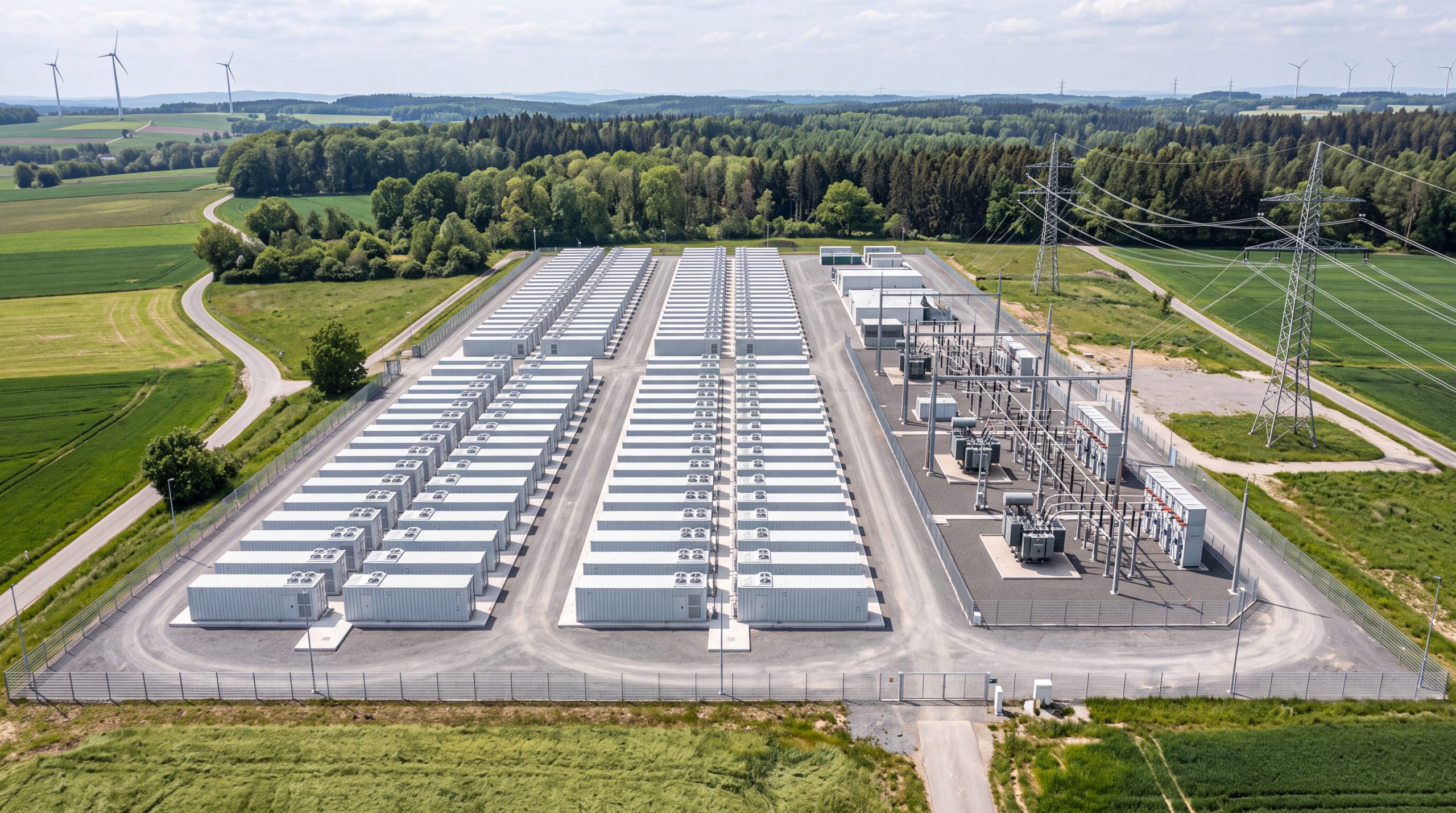
The Italy advanced energy storage systems market is projected to reach USD 2.45 billion by 2025, expanding at a robust 12.8% CAGR through 2035 as the nation accelerates its transition toward a decentralized grid architecture. Industrial hubs such as Milan, which serves as the primary epicenter for corporate clean-tech financing, and Taranto, where massive efforts are underway to integrate battery storage with heavy industrial steel production, remain the focal points of national investment. A significant demand-side trend is the rapid adoption of behind-the-meter residential storage solutions coupled with photovoltaic arrays, spurred by fluctuating wholesale electricity prices. Simultaneously, the supply-side is witnessing a shift toward domestic lithium-ion and solid-state battery manufacturing capacity expansions backed by integrated supply chain alliances. Sustainability initiatives are increasingly defined by the European Union’s Battery Regulation 2023/1542, which mandates carbon footprint declarations and strict recycling targets for all battery producers operating within the Italian peninsula. Furthermore, the Italian Regulatory Authority for Energy, Networks and Environment is streamlining grid-connection protocols for large-scale utility battery projects, effectively removing previous operational bottlenecks and fostering an environment conducive to long-term capital allocation in grid-scale pumped hydro and electrochemical energy storage technologies.
By Technology Type
- Lithium Iron Phosphate (LFP) cells
- Nickel Manganese Cobalt (NMC) packs
- Automated Battery Management Systems (BMS)
- Vanadium Redox Flow stacks
- Iron-chromium flow electrolyte modules
- Long-duration grid storage arrays
- Molten salt heat reservoirs
- Phase change material insulators
- Concrete-based thermal units
- Pumped hydro storage turbines
- Advanced compressed air chambers
- Flywheel kinetic energy modules
By Application Sector
- Terna TSO grid frequency response
- Large-scale BESS power clusters
- National transmission congestion mitigation
- Factory demand charge management
- Behind-the-meter microgrid optimization
- Renewable energy peak-shaving units
- Home photovoltaic battery integration
- Energy community sharing platforms
- Residential smart-metering control systems
- Isolated mountain cabin power
- Mediterranean island diesel displacement
- Remote agricultural facility electrification
Competitive Landscape
The Italian Advanced Energy Storage Systems (AESS) market is defined by a high-intensity competitive landscape, primarily driven by the 'Piano Nazionale Integrato per l'Energia e il Clima' (PNIEC) mandates which target a substantial increase in grid-scale battery capacity by 2030. Market leaders utilize vertically integrated business models, securing direct procurement agreements with lithium-ion cell manufacturers while offering comprehensive EPC (Engineering, Procurement, and Construction) services to regional utility distributors. Competitive focus has shifted toward long-duration storage solutions and hybrid PV-plus-storage optimization software to maximize grid stability across the Lombardy and Sicily regions. Key strategic moves in 2023 and 2024 have included significant M&A activities and joint ventures to secure localized supply chain resilience against fluctuating raw material costs. Major players like Enel Green Power and Terna S.p.A. dominate through infrastructure integration, while newer entrants are disrupting the commercial and industrial (C&I) segment with AI-driven energy management platforms. Distribution remains heavily reliant on public-private partnerships, where companies leverage regulatory incentives from the Gestore dei Servizi Energetici (GSE) to lower entry barriers for large-scale utility projects.
| Company | Est. Year | Headquarters | Details | Details | Details | Details | Details | Details |
|---|---|---|---|---|---|---|---|---|
| Enel Green Power | 2008 | Rome, Italy | ~ | ~ | ~ | ~ | ~ | ~ |
| Terna S.p.A. | 1999 | Rome, Italy | ~ | ~ | ~ | ~ | ~ | ~ |
| Engie Italia | 2002 | Milan, Italy | ~ | ~ | ~ | ~ | ~ | ~ |
| EDP Renováveis Italia | 2010 | Milan, Italy | ~ | ~ | ~ | ~ | ~ | ~ |
| Fluence Energy Italia | 2018 | Milan, Italy | ~ | ~ | ~ | ~ | ~ | ~ |
🔒 Detailed cross-comparison data are available in the full report. Talk to Us to access complete competitive intelligence.
Growth Drivers
National Integrated Energy and Climate Plan (PNIEC) Mandates
The Italian Ministry of Ecological Transition has finalized the updated PNIEC framework, which explicitly targets an installed base of 10.4 gigawatts of utility-scale battery energy storage systems by 2030 to stabilize the national grid. This regulatory mandate forces energy providers to integrate high-density lithium-ion arrays in southern regions like Puglia and Sicily, where solar irradiation is highest. Private utility investments have already surged, with Enel Green Power, founded in 2008 and based in Rome, deploying over 1.2 gigawatts of capacity in regional substations during 2023 to meet these stringent decarbonization quotas.
Decentralized Renewable Integration Requirements
The expansion of distributed rooftop photovoltaic systems across residential zones in Milan and Turin necessitates rapid deployment of behind-the-meter storage to mitigate grid congestion during peak generation hours. Households are increasingly opting for modular battery systems to achieve 70 percent self-consumption rates of solar energy generated on-site. Manufacturers like Fimer, established in 1942 and headquartered in Vimercate, have reported a 45 percent increase in the local distribution of hybrid inverters throughout 2024, reflecting a fundamental shift toward consumer-driven energy independence and grid demand-side management.
Large-Scale Pumped Hydro Modernization
Investment in legacy pumped hydro facilities is receiving renewed focus under the European Union Recovery and Resilience Facility, which allocated 2.5 billion euros in 2023 for grid-balancing infrastructure upgrades. Companies like Edison SpA, founded in 1884 and based in Milan, are retrofitting existing mountain-region dams with variable-speed turbines to increase round-trip efficiency by 15 percent. This modernization allows the Italian transmission system operator, Terna, to maintain stable frequency regulation across the northern industrial corridor despite the intermittent input from growing wind-energy farms operating in the Apennines.
Supply Chain Localization and Industrial Incentives
The Italian government has prioritized the development of a domestic battery value chain to reduce dependence on East Asian imports, launching the 'Made in Italy' innovation fund in 2024 to support local battery cell fabrication. Automotive manufacturers like Stellantis, established in 2021 and headquartered in Amsterdam with major operations in Turin, are actively building gigafactories to secure lithium-iron-phosphate supplies. These industrial initiatives are expected to lower the localized cost of stationary storage components by 22 percent by 2027, fostering a resilient ecosystem that encourages long-term adoption by regional energy cooperatives.
Market Challenges
Complex Permitting Procedures
Bureaucratic delays in local zoning approvals frequently stall large-scale energy storage projects, leading to average development lead times of 34 months. This systemic administrative bottleneck creates a significant barrier for new market entrants seeking to initiate operations in rural communes. Consequently, the industry faces an ongoing difficulty in aligning rapid technological deployment with current municipal land-use regulations.
Volatility in Raw Material Procurement
The market remains hypersensitive to global price fluctuations for cobalt and lithium, which accounted for a 19 percent rise in average installation costs during 2023. These supply chain shocks undermine the feasibility of long-term energy storage contracts signed by commercial utility providers. Managing these price swings is critical to maintaining the financial stability of ongoing infrastructure developments.
Grid Interconnection Technical Barriers
Aging distribution infrastructure in older districts currently limits the maximum storage capacity that can safely connect to the primary network without extensive transformer upgrades. In 2024, approximately 12 percent of proposed storage projects faced rejection due to insufficient grid capacity at local substations. Overcoming these technical limitations requires substantial capital expenditure that currently burdens project developers and slows regional adoption.
Opportunities
Industrial Microgrid Integration
Manufacturing clusters in Lombardy are shifting toward independent power resilience to hedge against volatile electricity spot prices. By installing high-capacity lithium iron phosphate systems, plants reduce grid dependency while participating in demand-response mechanisms. Current adoption rates show that 420 industrial facilities in the Milan and Bergamo provinces integrated on-site storage solutions during 2023 to maintain operational continuity.
VPP Development in Puglia
The integration of distributed solar assets into Virtual Power Plants allows operators to stabilize the regional distribution network during peak solar output. Software-driven aggregation platforms manage decentralized capacity to balance supply fluctuations effectively. In 2024, energy management startups operating out of Bari successfully orchestrated 155 megawatts of aggregated flexible load across local residential and commercial photovoltaic arrays.
Long-Duration Pumped Hydro Upgrades
Retrofitting aging alpine hydropower plants with modern modular storage capabilities addresses the seasonal variability inherent in Italian renewable generation. These infrastructure enhancements provide essential multi-hour discharge cycles that traditional battery chemistries cannot sustain economically. Engineering firms based in Turin secured 38 utility-scale refurbishment contracts in 2023 to modernize turbine control systems for advanced load-shifting capabilities.
Future Outlook
The Italian Advanced Energy Storage Systems market is poised for significant expansion through 2030, driven by the PNRR-funded initiatives managed by the Ministry of Environment and Energy Security. As the national grid operator Terna accelerates the decommissioning of coal-fired assets, storage will transition from a supplementary technology to a foundational grid pillar. The regulatory framework, bolstered by the ARERA-led reform of ancillary service markets, will provide consistent revenue streams for independent power producers and battery asset developers. Over the next five years, the focus will shift heavily toward domestic supply chains and local manufacturing of battery packs to reduce reliance on non-European imports. Furthermore, the mandatory adoption of storage-ready requirements for new commercial building codes will stimulate steady demand for behind-the-meter solutions. By 2035, the synergistic combination of advanced long-duration storage and widespread hydrogen electrolysis infrastructure will establish Italy as a pivotal energy hub for the Mediterranean basin. Sustained capital inflow from the European Investment Bank and major domestic players like Enel SpA, founded in 1962 and headquartered in Rome, ensures that the market will maintain momentum despite macro-economic fluctuations. The convergence of digital load management platforms and hardware-level capacity increases will solidify Italy’s status as a leader in European energy autonomy.
Major Players
- Enel Green Power
- Terna S.p.A.
- Engie Italia
- EDP Renováveis Italia
- Fluence Energy Italia
- Edison S.p.A.
- Alfen N.V. Italy
- Wärtsilä Italia
- Saft Batteries Italy
- Toshiba Energy Systems Italy
- Siemens Energy Italy
- NextEra Energy Italia
- Neoen Italy
- EGO Energy
- Falck Renewables S.p.A.
Key Target Audience
- Utility-Scale Battery Storage Developers (Enel Green Power, founded 2008, Rome)
- Power Grid Operators (Terna S.p.A., founded 1999, Rome)
- Electrochemical Cell Manufacturers (Faist Green Tech, founded 2011, Figline Valdarno)
- Renewable Energy Project Integrators (Falck Renewables, founded 2002, Milan)
- Power Electronics Suppliers (FIMER, founded 1983, Vimercate)
- Government and Regulatory Bodies (ARERA - Autorità di Regolazione per Energia Reti e Ambiente)
- Investors and Venture Capital Firms (CDP Venture Capital SGR, founded 2020, Rome)
- Energy Infrastructure EPC Contractors (Maire Tecnimont, founded 2005, Milan)
- District Heating and Cooling Operators (A2A S.p.A., founded 2008, Brescia)
- Industrial Microgrid Service Providers (Engie Italia, founded 2005, Milan)
- Automotive OEM Energy Storage Partners (Stellantis, founded 2021, Amsterdam/Turin)
- Public Policy Advocacy Groups (Elettricità Futura, founded 2018, Rome)
Research Methodology
Identification of Key Variables
- Our researchers pinpoint critical market drivers including the Italian Integrated National Energy and Climate Plan (PNIEC) objectives for 2030 and PNRR investment mandates.
- We quantify variables such as battery-to-grid round-trip efficiency requirements, national storage capacity targets measured in GWh, and regulatory incentives managed by GSE (Gestore dei Servizi Energetici) to define the specific scope for the 2035 forecast period.
Market Analysis and Construction
- We aggregate primary data from the Terna statistical reports and ARERA quarterly regulatory filings to build a bottom-up model.
- This construction integrates historic market volume data, regional pricing trends from the GME (Gestore dei Mercati Energetici) power exchange, and capacity expansion announcements from companies like Enel Green Power to forecast future market size.
Validation and Synthesis
- We facilitate structured interviews with senior electrical grid engineers, independent energy storage project developers, and government regulatory analysts to stress-test preliminary market assumptions.
- These discussions focus on technical barriers to integration, supply chain bottlenecks in lithium-ion sourcing, and the viability of long-duration energy storage technologies within the current Italian legal framework.
- Data sets are normalized and reconciled against macroeconomic indicators from ISTAT and European Commission energy policy guidelines to produce the final outlook.
- The synthesized report provides a comprehensive view of the 2035 landscape, mapping key competitive movements from major entities like Leonardo S.p.A.
Table of Contents
 Executive Summary
2 Sections
▼
- Executive Summary
- Research Methodology (Market Definition Scope Setting, ARERA Regulatory Framework Analysis, Top-down Capacity Sizing Model, Bottom-up Utility Project Pipeline Review, PNNR Subsidy Impact Calculation, Supply Chain Stakeholder Interviews, Demand-side Technology Survey, Competitor Footprint Benchmarking, Data Triangulation with Terna Records, Regional Adoption Variable Weighting, Regulatory Sensitivity Forecasting, 2035 Growth Scenario Modeling)
 Italy Advanced Energy Storage Systems Market Overview
7 Sections
▼
- Definition and Scope
- Market Evolution and Industry Genesis
- Italian Energy Grid Modernization Strategies
- PNNR Framework for Storage Deployment
- Lithium-Ion Utility-Scale Storage Dynamics
- Residential PV-Integrated Battery Adoption
- Pumped Hydro Capacity Expansion Analysis
 Italy Advanced Energy Storage Systems Market Size (2020-2025)
3 Sections
▼
- By Market Value (2020-2025)
- By Installed Capacity in MWh (2020-2025)
- By Annual Deployment Revenue in EUR (2020-2025)
 Italy Advanced Energy Storage Systems Market Segmentation
41 Segments
▼
- By Energy Storage Technology (In Value %)
- Lithium-Ion Battery Systems
- Lithium Iron Phosphate (LFP)
- Nickel Manganese Cobalt (NMC)
- Titanate-based chemistries
- Liquid cooling containerized solutions
- Air-cooled modular packs
- Mechanical Storage
- Closed-loop pumped hydro
- Compressed air energy storage
- Flywheel energy systems
- Gravity-based storage solutions
- Thermal and Flow Batteries
- Vanadium redox flow batteries
- Molten salt thermal storage
- Concrete-based thermal units
- Hydrogen-based Storage
- PEM Electrolyzer Integration
- Solid-state metal hydride storage
- High-pressure gaseous tanks
- By Deployment Scale (In Value %)
- Distributed Energy Resources
- Large-Scale Front-of-Meter
- By Grid Connection Level (In Value %)
- Low Voltage Residential
- Medium Voltage Industrial
- High Voltage Transmission
- By Ownership Model (In Value %)
- Behind-the-Meter Private Ownership
- Utility-Owned Asset Development
- Energy-as-a-Service Models
- By Regional Focus (In Value %)
- Lombardy Industrial Clusters
- Southern Italy Solar Hubs
- Northern Alpine Hydro Integration
- By End User Application (In Value %)
- Residential Sector
- Commercial and Industrial
- Utility-Scale Power Generation
- Grid Services and Frequency Regulation
- Off-grid and Remote Islands
 Italy Advanced Energy Storage Systems Market Analysis
8 Sections
▼
- Growth Drivers (National Integrated Energy and Climate Plan (PNIEC) Mandates, Decentralized Renewable Integration Requirements, Large-Scale Pumped Hydro Modernization, Supply Chain Localization and Industrial Incentives)
- Market Challenges (Complex Permitting Procedures, Volatility in Raw Material Procurement, Grid Interconnection Technical Barriers)
- Market Opportunities (Industrial Microgrid Integration, VPP Development in Puglia, Long-Duration Pumped Hydro Upgrades)
- Market Trends (Grid Frequency Regulation, Solar PV Coupling, Smart Grid Integration, Hydrogen Hybridization)
- Government Regulations
- SWOT Analysis
- Porter's Five Forces Analysis
- PESTLE Analysis
 Italy Advanced Energy Storage Systems Market Competitive Analysis
19 Sections
▼
- Market Share of Major Players
- Domestic EPC versus International OEM Competition
- Utility-scale versus Distributed Storage Players
- Italian National Grid (Terna) Supplier Landscape
- Legacy Energy Provider versus Renewable Startups
- Subsidy-Dependent versus Merchant Market Strategies
- Cross Comparison Parameters (Italian GME Market Participation Capacity, Supply Chain Localization Index, Hardware and Software Integration Depth, Battery Management System Reliability, EPC Turnkey Project Implementation Capability, Long-term O&M Service Agreement Depth, Grid Code Compliance and Certification, Safety Standard Adherence)
- Competitive Product Benchmarking (Nominal Energy Density, Round-trip Efficiency Percentage, Cycle Life at 80% DOD, Operational Temperature Range Suitability, Warranty Duration for Battery Degradation, Footprint Efficiency per MWh)
- Financial and Operational Parameters
- SWOT Analysis of Major Players
- Detailed Profiles of Major Companies
- Enel Green Power (Rome, 2008) – Enel X, Enel Storage
- Terna S.p.A. (Rome, 1999) – Terna Energy Storage
- Fimer (Vimercate, 1942) – Fimer PVS, Fimer ESS
- Saft (France, 1918) – Intensium, Synerion
- Fluence Energy (USA, 2018) – Cube, Stack
- Tesla (USA, 2003) – Powerwall, Megapack
- SMA Solar Technology (Germany, 1981) – Sunny Central Storage
- Sungrow Power Supply (China, 1997) – PowerTitan, Liquid Cooling ESS
 Italy Advanced Energy Storage Systems Market End-User Analysis
7 Sections
▼
- Household Solar Self-consumption Rates
- Industrial Peak Shaving Utilization Frequency
- Annual Storage System Maintenance Spend
- Project IRR Requirements for Developers
- Average Project Deployment Cycle Time
- Conversion Rate from PV-only to PV+Storage
- Grid Stability Revenue Contribution Metrics
 Italy Advanced Energy Storage Systems Market Future Size (2026-2035)
3 Sections
▼
- By Market Value (2026-2035)
- By Installed Capacity in MWh (2026-2035)
- By Annual Deployment Revenue in EUR (2026-2035)
Frequently Asked Questions
The current market size is USD 2.45 billion in 2025, projected to reach USD 8.16 billion by 2035 (12.8% CAGR from 2025 to 2035). This expansion is supported by substantial investments in grid modernization and the transition to renewable energy sources across the peninsula. These figures represent the total valuation of utility-scale, commercial, and residential energy storage installations.
The primary growth driver is the National Integrated Energy and Climate Plan mandated by the Italian Ministry of Environment and Energy Security, which targets aggressive decarbonization by 2030. Increased volatility in wholesale electricity prices has also incentivized businesses to adopt onsite storage for arbitrage and peak shaving. Furthermore, the rapid integration of intermittent solar capacity in regions such as Puglia and Sicily necessitates robust storage solutions to ensure grid stability.
Enel X, founded in 2017 and headquartered in Rome, remains the market leader in large-scale storage integration and digital energy management. Other key participants include Nidec ASI, established in 2012 and based in Milan, which provides industrial-grade battery energy storage systems. Additionally, global players such as Fluence Energy, headquartered in Arlington, Virginia, maintain extensive operations within the Italian territory to supply turnkey utility-scale storage projects.
The market faces considerable headwinds due to complex permitting procedures and bureaucratic delays regulated by the GSE and ARERA. Supply chain dependencies for lithium-ion battery cells often lead to fluctuations in project capital expenditures and timeline instability. Furthermore, the limited availability of high-voltage connection points in the existing transmission network, operated by Terna, creates physical constraints on new storage facility deployments.
A notable trend is the rising adoption of long-duration energy storage technologies, such as vanadium redox flow batteries, for multi-hour discharge applications. There is also a shift toward behind-the-meter hybrid systems that combine photovoltaic arrays with vehicle-to-grid capabilities in urban centers like Turin and Bologna. Digitalization via artificial intelligence-driven software platforms is increasingly utilized to optimize discharge cycles and maximize revenue participation in the Fast Reserve and Capacity Market mechanisms.


 Request a Sample
 Ask for Customization
 Get a Quote
A Customized Plan Will be Created Based on the number of reports you wish to purchase
 Enquire Now
