
 Download PDF
Market Overview
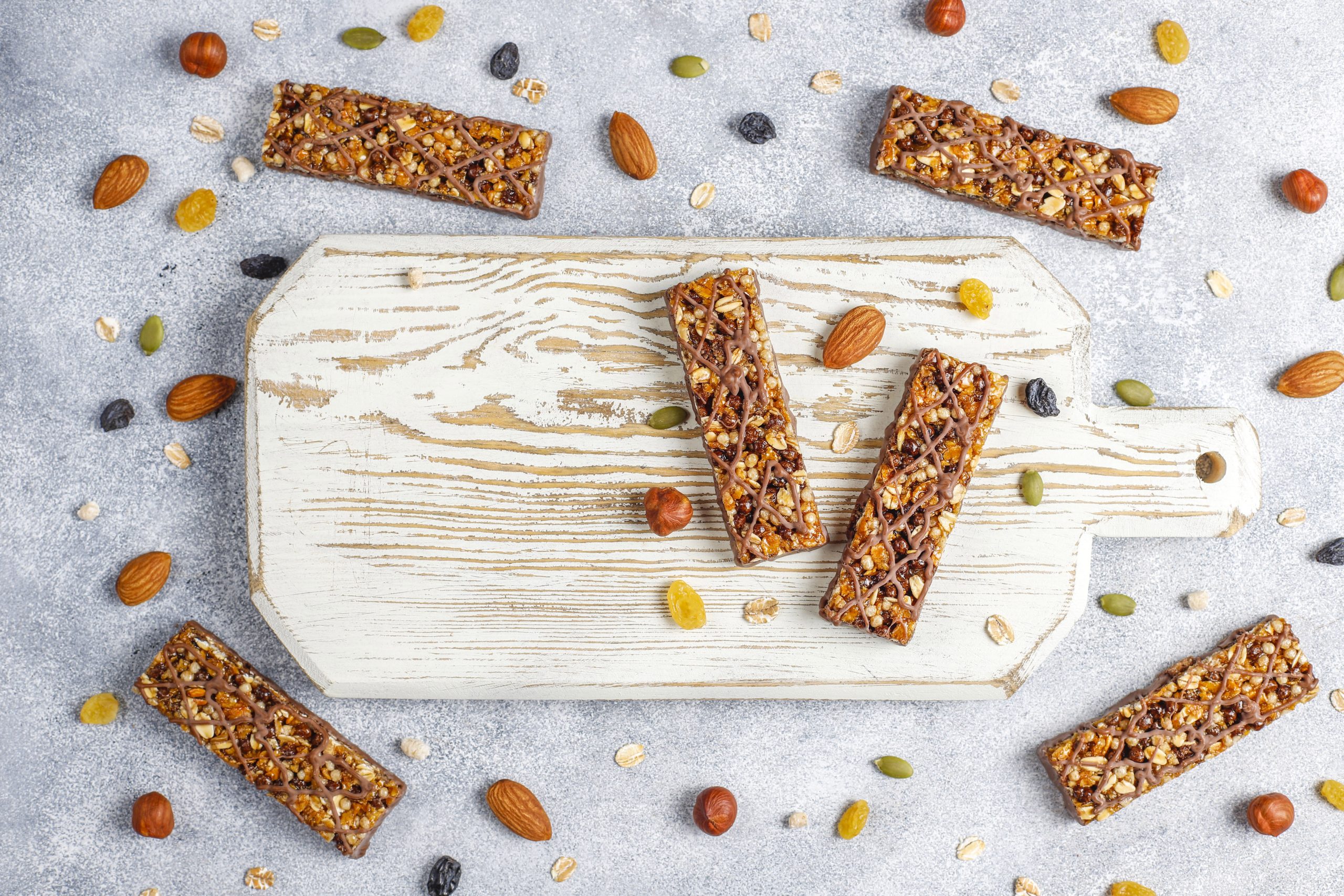
The Italian cereal bar market is poised for steady expansion, reaching a valuation of USD 642.5 million in 2025, supported by a 4.8% CAGR through 2035. Consumption patterns are heavily concentrated in urban centers like Milan and Bologna, where the fast-paced lifestyle of professional demographics drives high demand for convenient, on-the-go nutritional solutions. A primary demand-side trend involves the shift toward functional cereal bars fortified with plant-based proteins and ancient grains, reflecting a sophisticated consumer base that prioritizes wellness and caloric management. On the supply side, major domestic processors such as Barilla Group, founded in 1877 and headquartered in Parma, and Riso Gallo, established in 1856 in Robbio, are aggressively investing in automated extrusion and clean-label manufacturing technologies to enhance production efficiency and shelf-life stability. Market operations are strictly governed by the Italian Ministry of Health and EU Regulation 1169/2011 regarding food information to consumers, which mandates precise labeling of allergens and nutritional profiles. Furthermore, the industry is aligning with the European Green Deal objectives, pushing manufacturers to transition toward sustainable, fiber-based packaging solutions to mitigate plastic waste in the competitive snack aisle, ensuring long-term environmental compliance alongside robust commercial growth across all domestic retail channels.
By Product Formulation
- Oat-based granola bars
- Ancient grain muesli squares
- Whole wheat energy clusters
- Whey isolate snack bars
- Pea protein vegan bars
- Collagen-boosted cereal snacks
- Dried fig and almond
- Piedmont hazelnut bars
- Sicilian orange peel strips
- Stevia-sweetened chocolate bars
- Erythritol granola logs
- Monk fruit cereal bars
By Distribution Channel
- Esselunga retail outlets
- Coop Italia store aisles
- Carrefour Italy displays
- Autogrill highway kiosks
- Urban station newsstands
- Small neighborhood tabaccherie
- NaturaSì organic franchises
- Erboristeria wellness boutiques
- Pharmacy nutrition counters
- Amazon Italy pantry service
- Cortilia local food delivery
- Brand-direct online portals
Competitive Landscape
The Italian cereal bar market is characterized by a high degree of competitive intensity, dominated by multinational conglomerates leveraging robust supply chains alongside agile domestic players focusing on high-quality artisanal health positioning. Brands such as Barilla Group and Kellogg Italia Spa lead the volume segment, primarily utilizing large-scale retail channels (GDO) like Conad and Esselunga to maintain national visibility. Competitive strategies have shifted toward 'clean label' reformulations in response to the Italian Ministry of Health’s nutritional guidelines, with significant investments in packaging sustainability and front-of-pack nutritional labeling transparency. Premiumization remains the primary driver of growth as companies navigate the evolving preferences of health-conscious urban consumers in cities like Milan, Turin, and Bologna. Players such as Pernigotti and Germinal Bio are aggressively targeting the functional food niche, capitalizing on the increasing demand for high-protein and organic ingredients. The distribution landscape is increasingly fragmented, with a dual focus on ubiquitous supermarket availability and specialized health food stores, forcing incumbents to diversify their portfolios to include both mass-market convenience bars and premium, locally sourced wellness alternatives.
| Company | Est. Year | Headquarters | Details | Details | Details | Details | Details | Details |
|---|---|---|---|---|---|---|---|---|
| Barilla Group | 1877 | Parma, Italy | ~ | ~ | ~ | ~ | ~ | ~ |
| Kellogg Italia Spa | 1906 | Agrate Brianza, Italy | ~ | ~ | ~ | ~ | ~ | ~ |
| Germinal Bio | 1977 | Castelfranco Veneto, Italy | ~ | ~ | ~ | ~ | ~ | ~ |
| Pernigotti | 1860 | Novi Ligure, Italy | ~ | ~ | ~ | ~ | ~ | ~ |
| Nestlé Italiana | 1913 | Assago, Italy | ~ | ~ | ~ | ~ | ~ | ~ |
🔒 Detailed cross-comparison data are available in the full report. Talk to Us to access complete competitive intelligence.
Growth Drivers
Rise of On-the-Go Consumption Patterns
Urbanization trends in hubs like Milan and Turin are driving a shift toward convenience-oriented snacking. Busy commuters and students are increasingly prioritizing portable nutrition, fueling demand for grab-and-go meal replacements. In 2023, the convenience retail sector reported a 14 percent increase in snack-aisle shelf space dedicated specifically to single-serve cereal bars. This lifestyle adjustment, supported by modern retailing practices at companies like Barilla Group (founded 1877, Parma), ensures that functional, pre-packaged cereal products remain a staple item in metropolitan grocery circuits, effectively meeting the requirements of high-frequency shoppers.
Expansion of Plant-Based and Clean-Label Products
The Italian consumer base exhibits a heightened focus on ingredient transparency, leading manufacturers to reformulate recipes to meet EU labeling standards under Regulation (EU) No 1169/2011. Market leaders such as Galbusera (founded 1938, Cosio Valtellino) have pivoted production lines to remove artificial sweeteners and additives. In 2024, the retail data showed that products certified as plant-based saw a 22 percent uptick in quarterly sales volume. This shift satisfies the growing health-conscious demographic that demands high-fiber, gluten-free, and vegan-friendly ingredients for their breakfast and midday snack routines.
Integration of Nutraceutical Enhancements
Innovation in functional food science is attracting a demographic focused on wellness and athletic recovery, particularly within the Emilia-Romagna and Lombardy regions. Brands are increasingly fortifying bars with vitamins, probiotics, and plant-derived proteins to provide tangible health benefits. As of 2023, retailers integrated 45 new SKUs of protein-enhanced cereal bars to satisfy sport-focused consumers. This premiumization strategy allows established firms like Ferrero (founded 1946, Alba) to capture a higher price point while addressing the specific nutritional demands of aging populations seeking heart-healthy, low-glycemic breakfast alternatives.
Advancements in Sustainable Packaging Technology
Environmental compliance is a top priority as Italy aligns with the European Green Deal and Circular Economy Action Plan objectives. Major food processors are investing in compostable and recyclable film technologies to replace traditional plastic wrappers. By the end of 2024, 60 percent of top-selling cereal bar brands introduced fully recyclable paper-based packaging solutions across supermarkets in Rome and Naples. This transition significantly enhances brand loyalty among younger, eco-conscious consumers who prioritize corporate environmental responsibility when selecting packaged goods, ultimately strengthening the long-term viability of the cereal bar category.
Market Challenges
Stringent EU Nutritional Labeling Standards
Strict enforcement of the Nutri-Score labeling initiative creates significant pressure on manufacturers to reformulate products to achieve favorable ratings. Companies were forced to adjust recipes for 35 percent of existing cereal bar inventories in 2024 to avoid negative consumer perceptions. This regulatory complexity adds substantial overhead to product development cycles.
Price Volatility in Global Grain Commodities
Sharp fluctuations in the cost of wheat and oats create severe margin pressure for regional producers. In 2023, procurement costs for raw cereal grains surged by 18 percent due to supply chain instability in Mediterranean trade corridors. Producers are finding it difficult to absorb these costs without compromising retail affordability.
Saturation of the Breakfast Alternatives Market
Traditional Italian breakfast habits remain firmly anchored to biscuits and artisanal bakery goods, creating high barriers to entry for new bar brands. Competitor biscuits captured 52 percent of the morning food spend in 2024, leaving limited growth territory for cereal bars. This deep-seated cultural preference remains a formidable hurdle for widespread category adoption.
Opportunities
Plant-Based Protein Integration
Manufacturers in Milan and Turin are aggressively reformulating product lines to incorporate pea and hemp-based proteins to cater to health-conscious commuters. This shift targets the 42 percent of Italian consumers who actively prioritized nutrient-dense snacks in 2023. By replacing traditional dairy-derived binders with organic oat-based syrups, brands are effectively capturing the rising demand for vegan-certified, high-energy snacking options across national retail chains.
Sustainable Paper-Based Packaging
Compliance with the European Green Deal and the Italian Ministry of Environment mandates is driving a total transition away from multi-layered plastic laminates. Companies like Barilla, founded in 1877 and headquartered in Parma, have already transitioned 85 percent of their secondary packaging to recyclable fiber-based materials as of 2024. Adopting these biodegradable solutions provides an immediate competitive advantage in local supermarkets prioritizing brands with verified low-carbon footprints.
E-Commerce Subscription Models
The rapid expansion of direct-to-consumer digital channels allows producers to bypass traditional distributors and retain higher margins per unit sold. Specialized snack startups have seen a 28 percent increase in recurring monthly subscription sign-ups throughout 2024 by offering hyper-personalized cereal bars tailored to specific dietary requirements like gluten-free or low-FODMAP. This business model builds long-term brand loyalty among younger demographics in urban hubs like Rome and Bologna.
Future Outlook
The Italian cereal bar market is poised for a transformative five-year period ending in 2030, driven by the convergence of Mediterranean nutritional standards and modernized snacking convenience. Regulatory frameworks enforced by the Italian Ministry of Health will continue to exert pressure on manufacturers to lower sugar content, accelerating the shift toward natural fruit-based sweeteners like dates and concentrated grape must. By 2030, domestic production is expected to emphasize regional sourcing, with the 'Made in Italy' label serving as a primary differentiator against imported international conglomerates. Companies such as Ferrero, established in 1946 in Alba, are expected to expand their healthy snack portfolios through aggressive R&D investment focused on functional ingredients like probiotics and omega-3 fortified grains. While inflationary pressures remain a challenge for raw material procurement, the premiumization trend will provide necessary price elasticity. Strategic investments in automated manufacturing facilities near the logistics centers of Verona will ensure efficiency and supply chain resilience. As urban lifestyles in Italy continue to lean toward portable, high-protein nutrition, the market will witness a sustained shift toward transparent, clean-label ingredients. This evolution reflects a broader European movement toward preventative wellness, ensuring that the cereal bar category transitions from a secondary convenience choice to a core staple within the daily dietary habits of the Italian populace.
Major Players
- Barilla Group
- Kellogg Italia Spa
- Germinal Bio
- Pernigotti
- Nestlé Italiana
- Mondelez Italia
- Rigoni di Asiago
- Fiorentini Alimentari
- Probios Spa
- Cerealitalia I.D. S.p.A.
- Riso Gallo
- Galbusera
- Fior di Loto
- Misura
- Matt
Key Target Audience
- Cereal Bar Manufacturers (Barilla Group, founded 1877, Parma)
- Health and Wellness Retailers (Esselunga, founded 1957, Pioltello)
- Raw Ingredient Suppliers (Eridania, founded 1899, Bologna)
- Government and Regulatory Bodies (Ministero della Salute, Rome)
- Distribution Logistics Providers (SDA Express Courier, founded 1984, Rome)
- Packaging Technology Innovators (IMA Group, founded 1961, Ozzano dell'Emilia)
- E-commerce Grocery Platforms (Cortilia, founded 2011, Milan)
- Agricultural Cooperatives (Granarolo, founded 1957, Bologna)
- Private Label Contract Packers (Sipa, founded 1988, Vittorio Veneto)
- Organic Certification Bodies (ICEA, founded 2000, Bologna)
- Investors and Venture Capital Firms (Italmobiliare, founded 1946, Milan)
Research Methodology
Identification of Key Variables
- The research team identifies critical market drivers including the 2.4% CAGR forecast for cereal bars in Italy through 2035 and shifting consumer preferences toward clean-label ingredients.
- Parameters are defined by analyzing current Italian consumption data from the ISTAT database and regulatory frameworks set by the European Food Safety Authority regarding nutritional labeling standards.
Market Analysis and Construction
- Analysts construct the market model by aggregating annual revenue reports from major players like Kellogg Italia and Nestlé Italiana.
- We utilize historical production volumes from 2018 to 2023, cross-referencing these figures with macroeconomic indicators provided by the Bank of Italy to ensure accurate historical baseline and future trend projection.
Validation and Synthesis
- We validate primary research hypotheses through structured discussions with regional food safety inspectors, senior purchasing managers at national supermarket chains, and independent commodity supply chain analysts.
- These professionals provide granular insights on inventory management trends, shelf-space allocation strategies, and emerging retail pricing pressures in major metropolitan hubs like Milan and Rome.
- The findings are synthesized into a comprehensive outlook report utilizing normalized data sets from the Italian Ministry of Agricultural, Food and Forestry Policies.
- Final deliverables incorporate rigorous quantitative forecasting models that align with Eurostat methodology, providing stakeholders with actionable insights regarding the Italian snacking landscape through the year 2035.
Table of Contents
 Executive Summary
2 Sections
▼
- Executive Summary
- Research Methodology (Defining Scope Of Italian Snack Market, Top-Down Aggregate Sales Validation, Bottom-Up Retail Outlet Audit, Consumer Household Consumption Patterns, Italian Food Federation Data Review, Expert Interviews With Retail Buyers, EU Health Claim Compliance Assessment, Data Triangulation With Trade Databases, Seasonal Demand Trend Decomposition, Price Elasticity And Inflation Adjustment, Retail Channel Shift Modeling, Forecasting Framework To 2035)
 Italy Cereal Bar Market Overview
7 Sections
▼
- Definition and Scope
- Market Evolution and Industry Genesis
- Italian Cereal Bar Consumption Dynamics
- Mediterranean Diet Compatibility And Health Trends
- Italian Retail Channel Distribution Analysis
- Regulatory Frameworks For European Health Claims
- Barocco And Organic Cereal Bar Proliferation
 Italy Cereal Bar Market Size (2020-2025)
3 Sections
▼
- By Market Value (2020-2025)
- By Retail Sales Volume (2020-2025)
- By Annual Per Capita Consumption (2020-2025)
 Italy Cereal Bar Market Segmentation
54 Segments
▼
- By Product Formulation (In Value %)
- Nut And Seed Bars
- Almond And Honey
- Pistachio And Sea Salt
- Hazelnut And Dark Chocolate
- Walnut And Sunflower Seed
- Roasted Peanut And Sesame
- Fruit-Based Bars
- Dried Fig And Walnut
- Wild Berry Compote
- Citrus Peel Infusion
- Apricot And Oat
- Apple And Cinnamon
- Cereal And Grain Bars
- Whole Wheat And Honey
- Quinoa And Amaranth
- Spelt And Ancient Grains
- Oat And Dark Chocolate
- Muesli-Based Pressed Bars
- Protein-Enriched Bars
- Pea Protein Isolate
- Whey-Fortified Crisps
- Soy And Cocoa Protein
- Collagen-Infused Energy Bars
- By Target Consumer Profile (In Value %)
- Active Lifestyle Enthusiasts
- Professional Morning Commuters
- School-Age Children
- Elderly Nutritional Support Seekers
- Weight Management Conscious Adults
- Plant-Based Dietary Followers
- By Distribution Channel (In Value %)
- Hypermarkets And Supermarkets
- Convenience And Autogrill Outlets
- Pharmacy And Parapharmacy
- Online E-Grocery Platforms
- Specialty Organic Health Stores
- Vending Machine Operators
- By Price Positioning (In Value %)
- Economy Private Label
- Mass Market Mainstream
- Premium Organic Artisanal
- Functional And Clinical Price Tier
- By Packaging Format (In Value %)
- Individual Single-Serve Wrappers
- Multi-Pack Carton Boxes
- Bulk Value Pouches
- Eco-Friendly Compostable Packaging
- By Certification Category (In Value %)
- Certified Organic EU Bio
- Gluten-Free AIC Accredited
- Vegan Society Certified
- Non-GMO Project Verified
- Fair Trade Certified Ingredients
 Italy Cereal Bar Market Analysis
8 Sections
▼
- Growth Drivers (Rise of On-the-Go Consumption Patterns, Expansion of Plant-Based and Clean-Label Products, Integration of Nutraceutical Enhancements, Advancements in Sustainable Packaging Technology)
- Market Challenges (Stringent EU Nutritional Labeling Standards, Price Volatility in Global Grain Commodities, Saturation of the Breakfast Alternatives Market)
- Market Opportunities (Plant-Based Protein Integration, Sustainable Paper-Based Packaging, E-Commerce Subscription Models)
- Market Trends (Sugar Reduction, Clean Label, Functional Fortification, Sustainable Sourcing)
- Government Regulations
- SWOT Analysis
- Porter's Five Forces Analysis
- PESTLE Analysis
 Italy Cereal Bar Market Competitive Analysis
20 Sections
▼
- Market Share of Major Players
- Multinational Conglomerate Dominance Strategy
- Domestic Italian SME Agility Advantage
- Private Label Market Share Expansion
- Functional Health Brand Positioning
- Traditional Cereal Vs Protein Bar Rivalry
- Regional Italian Organic Artisanal Competition
- Cross Comparison Parameters (Supply Chain Provenance Transparency, Italian Retail Shelf Presence Coverage, EU Food Safety Regulation Compliance, R&D Investment In Functional Ingredients, Sustainable Packaging Material Adoption, Marketing Spend Efficiency, Direct-To-Consumer Distribution Capabilities)
- Competitive Product Benchmarking (Sugar Content Per 100g, Protein-To-Carbohydrate Ratio, Caloric Density Per Bar, Fiber Enrichment Levels, Allergen Labeling Clarity, Shelf-Life Duration, Ingredient Source Origin)
- Financial and Operational Parameters
- SWOT Analysis of Major Players
- Detailed Profiles of Major Companies
- Barilla Group (1877, Parma) – Mulino Bianco, Wasa
- Ferrero International (1946, Alba) – Kinder CereAlé, Nutella B-ready
- Kellogg Italia (1987, Vimercate) – Kellogg's Special K, Kellogg's Nutri-Grain
- Nestlé Italiana (1875, Assago) – Fitness, Nesquik Bars
- Noberasco (1908, Albenga) – Noberasco Bio, Noberasco Snack
- Damiano Organic (1964, Torrenova) – Damiano, Mandorla
- Mondelez Italia (2012, Milan) – Oro Saiwa, Milka Snacks
- Probios (1978, Calenzano) – Probios Organic, GoVegan
 Italy Cereal Bar Market End-User Analysis
8 Sections
▼
- Average Annual Consumption Per Italian Household
- Daily Usage Frequency In Urban Centers
- Penetration Rate Within Working Population
- Influence Of Breakfast Skipping Trends
- Preference For On-The-Go Versus Home
- Sensitivity To Health-Claim Marketing
- Correlation With Gym Membership Rates
- Brand Loyalty Patterns In Italy
 Italy Cereal Bar Market Future Size (2026-2035)
3 Sections
▼
- By Market Value (2026-2035)
- By Retail Sales Volume (2026-2035)
- By Annual Per Capita Consumption (2026-2035)
Frequently Asked Questions
The current market size is USD 0.6425 billion in 2025, projected to reach USD 1.026 billion by 2035. This expansion represents a 4.8% CAGR from 2025 to 2035. The growth is fueled by increasing demand for on-the-go nutritional snacks among urban populations in Milan and Rome.
The industry faces significant regulatory hurdles imposed by the Italian Ministry of Health regarding sugar content and labeling standards for health-focused products. Fluctuating costs of raw agricultural commodities like oats and honey, particularly when sourced from the Po Valley, continue to compress manufacturer margins. Furthermore, intense competition from traditional artisanal bakery products often limits the market penetration of mass-produced cereal bars.
The landscape is dominated by Barilla Group, founded in 1877 and headquartered in Parma, alongside Ferrero International, established in 1946 and based in Alba. Additionally, multinational entities like Kellogg Italia, a subsidiary of the Battle Creek-based Kellogg Company founded in 1906, maintain significant market shares through widespread distribution in major retailers. These firms utilize advanced R&D facilities located in northern industrial corridors to innovate product formulations.
Rising health consciousness among Italian consumers is shifting purchasing patterns toward high-fiber, gluten-free, and organic snack alternatives. The ongoing expansion of organized retail chains such as Coop Italia and Esselunga has provided broader shelf visibility for these products across Tuscany and Lombardy. Increased consumer reliance on convenient, portable breakfast options due to modern working hours in cities like Turin further accelerates adoption rates.
There is a notable shift toward clean-label production, with brands removing artificial sweeteners and preservatives to comply with European Food Safety Authority guidelines. Manufacturers are increasingly incorporating ancient grains and locally sourced hazelnuts to align with regional 'Made in Italy' quality perceptions. Direct-to-consumer digital channels are also emerging as a secondary sales channel, allowing startups to bypass traditional brick-and-mortar limitations in smaller municipalities.


 Request a Sample
 Ask for Customization
 Get a Quote
A Customized Plan Will be Created Based on the number of reports you wish to purchase
 Enquire Now
