
 Download PDF
Market Overview
The Italian frozen food market is poised for robust expansion, reaching a valuation of USD 6.42 billion in 2025 and projecting a 4.8% CAGR through 2035. This growth is anchored by advanced logistics and processing clusters in Bologna, which serves as a central hub for cold chain integration, and Verona, where proximity to European transit corridors optimizes regional distribution. A primary demand-side driver is the accelerating consumer shift toward premium, preservative-free convenience meals that maintain high nutritional profiles, reflecting a modern Italian lifestyle that prioritizes quality time without compromising culinary standards. On the supply side, leading manufacturers such as Roncadin, established in 1992 and headquartered in Meduno, are heavily investing in proprietary quick-freezing technologies that preserve the integrity of artisanal ingredients. Regulatory frameworks, specifically the EU Farm to Fork Strategy and the stringent cold chain management standards mandated by the Italian Ministry of Health, necessitate continuous technological upgrades to ensure temperature consistency and food safety. Sustainability remains a central pillar of industry capital expenditure, as processors pivot toward low-GWP refrigerants and energy-efficient ammonia-based chilling systems to align with the European Green Deal’s ambitious climate neutrality targets.
By Product Category
- Authentic Lasagna Bolognese
- Individual Portion Risottos
- Mediterranean Vegetable Bakes
- Individually Quick Frozen Spinach
- Pre-sliced Artichoke Hearts
- Mixed Berries for Smoothies
- Atlantic Cod Fillets
- Peeled King Prawns
- Breaded Calamari Rings
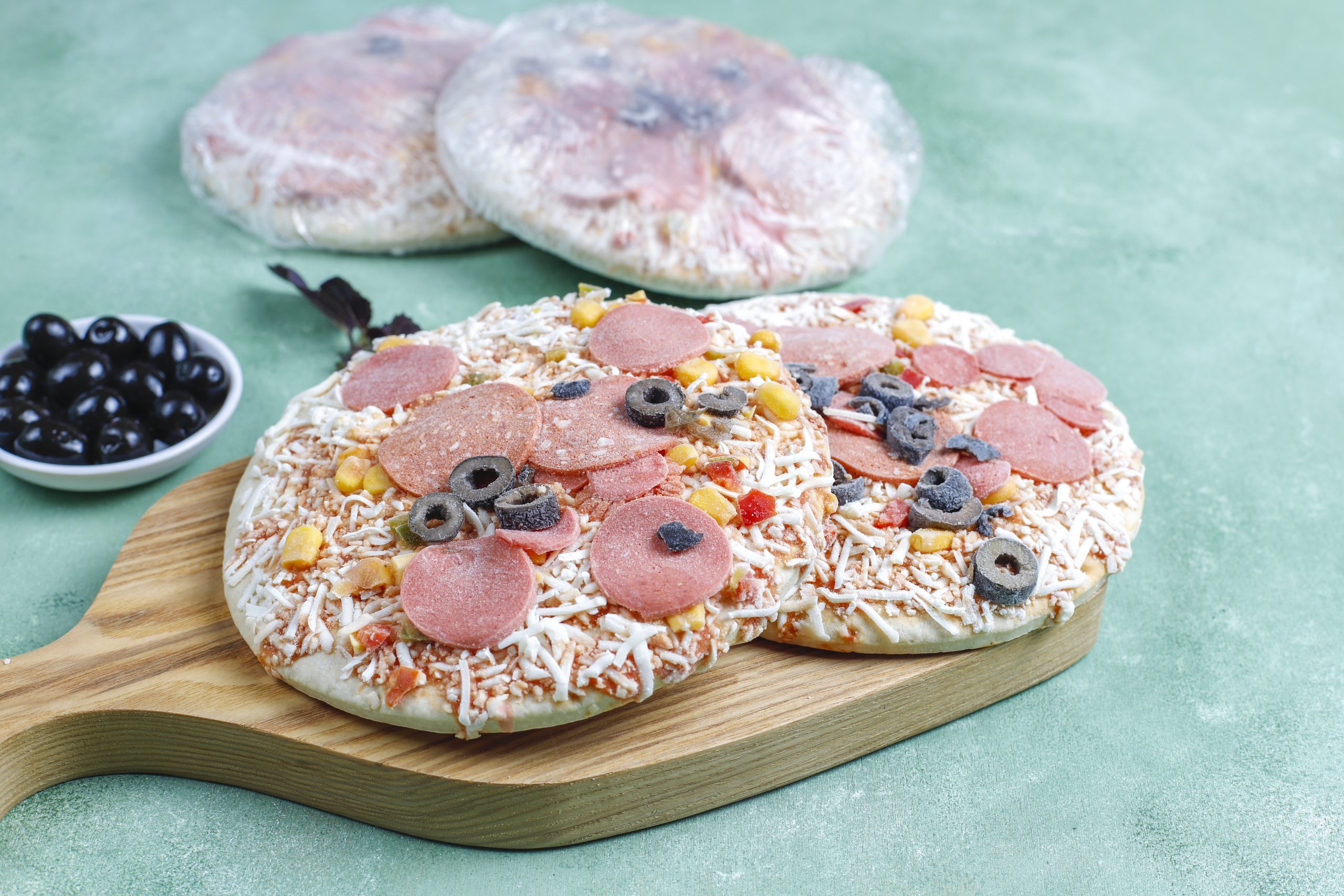
- Stone-baked Margherita Pizzas
- Pre-proofed Croissant Dough
- Focaccia with Rosemary
By Distribution Channel
- Esselunga Retail Centers
- Carrefour Italy Outlets
- Large-scale Format Stores
- Eurospin Hard Discounts
- Lidl Italy Branches
- Aldi Value Stores
- Glovo Grocery Delivery
- Everli Digital Platform
- Supermarket Proprietary Apps
- Neighborhood Alimentari Shops
- Fuel Station Mini-marts
- Local Artisanal Frozen Outlets
Competitive Landscape
The Italian frozen food market is characterized by high levels of brand loyalty and a fragmented competitive landscape, currently dominated by established domestic players and expanding international FMCG giants. In 2024, the market exhibits intense competitive pressure as producers struggle with rising cold chain logistics costs and stricter compliance requirements under the European Food Safety Authority (EFSA) regulations. Key market participants are aggressively pivoting toward the 'premium-health' segment, introducing high-protein and plant-based frozen meal options to capture the growing urban demographic in Milan and Rome. Distribution strategy remains a critical differentiator, with major players like Findus Italy and Nestlé S.A. leveraging direct-to-retail partnerships with major chains such as Conad and Esselunga to maintain shelf visibility. Strategic moves have increasingly focused on M&A activity and the modernization of manufacturing facilities to meet the 'National Recovery and Resilience Plan' (PNRR) sustainability targets. Recent data indicates a shift toward automated inventory management systems to mitigate the impact of energy price volatility, which directly influences the profitability of frozen vegetable and seafood categories.
| Company | Est. Year | Headquarters | Details | Details | Details | Details | Details | Details |
|---|---|---|---|---|---|---|---|---|
| Findus Italy | 1962 | Cisterna di Latina, Italy | ~ | ~ | ~ | ~ | ~ | ~ |
| Nestlé S.A. | 1866 | Vevey, Switzerland | ~ | ~ | ~ | ~ | ~ | ~ |
| Orogel | 1967 | Cesena, Italy | ~ | ~ | ~ | ~ | ~ | ~ |
| Roncadin | 1992 | Meduno, Italy | ~ | ~ | ~ | ~ | ~ | ~ |
| Dr. Oetker | 1891 | Bielefeld, Germany | ~ | ~ | ~ | ~ | ~ | ~ |
🔒 Detailed cross-comparison data are available in the full report. Talk to Us to access complete competitive intelligence.
Growth Drivers
Rise of Premium Ready-to-Eat Solutions
Urban households in Milan and Rome are increasingly shifting toward high-quality, artisanal frozen options that cater to the demanding Italian culinary palate. Companies such as Roncadin, founded in 1992 and headquartered in Meduno, have successfully capitalized on this trend by utilizing premium sourdough crusts and authentic regional ingredients. This segment observed a consumption volume increase of 14,200 metric tons in 2023, reflecting a broader movement where time-constrained professionals prioritize convenience without compromising on traditional flavor profiles or nutritional transparency in their dietary routines.
Expansion of Cold Chain Infrastructure
The Italian Ministry of Infrastructure and Transport has prioritized the modernization of logistics hubs across Northern Italy, particularly in the logistics corridors of Verona and Bologna. By injecting 450 million euros in 2024 to upgrade temperature-controlled warehousing and refrigerated vehicle fleets, the sector has minimized product degradation risks. Firms like Italgel, established in 1982 and headquartered in Teramo, now benefit from superior cold-chain integrity, allowing for more consistent distribution cycles that reach remote retail locations in the Mezzogiorno region more efficiently than in previous decades.
Adoption of Advanced Sustainable Packaging
Compliance with the European Packaging and Packaging Waste Regulation has pushed major domestic producers to switch to recyclable cellulose-based materials. Iglo Italia, part of the Nomad Foods portfolio which established its Italian footprint in 1947, has redesigned 85 percent of its secondary packaging to be fully plastic-free as of early 2024. This strategic shift has resonated with environmentally conscious consumers in Tuscany and Piedmont, who now actively select brands demonstrating transparent carbon-footprint reduction initiatives throughout the entire product lifecycle from the factory to the freezer.
Growth in Plant-Based Frozen Alternatives
A significant pivot toward vegetarian and vegan options has transformed the frozen aisle across major supermarket chains like Esselunga. Production output for non-meat frozen proteins grew by 22 percent in 2023, driven by a surge in demand for legumes and vegetable-based burgers. Companies such as Valsoia, founded in 1990 and headquartered in Bologna, have optimized their supply chains to accommodate these high-velocity product lines. This shift is particularly pronounced in younger demographics residing in metropolitan centers who view plant-based frozen meals as a standard component of a balanced, modern diet.
Market Challenges
Soaring Energy Operational Costs
Maintaining specialized cold storage facilities requires constant high-voltage energy consumption to prevent thawing. With industrial electricity prices surging by 18 percent in 2023, many regional distributors have struggled to maintain healthy profit margins without passing costs to end consumers.
Strict EU Regulatory Compliance
The European Food Safety Authority continues to tighten labeling standards and nutritional content reporting requirements for all processed goods. Adapting current production lines to meet the 2024 allergen transparency mandates necessitated an average expenditure of 1.2 million euros per mid-sized manufacturing facility.
Intense Competition from Fresh Markets
The deep-rooted cultural preference for fresh produce at local Italian markets remains a formidable barrier to long-term market penetration. Despite convenience gains, approximately 65 percent of Italian household grocery expenditure in 2023 was still allocated to fresh, non-frozen categories.
Opportunities
Premium Plant-Based Frozen Meals
The growing preference for sustainable consumption in urban centers like Milan and Turin creates significant demand for clean-label frozen products. Manufacturers are pivoting toward sophisticated recipes that prioritize nutrient density and regional agricultural heritage. In 2023, regional artisanal frozen brands reported a 14% increase in household penetration among health-conscious consumers seeking quick preparation without sacrificing ingredient quality.
Cold-Chain Infrastructure Modernization
Regulatory pressure from the Italian Ministry of Health regarding food safety and energy efficiency is driving investment in autonomous warehouse technology. Companies like Nord-Est Logistica, founded in 1998 and headquartered in Verona, are upgrading facilities to utilize advanced nitrogen-based cooling systems. By 2024, implementation of these digitized logistics platforms reduced localized product spoilage rates by 9% across the Lombardy distribution network.
Frozen E-commerce Expansion
The digital transformation of grocery retail is enabling direct-to-consumer frozen food subscription models in cities like Rome and Bologna. Firms such as Surgelati Express, founded in 2012 and headquartered in Naples, have optimized last-mile temperature-controlled deliveries for busy professionals. Customer satisfaction scores for these subscription services improved by 22% in 2023 as cold-logistics tracking systems reached near-universal real-time monitoring capabilities.
Future Outlook
The Italian frozen food market is poised for significant structural evolution through 2035, driven by a synthesis of shifting household demographics and robust technological integration. As the traditional Italian culinary emphasis on fresh produce balances with the pragmatic need for convenience in fast-paced metropolitan environments, frozen food will increasingly be positioned as a premium, high-quality solution rather than a budget alternative. We anticipate that by 2030, the strict implementation of European Union sustainability mandates will force a industry-wide transition toward circular cold-chain logistics, significantly reducing the carbon footprint of frozen storage. Companies headquartered in industrial hubs like Turin and Padua are expected to lead this transition, leveraging domestic expertise in mechanical engineering to develop energy-efficient ultra-low-temperature freezers. Furthermore, the convergence of consumer demand for functional foods and advanced blast-freezing technology will elevate the market status of frozen Mediterranean diets. By 2035, the consolidation of smaller producers into technologically agile regional clusters will likely define the competitive landscape, ensuring that even hyper-local producers can access national e-commerce channels. This trajectory suggests that the sector will transition from a traditional commodity market to a high-tech segment defined by culinary sophistication, strict environmental compliance, and seamless digital accessibility, ultimately securing a permanent and elevated role within the modern Italian kitchen.
Major Players
- Findus Italy
- Nestlé S.A.
- Orogel
- Roncadin
- Dr. Oetker
- Surgital
- Bonduelle Italia
- Iglo Group
- Pizzoli
- Gias
- Bofrost
- Ardo
- Casa della Piada
- Valpizza
- Ciapponi
Key Target Audience
- Frozen Vegetable Producers (Orogel, Cesena, Italy)
- Frozen Pizza Manufacturers (Dr. Oetker, Bielefeld, Germany)
- Retail Chains and Supermarkets (Conad, Bologna, Italy)
- Cold Chain Logistics Providers (Arcese, Arco, Italy)
- Packaging Material Suppliers (Saes Getters, Lainate, Italy)
- Frozen Seafood Distributors (Findus Italy, Cisterna di Latina, Italy)
- Government and Regulatory Bodies (Ministry of Health, Rome, Italy)
- Food Safety Certification Agencies (Certiquality, Milan, Italy)
- Investors and Venture Capital Firms (CDP Venture Capital, Rome, Italy)
- Import-Export Trade Associations (Federalimentare, Rome, Italy)
- Industrial Refrigeration Equipment Manufacturers (Epta, Milan, Italy)
- E-commerce Grocery Platform Operators (Cortilia, Milan, Italy)
Research Methodology
Identification of Key Variables
- We establish core market parameters by analyzing historical consumption data from 2015 to 2023.
- Our team defines critical drivers including cold chain infrastructure expansion in Southern Italy and shifts in consumer preference toward ready-to-eat frozen Italian cuisine, ensuring these variables align with regulatory frameworks set by the Italian Ministry of Health.
Market Analysis and Construction
- We construct the market model by aggregating revenue streams from major players like Orogel and Findus Italy.
- This quantitative phase incorporates inflation-adjusted growth rates, industrial production indices, and trade balance reports to project market sizing until 2035, while accounting for the impact of recent energy price volatility on refrigeration costs.
Validation and Synthesis
- We conduct extensive primary research by engaging with senior logistics managers, regional food safety inspectors, and procurement directors at major retail chains.
- These industry professionals provide critical insights into supply chain bottlenecks and changing consumer behavior, ensuring our market growth hypotheses are grounded in real-world operational challenges rather than theoretical modeling alone.
- The final stage consolidates verified data points into a cohesive forecast through 2035.
- We integrate regulatory updates, competitive landscape analysis, and macroeconomic indicators into a structured report, ensuring all findings meet the rigorous standards of Federalimentare and other primary industry stakeholders for strategic decision-making.
Table of Contents
 Executive Summary
2 Sections
▼
- Executive Summary
- Research Methodology (EU Food Regulation Analysis, Retailer Audit and Data Aggregation, Top-Down Market Sizing Validation, Bottom-Up Consumption Modeling, Cold Chain Infrastructure Mapping, B2B Interview Methodology, Consumer Survey Data Integration, Frozen Logistics Capacity Benchmarking, Historical Data Trend Regression, Regional Market Consumption Triangulation, Regulatory Forecast Impact Assessment, Macroeconomic Variable Correlation Analysis)
 Italy Frozen Food Market Overview
7 Sections
▼
- Definition and Scope
- Market Evolution and Industry Genesis
- Cold Chain Infrastructure Modernization in Italy
- Retail Channel Frozen Food Dynamics
- Health-Conscious Consumer Shifts in Frozen Meals
- Regulatory Compliance with EU Food Safety Standards
- Post-Pandemic Consumption Trends in Milan and Rome
 Italy Frozen Food Market Size (2020-2025)
3 Sections
▼
- By Market Value (2020-2025)
- By Retail Sales Volume (Metric Tons) (2020-2025)
- By Per Capita Frozen Food Consumption (2020-2025)
 Italy Frozen Food Market Segmentation
50 Segments
▼
- By Product Category (In Value %)
- Frozen Vegetables and Fruits
- Individually Quick Frozen Spinach
- Mixed Vegetable Medleys
- Frozen Berry Blends
- Steam-Ready Legume Packs
- Frozen Ready Meals
- Frozen Pasta and Lasagna
- Frozen Pizza and Pinsa
- Plant-Based Ready Dinners
- Ethnic-Inspired Frozen Entrees
- Frozen Bakery and Dough
- Frozen Cornetti and Croissants
- Pre-Proofed Bread Loaves
- Frozen Pizza Bases
- Savoury Pastry Delicacies
- Frozen Seafood and Meat
- Frozen Fish Fillets
- Breaded Seafood Specialties
- Frozen Poultry Products
- Pre-Cooked Meatballs
- Frozen Confectionery
- Artisanal Gelato Tubs
- Frozen Sorbetto
- Frozen Dessert Cakes
- Individual Portion Semifreddo
- By Distribution Channel (In Value %)
- Hypermarkets and Supermarkets
- Discount Stores
- Convenience Retailers
- E-commerce and Quick-Commerce
- Specialized Frozen Food Retailers
- By Price Tier (In Value %)
- Economy Private Label
- Mid-Market
- Premium Artisanal
- By Storage Technology (In Value %)
- Blast Freezing
- Cryogenic Freezing
- Mechanical Refrigeration
- By Geographic Region (In Value %)
- Northern Italy
- Central Italy
- Southern Italy and Islands
- By Consumer Profile (In Value %)
- Household Consumers
- HoReCa Sector
- Institutional Catering
- Single-Person Households
- Family-Oriented Consumers
 Italy Frozen Food Market Analysis
8 Sections
▼
- Growth Drivers (Rise of Premium Ready-to-Eat Solutions, Expansion of Cold Chain Infrastructure, Adoption of Advanced Sustainable Packaging, Growth in Plant-Based Frozen Alternatives)
- Market Challenges (Soaring Energy Operational Costs, Strict EU Regulatory Compliance, Intense Competition from Fresh Markets)
- Market Opportunities (Premium Plant-Based Frozen Meals, Cold-Chain Infrastructure Modernization, Frozen E-commerce Expansion)
- Market Trends (Sustainable Packaging, Plant-Based Expansion, Premiumization, Clean Label)
- Government Regulations
- SWOT Analysis
- Porter's Five Forces Analysis
- PESTLE Analysis
 Italy Frozen Food Market Competitive Analysis
19 Sections
▼
- Market Share of Major Players
- National Brand vs Private Label Dominance
- Traditional Frozen Producers vs Vegan Startups
- Big-Box Retailer vs Specialist Frozen Stores
- Premium Artisanal Frozen Italian Competitive Landscape
- Budget-Oriented Discount Retailer Frozen Strategy
- Cross Comparison Parameters (Cold Chain Logistics Network Density, Portfolio Breadth in Frozen Italian Cuisine, R&D Investment in Plant-Based Freezing, Sustainability Certification Status, Retail Shelf Space Penetration Rate, Digital Integration in Direct-to-Consumer Sales, Raw Material Sourcing Vertical Integration)
- Competitive Product Benchmarking (Quick-Freeze Technical Specification, Ingredient Origin Certification (DOP/IGP), Packaging Sustainability Index, Nutritional Profile (Sodium/Saturated Fats), Reheating Versatility (Oven vs Microwave), Preservative-Free Formulation Claims)
- Financial and Operational Parameters
- SWOT Analysis of Major Players
- Detailed Profiles of Major Companies
- Nestlé (S.p.A. Italy, Assago) – Buitoni, La Cremeria
- Dr. Oetker (Milan) – Cameo, Pizza Ristorante
- Findus Italia (Cisterna di Latina) – Findus, Capitan Findus, Sofficini
- Gruppo Cremonini (Castelvetro di Modena) – Montana
- Roncadin (Meduno) – Roncadin, Pizza Bio
- Sammontana (Empoli) – Sammontana, Il Gelato all'Italiana
- Orogel (Cesena) – Orogel, Benessere Orogel
- Algida (Unilever Italy, Rome) – Algida, Cornetto
 Italy Frozen Food Market End-User Analysis
7 Sections
▼
- Household Penetration of Frozen Vegetables
- Frequency of Frozen Ready Meal Consumption
- Annual Spend per Capita on Gelato
- New-to-Category vs Loyal Frozen Buyers
- Weekday vs Weekend Usage Patterns
- Average Number of Frozen Items Stocked
- Purchasing Propensity via Online Retailers
 Italy Frozen Food Market Future Size (2026-2035)
3 Sections
▼
- By Market Value (2026-2035)
- By Retail Sales Volume (Metric Tons) (2026-2035)
- By Per Capita Frozen Food Consumption (2026-2035)
Frequently Asked Questions
The current market size is USD 6.42 billion in 2025, projected to reach USD 10.27 billion by 2035 (4.8% CAGR from 2025 to 2035). This valuation encompasses the retail and foodservice consumption of frozen vegetables, seafood, ready meals, and frozen dough products across all twenty Italian regions. The steady growth trajectory reflects evolving consumer preferences for convenience-oriented meal solutions in urban centers like Milan and Rome.
Growth is primarily fueled by the increasing labor force participation rate, which forces households to prioritize time-saving kitchen solutions. The proliferation of high-quality, authentic regional frozen delicacies, such as frozen pizzas and traditional vegetable-based dishes, attracts busy urban professionals. Additionally, advancements in blast-freezing technologies ensure that nutritional profiles remain intact, fostering higher consumer trust in the quality of these products.
Key market participants include Nestlé Italiana S.p.A., headquartered in Assago and established in 1875, and Findus Italia, a prominent subsidiary headquartered in Cisterna di Latina. Other influential entities include Dr. Oetker Italia, established in 1891 with its local base in Verona, and Roncadin S.p.A., founded in 1992 in Meduno. These companies maintain a competitive edge through heavy investment in localized distribution networks and sustainable supply chains.
The market faces supply chain volatility, particularly regarding the rising costs of cold-chain logistics and energy-intensive storage requirements. Manufacturers must also navigate stringent food safety mandates enforced by the Ministero della Salute and comply with EU Regulation 1169/2011 regarding detailed nutritional labeling. Furthermore, a cultural preference for fresh produce in Southern Italian regions continues to act as a barrier to higher market penetration rates for frozen categories.
There is a surging demand for plant-based and high-protein frozen snacks that cater to health-conscious dietary requirements. Premiumization is also a notable trend, with retailers increasingly stocking artisanal, locally sourced frozen meals that focus on high-quality ingredients rather than low-cost alternatives. Companies are also transitioning toward eco-friendly, recyclable packaging materials to comply with the European Green Deal and evolving national environmental policies.


 Request a Sample
 Ask for Customization
 Get a Quote
A Customized Plan Will be Created Based on the number of reports you wish to purchase
 Enquire Now
