

 Download PDF
 Download PDF
Market Overview
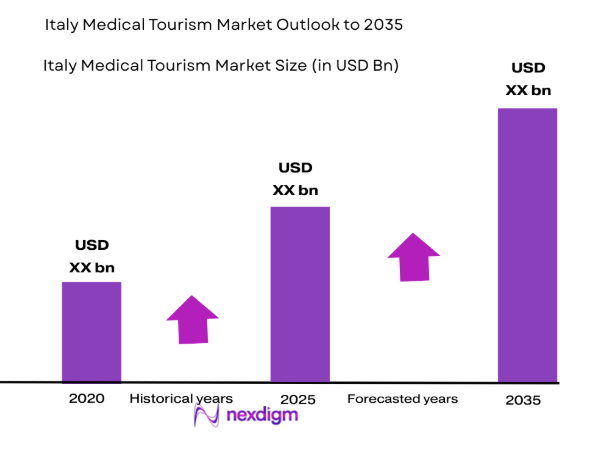
Based on a recent historical assessment, the Italy medical tourism market is valued at approximately USD ~ billion. It is primarily driven by Italy’s world-class healthcare services, competitive pricing, and high standards of care. The country’s appeal is further enhanced by its internationally renowned medical professionals, advanced medical facilities, and specialized treatments, making it a prime destination for individuals seeking medical procedures, including cosmetic surgery, fertility treatments, and wellness therapies.
In terms of geographical dominance, cities such as Rome, Milan, and Florence emerge as the main hubs for medical tourism due to their state-of-the-art hospitals and healthcare infrastructure. These cities are not only known for their medical expertise but also for their accessibility, luxurious accommodations, and a long-standing reputation for medical excellence. The combination of top-tier healthcare providers and the opportunity for tourists to explore Italy’s cultural heritage makes these cities the most attractive locations for medical travelers.
Market Segmentation
By Product Type
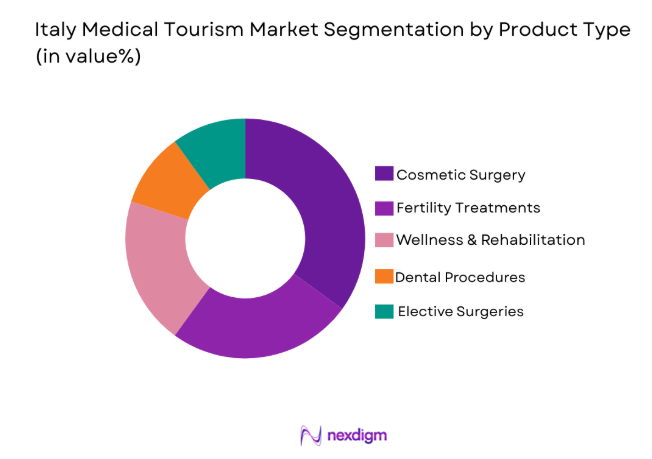
The Italy medical tourism market is segmented by product type into cosmetic surgery, fertility treatments, wellness and rehabilitation services, dental procedures, and elective surgeries. Recently, cosmetic surgery has emerged as the dominant market sub-segment, primarily due to growing global demand for aesthetic enhancements and Italy’s reputation for high-quality procedures at competitive prices. This segment benefits from a robust presence of internationally acclaimed professionals, combined with Italy’s advanced cosmetic surgery infrastructure. Furthermore, the country’s regulatory environment ensures high standards of care, contributing to patient trust and an increasing influx of international clients seeking cosmetic procedures.
By Platform Type
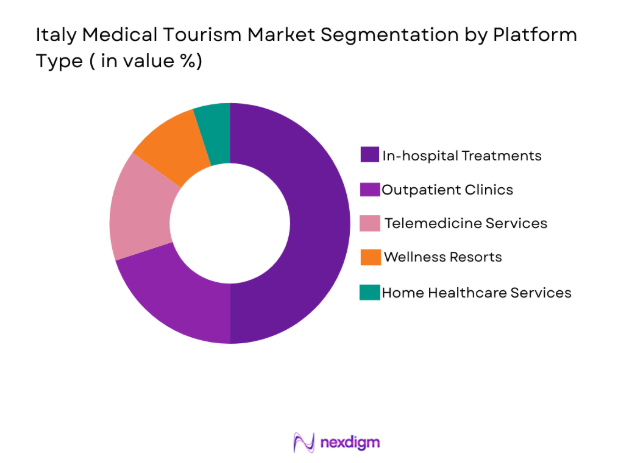
The market is also segmented by platform type, which includes in-hospital treatments, outpatient clinics, telemedicine services, Wellness Resorts and, Home Healthcare Services. The dominant platform type in Italy’s medical tourism sector is in-hospital treatments. These services offer patients access to highly specialized care, state-of-the-art medical equipment, and a comprehensive range of inpatient services, such as surgery and post-operative care. The preference for in-hospital treatments is driven by the need for advanced medical intervention and the desire for recovery in a professional healthcare setting. Furthermore, Italy’s hospitals offer superior patient care and cater to an international clientele, further bolstering their appeal.
Competitive Landscape
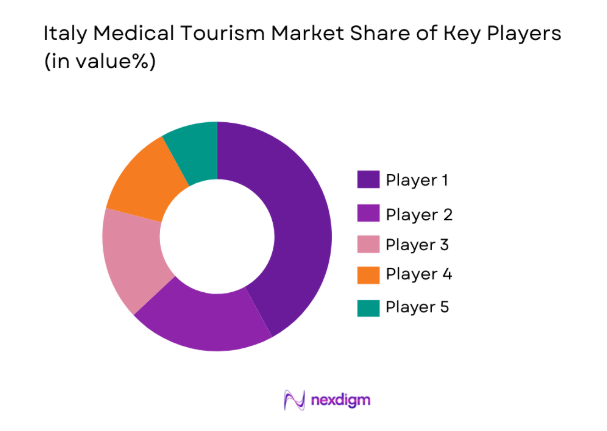
The competitive landscape of the Italy medical tourism market is characterized by a combination of high-quality healthcare providers, medical tourism facilitators, and specialized services. The market is moderately fragmented, with both public and private sector players. Leading healthcare facilities, along with prominent medical tourism agencies, play a significant role in attracting patients worldwide. Major players are investing in marketing strategies, patient-centric services, and state-of-the-art technologies to expand their footprint in the international medical tourism market.
| Company Name | Establishment Year | Headquarters | Technology Focus | Market Reach | Key Products | Revenue (USD) | Patient Satisfaction Rating |
| Ospedale San Raffaele | 1969 | Milan | ~ | ~ | ~ | ~ | ~ |
| Istituto Europeo di Oncologia | 1994 | Milan | ~ | ~ | ~ | ~ | ~ |
| Humanitas Research Hospital | 2001 | Milan | ~ | ~ | ~ | ~ | ~ |
| Villa Stuart Hospital | 1983 | Rome | ~ | ~ | ~ | ~ | ~ |
| Policlinico Gemelli | 1964 | Rome | ~ | ~ | ~ | ~ | ~ |
Italy Medical Tourism Market Analysis
Growth Drivers
Government Support for Medical Tourism
The Italian government has been increasingly focused on promoting the country as a premier medical tourism destination. Government initiatives such as providing incentives for healthcare providers to improve their facilities and fostering international collaborations have contributed significantly to the market’s growth. These policies are designed to position Italy as a leading healthcare provider for global patients, particularly in cosmetic, fertility, and wellness treatments. As a result, the government’s support is helping to boost the confidence of international patients and streamline the medical tourism experience in the country. Healthcare providers are also aligning their services with these national policies, offering competitive packages and a high level of quality care to attract more international visitors. The government’s efforts to reduce bureaucratic hurdles and improve patient services further drive the demand for medical tourism. Healthcare marketing campaigns and collaborations between public and private sectors have raised awareness and positioned Italy as a medical tourism hub.
Technological Advancements in Healthcare
Advancements in medical technology are a significant driver of Italy’s medical tourism market. The country is home to leading-edge technologies such as robotic surgery, advanced imaging, and precision medicine, which attract patients seeking the latest and most effective treatments. Italian hospitals are increasingly adopting these cutting-edge technologies to enhance the quality of patient care and improve treatment outcomes, making them a top choice for medical tourists. Furthermore, medical professionals in Italy are highly skilled in utilizing these technologies, ensuring high success rates for procedures. Italy’s leadership in the fields of cosmetic surgery and fertility treatments is supported by these innovations, allowing the country to maintain its competitive edge in the international medical tourism sector. The integration of new technologies not only improves the quality of care but also helps reduce recovery times and improve overall patient satisfaction, which are key factors for attracting foreign patients. This technological prowess is expected to continue driving growth in Italy’s medical tourism market.
Market Challenges
High Cost of Medical Treatments
While Italy offers world-class medical care, one of the key challenges in the medical tourism sector is the high cost of treatments compared to other emerging medical tourism destinations. Procedures, especially in specialized fields such as cosmetic surgery and fertility treatments, can be prohibitively expensive for some international patients. This price disparity may limit the accessibility of Italy’s healthcare services to a narrower segment of the global market. Although the quality of care justifies the high prices, the cost remains a significant challenge in attracting price-sensitive patients, especially from emerging economies. Additionally, the cost of healthcare in Italy is influenced by factors such as the expensive infrastructure, highly trained professionals, and advanced medical technologies used in treatments. These costs may pose a barrier to expanding the customer base for medical tourism in Italy. Patients seeking cost-effective options may be deterred by Italy’s high medical treatment prices, thus limiting the country’s potential to capture a larger share of the global market.
Competition from Emerging Medical Tourism Destinations
Italy faces intense competition from emerging medical tourism destinations that offer similar high-quality healthcare services at a more affordable price. Countries such as Turkey, Thailand, and India have developed robust medical tourism industries, providing patients with access to highly skilled doctors and advanced treatments at a fraction of the cost of those in Italy. These countries are increasingly gaining popularity as cost-effective alternatives, especially among international patients from Europe, the Middle East, and Asia. As these emerging markets continue to improve their healthcare infrastructure and attract skilled medical professionals, Italy’s dominance in the medical tourism sector is threatened. Additionally, many of these countries offer customized packages that include travel, accommodation, and medical treatment, making them more appealing to budget-conscious patients. As a result, Italy’s competitive position in the medical tourism market faces pressure from these emerging destinations, which are becoming more sophisticated in their offerings and are increasingly seen as viable alternatives to Italy.
Opportunities
Expansion of Wellness Tourism
One of the key opportunities for the Italy medical tourism market is the expansion of wellness tourism, which includes holistic health treatments, spa therapies, and wellness retreats. Italy’s rich history and natural resources, combined with its cultural appeal, make it an attractive destination for wellness tourists seeking relaxation and rejuvenation. The country’s diverse regions offer various wellness experiences, from thermal baths and wellness resorts in Tuscany to luxury spa treatments along the Amalfi Coast. This growing interest in wellness tourism presents a significant opportunity for Italy to diversify its medical tourism offerings and attract a broader range of international visitors. The increasing focus on preventive healthcare and mental well-being is expected to fuel the demand for wellness tourism services. As more patients seek alternatives to traditional medical treatments, Italy is well-positioned to cater to this growing market with its luxurious wellness services, providing another avenue for growth in its medical tourism sector. The country’s unique offerings of natural treatments, along with its highly skilled wellness practitioners, will continue to drive demand for this segment.
Rising Demand for Fertility Treatments
Another major opportunity in the Italy medical tourism market is the rising demand for fertility treatments. Italy has established itself as a leading destination for assisted reproductive technology (ART), attracting international patients seeking high-quality, successful fertility treatments. The demand for fertility services, including in vitro fertilization (IVF) and egg freezing, is on the rise globally due to increasing infertility rates and social trends such as delayed childbearing. Italy’s fertility clinics are known for their advanced technology, experienced specialists, and high success rates, making it a preferred choice for patients from regions with less advanced fertility treatments. As a result, Italy is witnessing a steady influx of patients from countries where fertility treatments are either unavailable or less advanced. The country’s reputation in this field presents a significant opportunity to further expand its market share in the global fertility tourism sector. With increasing awareness and accessibility to fertility services, Italy is poised to capitalize on this growing demand and solidify its position as a top destination for fertility tourism.
Future Outlook
The future outlook for Italy’s medical tourism market is promising, with continued growth anticipated over the next five years. Driven by advancements in healthcare technology, an expanding global patient base, and Italy’s ongoing focus on high-quality, specialized treatments, the market is expected to flourish. As the demand for both traditional and wellness medical tourism rises, Italy’s government initiatives and industry collaborations are poised to fuel further development. Additionally, the increasing popularity of fertility and cosmetic treatments, supported by Italy’s expert medical professionals, will continue to attract international patients. Technological advancements, particularly in telemedicine, robotic surgery, and precision medicine, are expected to enhance the country’s medical offerings and improve patient experiences. This growth will be bolstered by the increasing accessibility of healthcare services and Italy’s reputation as a healthcare hub for those seeking medical care abroad.
Major Players
- Ospedale San Raffaele
- Istituto Europeo di Oncologia
- Humanitas Research Hospital
- Villa Stuart Hospital
- Policlinico Gemelli
- San Donato Group
- European Hospital
- Niguarda Cà Granda Hospital
- Bambino Gesù Hospital
- Fondazione Maugeri
- Clinica Santa Teresa
- ASST Spedali Civili di Brescia
- Istituto Clinico Sant’Ambrogio
- Ospedale San Giovanni
- Policlinico di Milano
Key Target Audience
- Investments and venture capitalist firms
- Government and regulatory bodies
- Healthcare providers and institutions
- Insurance companies
- Healthcare technology developers
- Wellness tourism companies
- Pharmaceutical and medical device companies
Research Methodology
Step 1: Identification of Key Variables
The first step involves identifying the key variables that drive Italy’s medical tourism market. This includes analyzing economic, regulatory, and demographic factors that impact the market.
Step 2: Market Analysis and Construction
Market analysis is conducted through a combination of primary and secondary research, focusing on trends, consumer preferences, and the competitive landscape.
Step 3: Hypothesis Validation and Expert Consultation
In this step, hypotheses are validated through consultations with industry experts, including healthcare providers, medical tourism facilitators, and government agencies.
Step 4: Research Synthesis and Final Output
The final step involves synthesizing the data and producing a comprehensive market report that provides actionable insights for stakeholders.

- Executive Summary
- Research Methodology (Definitions, Scope, Industry Assumptions, Market Sizing Approach, Primary & Secondary Research Framework, Data Collection & Verification Protocol, Analytic Models & Forecast Methodology, Limitations & Research Validity Checks)

- Market Definition and Scope
- Value Chain & Stakeholder Ecosystem
- Regulatory / Certification Landscape
- Sector Dynamics Affecting Demand
- Strategic Initiatives & Infrastructure Growth

- Growth Drivers
Increasing Global Health Consciousness
Rising Demand for Affordable Healthcare
Advancements in Medical Technology - Market Challenges
Language and Cultural Barriers
High Competition from Other Destinations
Regulatory Compliance Issues - Market Opportunities
Expansion of Wellness Tourism
Partnerships with Global Insurance Providers
Improved Infrastructure in Smaller Cities - Trends
Rise of Health and Wellness Resorts
Increasing Use of Telemedicine for International Consultations - Government Regulations
- SWOT Analysis
- Porter’s Five Forces

- By Market Value, 2020-2025
- By Installed Units, 2020-2025
- By Average System Price, 2020-2025
- By System Complexity Tier, 2020-2025

- By System Type (In Value%)
Cosmetic Surgery
Orthopedic Treatment
Cardiology Services
Dental Services
Fertility Treatments - By Platform Type (In Value%)
Inpatient Services
Outpatient Services
Telemedicine Consultations
Wellness and Preventative Care
Emergency Medical Services - By Fitment Type (In Value%)
Private Hospitals
Public Hospitals
Clinics
Specialized Medical Centers - By End User Segment (In Value%)
International Patients
Local Patients
Insurance Providers

- Market Share Analysis
- Cross Comparison Parameters (System Type, Platform Type, Procurement Channel, End User Segment, Fitment Type, System Complexity, Price)
- SWOT Analysis of Key Competitors
- Pricing & Procurement Analysis
- Key Players
Istituto Clinico Humanitas
Policlinico Universitario Agostino Gemelli
Ospedale San Raffaele
Casa di Cura Privata del Policlinico
European Hospital
San Donato Hospital Group
Rizzoli Orthopedic Institute
Vita-Care Medical Center
Cure Medical Italy
Pio X Hospital
San Giovanni Calibita Fatebenefratelli
Villa Mafalda Hospital
Medicina Futura
Ospedale Niguarda
Clinica Città di Brescia

- High Influx of Patients from Europe
- Increased Interest from Middle Eastern Countries
- Growth in the Elderly Population Seeking Treatment
- Rising Number of Medical Tourists Seeking Cosmetic Surgery

- Forecast Market Value, 2026-2035
- Forecast Installed Units, 2026-2035
- Price Forecast by System Tier, 2026-2035
- Future Demand by Platform, 2026-2035


 Request a Sample
 Ask for Customization
 Get a Quote
 Enquire Now