
 Download PDF
 Download PDF
Market Overview
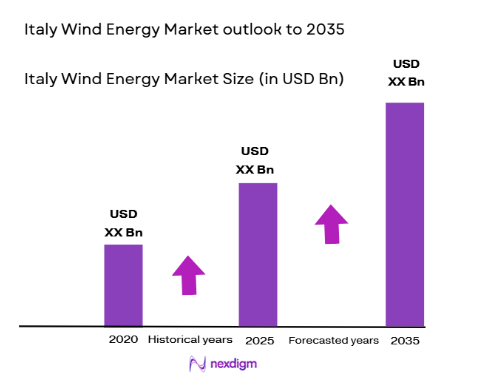
The wind energy market is experiencing rapid growth, driven by an increasing focus on sustainable energy sources. Based on a recent historical assessment, the market size for wind energy is estimated to be valued at USD ~ billion. This growth is primarily supported by factors such as advancements in wind turbine technology, government incentives for renewable energy, and global environmental policies promoting the transition to clean energy. Additionally, the rising demand for energy independence and the reduction of greenhouse gas emissions are pivotal drivers for this market.
Dominant regions such as Europe and North America continue to lead the global wind energy market. These areas benefit from favorable wind conditions, supportive governmental policies, and extensive infrastructure development. Countries like Denmark, Germany, and the United States are key players in the market, largely due to their long-standing commitment to renewable energy initiatives and large-scale wind farm projects. Additionally, China is an emerging leader in offshore wind farms, capitalizing on its manufacturing capabilities and energy demand.
Market Segmentation
By Product Type:
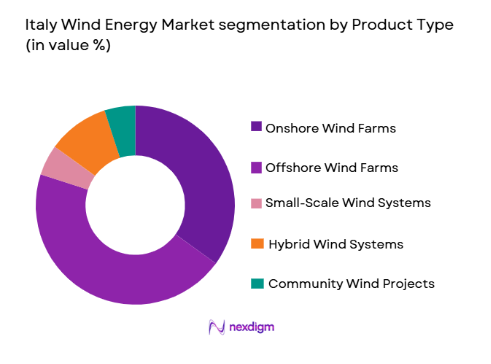
The wind energy market is segmented by product type into onshore wind farms, offshore wind farms, small-scale wind systems, hybrid wind systems, and community wind projects. Recently, offshore wind farms have dominated the market share due to factors such as stronger and more consistent wind conditions in coastal areas, larger scale projects, and technological advancements that have made offshore wind generation more cost-effective and efficient. Offshore installations are expected to continue leading the market due to their ability to generate higher energy outputs and greater financial backing from governments and large corporations.
By Platform Type:
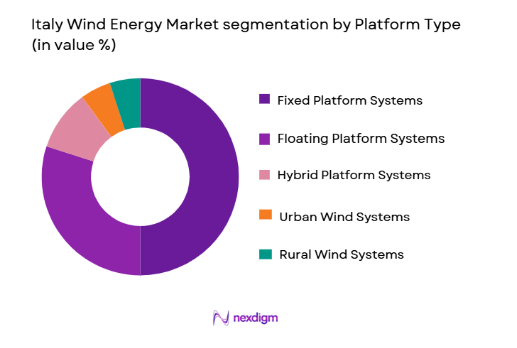
The wind energy market is segmented by platform type into fixed platform systems, floating platform systems, hybrid platform systems, urban wind systems, and rural wind systems. Fixed platform systems dominate the market due to their established technology, cost-effectiveness, and strong infrastructure support. These platforms are the most commonly used in onshore and shallow offshore wind farms, making them a dominant choice for large-scale energy projects. Fixed platforms continue to be preferred due to their proven performance and lower upfront costs compared to newer, more complex floating platform systems.
Competitive Landscape
The competitive landscape of the wind energy market is characterized by a combination of major global players and emerging local companies focusing on innovations in turbine technology and project development. Market consolidation is prevalent as large energy corporations acquire smaller firms to expand their footprint and access advanced technologies. Major players continue to influence the market with strategic partnerships, joint ventures, and expanding offshore wind farm projects.
| Company Name | Establishment Year | Headquarters | Technology Focus | Market Reach | Key Products | Revenue (USD) | Additional Parameter |
| Vestas | 1945 | Denmark | ~ | ~ | ~ | ~ | ~ |
| Siemens Gamesa | 1976 | Spain | ~ | ~ | ~ | ~ | ~ |
| GE Renewable Energy | 1892 | USA | ~ | ~ | ~ | ~ | ~ |
| Nordex | 1985 | Germany | ~ | ~ | ~ | ~ | ~ |
| Ørsted | 1972 | Denmark | ~ | ~ | ~ | ~ | ~ |
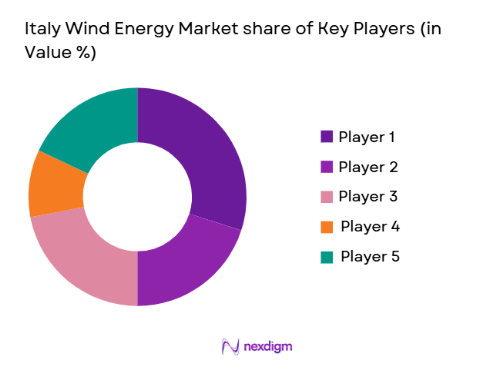
Wind Energy Market Analysis
Growth Drivers
Government Incentives for Renewable Energy:
Government incentives play a crucial role in driving the growth of the wind energy market. Policies such as tax credits, grants, and renewable energy mandates are pivotal in accelerating investment in wind energy infrastructure. These incentives make wind energy projects more attractive to developers, who otherwise might not have the capital for large-scale installations. With governments worldwide aiming to meet carbon reduction targets, financial support continues to fuel investments in wind energy projects. Additionally, long-term contracts and subsidies offered by governments ensure the financial stability of wind energy operators, making it a viable and lucrative market for investors. These supportive policies have proven essential in increasing wind energy capacity, particularly in regions such as North America and Europe. The expansion of wind energy in these areas also aligns with broader global goals to transition to renewable sources of power.
Technological Advancements in Wind Turbines:
Technological advancements in wind turbines are a major driver for the growth of the wind energy market. The development of larger and more efficient turbines has significantly improved energy output, making wind energy more cost-competitive with other energy sources. Innovations such as floating wind turbines and smart grid technologies have increased the scalability and efficiency of wind energy generation, allowing developers to tap into previously inaccessible locations. These advancements enable developers to optimize the operation of wind farms, thereby enhancing energy production and reducing costs. Moreover, advancements in turbine materials, blade design, and turbine controls contribute to improved reliability, longevity, and performance, further driving the global adoption of wind energy.
Market Challenges
High Initial Investment Costs:
One of the significant challenges facing the wind energy market is the high initial capital investment required to develop wind farms. The cost of acquiring land, constructing wind turbines, and installing infrastructure can be prohibitive for new market entrants. This challenge is particularly prominent in offshore wind farms, where development and installation are much more expensive due to harsh environmental conditions and logistical complexities. While technological advancements have made wind energy more cost-competitive in recent years, the initial financial burden still poses a significant hurdle for many developers. To mitigate this, governments and financial institutions often offer incentives and funding mechanisms, but the high cost of entry remains a challenge for smaller companies seeking to enter the market.
Grid Integration and Storage Challenges:
Integrating wind energy into the existing power grid can be a complex and costly process. Wind energy, being intermittent in nature, requires advanced energy storage solutions to ensure a stable power supply when wind conditions are low. The current grid infrastructure in many countries is not equipped to handle the fluctuations in energy production associated with wind power, making it necessary to invest in grid modernization and storage technologies. Additionally, wind farms located in remote areas often face challenges related to transmission infrastructure, leading to higher costs for transporting electricity to urban centers. Overcoming these integration and storage challenges is crucial for the widespread adoption of wind energy.
Opportunities
Offshore Wind Energy Development:
Offshore wind energy presents a significant opportunity for the market’s growth. Offshore wind farms benefit from stronger and more consistent wind speeds, allowing for higher energy generation compared to onshore installations. The expansion of offshore wind projects, particularly in Europe, Asia, and North America, has been supported by favorable policies, technological advancements, and the growing demand for renewable energy. Offshore wind energy is poised to become a major contributor to global power generation in the coming years. The development of floating wind turbines further enhances the potential for offshore wind, opening up new areas for development in deeper waters. As governments continue to prioritize clean energy, offshore wind projects are expected to receive significant investment and support, leading to rapid growth in this sector.
Integration of Wind Energy with Energy Storage:
The integration of wind energy with advanced energy storage systems offers a promising opportunity for the market. Energy storage solutions such as batteries and pumped hydro storage enable wind energy to be stored and used during periods of low wind speeds, addressing the intermittency issue that has historically hindered wind power adoption. The growing demand for energy storage solutions, along with declining battery prices, creates a favorable environment for the development of hybrid wind-storage systems. These systems enhance the reliability and stability of wind energy, making it more attractive for grid operators and consumers. As energy storage technologies continue to advance, the integration of wind power with storage solutions is expected to drive significant growth in the wind energy market.
Future Outlook
The wind energy market is poised for substantial growth in the next five years. With increasing investments in offshore wind farms and advancements in turbine technology, the market is set to expand rapidly. Government support for renewable energy projects, alongside growing demand for clean and sustainable energy, will drive further adoption of wind energy globally. As energy storage technologies improve, integrating wind energy with storage systems will help address intermittency issues, making wind power a more reliable energy source. Additionally, the growing focus on climate change mitigation will continue to support the development of wind energy projects worldwide.
Major Players
- Vestas
- Siemens Gamesa
- GE Renewable Energy
- Nordex
- Ørsted
- Suzlon Energy
- Senvion
- Acciona
- Gamesa
- Enel Green Power
- Goldwind
- Mingyang
- Siemens Energy
- Nordex Acciona
- Invenergy
Key Target Audience
- Investments and venture capitalist firms
- Government and regulatory bodies
- Energy producers and suppliers
- Private energy consumers
- Technology solution providers
- Environmental advocacy organizations
- Renewable energy infrastructure developers
- Policy makers and energy consultants
Research Methodology
Step 1: Identification of Key Variables
Identify the key factors that drive and impact the market, including technological, economic, and political variables.
Step 2: Market Analysis and Construction
Analyze current market trends, historical data, and future projections to build a comprehensive model of the market’s growth.
Step 3: Hypothesis Validation and Expert Consultation
Consult with industry experts to validate assumptions, hypotheses, and market forecasts for accuracy.
Step 4: Research Synthesis and Final Output
Compile and synthesize all findings into a detailed and comprehensive market report.

- Executive Summary
- Research Methodology (Definitions, Scope, Industry Assumptions, Market Sizing Approach, Primary & Secondary Research Framework, Data Collection & Verification Protocol, Analytic Models & Forecast Methodology, Limitations & Research Validity Checks)

- Market Definition and Scope
- Value Chain & Stakeholder Ecosystem
- Regulatory / Certification Landscape
- Sector Dynamics Affecting Demand
- Strategic Initiatives & Infrastructure Growth

- Growth Drivers
Government Support for Renewable Energy
Technological Advancements in Turbines
Increasing Demand for Clean Energy
Favorable Wind Conditions in Coastal Regions
Rising Energy Costs and Energy Independence - Market Challenges
Regulatory Hurdles and Permitting Delays
High Capital Expenditure for Installation
Grid Connectivity Issues in Remote Areas
Environmental and Wildlife Concerns
Public Opposition to Large-Scale Wind Farms - Market Opportunities
Growth in Offshore Wind Projects
Integration with Energy Storage Systems
Development of Smart Grid Technologies - Trends
Increase in Offshore Wind Projects
Technological Innovation in Wind Turbines
Hybrid Renewable Energy Solutions
Integration of AI in Energy Management
Growing Focus on Sustainable Energy Solutions - Government Regulations & Defense Policy
Renewable Energy Investment Incentives
Wind Energy Project Approval Processes
Environmental Protection and Land Use Laws - SWOT Analysis
- Stakeholder and Ecosystem Analysis
- Porter’s Five Forces Analysis
- Competition Intensity and Ecosystem Mapping

- By Market Value, 2020-2025
- By Installed Units, 2020-2025
- By Average System Price, 2020-2025
- By System Complexity Tier, 2020-2025

- By System Type (In Value%)
Onshore Wind Farms
Offshore Wind Farms
Small-Scale Wind Systems
Hybrid Wind Systems
Community Wind Projects - By Platform Type (In Value%)
Fixed Platform Systems
Floating Platform Systems
Hybrid Platform Systems
Urban Wind Systems
Rural Wind Systems - By Fitment Type (In Value%)
Onshore Solutions
Offshore Solutions
Residential Installations
Industrial Installations
Commercial Installations - By EndUser Segment (In Value%)
Energy Providers
Government & Regulatory Bodies
Industrial Operators
Commercial Enterprises
Private Consumers - By Procurement Channel (In Value%)
Direct Procurement
Tenders from Government Agencies
Private Sector Procurement
Online Platforms
Third-Party Distributors - By Material / Technology (in Value%)
Advanced Composite Materials
Steel-based Technology
Turbine Blade Materials
High-efficiency Generators
Energy Storage Systems

- Market structure and competitive positioning
- Market share snapshot of major players
- CrossComparison Parameters (System Type, Platform Type, EndUser Segment, Procurement Channel, Material/Technology, Installed Units, Pricing, Competitor Strategies, Regulatory Compliance, Product Innovation)
- SWOT Analysis of Key Players
- Pricing & Procurement Analysis
- Key Players
Enel Green Power
Iberdrola
Ørsted
Siemens Gamesa
Nordex
GE Renewable Energy
Vestas
Acciona
Alstom
Suzlon Energy
Mitsubishi Heavy Industries
EDF Renewables
E.ON Climate & Renewables
RES Group
Mitsui & Co.

- Government’s Role in Renewable Energy Growth
- Energy Providers’ Shift to Wind Power
- Industrial Demand for Sustainable Energy
- Private Sector’s Investment in Green Technologies

- Forecast Market Value, 2026-2035
- Forecast Installed Units, 2026-2035
- Price Forecast by System Tier, 2026-2035
- Future Demand by Platform, 2026-2035


 Request a Sample
 Ask for Customization
 Get a Quote
 Enquire Now