

 Download PDF
Market Overview
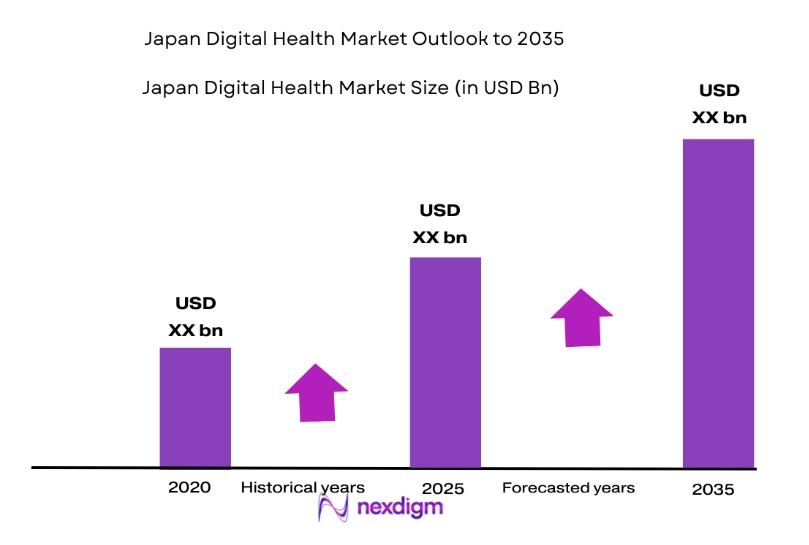
The Japan Digital Health market is experiencing significant growth driven by advancements in technology and increasing adoption of digital health solutions. The market size is expected to reach approximately USD ~ billion by recent assessments, with key drivers including government policies promoting healthcare digitization and the growing demand for telemedicine and wearable health devices. The shift towards a digital-first healthcare model is further supported by investments in AI-powered tools and mobile health platforms, which enhance patient care and reduce healthcare costs.
In terms of regional dominance, major cities like Tokyo and Osaka are the primary hubs for digital health innovation and adoption. These cities benefit from strong infrastructure, high-tech healthcare facilities, and government backing for digital healthcare projects. Urban centers in Japan, where there is a high concentration of hospitals and technology companies, lead the charge in digital health development, with increasing focus on expanding services such as telemedicine, mobile health apps, and e-health records to improve access to care.
Market Segmentation
By Product Type
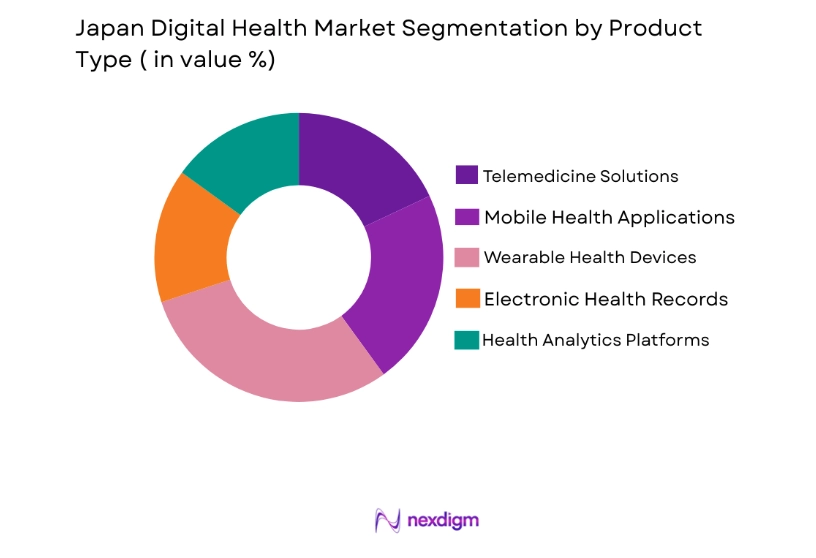
The Japan Digital Health market is segmented by product type into telemedicine solutions, mobile health applications, wearable health devices, electronic health records (EHR), and health analytics platforms. Recently, wearable health devices have gained the largest market share due to their increasing integration with fitness tracking, healthcare management, and remote monitoring solutions. This segment’s dominance is driven by growing consumer awareness of health management and the increased focus on preventive healthcare. Wearables are becoming a crucial part of patient care, especially for chronic conditions, as they offer real-time health monitoring and data collection, which can significantly enhance personalized care.
By Platform Type
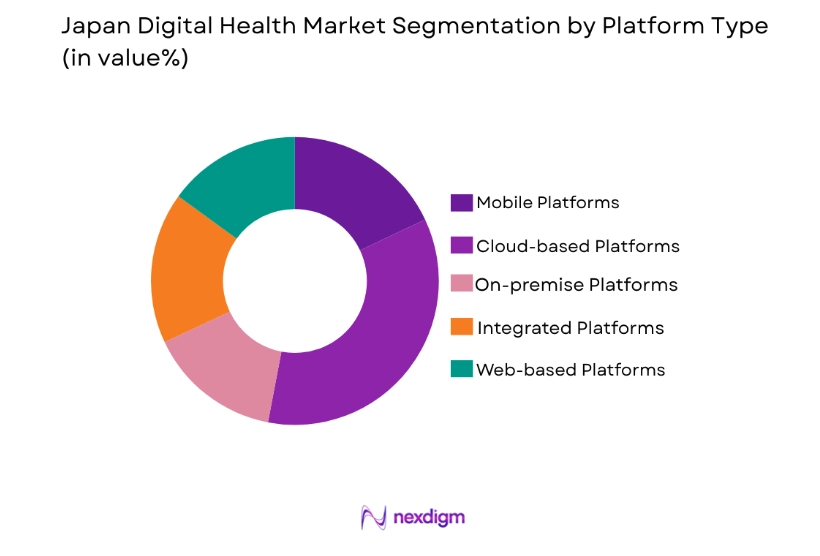
The Japan Digital Health market is segmented by platform type into mobile platforms, cloud-based platforms, on-premise platforms, integrated platforms, and web-based platforms. Cloud-based platforms have recently gained dominant market share due to their scalability, flexibility, and cost-effectiveness. These platforms enable healthcare organizations to store and analyze large amounts of patient data securely, facilitating integration with telemedicine and electronic health records (EHR). As healthcare providers aim to reduce infrastructure costs and enhance patient care, the demand for cloud-based platforms is expected to grow.
Competitive Landscape
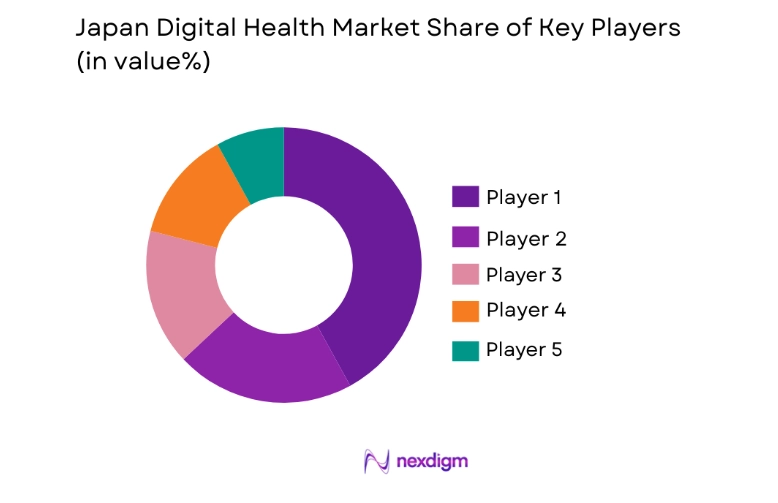
The competitive landscape of the Japan Digital Health market is highly concentrated, with a few major players dominating the industry. Companies are focusing on strategic collaborations and technological advancements to maintain their market leadership. The competitive environment is characterized by significant consolidation as major technology and healthcare companies merge or partner to deliver integrated solutions across telemedicine, wearables, and health analytics.
| Company Name | Establishment Year | Headquarters | Technology Focus | Market Reach | Key Products | Revenue | Additional Parameter |
| Fujifilm Corporation | 1934 | Tokyo, Japan | ~ | ~ | ~ | ~ | ~~ |
| Panasonic Corporation | 1918 | Osaka, Japan | ~ | ~ | ~ | ~ | ~ |
| Omron Healthcare | 1933 | Kyoto, Japan | ~ | ~ | ~ | ~ | ~ |
| Sony Corporation | 1946 | Tokyo, Japan | ~ | ~ | ~ | ~ | ~ |
| NEC Corporation | 1899 | Tokyo, Japan | ~ | ~ | ~ | ~ | ~ |
Japan Digital Health Market Analysis
Growth Drivers
Government Push for Healthcare Digitization
The Japanese government is heavily investing in digital health solutions, aiming to create a more efficient and accessible healthcare system. Policies such as the “Health Care Vision” are focused on incorporating digital tools like telemedicine and AI to improve healthcare services. This push is intended to reduce the burden on healthcare professionals while improving patient outcomes through quicker, data-driven decisions. The government’s adoption of cloud-based platforms and increased funding for digital health technologies fosters innovation across public and private sectors. Public health programs promoting the use of mobile health applications and wearable devices are key drivers of this growth, making healthcare services more available and affordable. Telemedicine, for instance, has been heavily subsidized, especially during the pandemic, which expanded its reach across rural areas. With Japan’s aging population, these digital health solutions are seen as a means to ensure that the healthcare system can handle future demand. As a result, these efforts are expected to continue to increase the market size in the coming years.
Technological Advancements in AI and Machine Learning
AI and machine learning have become crucial in shaping Japan’s digital health market, driving advancements in diagnostics, predictive analytics, and personalized care. Healthcare providers are increasingly using AI to analyze patient data and offer more precise, individualized treatments. Machine learning algorithms are being integrated into various digital health platforms, such as wearable devices, mobile applications, and electronic health records, to provide actionable insights in real-time. These technologies help detect early signs of disease, predict potential health issues, and suggest preventive measures, reducing overall healthcare costs and improving the quality of care. Hospitals and clinics are adopting these technologies to streamline operations, improve patient monitoring, and manage data more effectively. This technological shift is particularly important given Japan’s aging population, where AI-driven solutions are assisting in managing chronic diseases and elderly care. With continued government support and advancements in AI, the digital health sector in Japan is poised to expand rapidly.
Market Challenges
Data Privacy and Security Concerns
One of the biggest challenges facing Japan’s digital health market is the management and security of patient data. With the growing adoption of digital health solutions, particularly telemedicine and wearable devices, the amount of patient data being generated and shared has significantly increased. This raises concerns about data privacy, security breaches, and unauthorized access to sensitive information. While Japan has stringent data protection regulations, such as the Act on the Protection of Personal Information (APPI), ensuring the security of digital health data remains a key challenge. Many patients and healthcare providers still have reservations about the safety of storing and sharing health data online, which can hinder the adoption of certain technologies. Companies in the digital health market are investing heavily in cybersecurity to mitigate these risks and ensure patient data is secure. However, as the market continues to grow, new and more sophisticated security measures will be required to address emerging threats and challenges.
High Implementation and Maintenance Costs
The high cost of implementing and maintaining digital health solutions is another significant barrier to market growth in Japan. Although digital health technologies offer long-term savings by improving patient outcomes and reducing hospital visits, the initial cost of infrastructure, software, and training for healthcare providers is substantial. Smaller healthcare providers may struggle to afford these technologies, leading to slower adoption, particularly in rural areas. Additionally, maintenance costs for software updates, cybersecurity measures, and troubleshooting add to the financial burden. Although government incentives and funding programs are in place to alleviate some of these costs, the financial barriers remain a challenge for smaller players in the market. For the digital health sector to continue growing, the industry will need to focus on making technologies more affordable and accessible for healthcare providers of all sizes.
Opportunities
Expansion of Telemedicine in Rural Areas
Telemedicine presents a significant growth opportunity in Japan, particularly in rural areas where access to healthcare services is limited. The government has already made strides in supporting telemedicine platforms, especially in remote locations where healthcare infrastructure is sparse. By eliminating geographical barriers, telemedicine allows patients to consult with doctors, access medical advice, and receive prescriptions without the need for travel. This solution is especially crucial for elderly patients who have difficulty traveling to clinics or hospitals. Moreover, the rising acceptance of remote care among patients and healthcare providers, along with technological advancements in video conferencing and AI diagnostics, further drives the expansion of telemedicine. In the coming years, it is expected that more healthcare providers will adopt telemedicine solutions, increasing its reach and accessibility.
Rising Demand for Personalized Health Data
The increasing demand for personalized health data is another key opportunity in Japan’s digital health market. Consumers are becoming more proactive in managing their health, and wearable devices, mobile health apps, and e-health records are empowering patients to take control of their wellbeing. By providing real-time health monitoring, personalized health recommendations, and predictive insights, these solutions are changing the way healthcare is delivered. Japanese consumers are increasingly interested in using technology to track their fitness, nutrition, and overall health, leading to a surge in demand for wearables and mobile health applications. This trend is expected to continue as the technology becomes more advanced and affordable. The demand for personalized health data is creating new opportunities for companies to develop innovative products that cater to this growing consumer interest in individualized healthcare.
Future Outlook
The Japan Digital Health market is expected to continue growing rapidly over the next five years, fueled by advancements in technology and increased government support. Key drivers of this growth include the expansion of telemedicine, the integration of AI in healthcare services, and the rise of wearable health devices. Furthermore, the aging population in Japan will continue to create demand for solutions that improve healthcare accessibility and efficiency. As the market matures, regulatory frameworks will evolve to support new technologies and ensure the security and privacy of patient data. In the coming years, the market will witness more collaboration between healthcare providers and technology companies, paving the way for new innovations and widespread adoption of digital health solutions.
Major Players
- Fujifilm Corporation
- Panasonic Corporation
- Omron Healthcare
- Sony Corporation
- NEC Corporation
- Philips Healthcare
- Hitachi Medical Corporation
- Toshiba Medical Systems Corporation
- GE Healthcare
- M3, Inc.
- Medtronic Japan
- Johnson & Johnson
- Abbott Laboratories
- Samsung Electronics Japan
- Roche Diagnostics Japan
Key Target Audience
- Investments and venture capitalist firms
- Government and regulatory bodies
- Healthcare providers
- Digital health technology developers
- Pharmaceutical companies
- Hospitals and clinics
- Insurance companies
Research Methodology
Step 1: Identification of Key Variables
This step involves identifying the critical factors that influence the digital health market in Japan, such as technology trends, regulatory guidelines, and market drivers.
Step 2: Market Analysis and Construction
Market segmentation is developed based on product types, platform types, and end-user demands. Analysis is based on historical data, primary interviews, and secondary research.
Step 3: Hypothesis Validation and Expert Consultation
The formulated hypotheses are validated through consultations with industry experts, government representatives, and market leaders to ensure their accuracy and relevance.
Step 4: Research Synthesis and Final Output
The final report is synthesized, integrating all insights, validated data, and forecasts to provide a comprehensive view of the Japan Digital Health market.

- Executive Summary
- Research Methodology (Definitions, Scope, Industry Assumptions, Market Sizing Approach, Primary & Secondary Research Framework, Data Collection & Verification Protocol, Analytic Models & Forecast Methodology, Limitations & Research Validity Checks)

- Market Definition and Scope
- Value Chain & Stakeholder Ecosystem
- Regulatory / Certification Landscape
- Sector Dynamics Affecting Demand

- Growth Drivers
Government Push for Healthcare Digitization
Technological Advancements in AI and Machine Learning
Increasing Demand for Remote Healthcare Services - Market Challenges
Data Security and Privacy Concerns
High Costs of Implementing Digital Health Solutions
Regulatory and Compliance Barriers - Market Opportunities
Growth in Elderly Population Driving Telemedicine
Expansion of Remote Patient Monitoring Solutions
Advancements in AI for Healthcare Diagnostics - Trends
Growth of AI-Powered Health Solutions
Rising Adoption of Wearable Health Devices - Government Regulations
Data Protection Regulations
Reimbursement Policies for Digital Health
Regulatory Guidelines for Telemedicine - SWOT Analysis
- Porter’s Five Forces

- By Market Value, 2020-2025
- By Installed Units, 2020-2025
- By Average System Price, 2020-2025
- By System Complexity Tier, 2020-2025

- By System Type (In Value%)
Telemedicine Solutions
Mobile Health Applications
Wearable Health Devices
Electronic Health Records (EHR)
Health Analytics Platforms - By Platform Type (In Value%)
Mobile Platforms
Cloud-Based Platforms
On-Premise Platforms
Integrated Platforms
Web-Based Platforms - By Fitment Type (In Value%)
On-Premise Solutions
Cloud-Based Solutions
Hybrid Solutions
Modular Solutions - By End User Segment (In Value%)
Healthcare Providers
Pharmaceutical Companies
Patients/Consumers

- Market Share Analysis
- Cross Comparison Parameters (System Type, Platform Type, Procurement Channel, End User Segment, Fitment Type, Technology Adoption, Regulatory Compliance)
- SWOT Analysis of Key Competitors
- Pricing & Procurement Analysis
- Key Players
Fujifilm Corporation
Hitachi, Ltd.
NEC Corporation
M3, Inc.
Sony Corporation
Panasonic Corporation
Omron Healthcare Co., Ltd.
Toshiba Corporation
Eisai Co., Ltd.
KDDI Corporation
SoftBank Group Corp.
Roche Diagnostics Japan Ltd.
Nihon Kohden Corporation
Medtronic Japan
Samsung Electronics Japan

- Healthcare Providers’ Shift Towards Digital Solutions
- Increased Adoption of Mobile Health Applications Among Patients
- Pharmaceutical Companies Leveraging Digital Health for Research
- Rising Interest from Health Insurers in Digital Health Technologies

- Forecast Market Value, 2026-2035
- Forecast Installed Units, 2026-2035
- Price Forecast by System Tier, 2026-2035
- Future Demand by Platform, 2026-2035


 Request a Sample
 Ask for Customization
 Get a Quote
 Enquire Now