

 Download PDF
 Download PDF
Market Overview
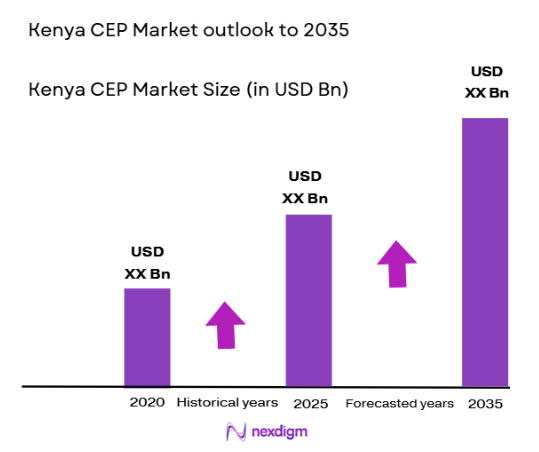
The Kenya CEP market has experienced significant growth, with the total market size estimated at USD ~ billion based on a recent historical assessment. This growth is driven by the increasing demand for express parcel delivery, primarily spurred by the growth in e-commerce, improved logistics infrastructure, and government support for logistics advancements. The market’s development has been aided by both private and public sector investments in transportation and technology, enabling faster and more reliable delivery services. Consumer preference for quick, affordable, and efficient delivery solutions further fuels the expansion of the CEP sector in Kenya.
Kenya’s dominant role in the CEP market is attributed to its strategic geographic location, acting as a hub for East Africa’s logistics and trade. The country’s thriving e-commerce sector, coupled with advancements in mobile technology, has made it a leader in the adoption of digital logistics platforms. Key urban areas, such as Nairobi and Mombasa, are central to the growth of the CEP market, owing to their advanced infrastructure, large populations, and proximity to regional trade routes. The government’s commitment to infrastructure development and logistics policies also positions Kenya as a leader in the region.
Market Segmentation
By Product Type:
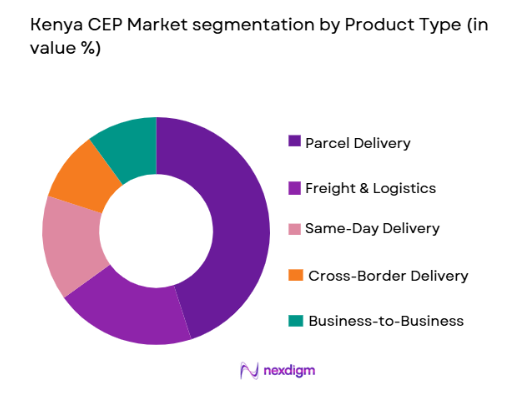
The Kenya CEP market is segmented by product type into various categories such as parcel delivery, freight & logistics, same-day delivery, cross-border delivery, and business-to-business delivery. The parcel delivery segment currently holds the dominant market share due to the rapid growth of e-commerce platforms, which demand swift and reliable delivery solutions. As online shopping continues to expand in Kenya, both local and international e-commerce companies seek to enhance their logistics capabilities. The demand for last-mile delivery services has surged, making parcel delivery the most sought-after solution. This segment benefits from robust investments in digital logistics and delivery infrastructure, which improve efficiency and reduce delivery times. With a focus on customer convenience and cost-effective solutions, the parcel delivery sector is expected to maintain its dominance in the market for the foreseeable future.
By Platform Type:
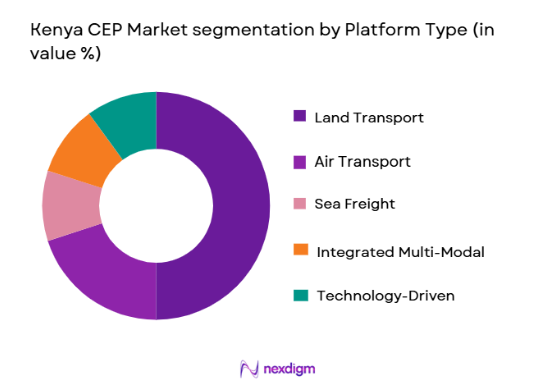
The Kenya CEP market is also segmented by platform type into land transport, air transport, sea freight, integrated multi-modal, and technology-driven platforms. The land transport segment dominates the market, mainly due to the country’s extensive road networks and improved delivery infrastructure. The growing demand for urban mobility, coupled with the expansion of the road infrastructure in cities like Nairobi and Mombasa, makes land transport the most utilized mode for last-mile deliveries. Additionally, the rise in e-commerce and the need for faster delivery times have prompted the integration of technology solutions into land transport, further boosting its prominence. Technology-driven platforms, which include mobile apps and online tracking systems, are enhancing the overall efficiency of land transport, making it the preferred option for delivery service providers in Kenya.
Competitive Landscape
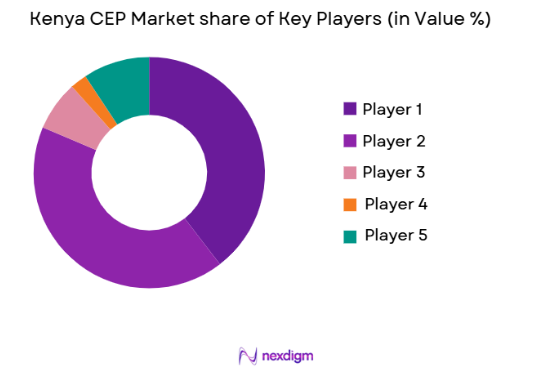
The Kenya CEP market is highly competitive, with both local and international players striving to establish a stronghold. Major global companies like DHL and FedEx dominate the market, but local players such as Sendy and GogoCourier are also significant contributors to the sector. The competitive dynamics are influenced by factors like delivery speed, technological advancements, and price competitiveness. The market is undergoing consolidation, with larger players acquiring smaller companies to expand their service offerings and geographic reach. This trend is expected to continue as companies seek to integrate technology and improve operational efficiency to meet the growing demand for faster and more reliable delivery services.
| Company Name | Establishment Year | Headquarters | Technology Focus | Market Reach | Key Products | Revenue | Additional Parameter |
| DHL Express | 1969 | Germany | ~ | ~ | ~ | ~ | ~ |
| FedEx | 1971 | USA | ~ | ~ | ~ | ~ | ~ |
| Sendy | 2014 | Kenya | ~ | ~ | ~ | ~ | ~ |
| GogoCourier | 2016 | Kenya | ~ | ~ | ~ | ~ | ~ |
| Posta Kenya | 1947 | Kenya | ~ | ~ | ~ | ~ | ~ |
Kenya CEP Market Analysis
Growth Drivers
E-commerce Expansion:
The rapid growth of e-commerce in Kenya has significantly driven the demand for CEP services, especially last-mile delivery. As online shopping becomes more mainstream, consumers demand faster, more efficient, and more affordable delivery options. E-commerce platforms, such as Jumia, are expanding their presence across the country, offering a wide range of products. This has led to an increase in the number of parcels being delivered to consumers, driving the need for efficient CEP systems. The rise in mobile internet penetration and the widespread use of smartphones further accelerates the growth of e-commerce, as it allows consumers to place orders from virtually anywhere. This, combined with the government’s initiatives to improve the logistics infrastructure, ensures that CEP providers are well-positioned to capitalize on the growing demand for fast, secure, and reliable delivery services in Kenya.
Government Infrastructure Investment:
The Kenyan government’s focus on infrastructure development plays a crucial role in supporting the CEP market. With initiatives such as the construction of modern highways, expansion of airports, and the development of regional logistics hubs, the government is making significant strides toward improving the country’s transportation infrastructure. The integration of digital platforms for logistics management, along with the creation of special economic zones and free trade areas, enhances the efficiency of last-mile delivery and improves overall supply chain management. These efforts reduce delays, lower operational costs for logistics providers, and ultimately result in faster, more reliable delivery services. As a result, the government’s investment in infrastructure continues to drive growth in the CEP market.
Market Challenges
Infrastructure Gaps in Rural Areas:
Despite Kenya’s significant progress in improving its logistics infrastructure, gaps remain, particularly in rural and remote areas. The lack of proper road networks, limited access to transportation, and underdeveloped logistics facilities hinder the efficient delivery of goods outside major urban centers. These infrastructure challenges increase delivery times, raise operational costs, and limit the expansion of CEP services to underserved regions. While urban areas like Nairobi and Mombasa benefit from modern logistics infrastructure, rural areas still face barriers to accessing reliable delivery services. This disparity in infrastructure development poses a major challenge to the overall growth of the CEP market, as it affects both consumer satisfaction and the efficiency of logistics providers.
Regulatory and Compliance Barriers:
Another challenge in the Kenya CEP market is navigating the complex regulatory and compliance environment. While the government has made strides in improving the logistics sector, there are still numerous regulations and policies that can slow down market growth. For example, customs clearance procedures for cross-border shipments are often cumbersome and time-consuming, especially when dealing with international delivery providers. Moreover, regulatory barriers surrounding taxation, licensing, and security requirements for delivery vehicles and operators can add to the operational complexity. Compliance with these regulations requires companies to invest heavily in legal counsel and regulatory expertise, further increasing their operational costs and limiting market entry for smaller players.
Opportunities
Growing Demand for Green Logistics Solutions:
As sustainability becomes a critical focus for businesses and consumers, there is an increasing demand for green logistics solutions within the Kenya CEP market. Companies are under pressure to adopt environmentally friendly practices, such as using electric vehicles for delivery, reducing packaging waste, and optimizing routes to minimize fuel consumption. This trend is being driven by both regulatory pressures from the government, which is pushing for greener initiatives, and consumer preferences for eco-conscious brands. The growing interest in sustainability provides a significant opportunity for CEP providers to differentiate themselves by adopting green logistics practices, which could lead to new partnerships, cost savings, and enhanced brand loyalty.
Investment in Technology and Automation:
The rapid advancements in technology, particularly in the areas of artificial intelligence, machine learning, and automation, present significant opportunities for the Kenya CEP market. Automation in sorting and packaging, as well as the use of AI to optimize delivery routes and schedules, can help logistics providers increase operational efficiency and reduce costs. Additionally, the rise of mobile apps and digital platforms offers consumers a seamless experience in tracking their deliveries, making online payments, and scheduling pick-ups. Companies that invest in these technologies will be able to enhance their service offerings, improve delivery times, and provide greater transparency, all of which will drive consumer satisfaction and boost their market share.
Future Outlook
Over the next five years, the Kenya CEP market is expected to experience significant growth, driven by the continued expansion of e-commerce and government infrastructure investments. Technological advancements, particularly in automation and artificial intelligence, will also play a critical role in enhancing service efficiency and delivery times. The demand for green logistics solutions is expected to grow as consumers become more environmentally conscious, and regulatory support for sustainable practices will drive market transformation. As urban areas continue to grow, and with the expansion of rural delivery networks, the Kenyan CEP market is poised for robust development, with enhanced competition, innovation, and increased consumer choice.
Major Players
- DHL Express
- FedEx
- Sendy
- GogoCourier
- Posta Kenya
- UPS
- TNT
- Aramex
- SkyNet Worldwide Express
- Xpress Delivery
- Mailplus
- Safaricom Logistics
- SGL Freight Limited
- Kenya Airways Cargo
- Jumia Logistics
Key Target Audience
- E-commerce companies
- Retail businesses
- Manufacturers
- Wholesale distributors
- Logistics and supply chain firms
- Government and regulatory bodies
- Venture capitalists and investors
- Freight forwarders
Research Methodology
Step 1: Identification of Key Variables
In this phase, key variables affecting the Kenya CEP market are identified through primary research and market analysis. This includes understanding the impact of infrastructure, e-commerce growth, and technology adoption.
Step 2: Market Analysis and Construction
The data is analyzed to determine the market size, trends, and key growth drivers. This step involves segmenting the market based on product type, platform type, and other relevant parameters.
Step 3: Hypothesis Validation and Expert Consultation
Market hypotheses are validated by consulting with industry experts, including logistics providers, government officials, and analysts to ensure accuracy and relevance.
Step 4: Research Synthesis and Final Output
Finally, the findings are synthesized into a comprehensive report, which is then compiled into a structured market research document that provides actionable insights for stakeholders.

- Executive Summary
- Research Methodology (Definitions, Scope, Industry Assumptions, Market Sizing Approach, Primary & Secondary Research Framework, Data Collection & Verification Protocol, Analytic Models & Forecast Methodology, Limitations & Research Validity Checks)

- Market Definition and Scope
- Value Chain & Stakeholder Ecosystem
- Regulatory / Certification Landscape
- Sector Dynamics Affecting Demand
- Strategic Initiatives & Infrastructure Growth

- Growth Drivers
Rise in E-commerce Demand
Government Support for Infrastructure Development
Increased Investment in Logistics Technology
Growth in Cross-Border Trade
Expansion of Digital Payment Solutions - Market Challenges
High Operational Costs
Infrastructure Gaps in Rural Areas
Regulatory Barriers and Compliance Issues
Lack of Standardization Across Service Providers
Environmental Concerns in Delivery Practices - Market Opportunities
Expansion of Same-Day and Express Delivery Services
Increased Demand for Sustainable Delivery Solutions
Partnerships with International Logistics Providers - Trends
Adoption of AI and Automation in Delivery
Rise of Last-Mile Delivery Solutions
Increased Use of Drones for Delivery
Integration of Green Logistics Solutions
Digitization and Online Platform Growth - Government Regulations & Defense Policy
Regulation of Transport and Freight Services
Environmental Impact Regulations
Logistics Industry Compliance Standards - SWOT Analysis
- Stakeholder and Ecosystem Analysis
- Porter’s Five Forces Analysis
- Competition Intensity and Ecosystem Mapping

- By Market Value, 2020-2025
- By Installed Units, 2020-2025
- By Average System Price, 2020-2025
- By System Complexity Tier, 2020-2025

- By System Type (In Value%)
Parcel Delivery Services
Freight & Logistics Services
Same-Day Delivery Services
Cross-Border Delivery Solutions
B2B Delivery Solutions - By Platform Type (In Value%)
Land Transport Platforms
Air Transport Platforms
Sea Freight Platforms
Integrated Multi-Modal Platforms
Technology-Driven Platforms - By Fitment Type (In Value%)
Dedicated Delivery Fleets
Shared Delivery Fleets
Third-Party Logistics Solutions
Mobile Delivery Platforms
Automated Delivery Systems - By EndUser Segment (In Value%)
E-commerce Companies
Retail Businesses
Manufacturers
Wholesale Distributors
Government & Public Sector - By Procurement Channel (In Value%)
Direct Procurement from Providers
Online Platforms and Marketplaces
Third-Party Logistic Providers
Government Tenders
Corporate Contracts - By Material / Technology (In Value%)
Vehicle Fleet Management Solutions
Packaging & Tracking Technologies
Data Analytics & AI Solutions
Autonomous Delivery Solutions
Cold Chain Logistics Technology

- Market structure and competitive positioning
- Market share snapshot of major players
- CrossComparison Parameters (Service Type, Delivery Time, Technology Integration, Service Coverage, Fleet Size, Operational Costs, Customer Experience, Regulatory Compliance, Delivery Speed, Pricing Models)
- SWOT Analysis of Key Players
- Pricing & Procurement Analysis
- Key Players
DHL Express
FedEx
UPS
Posta Kenya
Jumia
SGL Freight Limited
Kenya Airways Cargo
Maersk Line
Toll Group
DHL Global Forwarding
City Sprint
Sendy Ltd.
G4S Kenya
Sako Logistics
GogoCourier

- E-commerce Sector Demands Speed and Efficiency
- Retailers Seek Cost-Effective Delivery Solutions
- Government Support for Logistics Infrastructure
- Small and Medium Enterprises Seeking Affordable Delivery Options

- Forecast Market Value, 2026-2035
- Forecast Installed Units, 2026-2035
- Price Forecast by System Tier, 2026-2035
- Future Demand by Platform, 2026-2035


 Request a Sample
 Ask for Customization
 Get a Quote
 Enquire Now