

 Download PDF
 Download PDF
Market Overview
The Kenya Freight Forwarding Market is expected to reach a market size of USD ~ billion, driven by the rapid growth in e-commerce, infrastructure development, and increasing trade across East Africa. The market is significantly influenced by the expansion of the transport sector, improvements in logistics, and government initiatives to streamline customs and border procedures. Growth in export activities, particularly in agriculture, manufacturing, and minerals, further fuels market demand. This expansion is also supported by technological innovations such as real-time tracking, automated warehouses, and digital freight platforms that enhance the efficiency and transparency of operations.
Kenya’s freight forwarding sector is dominated by key urban hubs such as Nairobi, Mombasa, and Kisumu. Nairobi serves as a central logistics hub due to its strategic location and improved infrastructure, making it a gateway for international trade. Mombasa, with its major port, handles most of the country’s seaborne imports and exports, solidifying its role in regional trade. Furthermore, Kisumu’s development as a logistical center for the western region of Kenya plays a crucial role in connecting the landlocked countries in the Great Lakes region to global trade routes. These cities benefit from proximity to major transport routes and port facilities, fostering a favorable environment for freight forwarding activities. 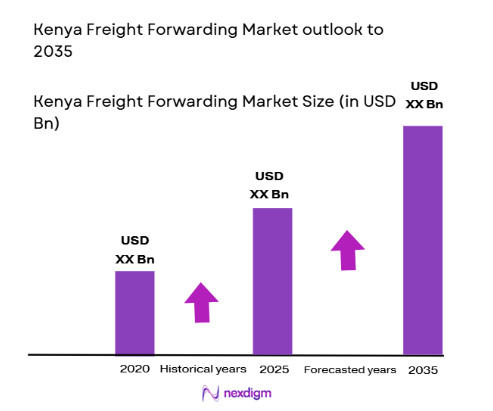
Market Segmentation
By Product Type:
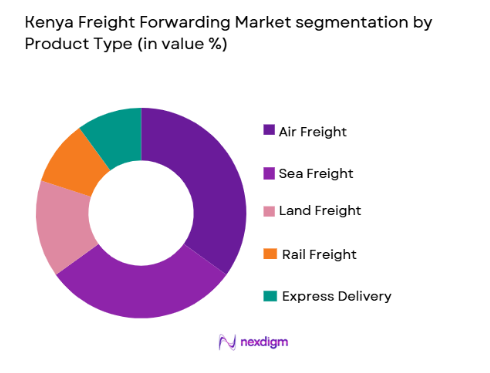
The Kenya Freight Forwarding market is segmented by product type into air freight, sea freight, land freight, rail freight, and express delivery. Recently, air freight has dominated the market share due to the rapid growth of e-commerce and the need for fast deliveries. With increased demand for high-value and time-sensitive goods, air freight offers the fastest method for moving products across long distances, especially for international trade. Furthermore, improvements in airport infrastructure and the establishment of air cargo hubs have facilitated the growth of air freight. As consumer demand for faster delivery of goods rises, air freight continues to be favored, bolstering its position as the dominant product type in the market.
By Platform Type:
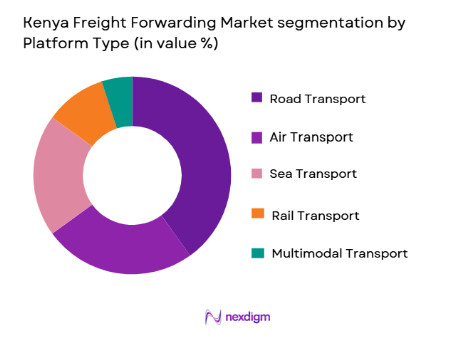
The Kenya Freight Forwarding market is segmented by platform type into road transport, air transport, sea transport, rail transport, and multimodal transport. Road transport is currently the dominant sub-segment, owing to the wide availability of road infrastructure and the flexibility it offers for the delivery of goods within and across borders. The development of major highways, including the Nairobi-Mombasa highway, and road connectivity with neighboring countries has enhanced the efficiency of road transport. As most freight forwarding operations involve overland transportation, road transport’s convenience and lower cost of operation have solidified its leading position in the market.
Competitive Landscape
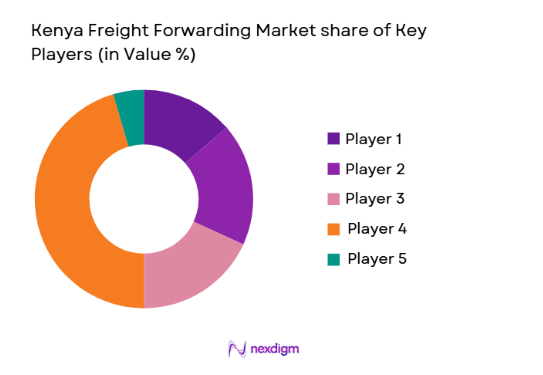
The competitive landscape of the Kenya Freight Forwarding market is characterized by a few dominant players who hold substantial influence over the market dynamics. The sector is undergoing a wave of consolidation, with multinational logistics companies increasing their footprint in the region. Local players are focusing on enhancing service offerings, adopting technology, and expanding infrastructure to remain competitive. The market is highly fragmented with a mix of established global firms and emerging local players working towards regional dominance, driven by the continuous demand for improved logistics services.
| Company Name | Establishment Year | Headquarters | Technology Focus | Market Reach | Key Products | Revenue | Key Strategy |
| DHL Global Forwarding | 1969 | Bonn, Germany | ~ | ~ | ~ | ~ | ~ |
| Kuehne + Nagel | 1890 | Switzerland | ~ | ~ | ~ | ~ | ~ |
| DB Schenker | 1872 | Germany | ~ | ~ | ~ | ~ | ~ |
| Maersk Line | 1904 | Denmark | ~ | ~ | ~ | ~ | ~ |
| Imperial Logistics | 1948 | South Africa | ~ | ~ | ~ | ~ | ~ |
Kenya Freight Forwarding Market Analysis
Growth Drivers
Increase in Trade and Export Activities:
One of the key growth drivers of the Kenya Freight Forwarding market is the increase in trade and export activities, particularly in sectors such as agriculture, manufacturing, and mineral exports. Kenya’s position as a regional trade hub within East Africa has contributed to its rising exports to international markets. The expansion of export-driven industries, such as horticulture and tea, has elevated the demand for efficient logistics services, leading to a rise in freight forwarding activities. Enhanced port facilities at the Mombasa port and improvements in the road and rail networks have streamlined the export process, thus promoting the growth of the market. The government’s focus on promoting trade through the African Continental Free Trade Area (AfCFTA) agreement further boosts trade and creates new opportunities for freight forwarding services. These factors collectively contribute to the sector’s growth by enhancing the demand for transportation and logistics services.
Technological Advancements in Freight Logistics:
Another significant growth driver for the Kenya Freight Forwarding market is the ongoing technological advancements in freight logistics. Technologies such as real-time tracking, automated warehouses, and digital freight platforms are revolutionizing the industry by improving operational efficiency and enhancing the customer experience. The increasing adoption of IoT and blockchain in logistics helps to streamline supply chains, reduce operational costs, and improve transparency. This innovation in technology helps players in the market to offer more accurate delivery timelines, improve cargo management, and optimize routing, which is especially crucial for businesses dealing with time-sensitive goods. As the demand for faster and more reliable delivery continues to rise, technological advancements are expected to play a pivotal role in meeting these expectations and driving the market’s growth.
Market Challenges
High Infrastructure Costs:
One of the main challenges faced by the Kenya Freight Forwarding market is the high infrastructure costs. The need for continuous investment in roads, railways, ports, and airports places a strain on the cost structure of businesses operating in the logistics sector. Inadequate infrastructure can lead to delays, inefficiencies, and increased operational expenses. While there have been efforts from the government to develop critical infrastructure, including the expansion of the Mombasa port and the construction of modern highways, the overall pace of infrastructure development is slow. The high capital expenditure required to develop logistics infrastructure is a challenge that affects the overall competitiveness of the market. Therefore, stakeholders in the freight forwarding market must navigate the complexities of infrastructure development to maintain their operational efficiency.
Regulatory Hurdles and Bureaucracy:
Regulatory challenges and bureaucracy also pose significant barriers to the growth of the Kenya Freight Forwarding market. The complexity of the regulatory environment, combined with the inefficiencies in customs and border procedures, often leads to delays and added costs for freight forwarding companies. Despite efforts to streamline customs procedures through initiatives like the Single Customs Territory (SCT), there are still significant bottlenecks in the system, which lead to inefficiencies in trade. The need for improved regulatory frameworks that simplify the customs clearance process, reduce corruption, and enhance the overall logistics environment is critical for addressing these challenges. Freight forwarding companies operating in Kenya face the challenge of adapting to regulatory changes while maintaining competitive and efficient service offerings.
Opportunities
Expansion of Cross-border Trade with Neighboring Countries:
An exciting opportunity for the Kenya Freight Forwarding market lies in the expansion of cross-border trade with neighboring countries such as Uganda, Tanzania, and Rwanda. With Kenya serving as a gateway to East Africa, the increasing demand for goods within the East African Community (EAC) is driving the need for efficient cross-border transportation services. The establishment of regional trade agreements, like the African Continental Free Trade Area (AfCFTA), further boosts the potential for increased trade, requiring better logistics and supply chain solutions. Freight forwarding companies can capitalize on this opportunity by enhancing regional connectivity and establishing a more integrated cross-border transport network, thus benefiting from the growing demand for intra-regional trade. This opportunity also aligns with Kenya’s economic goals of becoming a key regional transport and logistics hub.
Growth in E-commerce and Online Retail Logistics:
Another major opportunity in the Kenya Freight Forwarding market stems from the growth of e-commerce and online retail logistics. As more consumers in Kenya and across East Africa embrace online shopping, the demand for efficient logistics services has surged. This is particularly evident in the rise of last-mile delivery services, which are crucial for ensuring timely and reliable delivery to customers. Freight forwarding companies can tap into this growing demand by offering tailored services for e-commerce businesses, such as same-day deliveries, advanced tracking systems, and optimized delivery routes. The increasing number of online platforms and retail businesses entering the market presents a unique opportunity to diversify service offerings and leverage technology to enhance the customer experience.
Future Outlook
The future outlook for the Kenya Freight Forwarding market looks promising, with continued growth expected in the coming years. With increasing government support for infrastructure development, the market is likely to benefit from the modernization of transportation networks, including road, rail, and port facilities. Technological advancements such as automation, digital freight solutions, and real-time tracking systems will also play a significant role in enhancing operational efficiencies and improving customer experiences. As East Africa continues to expand as a regional trade hub, the demand for freight forwarding services will rise, offering opportunities for market players to expand their reach and enhance service offerings.
Major Players
- DHL Global Forwarding
- Kuehne + Nagel
- DB Schenker
- Maersk Line
- Imperial Logistics
- Panalpina
- Transworld Group
- Siginon Group
- Bolloré Transport & Logistics
- Agility Logistics
- Kenya Ports Authority
- Bidco Africa
- Altex Freight
- Freight in Time
- Tibbett and Britten
Key Target Audience
- Investments and venture capitalist firms
- Government and regulatory bodies
- Freight forwarding companies
- Shipping and transportation companies
- Retailers and e-commerce businesses
- Manufacturing companies
- Exporters and importers
- Large-scale logistics firms
Research Methodology
Step 1: Identification of Key Variables
Identification of key variables includes understanding the main drivers, challenges, and market conditions affecting the Kenya Freight Forwarding market.
Step 2: Market Analysis and Construction
This step involves constructing the market by segmenting it based on product types, platforms, and end-user segments to understand demand trends.
Step 3: Hypothesis Validation and Expert Consultation
Expert consultations and primary research are conducted to validate hypotheses about market growth and identify key factors influencing the market.
Step 4: Research Synthesis and Final Output
Finally, the research findings are synthesized, conclusions are drawn, and the final market report is prepared based on validated data and insights.

- Executive Summary
- Research Methodology (Definitions, Scope, Industry Assumptions, Market Sizing Approach, Primary & Secondary Research Framework, Data Collection & Verification Protocol, Analytic Models & Forecast Methodology, Limitations & Research Validity Checks)

- Market Definition and Scope
- Value Chain & Stakeholder Ecosystem
- Regulatory / Certification Landscape
- Sector Dynamics Affecting Demand
- Strategic Initiatives & Infrastructure Growth

- Growth Drivers
Increase in Trade and Export Activities
Government Support for Infrastructure Development
Technological Advancements in Logistics
Growing E-commerce and Retail Demand
Improved Transport Connectivity in East Africa - Market Challenges
High Infrastructure Costs
Regulatory Hurdles and Bureaucracy
Security Concerns in Transport
Lack of Skilled Workforce
Inefficiencies in Customs and Border Procedures - Market Opportunities
Expansion of Cross-border Trade with Neighboring Countries
Growth in E-commerce and Online Retail Logistics
Development of Smart Logistics and AI Integration - Trends
Shift Towards Green Logistics and Sustainable Practices
Growth of Automated Freight Solutions
Increased Use of Real-time Data and IoT in Logistics
Rise in Demand for Express and Last-Mile Delivery Services
Adoption of Blockchain Technology for Transparency - Government Regulations & Defense Policy
Customs and Import/Export Regulations
Environmental Standards and Emission Control Policies
Government Initiatives to Support Local Freight Services - SWOT Analysis
- Stakeholder and Ecosystem Analysis
- Porter’s Five Forces Analysis
- Competition Intensity and Ecosystem Mapping

- By Market Value, 2020-2025
- By Installed Units, 2020-2025
- By Average System Price, 2020-2025
- By System Complexity Tier, 2020-2025

- By System Type (In Value%)
Air Freight
Sea Freight
Land Freight
Rail Freight
Express Delivery - By Platform Type (In Value%)
Road Transport
Air Transport
Sea Transport
Rail Transport
Multimodal Transport - By Fitment Type (In Value%)
Outsourced Solutions
In-house Solutions
Hybrid Solutions
Cross-docking Solutions
Integrated Systems - By EndUser Segment (In Value%)
Manufacturing Sector
Retail and E-commerce
Automotive Industry
Pharmaceuticals and Healthcare
Agriculture and Food - By Procurement Channel (In Value%)
Direct Procurement
Brokerage Services
Third-Party Logistics Providers
Freight Forwarding Platforms
Online Freight Services - By Material / Technology (in Value%)
Cold Chain Technology
Automated Freight Systems
Electronic Data Interchange (EDI)
Cargo Tracking Solutions
Packaging Technology

- Market structure and competitive positioning
- Market share snapshot of major players
- CrossComparison Parameters (System Type, Platform Type, Procurement Channel, EndUser Segment, Fitment Type, Material/Technology, Pricing Strategy, Regional Coverage, Service Offerings, Customer Satisfaction)
- SWOT Analysis of Key Players
- Pricing & Procurement Analysis
- Key Players
DHL Global Forwarding
Kenya Ports Authority
Kuehne + Nagel
DB Schenker
Maersk Line
CMA CGM
Panalpina
Imperial Logistics
Bolloré Transport & Logistics
Bidco Africa
Transworld Group
Alpine Freight Services
Agility Logistics
Kenfreight
Siginon Group

- Growing Demand from Manufacturing Sector
- Retailers Seeking Cost-effective Freight Solutions
- Automotive Industry Driving Growth in Road Freight
- Agricultural Exporters Requiring Efficient Logistics

- Forecast Market Value, 2026-2035
- Forecast Installed Units, 2026-2035
- Price Forecast by System Tier, 2026-2035
- Future Demand by Platform, 2026-2035


 Request a Sample
 Ask for Customization
 Get a Quote
 Enquire Now