
 Download PDF
 Download PDF
Market Overview
The Kenya Last-Mile Delivery Market is estimated to be valued at USD ~ billion based on a recent historical assessment. The market has been primarily driven by the rapid growth of e-commerce, the need for efficient urban logistics solutions, and increasing consumer demand for faster deliveries. Major contributors to the market include improved internet connectivity and the adoption of digital platforms that enable real-time tracking, route optimization, and delivery automation, thereby enhancing the overall consumer experience. Additionally, the rise of mobile payment solutions and delivery networks has further accelerated the market’s growth.
Kenya’s major cities, such as Nairobi, Mombasa, and Kisumu, are driving the demand for last-mile delivery services. Nairobi, the capital, stands out due to its robust infrastructure, tech-savvy population, and high consumer demand for e-commerce and food delivery services. The increased urbanization in these cities, coupled with government support for digital infrastructure and transport solutions, has positioned them as key players in shaping the growth trajectory of the market. The demand is also bolstered by Kenya’s strategic location in East Africa, enhancing trade and logistics across the region.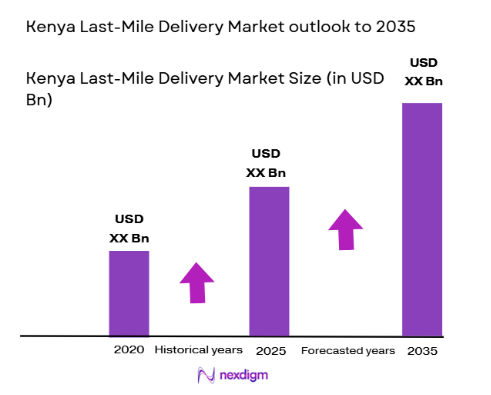
Market Segmentation
By Product Type:
The Kenya Last-Mile Delivery Market is segmented by product type into food delivery services, parcel delivery services, medical delivery services, retail delivery services, and e-commerce delivery services. Recently, e-commerce delivery services have the dominant market share due to factors such as increased online shopping, widespread internet access, and the growing preference for home deliveries. As more consumers shift to digital platforms for shopping, the demand for efficient, reliable, and rapid e-commerce delivery services has surged, creating a significant market opportunity for service providers. This shift in consumer behavior has been facilitated by mobile technology, which allows for real-time order tracking, improved customer engagement, and the ability to scale up delivery services to meet rising demand. The increasing consumer preference for fast, on-demand deliveries has pushed businesses to innovate and expand their last-mile delivery services, thus further driving market growth.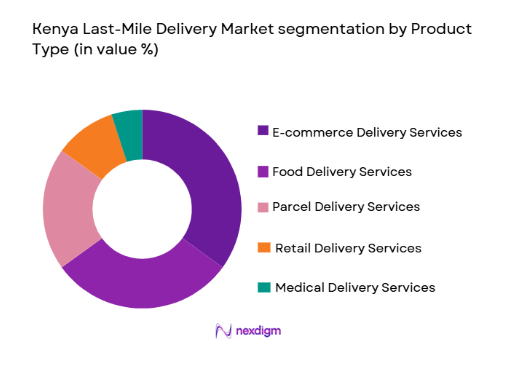
By Platform Type:
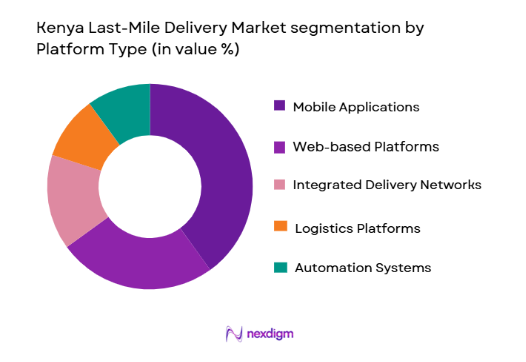
The Kenya Last-Mile Delivery Market is segmented by platform type into mobile applications, web-based platforms, integrated delivery networks, logistics platforms, and automation systems. Mobile applications have the dominant market share due to the increasing number of consumers using smartphones to shop, track deliveries, and make payments. The accessibility and convenience offered by these apps make them essential for consumers who demand seamless and efficient service. Mobile platforms enable businesses to integrate real-time tracking, route optimization, and customer support, which enhances the user experience and streamlines logistics operations. Additionally, the penetration of internet-enabled smartphones across urban and rural areas in Kenya has made mobile applications the go-to solution for last-mile delivery service providers, further driving market growth.
Competitive Landscape
The Kenya Last-Mile Delivery Market is characterized by a competitive landscape with the presence of both local and international players, each vying for dominance through technological innovations and improved service offerings. Major players in the market are heavily focused on enhancing last-mile delivery efficiency by integrating digital platforms, mobile apps, and automation technologies. Consolidation has been seen through partnerships and collaborations between e-commerce companies and logistics providers. The influence of global players, such as Jumia and Uber, combined with the increasing entry of local startups, is reshaping the market landscape by focusing on urban mobility, fleet management, and consumer engagement.
| Company Name | Establishment Year | Headquarters | Technology Focus | Market Reach | Key Products | Revenue | Market-specific Parameter |
| Jumia | 2012 | Nairobi | ~ | ~ | ~ | ~ | ~ |
| Uber Eats | 2014 | Nairobi | ~ | ~ | ~ | ~ | ~ |
| Sendy | 2014 | Nairobi | ~ | ~ | ~ | ~ | ~ |
| Glovo | 2015 | Nairobi | ~ | ~ | ~ | ~ | ~ |
| Twiga Foods | 2014 | Nairobi | ~ | ~ | ~ | ~ | ~ |
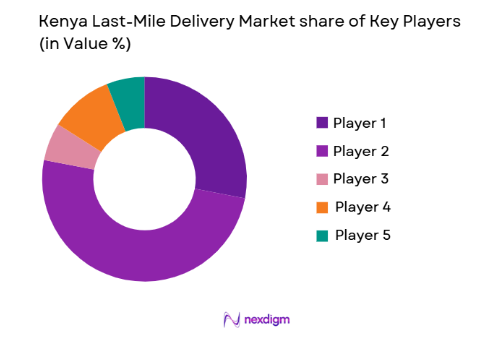
Kenya Last-Mile Delivery Market Analysis
Growth Drivers
E-commerce Boom:
The Kenyan e-commerce sector has witnessed explosive growth in recent years, fueled by increased internet penetration, mobile payments, and the convenience of online shopping. This surge in online shopping has directly contributed to a growing demand for last-mile delivery services, as consumers expect fast and reliable delivery options. Major e-commerce players, such as Jumia, have experienced growth in the volume of transactions, further driving the demand for last-mile delivery services that can support the increased volume. As more retailers embrace digital commerce and expand their offerings to meet the rising demand, last-mile delivery services will continue to play a critical role in bridging the gap between businesses and customers. The integration of payment gateways and advanced tracking technologies is expected to further enhance the overall delivery experience, which will fuel the growth of last-mile delivery providers.
Urbanization and Population Growth:
Kenya’s rapid urbanization, particularly in cities such as Nairobi and Mombasa, has increased the demand for last-mile delivery solutions. As the population shifts towards urban areas, there is a growing need for efficient and timely delivery services to cater to the rising number of consumers. The increase in disposable income and the trend of urban consumers opting for convenience-driven services have made last-mile delivery a critical component in addressing consumer expectations. The expansion of digital infrastructure and the push towards smart cities in Kenya are also contributing factors, as they facilitate the adoption of technology-driven delivery models. With urban areas expanding and the population becoming more tech-savvy, the demand for quick, flexible, and reliable last-mile delivery services will continue to rise, thereby driving market growth.
Market Challenges
Infrastructure and Traffic Congestion:
Despite Kenya’s growth in digital and e-commerce adoption, challenges remain in the infrastructure required for last-mile delivery services. Urban traffic congestion in cities like Nairobi creates significant delays and inefficiencies for delivery services. This congestion, along with underdeveloped infrastructure in rural areas, limits the ability of logistics providers to deliver on time. Traffic jams, poorly maintained roads, and limited delivery infrastructure in less urbanized areas make last-mile delivery operations more costly and less efficient. To address this challenge, providers must adopt innovative solutions such as drones, electric vehicles, and optimized routing software. However, these technologies are still in their early stages, and widespread adoption will take time and investment.
High Operational Costs and Delivery Price Sensitivity:
The cost of operating last-mile delivery services in Kenya remains high due to various factors, such as fuel costs, labor, and vehicle maintenance. Additionally, the price sensitivity of consumers means that companies are under constant pressure to offer affordable delivery options while maintaining profitability. Last-mile delivery companies must balance the need for cost-effectiveness with high service standards, which can be difficult to achieve. The challenge is particularly pronounced in rural areas where the cost of delivery increases due to the lack of infrastructure and the need for customized solutions. To address this challenge, companies need to invest in process optimization and automation, such as using artificial intelligence for route planning, to reduce operational costs. However, the implementation of these technologies requires significant upfront investment, which could be a barrier for smaller players in the market.
Opportunities
Integration of AI and Automation:
One of the biggest opportunities in the Kenya Last-Mile Delivery Market lies in the integration of artificial intelligence (AI) and automation technologies. By leveraging AI for route optimization, predictive analytics, and demand forecasting, delivery companies can streamline operations and reduce inefficiencies. Automation in the form of drones, autonomous vehicles, and robotic delivery systems is also emerging as a promising solution to overcome the limitations of traditional delivery methods. The ability to manage deliveries in real-time with minimal human intervention can help providers reduce delivery times and operational costs, while meeting the growing consumer demand for faster, more efficient services. Furthermore, these technologies can be integrated into existing platforms, allowing businesses to scale their operations more efficiently. With increasing investment in AI and automation solutions, the opportunity for significant innovation in last-mile delivery is vast.
Expansion into Rural Markets:
While the Kenya Last-Mile Delivery Market has primarily focused on urban areas, there is a significant opportunity to expand services into rural markets. As internet access improves and mobile payments become more widespread in remote areas, the demand for delivery services is expected to grow. By establishing logistics networks and collaborating with local players, companies can offer tailored services that meet the unique needs of rural consumers. The expansion into rural areas presents the opportunity for first-mover advantages, as few competitors are currently addressing this market segment. This untapped demand for last-mile delivery services in rural areas offers a lucrative growth opportunity, provided companies can overcome challenges such as infrastructure and high operational costs.
Future Outlook
The future outlook for the Kenya Last-Mile Delivery Market looks promising, with continued growth expected in both urban and rural areas. Technological advancements, such as the integration of AI, automation, and the use of electric vehicles, will drive efficiency and reduce operational costs. Furthermore, the growing e-commerce sector, combined with increased urbanization and the expansion of mobile payment solutions, will continue to fuel demand for fast and reliable last-mile delivery services. With government support for infrastructure development and a focus on digital innovation, the market is poised for sustained growth in the coming years.
Major Players
- Jumia
- Uber Eats
- Sendy
- Glovo
- Twiga Foods
- Bolt
- Safaricom
- Zatu
- Parcel Post
- Lynk
- Roadster
- Koko Networks
- DPD Kenya
- Kuehne + Nagel
- CitySprint
Key Target Audience
- E-commerce Retailers
- Food and Beverage Chains
- Healthcare Providers
- Consumer Goods Retailers
- Logistics Service Providers
- Courier and Delivery Companies
- Transportation Infrastructure Firms
- Venture Capital and Investment Firms
Research Methodology
Step 1: Identification of Key Variables
This step involves identifying the key drivers, challenges, trends, and market segments that are critical to the analysis. Key variables are selected based on industry expertise and data insights.
Step 2: Market Analysis and Construction
We analyze historical data and trends to construct a comprehensive market model, evaluating market size, growth rates, and segmentation. Relevant industry data and statistics are incorporated to ensure accuracy.
Step 3: Hypothesis Validation and Expert Consultation
In this step, we validate our market assumptions through discussions with industry experts, market leaders, and stakeholders. We incorporate feedback and adjust assumptions to reflect market realities.
Step 4: Research Synthesis and Final Output
We synthesize the findings from the previous steps to develop a comprehensive market report. This step involves drawing conclusions, highlighting key insights, and finalizing the report for publication.

- Executive Summary
- Research Methodology (Definitions, Scope, Industry Assumptions, Market Sizing Approach, Primary & Secondary Research Framework, Data Collection & Verification Protocol, Analytic Models & Forecast Methodology, Limitations & Research Validity Checks)

- Market Definition and Scope
- Value Chain & Stakeholder Ecosystem
- Regulatory / Certification Landscape
- Sector Dynamics Affecting Demand
- Strategic Initiatives & Infrastructure Growth

- Growth Drivers
Increase in E-commerce Activity
Urbanization and Population Growth
Technological Advancements in Logistics
Government Investments in Infrastructure
Rising Demand for Fast Deliveries - Market Challenges
High Operational Costs
Traffic Congestion in Urban Areas
Limited Infrastructure in Rural Areas
Lack of Delivery Regulation and Standardization
Weather and Environmental Challenges - Market Opportunities
Integration of AI in Logistics
Growth in Online Grocery Delivery
Expansion of Green Delivery Options - Trends
Rise of Contactless Delivery
Shift to Sustainable Delivery Vehicles
Increased Use of Delivery Automation
Focus on Real-Time Delivery Tracking
Growth of Subscription-Based Delivery Models - Government Regulations & Defense Policy
Urban Mobility and Delivery Regulations
Environmental Impact and Sustainability Standards
Government Incentives for Green Logistics - SWOT Analysis
- Stakeholder and Ecosystem Analysis
- Porter’s Five Forces Analysis
- Competition Intensity and Ecosystem Mapping

- By Market Value, 2020-2025
- By Installed Units, 2020-2025
- By Average System Price, 2020-2025
- By System Complexity Tier, 2020-2025

- By System Type (In Value%)
Parcel Delivery Services
Food Delivery Services
Retail Delivery Services
Medical Delivery Services
E-commerce Delivery Services - By Platform Type (In Value%)
Mobile Applications
Web-based Platforms
Integrated Delivery Networks
Logistics Platforms
Automation Systems - By Fitment Type (In Value%)
Urban Fitment
Rural Fitment
Commercial Fitment
Residential Fitment
Mixed Fitment - By EndUser Segment (In Value%)
E-commerce Retailers
Food and Beverage Chains
Healthcare Providers
Consumer Goods Retailers
Logistics Service Providers - By Procurement Channel (In Value%)
Direct Procurement
E-commerce Platforms
Third-party Logistics
Private Distribution Networks
Public Tendering - By Material / Technology (in Value%)
Electric Delivery Vehicles
Robotics and Automation
Drones for Delivery
Cloud-based Software Solutions
Battery Storage Solutions

- Market structure and competitive positioning
- Market share snapshot of major players
- CrossComparison Parameters (System Type, Platform Type, Procurement Channel, EndUser Segment, Fitment Type, Technology Adoption, Delivery Speed, Pricing, Customer Experience, Logistics Network Coverage)
- SWOT Analysis of Key Players
- Pricing & Procurement Analysis
- Key Players
Safaricom
Jumia
Sendy
Sokowatch
Kobo360
Glovo
Lori Systems
Zanifu
Bolt
Uber Eats
PickUp
Twiga Foods
Posta Kenya
G4S
DHL

- E-commerce Retailers’ Adoption of Delivery Services
- Healthcare Providers’ Demand for Fast and Secure Deliveries
- Urban Consumers’ Preference for Quick Service
- Consumer Goods Retailers’ Focus on Last-Mile Logistics Efficiency

- Forecast Market Value, 2026-2035
- Forecast Installed Units, 2026-2035
- Price Forecast by System Tier, 2026-2035
- Future Demand by Platform, 2026-2035


 Request a Sample
 Ask for Customization
 Get a Quote
 Enquire Now