
 Download PDF
 Download PDF
Market Overview
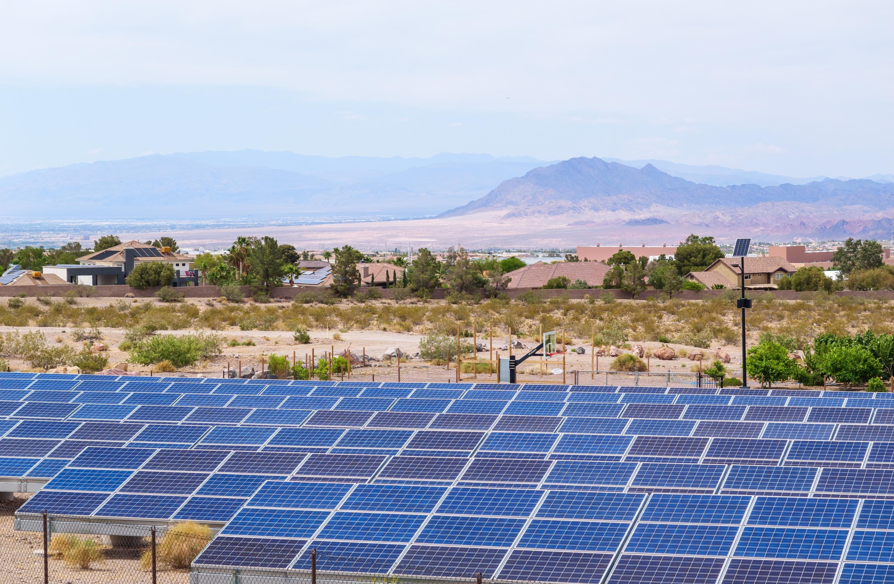
The Kenya Solar PV market is experiencing strong growth, with the market size expected to reach USD ~ billion by the end of the period based on a recent historical assessment. The demand for solar power is being driven by factors such as increasing energy demand, the government’s commitment to clean energy, and the need for off-grid solutions in rural areas. The market’s growth is also supported by the decreasing costs of solar technology and an increase in the number of solar energy projects within the country.
Dominant regions in Kenya, particularly in urban centers such as Nairobi, Mombasa, and Kisumu, have been at the forefront of solar adoption. These cities benefit from better infrastructure, higher awareness, and greater access to government subsidies for renewable energy adoption. Rural areas are seeing a rise in solar energy adoption due to improved accessibility to off-grid solar solutions that offer reliable and sustainable power. This transition to solar energy is crucial for Kenya’s goal of increasing its renewable energy capacity to 100% by the mid-2030s. 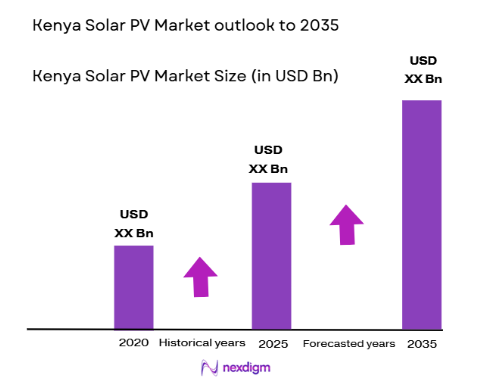
Market Segmentation
By Product Type:
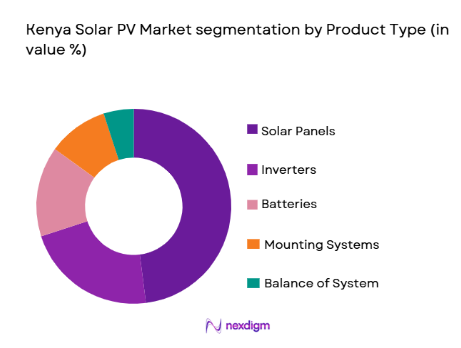
Kenya Solar PV market is segmented by product type into solar panels, inverters, batteries, mounting systems, and balance of system. Recently, solar panels have dominated the market share due to the increasing demand for clean and cost-effective energy sources. The drop in panel prices and increased product reliability have been driving consumer preference. The widespread adoption of solar panels is supported by their role in making solar energy more accessible for both residential and commercial use. Furthermore, the introduction of government incentives has boosted the demand for solar panels across Kenya, with a shift towards higher-efficiency models in response to expanding market needs.
By End-User:
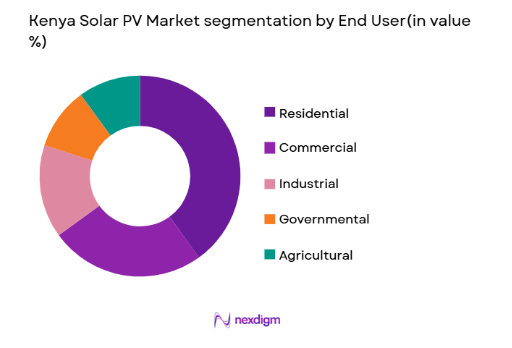
The Kenya Solar PV market is segmented by end-user into residential, commercial, industrial, governmental, and agricultural sectors. Recently, the residential sector has been dominating the market due to the increasing number of households opting for solar power as a reliable and cost-effective alternative to grid electricity. With rural electrification initiatives from the government, there has been significant growth in off-grid solar systems, helping to meet the demand for energy in remote areas. The affordability of solar solutions and growing awareness of environmental benefits further contributes to the dominance of the residential sector in Kenya’s solar market.
Competitive Landscape
The competitive landscape in the Kenya Solar PV market is characterized by the presence of key international and local players. These companies are competing in areas such as technological innovation, pricing strategies, and distribution networks. The market is seeing increased consolidation, with larger companies expanding their footprint through partnerships with local distributors. Furthermore, the major players have a significant influence in shaping industry trends, especially in terms of expanding access to solar power and improving system efficiency. The market remains highly dynamic, with technological developments being a key driver of competition.
| Company Name | Establishment Year | Headquarters | Technology Focus | Market Reach | Key Products | Revenue (USD) |
| SolarAfrica | 2012 | Nairobi, Kenya | ~ | ~ | ~ | ~ |
| JinkoSolar | 2006 | Shanghai, China | ~ | ~ | ~ | ~ |
| M-KOPA Solar | 2011 | Nairobi, Kenya | ~ | ~ | ~ | ~ |
| SunPower | 1985 | California, USA | ~ | ~ | ~ | ~ |
| TotalEnergies | 1924 | Paris, France | ~ | ~ | ~ | ~ |
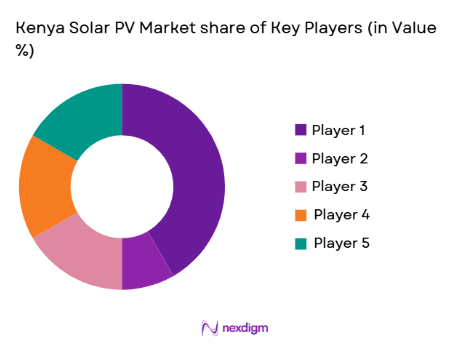
Kenya Solar PV Market Analysis
Growth Drivers
Government Support for Renewable Energy:
The Kenyan government has made significant strides in promoting the adoption of solar energy as part of its renewable energy strategy. The government offers tax incentives and rebates on solar equipment, encouraging both households and businesses to invest in solar power. Additionally, there are supportive policies in place to promote off-grid solutions, which have proven to be crucial in rural areas. This support is a major driver behind the rapid growth of the Kenya Solar PV market, as it not only makes solar power more affordable but also ensures its wider accessibility to a broader segment of the population.
Technological Advancements in Solar Power Systems:
Another key growth driver for the Kenya Solar PV market is the continued technological advancements in solar energy systems. The development of high-efficiency solar panels, energy storage solutions, and integrated smart grid systems has led to better performance, greater reliability, and lower costs for consumers. Furthermore, innovations in solar power technologies are making it easier to integrate solar energy with existing infrastructures. These technological improvements are expected to continue fueling the market’s growth by making solar power even more attractive for both residential and commercial users.
Market Challenges
High Initial Costs of Solar Systems:
Despite the long-term cost savings associated with solar energy, the initial capital required for purchasing and installing solar systems remains a significant barrier for many consumers in Kenya. While there has been a decrease in the prices of solar components, the upfront costs of full solar PV systems can still be prohibitive, especially for low-income households and small businesses. This financial challenge is compounded by limited access to affordable financing options, which restricts the market’s potential for growth in underserved areas.
Challenges in Grid Integration:
Another challenge that impacts the growth of the Kenya Solar PV market is the difficulty in integrating solar power into the existing electricity grid. Kenya’s grid infrastructure is still evolving, and the addition of decentralized solar systems can create issues in terms of balancing supply and demand, as well as ensuring grid stability. There are also concerns about the technical limitations in terms of storage capacity and grid management, which can hinder the efficient use of solar energy.
Opportunities
Rural Electrification and Off-Grid Solutions:
One of the most significant opportunities in the Kenya Solar PV market lies in rural electrification. A large portion of Kenya’s rural population still lacks access to reliable grid electricity. Solar energy, especially off-grid solar solutions, offers a sustainable and cost-effective way to provide electricity to these areas. The government and NGOs have been focusing on providing solar-powered solutions to these remote areas, and this trend is expected to grow in the coming years. By providing access to affordable and clean energy, solar PV can drive socio-economic development in rural communities.
Integration of Solar with Other Renewable Energy Sources:
Another opportunity in the Kenya Solar PV market is the integration of solar power with other renewable energy sources, such as wind and biomass. This hybrid approach can help mitigate the intermittent nature of solar power by combining it with more consistent renewable energy options. As Kenya seeks to diversify its energy mix, the integration of solar with other renewable sources presents a significant opportunity for market expansion. This can also lead to more reliable and sustainable energy solutions, benefiting both urban and rural populations.
Future Outlook
The future outlook for the Kenya Solar PV market is promising, with continued expansion expected in both urban and rural areas. Over the next five years, technological advancements will further enhance the efficiency and affordability of solar energy solutions. Government policies and incentives will continue to support the adoption of renewable energy, particularly in rural areas. Additionally, demand-side factors, such as increasing electricity prices and growing environmental concerns, will drive more consumers toward solar solutions. This period is expected to witness a significant rise in both residential and commercial solar installations, making solar energy a mainstream choice for sustainable power in Kenya.
Major Players
- SolarAfrica
- JinkoSolar
- M-KOPA Solar
- SunPower
- TotalEnergies
- First Solar
- Siemens Gamesa
- Powerhive
- BBOXX
- SunRun
- Greenlight Planet
- Solarcentury
- RENEW Energy
- EDF Renewables
- Vikram Solar
Key Target Audience
- Investments and venture capitalist firms
- Government and regulatory bodies
- Solar panel manufacturers
- Solar installation companies
- Commercial real estate developers
- Energy storage solution providers
- NGOs and development agencies
- Residential solar consumers
Research Methodology
Step 1: Identification of Key Variables
This step involves identifying the critical market factors that influence the Solar PV market, including technological trends, consumer preferences, government policies, and economic indicators.
Step 2: Market Analysis and Construction
This step entails analyzing data from primary and secondary sources to construct a comprehensive view of the market size, segmentation, and competitive landscape.
Step 3: Hypothesis Validation and Expert Consultation
Expert consultations are conducted to validate market hypotheses, ensuring that the research findings are robust and reflective of current market trends.
Step 4: Research Synthesis and Final Output
The final research synthesis integrates findings from the previous steps into a cohesive report, providing a detailed market analysis with actionable insights.

- Executive Summary
- Research Methodology (Definitions, Scope, Industry Assumptions, Market Sizing Approach, Primary & Secondary Research Framework, Data Collection & Verification Protocol, Analytic Models & Forecast Methodology, Limitations & Research Validity Checks)

- Market Definition and Scope
- Value Chain & Stakeholder Ecosystem
- Regulatory / Certification Landscape
- Sector Dynamics Affecting Demand
- Strategic Initiatives & Infrastructure Growth

- Growth Drivers
Rising Energy Demand
Government Incentives and Policies
Cost Reduction in Solar PV Components
Technological Advancements in Solar Systems
Expanding Grid Connectivity - Market Challenges
High Initial Investment Costs
Unstable Regulatory Environment
Grid Integration Issues
Limited Awareness and Education
Challenges in Financing Models - Market Opportunities
Rural Electrification Projects
Solar-Powered Water Pumps
Commercialization of Off-Grid Solutions - Trends
Increase in Adoption of Off-Grid Solar Systems
Growth in Residential Solar Installations
Increased Focus on Energy Storage Solutions
Technological Improvements in Solar Efficiency
Integration of Solar with Smart Grid Systems - Government Regulations & Defense Policy
Regulatory Support for Renewable Energy Projects
Incentives for Solar PV Installation
Local Manufacturing Policies for Solar Components - SWOT Analysis
- Stakeholder and Ecosystem Analysis
- Porter’s Five Forces Analysis
- Competition Intensity and Ecosystem Mapping

- By Market Value, 2020-2025
- By Installed Units, 2020-2025
- By Average System Price, 2020-2025
- By System Complexity Tier, 2020-2025

- By System Type (In Value%)
Solar Panels
Inverters
Batteries
Mounting Systems
Balance of System - By Platform Type (In Value%)
Residential Solar Systems
Commercial Solar Systems
Industrial Solar Systems
Utility-Scale Solar Systems
Off-Grid Solar Systems - By Fitment Type (In Value%)
Roof-Top Solar Systems
Ground-Mounted Solar Systems
Hybrid Systems
Portable Solar Solutions
Integrated Solar Systems - By EndUser Segment (In Value%)
Residential Users
Commercial Entities
Government Organizations
Industrial Players
Non-Governmental Organizations (NGOs) - By Procurement Channel (In Value%)
Direct Procurement
Online Platforms
Retail Distribution
Third-Party Financing
Government Tendering - By Material / Technology (In Value%)
Monocrystalline Silicon
Polycrystalline Silicon
Thin Film Solar Panels
Perovskite Solar Cells
Bifacial Solar Panels

- Market structure and competitive positioning
- Market share snapshot of major players
- CrossComparison Parameters (System Type, Platform Type, Procurement Channel, EndUser Segment, Fitment Type, Material/Technology, Regional Coverage, Brand Recognition, Technological Advancements, Pricing Strategy)
- SWOT Analysis of Key Players
- Pricing & Procurement Analysis
- Key Players
Sungrow Power Supply Co., Ltd
First Solar
JinkoSolar
Trina Solar
Canadian Solar
LONGi Green Energy
Ja Solar Technology Co., Ltd
Risen Energy
SMA Solar Technology
BYD Company Limited
Tata Power Solar
Sungrow Power
Chint Group
VivoPower
Kakuzi PLC

- Rising Residential Solar Installations in Urban Areas
- Government Initiatives for Energy Access in Rural Areas
- Increased Interest from Commercial and Industrial Sectors
- Shift Towards Sustainable Energy by Non-Governmental Organizations

- Forecast Market Value, 2026-2035
- Forecast Installed Units, 2026-2035
- Price Forecast by System Tier, 2026-2035
- Future Demand by Platform, 2026-2035


 Request a Sample
 Ask for Customization
 Get a Quote
 Enquire Now